Education Co: How Collaborative Learning Shapes Success


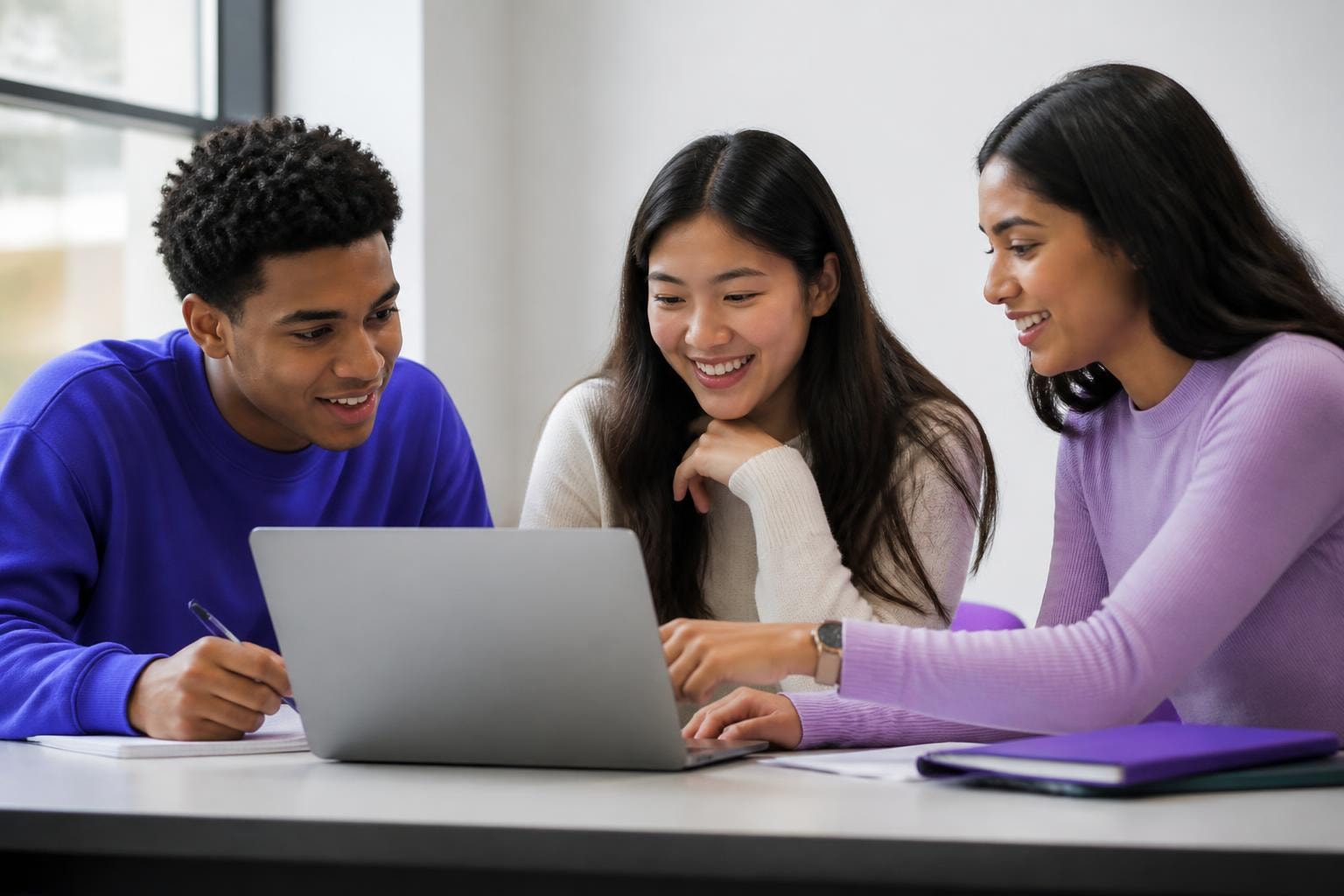

The concept of education co, or collaborative education, represents more than just placing learners in the same classroom. It means creating environments where young people learn alongside each other, share experiences, and develop skills together. This approach has shaped modern education since the mid-1800s, when coeducation first emerged as a way to provide equal learning opportunities. Today, education co extends beyond traditional classroom walls to include digital platforms, group projects, and interactive learning experiences that prepare learners for collaborative workplaces and real-world challenges.
The Foundation of Education Co
Coeducation started as a simple idea: educate all learners together regardless of gender or background. The practice gained momentum in the United States during the 19th century when schools and colleges began admitting both male and female students. This shift changed how we think about education and opportunity.
Historical Context and Modern Evolution
The education co movement grew from practical needs and progressive values. Early American colleges adopted coeducation partly for economic reasons. Maintaining separate facilities for different groups cost more than teaching everyone together. Schools also recognized that mixed-gender environments better reflected the real world students would enter after graduation.
By the early 1900s, most public schools practiced some form of education co. Private institutions took longer to adopt these principles. The change brought new teaching methods, curriculum design, and classroom dynamics. Teachers learned to engage diverse groups of learners with different backgrounds, interests, and learning styles.
Modern education co goes beyond gender integration. It includes learners from different:
- Economic backgrounds and family structures
- Cultural and linguistic communities
- Academic ability levels and learning needs
- Geographic locations through digital platforms
- Age groups in multi-grade learning environments

Benefits of Collaborative Education Environments
Education co creates specific advantages that isolated learning cannot match. When learners work together, they develop social skills while mastering academic content. These environments mirror workplace settings where collaboration drives success.
Skill Development Through Peer Interaction
Learners in collaborative settings gain practical communication skills. They learn to explain concepts to peers, which strengthens their own understanding. They practice negotiation when group members disagree about project approaches. They develop empathy by seeing problems from different perspectives.
Research shows that education co environments improve critical thinking. When learners encounter viewpoints different from their own, they must evaluate ideas more carefully. They cannot simply accept information without question. This process builds analytical skills that serve them throughout life.
Key skills developed through education co:
- Active listening during group discussions and peer feedback
- Conflict resolution when team members have different ideas
- Leadership abilities through rotating roles in group projects
- Time management coordinating schedules with other learners
- Cultural awareness working with diverse classmates
The 21st century learning skills young people need for career success align perfectly with education co principles. Communication, collaboration, creativity, and critical thinking all grow stronger in environments where learners work together toward shared goals.
Financial and Career Readiness
Education co prepares learners for workplace realities in 2026. Most careers require teamwork, whether in office settings, remote collaboration, or hybrid arrangements. Young people who practice these skills early adapt faster to professional environments.
Financial education particularly benefits from collaborative approaches. When learners discuss money concepts together, they share family experiences and cultural perspectives. One learner might explain how their family budgets for groceries. Another might share strategies for saving toward goals. These peer-to-peer exchanges make abstract concepts concrete.
| Traditional Learning | Education Co Approach | Real-World Application |
|---|---|---|
| Individual worksheets | Group budget projects | Family financial planning |
| Textbook examples | Peer expense sharing | Workplace team budgets |
| Solo presentations | Collaborative pitches | Business partnerships |
| Teacher-led lessons | Student-facilitated discussions | Professional meetings |
Digital Platforms and Education Co
Technology has expanded education co beyond physical classrooms. Digital platforms connect learners across cities, states, and countries. A student in rural Montana can collaborate with peers in urban California on the same project. This geographic diversity enriches learning experiences.
Interactive Learning Through Technology
Micro-learning platforms make education co more accessible and engaging. Short, focused tasks work well for collaborative projects. Learners can complete individual portions independently, then combine their work with teammates. This flexibility accommodates different schedules and learning paces.
Digital tools also enable new forms of collaboration. Learners can:
- Share documents and edit together in real time
- Record video explanations for teammates
- Create shared project boards and timelines
- Participate in discussion forums asynchronously
- Build presentations combining each member's contributions
The education co model thrives in digital environments because technology removes traditional barriers. A learner who feels shy speaking in class might contribute thoughtful written comments online. Someone with mobility challenges can participate fully without physical classroom constraints.

Data and Conversation Analysis
Recent advances help educators understand how learners interact in collaborative settings. Tools like Edu-ConvoKit analyze conversation patterns in educational contexts. These systems identify when certain learners dominate discussions or when others remain silent. Teachers can use this information to create more balanced education co experiences.
Conversation analysis reveals participation patterns that might otherwise go unnoticed. It shows which questions generate the most engagement. It tracks how ideas develop through group dialogue. This data helps educators design better collaborative activities.
Practical Applications of Education Co
Education co works best when learners tackle real-world challenges together. Abstract theories become meaningful when applied to actual problems. Young people engaged in practical projects develop deeper understanding than those who only read textbooks.
Project-Based Collaborative Learning
Consider a group project where learners design a small business. Each team member takes responsibility for different aspects:
Business planning roles:
- Market research coordinator investigates customer needs
- Financial analyst creates budgets and pricing strategies
- Marketing director develops promotional campaigns
- Operations manager plans production and delivery
- Technology specialist builds digital presence
This division of labor mirrors professional settings. Learners must communicate constantly to ensure their individual work aligns with team goals. They negotiate resources, resolve conflicts, and adapt when plans change. These experiences build capabilities that employers value.
Schools that teach life skills recognize that education co produces better outcomes than isolated instruction. When learners collaborate on financial literacy projects, they remember lessons longer. When they work together on career exploration tasks, they discover more possibilities than they would alone.
Earning While Learning Together
Some education co models include financial incentives that motivate learners and reward effort. When young people complete collaborative tasks and receive compensation, they experience direct connections between work and earnings. This approach combines skill development with financial education.
Imagine a team of learners completing a research project on sustainable business practices. Each member contributes specific sections, reviews peer work, and helps refine the final product. Upon completion and approval, all team members receive payment for their efforts. This structure teaches both collaboration and youth financial education principles simultaneously.
The payment mechanism reinforces several important concepts:
- Quality work earns rewards
- Team success depends on individual contributions
- Collaboration can be more productive than solo effort
- Real skills have real value in the marketplace
Education Co and Diverse Learning Needs
Effective education co accommodates different ability levels and learning styles. Not every learner processes information the same way or works at the same pace. Strong collaborative systems provide flexibility while maintaining high expectations for all participants.
Differentiated Roles and Responsibilities
Smart educators design education co activities with multiple entry points. A single project might include research, writing, design, presentation, and technical tasks. Learners can contribute according to their strengths while developing weaker skills in supportive environments.
For example, a group creating educational videos might assign roles this way:
- Research specialist gathers accurate information from reliable sources
- Script writer translates research into clear, engaging narration
- Visual designer creates graphics and selects images
- Video editor assembles footage and adds effects
- Project manager coordinates timelines and ensures completion
Each role requires different skills but contributes equally to project success. Learners rotate responsibilities across multiple projects to develop well-rounded capabilities.
| Learning Style | Education Co Strength | Collaborative Contribution |
|---|---|---|
| Visual learners | Create diagrams and infographics | Graphic design and presentations |
| Auditory learners | Lead discussions and explanations | Narration and peer teaching |
| Kinesthetic learners | Build models and demonstrations | Hands-on components |
| Reading/writing learners | Draft reports and documentation | Written content and research |
Supporting Learners at All Levels
Understanding the meaning of co-education includes recognizing that collaboration strengthens learning for everyone involved. Advanced learners deepen understanding by explaining concepts to peers. Those who struggle gain multiple perspectives and support systems.
Peer tutoring represents one powerful education co strategy. When learners teach each other, both parties benefit. The tutor reinforces their own knowledge by articulating it clearly. The learner receives explanations in peer language that may resonate more than teacher instruction.
Building Real-World Capabilities
Education co prepares young people for adult responsibilities by simulating real conditions. The workplace requires collaboration, communication, and compromise. Family life demands cooperation and shared decision-making. Community involvement calls for collective action toward common goals.
Career Readiness Through Collaboration
Modern careers rarely involve working in isolation. Software developers collaborate in teams using version control systems. Healthcare professionals consult with specialists about patient care. Teachers coordinate curriculum across grade levels. Marketing teams brainstorm campaigns together. Education co builds comfort with these collaborative workflows.
Young people who practice teamwork in educational settings transfer those skills to employment. They know how to contribute ideas without dominating conversations. They understand how to receive feedback without taking it personally. They recognize when to lead and when to follow.
The AI curriculum of 2026 emphasizes collaborative human-AI interaction. Learners must understand how to work alongside artificial intelligence systems, directing them toward desired outcomes. This requires clear communication, critical evaluation of AI outputs, and teamwork with both humans and machines. Education co environments provide ideal practice grounds for these emerging skills.

Financial Independence and Money Skills
Education co enhances financial literacy when learners tackle money challenges together. Group budgeting exercises reveal different spending priorities and saving strategies. Collaborative investment simulations show how team decisions affect outcomes. Joint entrepreneurship projects demonstrate that financial success often requires partnership.
Consider learners working together to create and market a product. They must:
- Pool resources or secure funding
- Allocate money across production, marketing, and operations
- Track expenses and revenue collectively
- Divide profits fairly based on contributions
- Reinvest earnings for growth or distribute them to team members
These activities teach complex financial concepts through direct experience. When learners see how their decisions affect real money outcomes, lessons stick. When they must negotiate financial arrangements with peers, they develop skills for future business partnerships, family financial discussions, and community resource allocation.
Measuring Education Co Success
Effective education co requires assessment methods that capture both individual and group achievement. Traditional testing measures solo performance. Collaborative environments need evaluation approaches that recognize teamwork while maintaining individual accountability.
Individual and Group Assessment Strategies
Smart educators use multiple measures to evaluate education co outcomes:
Individual assessments:
- Personal reflection journals documenting learning process
- Self-evaluation of contribution to team efforts
- Individual components of group projects
- Peer teaching demonstrations
- Portfolio evidence of skill development
Group assessments:
- Completed project quality and completeness
- Team presentation effectiveness
- Collaborative process documentation
- Problem-solving approaches and adaptations
- Innovation and creativity in solutions
This balanced approach ensures that every learner demonstrates mastery while recognizing that collaboration produces results individuals cannot achieve alone. It also prevents situations where one member does most work while others receive equal credit.
Long-Term Outcomes and Impact
The true measure of education co success appears years after formal education ends. Do learners apply collaborative skills in careers? Can they work effectively in diverse teams? Do they contribute to their communities? Do they manage finances responsibly and help others learn money skills?
Research on collaborative learning shows positive long-term effects. People who learned through education co approaches report:
- Higher job satisfaction in team-based roles
- Better conflict resolution in professional and personal relationships
- Greater comfort with diverse colleagues and communities
- Stronger problem-solving abilities when facing complex challenges
- More successful entrepreneurial ventures requiring partnership
These outcomes matter more than test scores or grades. Education co prepares young people for life, not just school.
Creating Effective Education Co Experiences
Anyone working with young learners can implement education co principles. Parents, teachers, coaches, and youth program leaders all play roles in creating collaborative learning opportunities. The key is designing activities that require genuine teamwork while building specific skills.
Design Principles for Collaborative Tasks
Effective education co activities share common characteristics. They present challenges too complex for individuals to solve alone. They require diverse skills and perspectives. They produce tangible outcomes learners care about. They include built-in accountability to ensure everyone contributes.
When designing collaborative learning experiences, consider these elements:
Clear objectives that specify both content learning and collaboration skills
Defined roles that distribute responsibility and leverage individual strengths
Structured process with checkpoints to ensure progress and prevent last-minute rushes
Quality standards that establish expectations for final products
Reflection opportunities to help learners extract lessons from experiences
Young people particularly engage with tasks that connect to their lives and interests. Financial education works better when learners manage real money, even small amounts. Career exploration becomes meaningful when learners interview actual professionals. Digital literacy improves when learners create content for real audiences.
Family and Community Involvement
Education co extends beyond institutional settings. Families can create collaborative learning experiences at home. Community organizations can design group activities that build skills while addressing local needs. This broader approach recognizes that young people learn everywhere, not just in classrooms.
Family financial education benefits from collaborative approaches. When parents and children work together on budgets, everyone learns. Adults gain insights into what resonates with young people. Children see how financial decisions affect the whole family. Together, they develop strategies that work for their specific situation.
Community projects offer rich education co opportunities. Learners might collaborate to:
- Survey neighborhood needs and design solutions
- Create educational content for younger children
- Organize fundraising events for local causes
- Build digital resources for community organizations
- Document local history through interviews and media
These activities develop civic engagement alongside academic and practical skills. They show young people that their contributions matter and that collaboration produces results individuals cannot achieve alone.
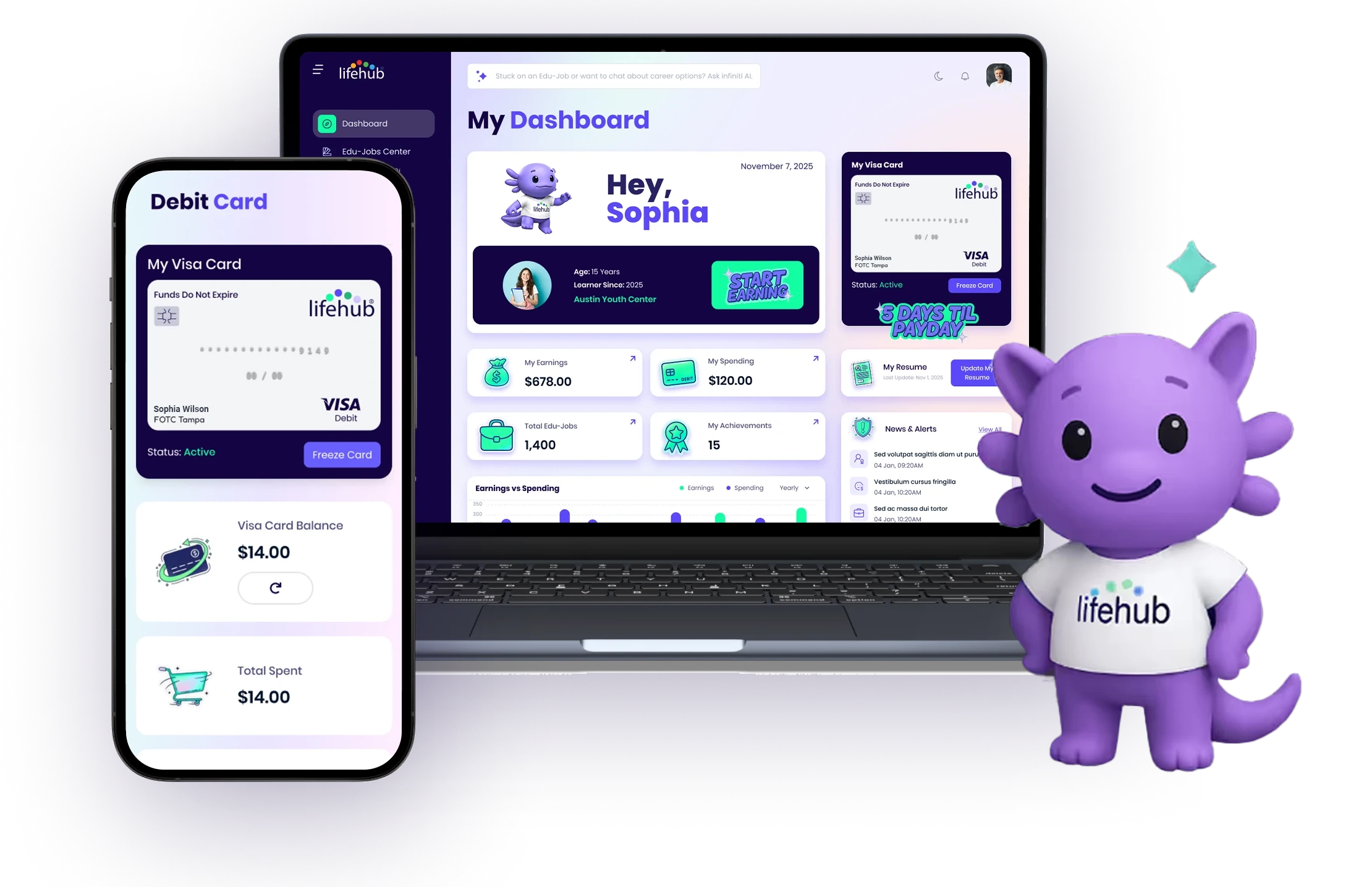
Education co creates powerful learning experiences by bringing young people together to build essential skills through collaboration, practical application, and real-world challenges. When learners work together on meaningful tasks, they develop the communication, financial literacy, and career readiness capabilities they need for adult success. Life Hub puts these principles into action through paid micro-learning tasks that let young people earn while they learn, building money skills, career readiness, and real-world capability through engaging collaborative opportunities. Whether working independently or with peers, learners complete practical Edu Jobs across academics, financial education, digital skills, and more, receiving real compensation that connects effort directly to reward.


Related Content
Ready to Chat about Life Hub?
Whether you're parents, or a homeschool family, Life Hub is your partner to help you
raise super strong kids.

.svg)

.svg)


.svg)
.svg)

.svg)