7 Amazing Schools That Teach Life Skills in 2026


Life is changing fast, and learners need more than just traditional academics to thrive in 2026. The ability to manage money, solve problems, and communicate well is now essential for success.
As families and employers look for more practical learning, schools that teach life skills are in high demand. These schools focus on real-world challenges and help learners build confidence for the future.
In this article, you’ll discover seven amazing schools leading the way. We’ll explore their unique programs, teaching styles, and how they help prepare learners for life beyond the classroom.
The Rise of Life Skills Education in 2026
The education landscape is changing fast. More families and educators realize that schools that teach life skills are vital for young people’s future success. Traditional academics alone are no longer enough.
The Shift from Traditional Academics to Practical Skills
In recent years, schools that teach life skills have gained momentum. Employers are asking for more than test scores. In fact, a 2025 survey found that 74% of employers believe new graduates lack key life skills. This gap has driven many schools to rethink their priorities.
Public support is also strong. According to a survey, 91% of adults support life skills education. As a result, more schools are blending life skills into their core teaching. The focus is shifting from memorizing facts to preparing learners for real challenges.
Key Life Skills Taught in Modern Schools
Today, schools that teach life skills focus on practical areas that matter most. These include:
- Financial literacy
- Teamwork and leadership
- Problem-solving
- Digital literacy
- Emotional resilience
Many schools offer real-world simulations and project-based learning. For example, learners might manage a budget during a simulation, or collaborate on a community service project. These experiences help bridge the gap between classroom theory and daily life.
Benefits for Students and Society
The benefits of schools that teach life skills reach far beyond the classroom. Learners develop self-confidence and adaptability. They become more ready for the workforce and life’s curveballs.
Society also gains. Research links life skills education to lower unemployment rates, improved mental health, and higher civic engagement. When schools invest in these skills, communities become stronger and more resilient.
Challenges and Opportunities
Balancing traditional academics with practical skills is not easy. Schools that teach life skills must meet standards and prepare learners for tests, while also making room for real-world lessons.
There are promising opportunities. Partnerships with tech companies, nonprofits, and local businesses help schools create hands-on programs. These collaborations bring valuable resources and real-world experience to the classroom. As more schools embrace this approach, the future looks brighter for every learner.
7 Amazing Schools That Teach Life Skills in 2026
More learners and families are searching for schools that teach life skills, not just academics. As the demand for practical, real-world education grows, several schools have pioneered programs that prepare young people for life beyond the classroom. Below, we spotlight seven standout schools that teach life skills in 2026, each offering unique programs and powerful learning experiences.
1. Life Hub®
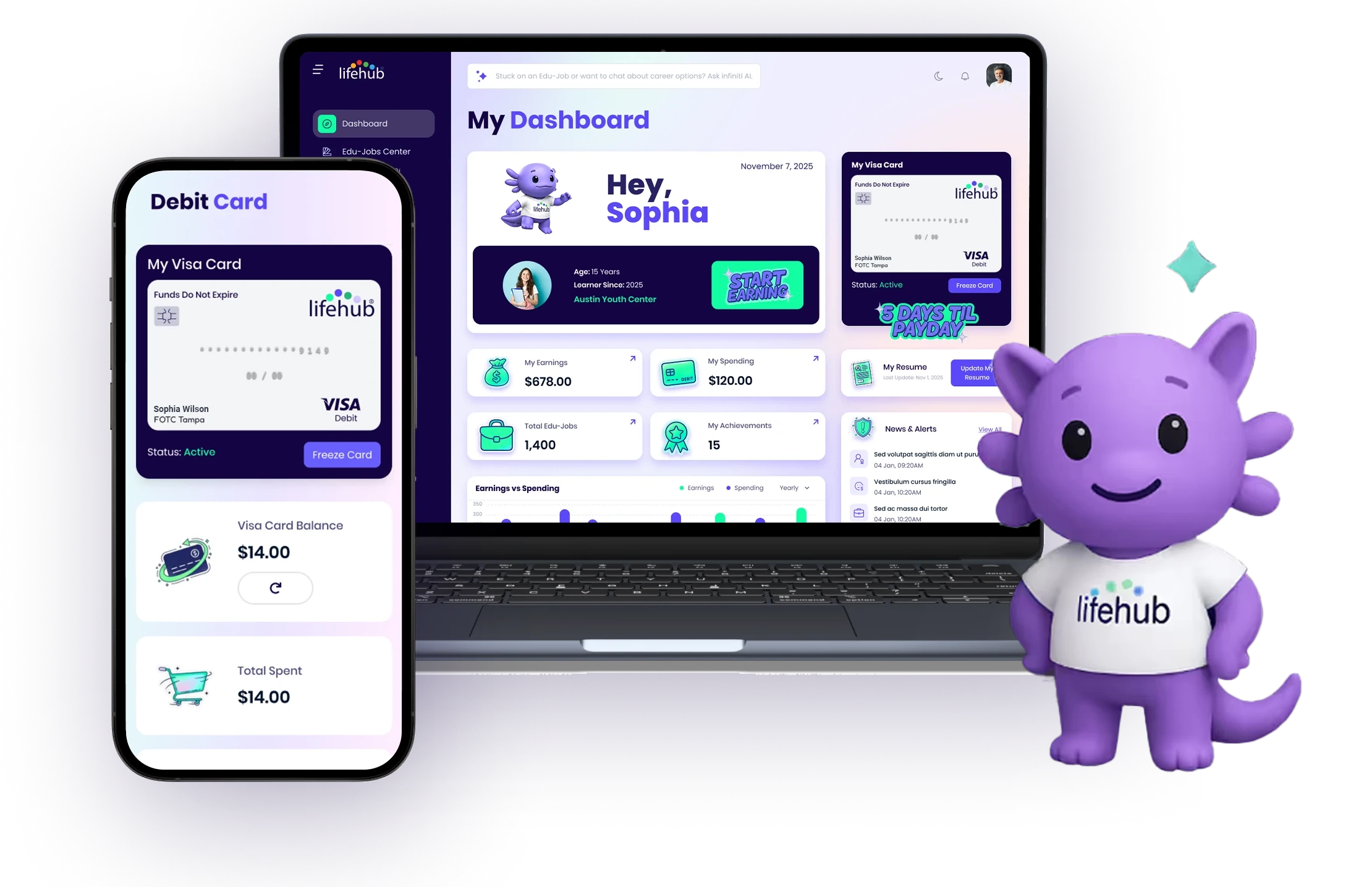
Life Hub® is one of the most innovative schools that teach life skills by combining learning with real-world rewards. Learners earn between $1 and $5 for each Edu-Job they complete, and $15 to $125 for full courses. These earnings go onto a Visa® rewards card, introducing financial literacy early.
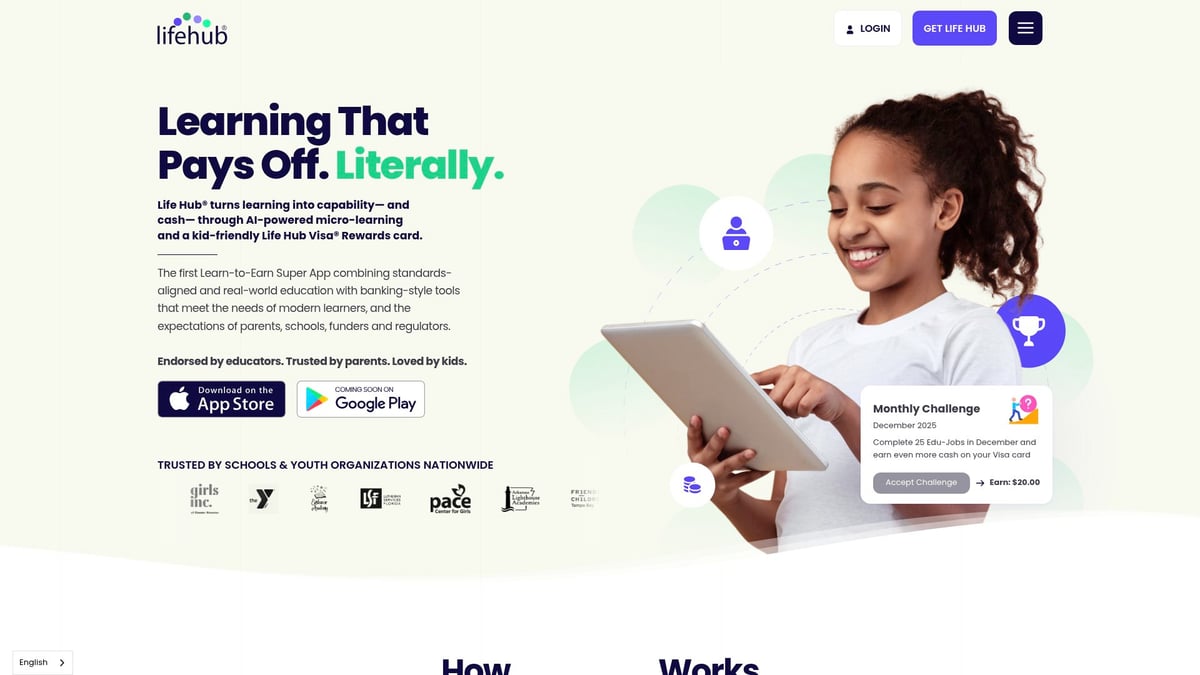
The platform features over 2,000 micro-learning modules, called Edu-Jobs. Each is powered by AI for personalized learning. Learners gain financial skills, career readiness, and digital literacy through paid tasks. This approach helps close gaps highlighted in research on life skills education, which shows measurable benefits for learners.
Key features:
- Integrated banking tools
- Real cash incentives
- Personalized analytics
Who is it for?
- Kids, teens, parents, schools, and youth organizations
Pros:
- Tangible financial rewards
- Comprehensive life skills curriculum
- Strong regulatory compliance
Cons:
- Requires digital access
- Some features are still in development
Unique points:
Life Hub® is the first "Learn-to-Earn" super app, blending education with financial empowerment.
2. Big Picture Learning
Big Picture Learning stands out among schools that teach life skills with its focus on personalized learning plans and real-world experience. This publicly funded model means most learners pay no tuition, making it accessible.
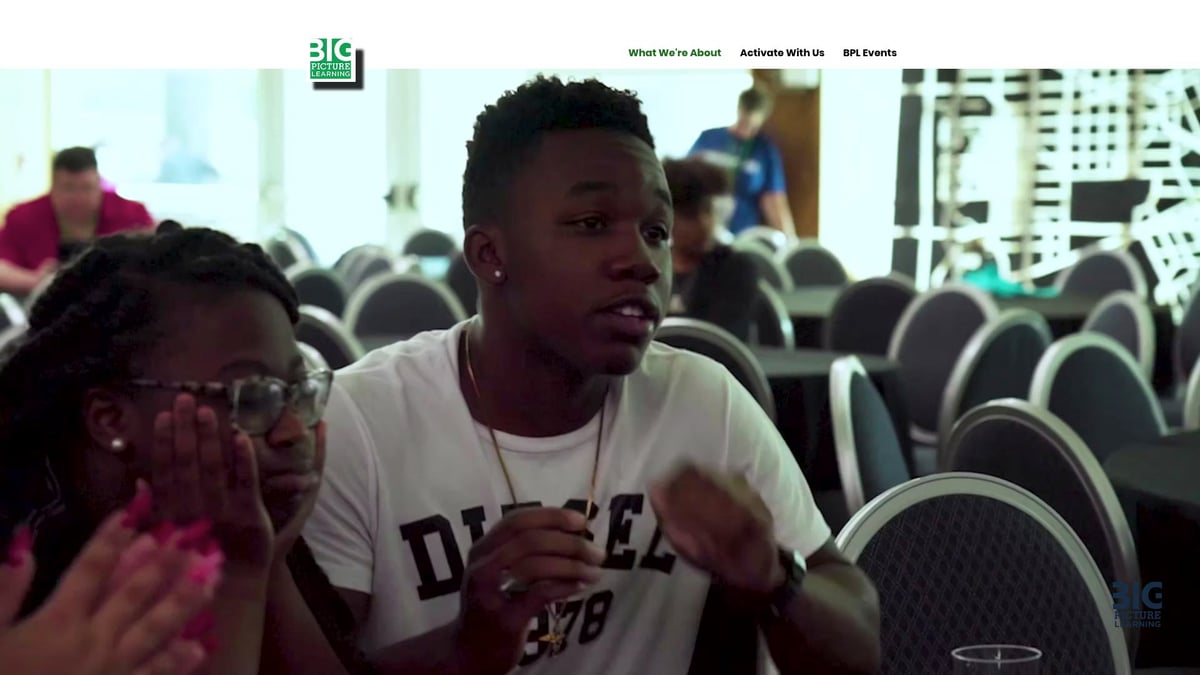
Learners participate in internships, community projects, and advisory groups. This hands-on approach helps learners discover their passions and build skills like teamwork and leadership.
Key features:
- Project-based internships
- Local community engagement
- Advisory mentorship
Who is it for?
- Middle and high school learners seeking practical, passion-driven education
Pros:
- Individualized support
- Strong mentorship
- High graduation rates
Cons:
- Program availability varies by region
- Relies on local partnerships
Unique points:
Learning is driven by doing, not just by textbooks, which helps learners develop real-world confidence.
3. The Met School
The Met School is a public charter that is tuition-free for local learners. It’s known for its internship-based learning model, making it a leader among schools that teach life skills.
Learners spend two days per week in real-world internships, applying classroom knowledge and developing communication, critical thinking, and problem-solving skills. Life skills workshops supplement academic work.
Key features:
- Internship-based curriculum
- Life skills workshops
- Project-driven learning
Who is it for?
- Urban high school learners
Pros:
- Strong college acceptance rates
- Supportive alumni network
Cons:
- Limited to certain cities
- Needs local business involvement
Unique points:
The Met School blends academics with real workplace experience, making learning relevant and memorable.
4. Summit Public Schools
Summit Public Schools are tuition-free public charters that have gained recognition as schools that teach life skills effectively. Their personalized learning platform allows learners to work at their own pace, supported by mentors.
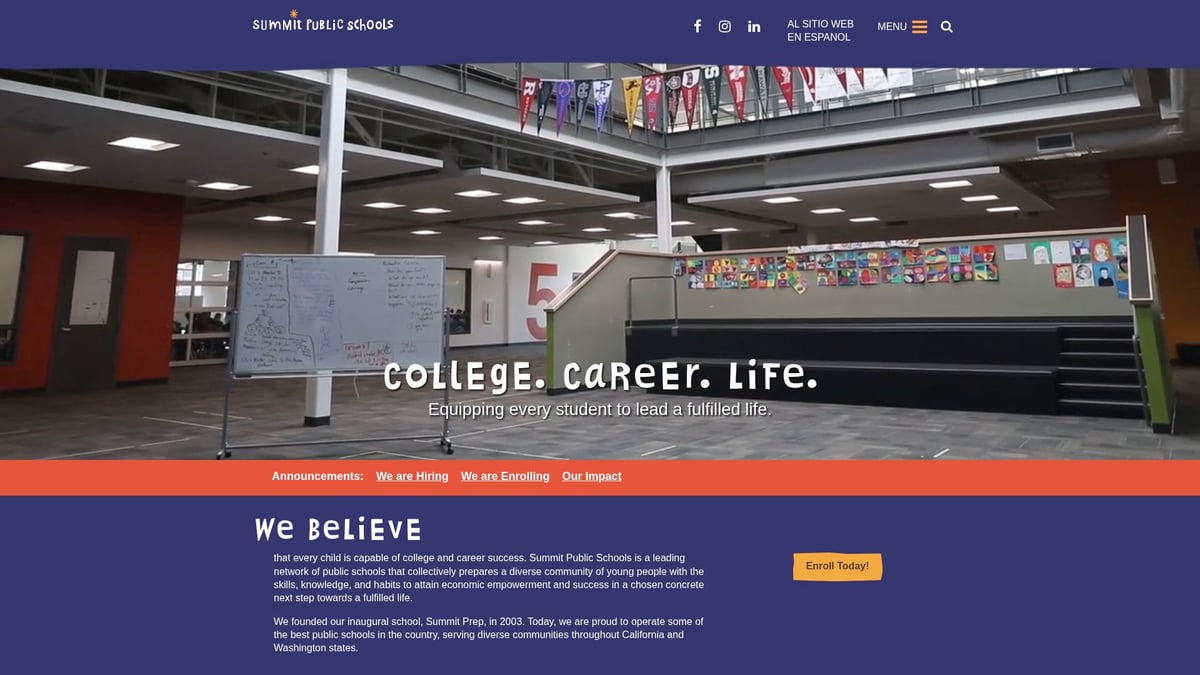
Self-directed projects and a focus on habits of success like self-management and resilience set Summit apart. The data-driven approach ensures learners develop skills for both college and career.
Key features:
- Personalized digital platform
- Mentorship
- Focus on social-emotional learning
Who is it for?
- Middle and high school learners, mainly in California and Washington
Pros:
- Adaptable for remote and hybrid learning
- Research-backed model
Cons:
- Not available nationwide
- Technology-dependent
Unique points:
Summit’s scalable model is built on research, making it easy to adapt to different learning environments.
5. High Tech High
High Tech High is a network of tuition-free public charter schools that teach life skills through a project-based, interdisciplinary curriculum. Learners work together on real-world projects that require teamwork and creative problem-solving.
Public exhibitions of learner work foster accountability and pride. The school’s commitment to equity and inclusion means a diverse student body benefits from life skills education.
Key features:
- Project-based learning
- Interdisciplinary approach
- Public exhibitions
Who is it for?
- K-12 learners interested in STEM and creative fields
Pros:
- Diverse community
- Strong college matriculation rates
Cons:
- Limited locations
- Competitive admissions
Unique points:
Technology and life skills are seamlessly integrated, helping learners prepare for modern challenges.
6. Green School Bali
Green School Bali offers a sustainability-focused curriculum with a strong emphasis on entrepreneurship, leadership, and wellness. As one of the unique schools that teach life skills, it combines classroom learning with hands-on projects in a lush, eco-friendly campus.
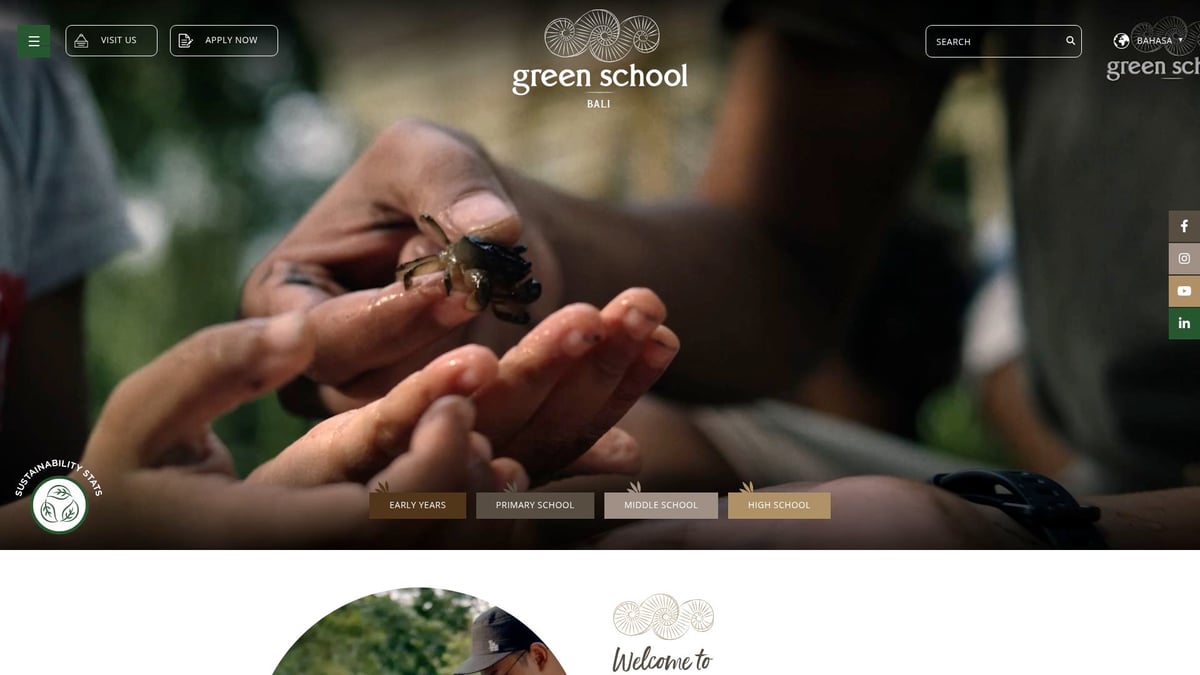
Environmental stewardship and social responsibility are at the heart of every lesson. Learners gain practical skills that prepare them for a changing world.
Key features:
- Sustainability education
- Entrepreneurship programs
- Wellness and leadership
Who is it for?
- International and local learners, ages 3–18
Pros:
- Holistic education
- Global reputation
- Unique campus
Cons:
- High tuition
- Location-specific
Unique points:
Green School Bali’s eco-centric approach inspires learners to become changemakers in their communities.
7. Fusion Academy
Fusion Academy is known for its one-to-one teaching model and flexible scheduling, making it a standout among schools that teach life skills. Social-emotional learning is built into the curriculum, supporting executive functioning and relationship skills.
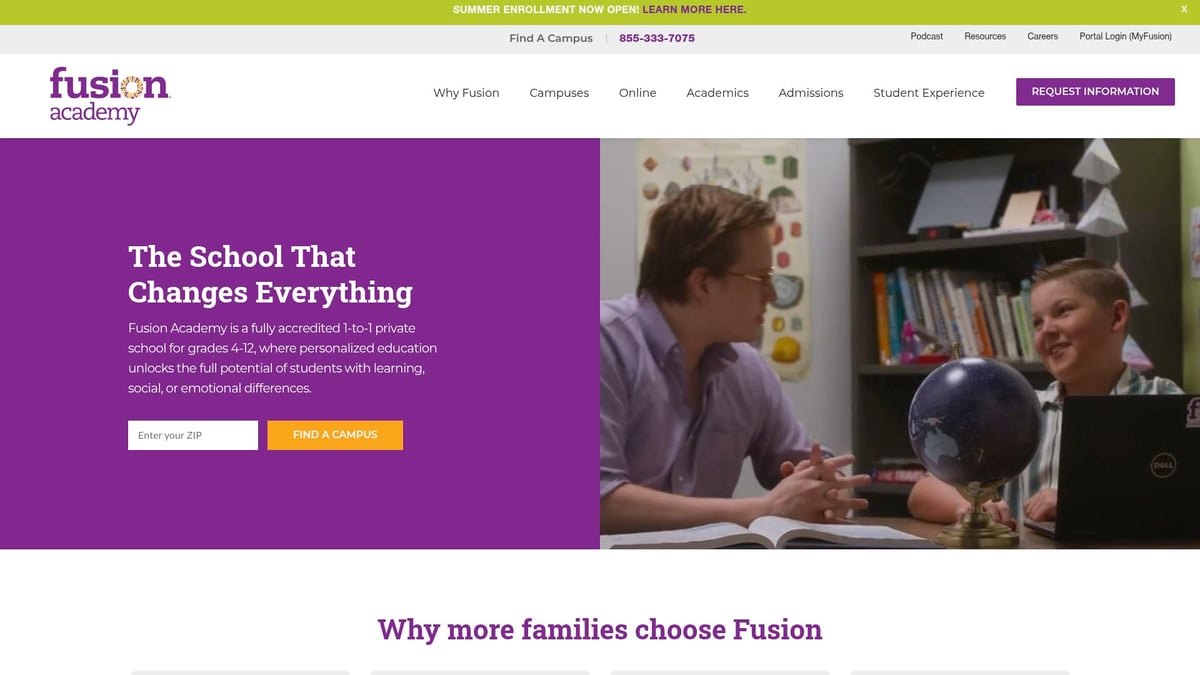
This approach is ideal for learners who need personalized support or a non-traditional schedule. Fusion Academy’s national network offers tailored programs to fit different needs.
Key features:
- 1:1 instruction
- Flexible scheduling
- Social-emotional learning
Who is it for?
- Middle and high school learners needing individualized attention
Pros:
- Strong mental health support
- Customizable curriculum
- National reach
Cons:
- Premium pricing
- Not accessible to all families
Unique points:
Fusion Academy’s focus on SEL and life skills helps learners build confidence and resilience.
Comparison Table:
| School | Tuition | Key Focus Areas | Unique Point |
|---|---|---|---|
| Life Hub® | Paid, rewards | Financial, digital, career | Learn-to-Earn, real cash |
| Big Picture Learning | Public, free | Internships, mentorship | Community-driven learning |
| The Met School | Public, free | Internships, workshops | Workplace experience |
| Summit Public Schools | Public, free | Personalized, SEL | Scalable, research-backed |
| High Tech High | Public, free | Project-based, teamwork | Equity, tech integration |
| Green School Bali | Tuition | Sustainability, leadership | Eco-centric, global reputation |
| Fusion Academy | Tuition | SEL, 1:1 teaching | Individualized, flexible |
These schools that teach life skills show how education is evolving. Each offers paths for learners to gain practical, adaptable skills for life beyond school.
How Life Skills Education Prepares Students for the Future
Life skills education is transforming outcomes for learners everywhere. Schools that teach life skills do more than prepare learners for tests—they help them thrive in a rapidly changing world. Let’s look at how these programs make a difference for learners, their careers, and their well-being.
Real-World Impact of Life Skills Programs
Schools that teach life skills give learners practical tools for daily life. Programs often focus on financial literacy, communication, and adaptability. Many alumni share stories of using these skills right after graduation. For example, some manage budgets, lead community projects, or solve conflicts at work.
Research supports these benefits. A study on life skills education found that learners develop greater independence and confidence. Programs with internships or project-based learning create real change, not just theory.
Learners from schools that teach life skills often adjust faster to new challenges, making them stand out in their communities.
Career and College Readiness
Career and college success depend on more than academic knowledge. Schools that teach life skills help learners set goals, manage time, and work well with others. These skills are strong predictors of future achievement.
According to UNESCO's World Education Statistics 2025, learners who master life skills are more likely to find jobs or succeed in higher education. Employers value teamwork, adaptability, and leadership as much as technical ability.
By practicing these skills in school, learners gain confidence in interviews, internships, and first jobs.
Building Resilience and Well-being
Resilience and well-being are at the heart of schools that teach life skills. Social-emotional learning programs teach mindfulness, conflict resolution, and stress management. This leads to less anxiety and better mental health for many learners.
Teachers often use group projects and reflective exercises to build these habits. Learners practice communicating feelings, managing setbacks, and supporting classmates.
This focus on well-being helps learners handle pressure, build strong relationships, and stay engaged with their communities.
Choosing the Right Life Skills School for Your Child
Selecting from schools that teach life skills is a big decision for any family. With so many options, it helps to focus on what matters most for your learner.
Consider these factors:
- Location and accessibility
- Teaching philosophy and school culture
- Curriculum, including types of life skills covered
- Cost and available financial support
- Level of student support, including mentorship and counseling
Think about how each school’s mission aligns with your family’s values and your child’s needs. Every learner is unique, so the right fit can make a real difference.
To dig deeper into program details or see how schools partner to deliver practical learning, you may want to explore resources like Life Hub for Schools & Districts.
As you think about which life skills school may be the right fit, it helps to see what real-world learning looks like for kids and families. The article highlighted how learners can build money skills, career readiness, and digital confidence by actively doing hands-on tasks. If you want to see how a platform like this can help your child grow through practice and earn real rewards, take a closer look at what’s possible.
See Life Hub for Kids and Families
You may find a new way to support your learner’s journey—one practical lesson at a time.


Related Content
Ready to Chat about Life Hub?
Whether you're parents, or a homeschool family, Life Hub is your partner to help you
raise super strong kids.

.svg)

.svg)


.svg)
.svg)

.svg)