Best Homeschool Curriculum for 2026: Complete Guide


Choosing a homeschool curriculum can feel overwhelming. You're responsible for your child's entire education, and the options seem endless. The best homeschool curriculum for your family depends on your learner's age, interests, learning style, and your educational goals. This guide breaks down what to consider, compares popular options, and shows how to build a curriculum that prepares young people for real-world success.
Understanding What Makes a Strong Homeschool Curriculum
A quality homeschool curriculum covers core academic subjects while preparing learners for life beyond textbooks. Traditional programs focus on math, language arts, science, and social studies. Modern curricula add financial literacy, digital skills, and career readiness.
Core Components Every Curriculum Should Include
The foundation includes reading, writing, and mathematics at grade level. Science and social studies build critical thinking and context about the world. These subjects form the academic base most states require.
Beyond basics, look for these elements:
- Real-world application of skills
- Opportunities for hands-on learning
- Technology integration and digital literacy
- Social-emotional learning components
- Career exploration activities
Many families find that schools that teach life skills offer valuable models for homeschool planning. Practical skills matter as much as academic knowledge when preparing young people for independence.

Types of Homeschool Curriculum Approaches
Different families need different structures. Some want everything planned out. Others prefer flexibility to follow their learner's interests.
All-in-One Complete Programs
These packages provide everything needed for multiple subjects in one purchase. They include lesson plans, materials, and often grading support. Parents who want a structured, turnkey solution appreciate this approach.
All-in-one homeschool programs typically cost between $300 and $1,200 per learner annually. Popular options include Abeka, Sonlight, and Time4Learning. Each has different teaching philosophies and delivery methods.
| Program Type | Best For | Cost Range | Flexibility |
|---|---|---|---|
| All-in-one boxes | Structure seekers | $500-$1,200 | Low |
| Online platforms | Tech-friendly families | $300-$800 | Medium |
| Unit studies | Interest-led learning | $200-$600 | High |
| Unschooling | Self-directed learners | Variable | Very high |
Mix-and-Match Approach
Many experienced homeschoolers combine resources from different publishers. They might use one program for math, another for language arts, and supplemental materials for science. This method lets you customize based on each learner's strengths and challenges.
The CurriculumFinder database rates over 1,000 options across dimensions like rigor and engagement. This resource helps you compare programs objectively when building a custom curriculum.
Interest-Led and Unschooling Methods
Some families follow their learner's natural curiosity. Research shows that unschooling approaches can build agency and democratic participation in education. These methods require parent confidence and flexibility but often produce highly motivated learners.
Evaluating Curriculum for Different Age Groups
Elementary, middle, and high school learners need different approaches. What works for a six-year-old won't challenge a teenager.
Elementary Years (K-5)
Young learners benefit from hands-on activities and short lessons. The best homeschool curriculum for this age emphasizes reading fluency, math facts, and building curiosity. Programs like Singapore Math, All About Reading, and Blossom and Root work well.
Key considerations for elementary curriculum:
- Builds foundational skills systematically
- Includes manipulatives and visual aids
- Keeps lessons under 30 minutes per subject
- Incorporates movement and play
- Develops love of learning over grades
Middle School (6-8)
Pre-teens need increasing independence and real-world connections. They're ready for more complex projects and abstract thinking. This age benefits from curriculum that connects academics to career interests and personal goals.
Youth financial education becomes relevant during these years. Learners can understand budgeting, saving, and earning. Practical math applications make more sense than abstract problems alone.
High School (9-12)
Teenagers need transcript-worthy courses and college or career preparation. The best homeschool curriculum for high school includes advanced academics plus practical skills employers value. Many families add dual enrollment classes or specialized courses.
Look for programs offering:
- Standard high school subjects at appropriate levels
- Advanced Placement or honors options
- Career exploration and workplace skills
- Financial literacy and life management
- Technology certifications

Technology-Enhanced Curriculum Options
Digital platforms offer interactive lessons, automatic grading, and progress tracking. The best homeschool tech curriculum for 2026 includes options like Khan Academy, Outschool, and subject-specific apps.
Benefits of Technology Integration
Online programs adapt to learner pace and provide immediate feedback. Video lessons let you replay difficult concepts. Many platforms include gamification elements that increase engagement.
Digital curriculum advantages:
- Self-paced progression through material
- Built-in assessment and record keeping
- Multimedia presentations of concepts
- Access to expert instructors
- Lower cost than traditional materials
Balancing Screen Time and Hands-On Learning
Too much screen time can reduce physical activity and social interaction. Research on physical fitness among homeschool youth suggests the importance of active learning components. Mix digital lessons with outdoor activities, hands-on projects, and face-to-face social experiences.
A micro-learning platform approach breaks content into short, focused tasks. This method maintains engagement while limiting passive screen exposure.
Adding Modern Skills to Traditional Academics
The best homeschool curriculum in 2026 prepares learners for a changing world. Academic knowledge matters, but so do digital literacy, artificial intelligence understanding, and entrepreneurial thinking.
Artificial Intelligence Education
AI affects every industry and career path. Teaching learners about AI builds 21st century learning skills they'll need regardless of their future path. An AI curriculum doesn't require advanced coding knowledge to start.
Even elementary learners can understand basic AI concepts through age-appropriate activities. A pre-tertiary AI curriculum study shows effective methods for introducing these concepts before college.
Financial Literacy and Real-World Economics
Young people need money management skills before they face real financial decisions. Teaching budgeting, saving, investing, and earning creates confidence and capability. Traditional curricula often skip these essential topics.
Practical financial skills to include:
- Understanding income and expenses
- Basic budgeting methods
- Saving strategies and compound interest
- Responsible credit use
- Entrepreneurship basics
- Tax concepts and payroll deductions
Parents can reinforce these lessons through real-world practice. When learners earn money through effort and see tangible results, financial concepts become concrete rather than abstract.
Career Exploration and Workplace Skills
Teenagers benefit from exploring different career paths while still in school. Exposure to various fields helps them make informed decisions about future education and training. The best homeschool curriculum includes career awareness components.
Workplace skills like communication, collaboration, time management, and problem-solving transfer across all careers. These soft skills often determine success more than technical knowledge alone.
Creating Your Personalized Curriculum Plan
No single program serves every family perfectly. Building a custom plan takes time but produces better results than forcing your learner into a mismatched system.
Step-by-Step Planning Process
Start by defining your educational goals and values. What do you want your learner to know and be able to do? Consider both academic standards and life skills. Write these goals down before evaluating programs.
- Assess your learner's current level in each subject area
- Research state requirements for homeschool curriculum
- Identify learning style preferences (visual, auditory, kinesthetic)
- Set a realistic budget for materials and resources
- Compare programs using objective criteria
- Start with core subjects then add enrichment
- Plan evaluation methods to track progress
Grade-by-grade curriculum recommendations can guide your choices with honest pros and cons of popular programs. Reading reviews from other homeschool families provides practical insights.
Budget Considerations and Free Resources
Quality curriculum doesn't always cost hundreds of dollars. Free and low-cost options exist for motivated families willing to invest time in planning.
| Resource Type | Examples | Cost | Pros | Cons |
|---|---|---|---|---|
| Free online | Khan Academy, YouTube | $0 | Accessible, high quality | Requires parent planning |
| Library materials | Books, DVDs, passes | $0 | Local, tangible | Limited availability |
| Used curriculum | Co-op sales, eBay | 50-75% off | Cost savings | May be dated or incomplete |
| Subscription platforms | Time4Learning, IXL | $10-50/month | Comprehensive, convenient | Ongoing cost |
| Print workbooks | Evan-Moor, Scholastic | $10-30 each | No screens, portable | Can feel repetitive |
Many families combine free resources with one or two paid programs for core subjects. This hybrid approach controls costs while maintaining quality.

Measuring Progress and Adjusting Your Approach
The best homeschool curriculum evolves as your learner grows and your family's needs change. Regular assessment helps you know what's working and what needs adjustment.
Assessment Methods Beyond Tests
Traditional testing provides one data point but doesn't capture everything. Portfolio reviews, project presentations, and real-world applications show mastery too. Many homeschoolers use a combination of formal and informal assessments.
Effective progress tracking includes:
- Weekly check-ins on understanding
- Monthly skill demonstrations
- Quarterly portfolio reviews
- Annual standardized testing (if required)
- Real-world project completion
When learners apply knowledge to solve actual problems, you see true comprehension. A project-based approach naturally assesses multiple skills simultaneously.
When to Switch Programs
Sometimes a curriculum just doesn't work. Your learner struggles despite effort, complains constantly, or stops making progress. These signs suggest the program may not fit their learning style.
Don't wait until the school year ends to make changes. If something isn't working after a fair trial (typically 4-6 weeks), explore alternatives. Education should challenge learners without causing unnecessary frustration.
Supplementing Core Curriculum with Enrichment
The best homeschool curriculum balances required academics with subjects that spark passion. Enrichment activities prevent burnout and help learners discover interests that could become careers.
Arts, Music, and Creative Expression
Creative subjects develop different brain pathways than academic work. They build problem-solving skills, emotional intelligence, and self-expression. Don't skip art just because it's not tested.
Online classes, community programs, and self-directed projects all work. Let your learner's interests guide enrichment choices. Passion-driven learning creates the deepest engagement.
Physical Education and Health
Homeschoolers need intentional physical activity since they don't have gym class or recess. Sports teams, martial arts, dance, swimming, and outdoor recreation all count. The goal is regular movement and healthy habits.
Health education includes nutrition, sleep, stress management, and personal safety. These topics matter for lifelong wellness but get minimal attention in traditional schools.
Social Learning Opportunities
Socialization happens through co-ops, clubs, sports teams, volunteer work, and community activities. Homeschoolers can actually experience more diverse social interactions than traditionally schooled peers since they're not limited to same-age classmates.
Look for group learning experiences that match your learner's interests. Science clubs, book groups, theater productions, and service projects all build social skills while pursuing shared goals.
Preparing for College or Career After Homeschool
The best homeschool curriculum for high school creates options. Whether your learner plans college, trade school, entrepreneurship, or immediate employment, strong preparation matters.
Documentation and Transcripts
Keep detailed records of courses, grades, and activities from ninth grade forward. Many homeschool families use transcript services or create their own official-looking documents. Include course descriptions, grades, and credits earned.
Essential documentation includes:
- Official transcript with GPA
- Course descriptions for unique classes
- Reading lists and major projects
- Standardized test scores (SAT, ACT, CLT)
- Awards, honors, and achievements
- Volunteer and work experience
Colleges understand homeschool transcripts look different from traditional ones. Clear documentation and strong test scores demonstrate academic preparation.
Building Real-World Experience
Work experience, internships, volunteer positions, and entrepreneurial projects show initiative and capability. These experiences often matter more than grades when applying for jobs or competitive programs.
Learners who complete practical tasks and earn recognition develop confidence traditional education can't replicate. When young people see direct results from effort, they understand the connection between work and reward.
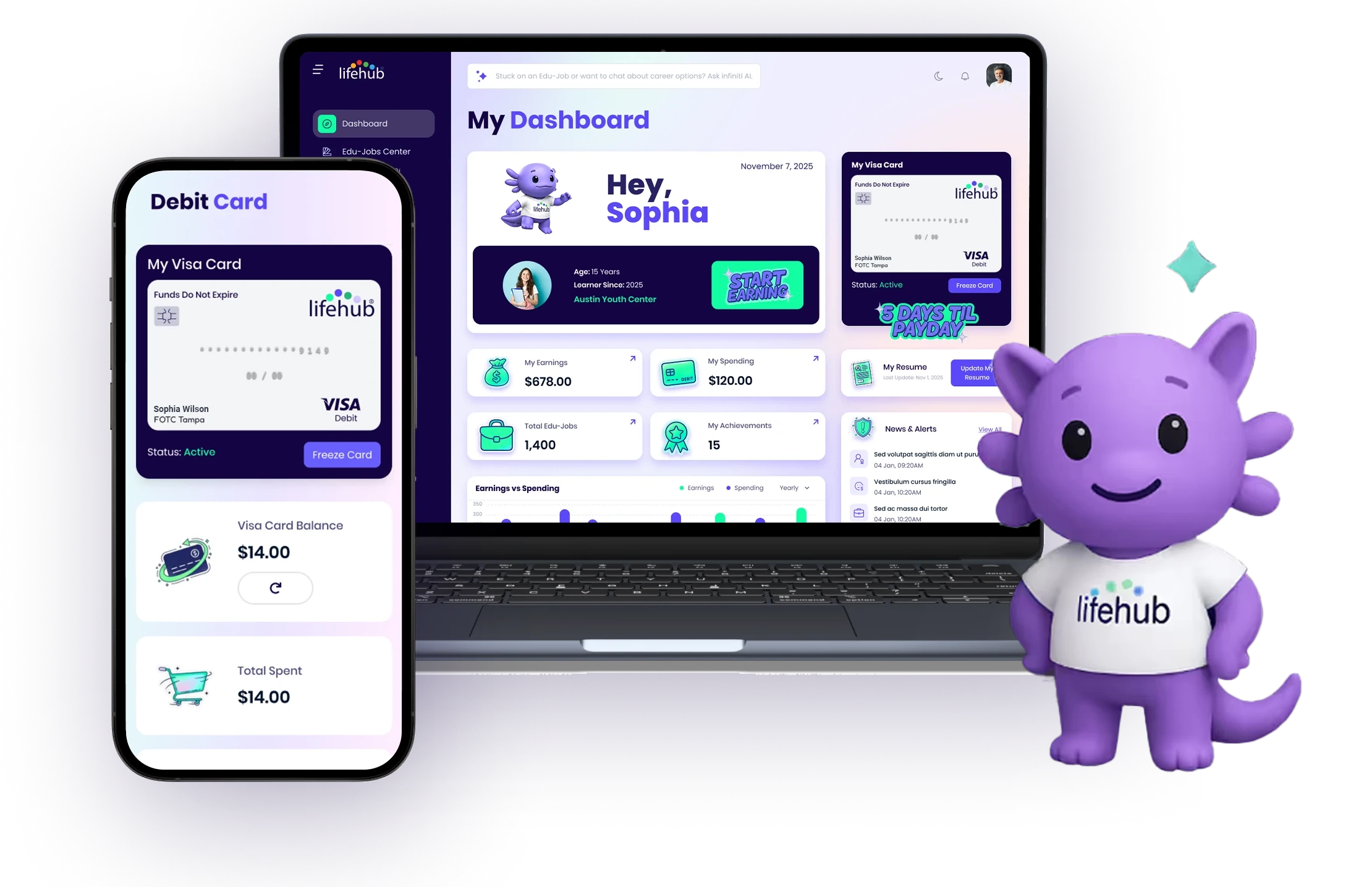
Finding the best homeschool curriculum means understanding your learner's unique needs and building a plan that balances academics with real-world preparation. The right curriculum grows with your family, incorporates modern skills like financial literacy and AI understanding, and creates engaged, capable young people. Life Hub complements any homeschool curriculum by offering paid micro-learning tasks that build money skills, career readiness, and practical knowledge while rewarding learners with real earnings for their effort.


Related Content
Ready to Chat about Life Hub?
Whether you're parents, or a homeschool family, Life Hub is your partner to help you
raise super strong kids.

.svg)

.svg)


.svg)
.svg)

.svg)