Ultimate Guide to AI Literacy for Kids: Preparing for the Future



Introduction: Why Teaching AI Literacy to Children Is Not Optional
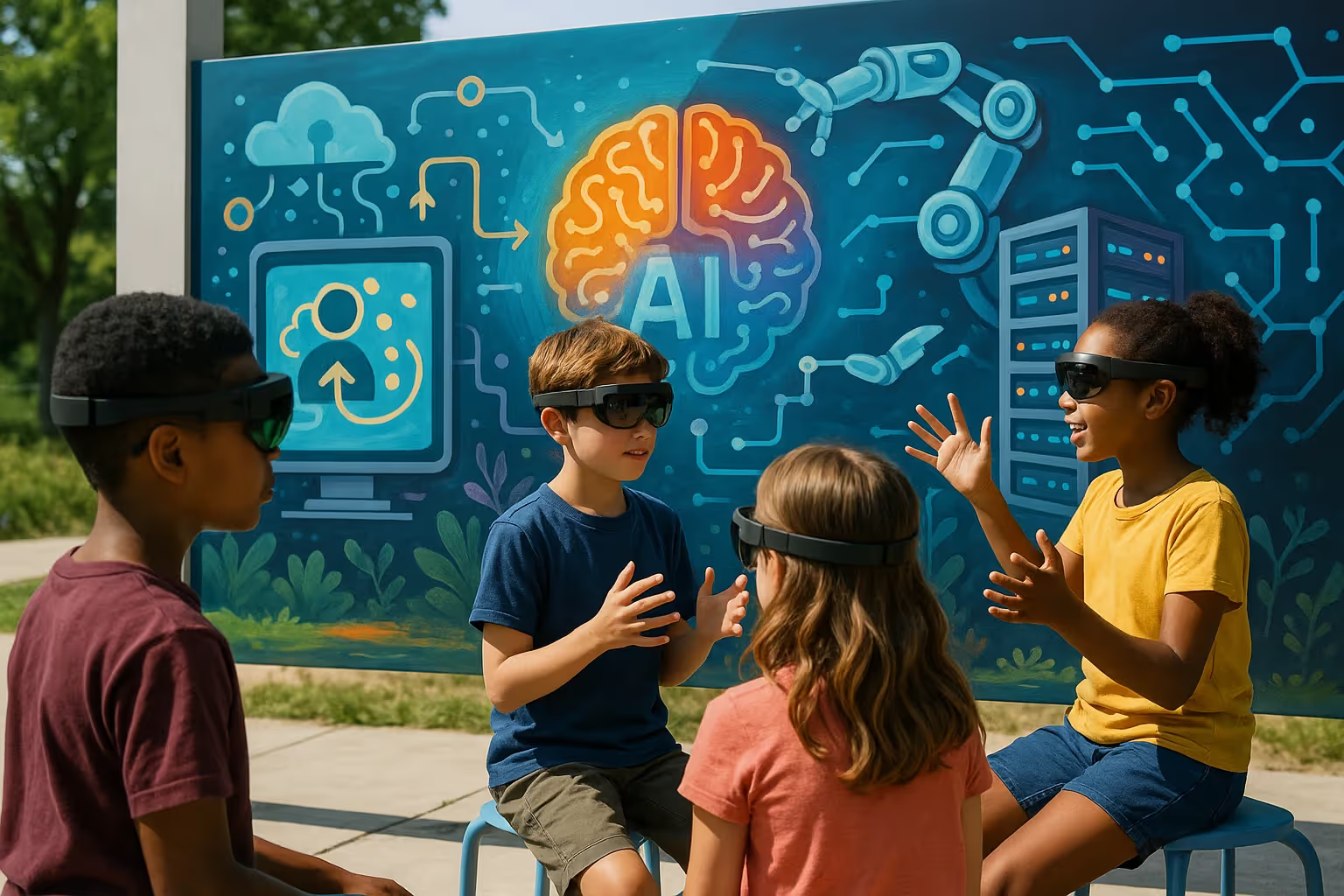
Imagine a world where children are not just passive consumers of technology but empowered navigators of an AI‑infused landscape. When young learners grasp how generative tools influence everything from their homework to their entertainment, they develop essential critical thinking and creativity. For example, children as young as 8 can improve problem‑solving and research skills when introduced to AI under proper guidance—preparing them for a future where AI fluency is expected across diverse fields like medicine, design, and engineering (Academea Blog).
Recent educational reviews highlight that early AI education supports more than just technical prowess: it nurtures cognitive development, creativity, and social cooperation. Hands‑on activities—like interacting with voice‑enabled toys, robots, or storytelling scenarios—ground abstract AI concepts in real‑world contexts, reinforcing both understanding and ethical awareness (Springer Nature literature review).
Understanding this landscape helps when you strive to create article on the importance of ai literacy for kids for their future—educators and parents alike benefit from this informed perspective. Consider that nearly a third of parents report their children under age 8 already using AI tools for learning, and some are gaining critical thinking skills through these interactions (Axios reporting on Common Sense Media research).
This introduction serves as a call to action: AI literacy must become as foundational as reading or math. Children need to comprehend what AI can and cannot do, to use it effectively in creative and academic endeavors, and to question AI outputs rather than accept them blindly. In doing so, they gain resilience and agency in a world transformed by technology.
As you prepare to explore this topic further, you’ll find concrete curriculum strategies, real‑world applications, and expert‑backed recommendations ahead. For a deeper dive into curricula that build these competencies, explore resources such as AI Literacy which outlines foundational concepts and actionable frameworks that align with this vision.
Understanding the Role of AI in Modern Education
Integrating Artificial Intelligence into modern education is unlocking new possibilities for student engagement and learning personalization. AI literacy is not just an enhancement of the curriculum; it's essential for preparing children for a future dominated by technology. As educators and caregivers strive to understand its context, a focus on AI literacy can help shape a more informed and capable generation.
The Growing Influence of AI in Everyday Life
AI is already interwoven into many aspects of daily life, from virtual assistants in our homes to personalized recommendations on streaming services. Understanding these tools is critical for children as they navigate a world where AI will continue to advance and intensify. For instance, employers are increasingly relying on AI to make decisions in fields ranging from healthcare to finance. Therefore, equipping kids with knowledge about AI will empower them to thrive in such environments.
Educational Impacts and Opportunities
The role of AI in education extends beyond mere facilitation; it provides dynamic learning experiences tailored to individual needs. For example, AI-driven programs can assess a student's learning style and adapt coursework to fit their pace and strengths. According to a study on AI in education, integrating AI tools has enhanced student engagement and helped educators address specific learning challenges more effectively.
With AI literacy, students learn not only how to use technology but also understand the underlying principles driving these tools. This foundational knowledge will enable them to participate actively in discussions about ethical considerations and the societal influence of AI technologies. As they grow familiar with AI's landscape, they become better positioned to innovate and lead in their respective fields.
For more insights on how AI literacy builds futures, explore Ai Literacy Builds Futures which offers additional perspectives on preparing the next generation for technological advancements.
Preparing for a Future Workforce
As the job market continues to evolve, fostering AI literacy can make students more competitive and ready for future careers. Many experts believe that a comprehensive understanding of AI will be analogous to knowing how to use a smartphone today—a basic skill necessary for most professions. Encouraging education systems to incorporate AI literacy will arm students with a critical advantage, promoting innovation and problem-solving from a young age.
In summary, the potential benefits of fostering AI literacy for kids are substantial. It not only enhances their educational experience but also builds a foundation for their future careers. Hence, education stakeholders must take meaningful steps to integrate AI literacy into educational frameworks.
Nurturing Critical Thinking Through AI Literacy
Encouraging AI literacy from a young age is essential in fostering critical thinking skills that children will need throughout their lives. Understanding how artificial intelligence works enables kids to engage in thoughtful discussions about technology and its implications. By analyzing how AI systems make decisions, they can develop the ability to question and evaluate information, crucial in today’s digital age.
The Role of Hands-On Learning
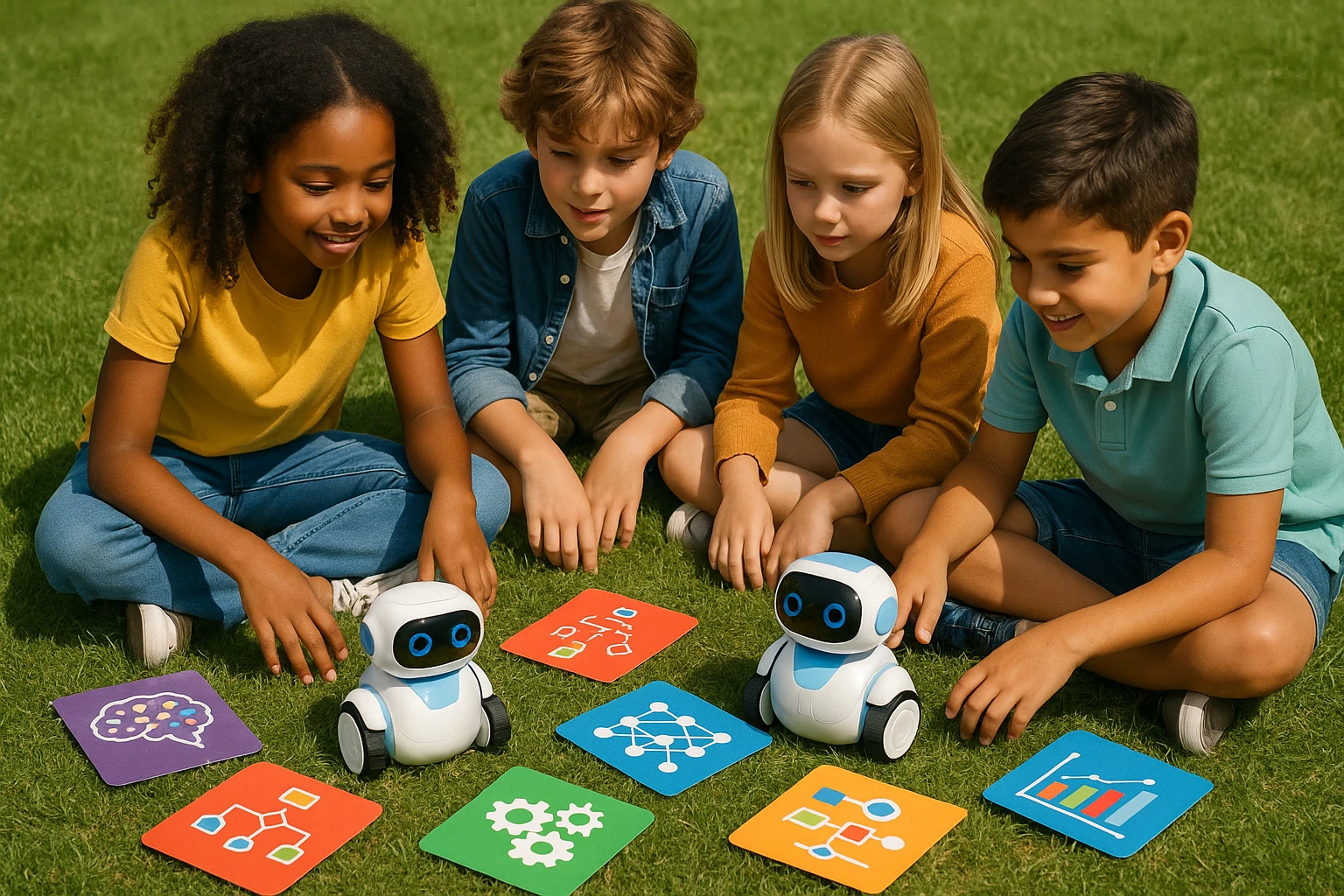
Practical, hands-on experiences with AI tools can significantly enhance a child's learning curve. Engaging in activities like programming robots or creating simple algorithms helps children comprehend abstract concepts more tangibly. This early exposure can demystify complex ideas, making them accessible and engaging. Many educational resources, such as robotics kits, integrate play with learning to optimize skill acquisition. As noted by Lifewire, such tools are pivotal in developing technical skills among youth.
Leveraging Resources for AI Education
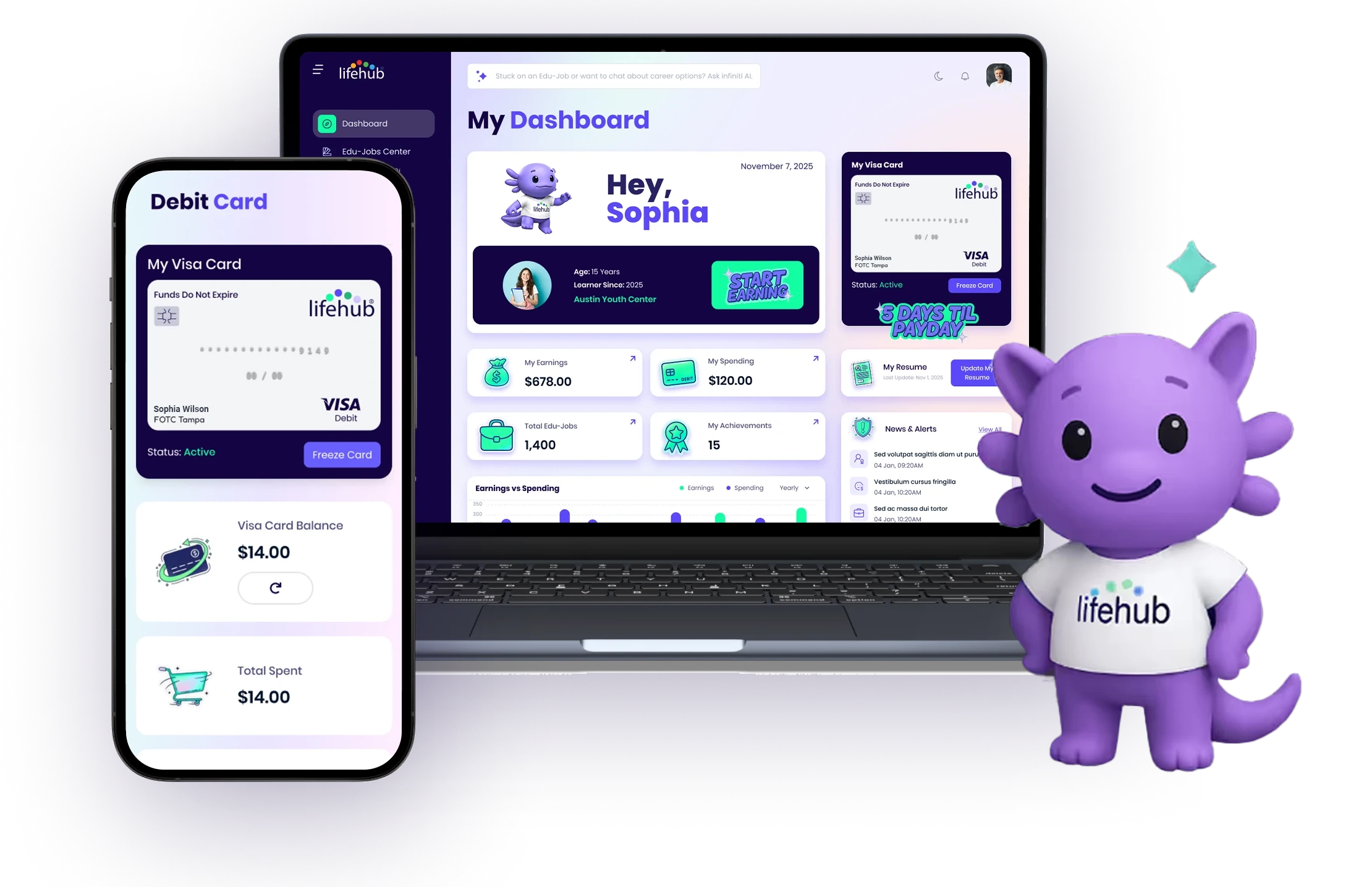
A wealth of resources is available for those looking to deepen their understanding of AI. Platforms like Life Hub offer structured programs and tools designed to make AI concepts relatable and exciting. These platforms can be integral in providing a comprehensive learning experience that extends beyond traditional classrooms, ensuring that each child gains a well-rounded understanding of AI fundamentals. For more insights on AI education, check out AI Education For Kids.
Real-World Applications and Future Readiness
Understanding AI is not just about learning to code; it is about preparing for a future where technology integrates with every aspect of life. Real-world applications of AI in fields like medicine, finance, and environmental science demonstrate its vast potential. For instance, AI plays a crucial role in diagnosing diseases quickly and accurately, as highlighted by innovations in healthcare technology. By learning about these applications, children can envision the future roles they might play in driving technological advancements, making them more adaptable and ready for evolving job markets.
Integrating AI literacy into early education is especially critical as society continues to become more reliant on technology. Creating articles on the importance of AI literacy for kids for their future should emphasize these real-world applications and prepare young learners for the challenges and opportunities that lie ahead.
The Role of AI Literacy in Developing Critical Thinking
AI literacy doesn't merely introduce young minds to the mechanics of technology; it fosters critical thinking, problem-solving, and ethical reasoning. At its core, AI literacy involves understanding not only how artificial intelligence works but also its implications on society. This comprehensive perspective equips students with the ability to make informed decisions in a world increasingly influenced by AI technologies.
One significant advantage of teaching AI literacy is the enhancement of problem-solving skills. Through practical projects—like coding simple algorithms or creating predictive models—students learn to approach problems methodically and creatively. These projects encourage students to hypothesize, test, and iterate, which are crucial processes in both scientific inquiry and everyday decision-making.
Case Studies in AI Education
Several educational programs have successfully integrated AI principles into their curricula, showcasing the tangible benefits of early AI literacy. For instance, programs like AI4K12 in the United States focus on aligning AI education with K-12 standards, promoting a curriculum that spans from basic machine learning concepts to ethical considerations. According to AI4K12's resources, these initiatives help demystify AI, making it accessible and engaging for younger audiences.
A noteworthy example comes from Finland, where an initiative known as the “Elements of AI” course offers introductory training on artificial intelligence principles. By targeting a wide audience, including school-aged children, the course aims to promote digital literacy and prepare individuals for future technological landscapes. This approach highlights the global recognition of the value of AI literacy, setting a precedent for other countries to follow.
Real-World Applications: Preparing for Future Careers
As AI continues to permeate various industries, AI literacy becomes a cornerstone for future career success. Students familiar with AI concepts are better prepared for careers in technology, data science, healthcare, and beyond. For instance, aspiring doctors can use AI tools to analyze complex medical data, improving patient outcomes. Similarly, young entrepreneurs with AI knowledge can innovate in spaces like e-commerce, leveraging AI to optimize consumer experience and operational efficiency.
Furthermore, understanding AI enables children to adapt to the ethical challenges posed by technology. For example, AI literacy fosters awareness of bias in AI systems, prompting students to consider fairness and inclusivity when designing or interacting with these systems. By addressing such issues, students not only become tech-savvy adults but also responsible digital citizens.
Creating articles on the importance of AI literacy for kids for their future is crucial for encouraging educational systems and parents to prioritize this skill set. Educators and policymakers must work collaboratively to ensure that AI education becomes a fundamental part of the curriculum, preparing students for a future where AI is an integral component of their professional and personal lives.
Conclusion: Empowering Our Future with AI Literacy
As we’ve explored throughout this article, AI literacy is becoming a vital skill for children, equipping them for a future that is increasingly intertwined with artificial intelligence. By understanding and engaging with AI from a young age, children are not just passive consumers of technology but active contributors to a world driven by innovation. Such knowledge will arm them with the tools to navigate and shape an AI-rich future effectively.
AI literacy fosters critical thinking, creativity, and problem-solving skills. For example, when kids learn the basics of programming or machine learning, they develop the ability to divide complex problems into manageable pieces, a skill that translates well into any career path they might choose. These skills are not limited to tech sectors; AI literacy benefits fields such as healthcare, finance, and creative industries.
Actionable Steps to Enhance AI Literacy
There are several practical steps that educators and parents can take to enhance a child's AI literacy:
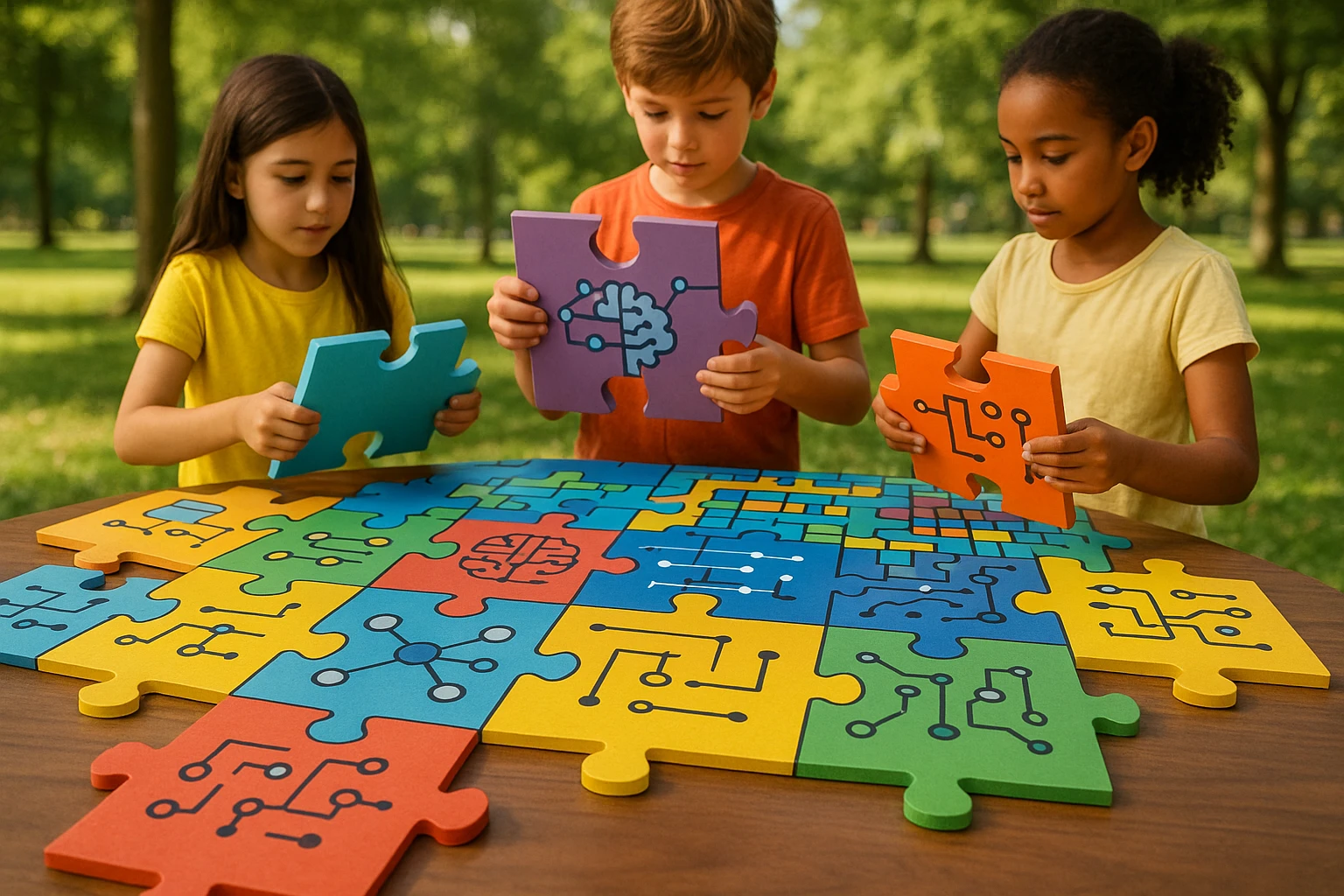
- Incorporate AI concepts into existing curricula, using engaging tools like interactive games, puzzles, and tailored online platforms.
- Encourage participation in coding workshops and AI-focused camps where children can apply and experiment with what they learn.
- Introduce children to real-world applications of AI, such as the smart technologies in their homes, to illustrate AI's everyday impacts.
Investing in AI literacy today means equipping kids with a skill set that promotes adaptability and resilience in an ever-changing tech landscape. According to a report by the World Economic Forum, AI and related technologies are set to transform over 75 million jobs by 2025, emphasizing the importance of preparing children for these shifts (World Economic Forum).
Call to Action
To get started with these strategies, consider using Life Hub for comprehensive support in introducing AI literacy to children. Life Hub offers programs and resources tailored to fostering curiosity and learning in a technologically forward environment. By taking these steps today, we secure not only the future success of our children but also the innovation and progress of society as a whole.


Related Content
Ready to Chat about Life Hub?
Whether you're parents, or a homeschool family, Life Hub is your partner to help you
raise super strong kids.

.svg)

.svg)


.svg)
.svg)

.svg)