AI Literacy Guide: Essential Skills for 2026


Artificial intelligence is reshaping how we live, work, and learn at a pace few could have imagined. From voice assistants to smart appliances, AI is now a part of daily routines.
By 2026, understanding ai literacy will be as vital as reading or math. This guide explores what ai literacy means, why it matters, which skills to master, and how to put them into practice.
Ready to future-proof your knowledge? Dive in to discover the tools, insights, and steps you need to thrive in a world shaped by AI.
What is AI Literacy? Defining the New Essential Skill
Artificial intelligence is now woven into daily routines, from smart speakers to online shopping. This shift makes ai literacy a vital skill for everyone, not just tech professionals. But what does it mean to be literate in AI?

Understanding AI Literacy in the Modern Context
Ai literacy is the ability to understand, use, evaluate, and engage with artificial intelligence in ways that are both informed and ethical. While digital literacy covers skills like using computers and navigating the internet, ai literacy goes further. It asks learners to grasp the basics of how AI works, recognize its strengths and weaknesses, and make thoughtful choices about its use.
There are four main pillars of ai literacy:
- Know & Understand: Learn what AI is and how it functions.
- Use & Apply: Interact with AI tools and apply them to real tasks.
- Evaluate & Create: Assess AI systems for accuracy and fairness, or even build simple models.
- Ethical Awareness: Consider the social, legal, and ethical impacts of AI.
These pillars help distinguish ai literacy from general digital skills. Today, understanding AI is as important as reading, writing, and math.
AI Literacy: From Niche Tech to Everyday Essential
Ai literacy now matters in every field, from business and healthcare to the arts and education. For instance, doctors use AI to help diagnose illness, while artists experiment with AI-generated music and images. Smart devices, chatbots, and translation apps have made AI a daily presence.
Being AI literate means you can adapt to new technology, making you more job-ready and prepared for lifelong learning. In fact, research shows that by 2030, 15% of global working hours may be automated, and 47% of US jobs are at high risk of automation (Manyika et al., 2017). Tools such as the AI literacy measurement framework help assess these skills, showing how crucial they are for both education and the workforce.
Ai literacy is no longer optional. It is a core skill for navigating the future with confidence.
Why AI Literacy Matters for 2026 and Beyond
Artificial intelligence is reshaping the world at a rapid pace. From factories to finance, healthcare to creative arts, nearly every field is feeling the impact. Automation is only one part of the story. New roles are emerging that require skills in working with AI, not just alongside it.
The need for ai literacy has never been clearer. As some jobs change or disappear, others appear that demand a different set of abilities. Those who understand how AI works and can use it wisely will have a clear advantage. Workers who develop ai literacy can move into roles designing, managing, or improving AI systems rather than being replaced by them.
AI is now part of daily routines. Smart home devices, virtual assistants, and even social media feeds use AI to personalize experiences. Without ai literacy, it is easy to miss how these systems shape choices and opinions. Understanding AI helps people make better decisions as consumers and as active citizens.
Education systems are adapting, too. Schools and universities are weaving AI topics into lessons, preparing learners for an AI-driven world. This shift is crucial to closing the digital divide. However, gaps in access and training remain. Societies that promote ai literacy can help everyone, not just a few, benefit from new technology.
Across industries, the demand for AI-literate workers continues to climb. Healthcare professionals now use AI for diagnosis and treatment planning. Financial analysts rely on AI to spot trends and manage risks. Creative fields see AI as a tool for generating new music, art, and stories. Research on ai literacy has surged since 2014, reflecting its rising importance.
For those ready to build their skills, resources like the Knowledge hub for digital skills offer guides and learning paths. By focusing on ai literacy now, individuals, educators, and organizations can prepare for a future where technology and human insight go hand in hand.

Core Components of AI Literacy: Essential Skills to Master
To thrive in a world shaped by artificial intelligence, learners must develop a well-rounded set of AI literacy skills. These core components serve as the foundation for understanding, applying, and evaluating AI, along with recognizing its ethical and social impact.

1. Understanding AI Concepts and Technologies
AI literacy begins with grasping the basics of artificial intelligence. This includes knowing what machine learning, neural networks, and natural language processing are. Learners should recognize how AI systems process inputs, use algorithms, and produce outputs using feedback loops.
A helpful way to compare AI and traditional computing is with a simple table:
| Feature | Traditional Computing | AI Systems |
|---|---|---|
| Logic | Pre-programmed rules | Learns from data |
| Flexibility | Limited | Adapts over time |
| Examples | Calculators, word processors | Chatbots, translation apps |
Real-world applications, like AI-powered translation apps, show how these concepts affect daily life. While public awareness of AI is growing, deep understanding remains low, making this first step in AI literacy essential for everyone.
2. Using and Applying AI Tools
Mastering AI literacy also means being comfortable with AI-powered tools. This involves hands-on experience with apps and platforms that use AI, such as smart assistants, recommendation systems, and visual programming tools.
Beginners can build simple AI models or automate daily tasks using no-code platforms. For example, learners might use AI chatbots for customer support or educational help. To explore more options, you can find a range of AI tools for education that support different learning needs.
Integrating these tools into everyday routines builds confidence and prepares learners for future workplaces where AI is common.
3. Evaluating and Creating with AI
Another key part of AI literacy is learning to critically assess and even design AI systems. This means questioning the outputs of AI tools, recognizing their limitations, and understanding where bias may occur.
Learners should practice:
- Checking the accuracy of AI-generated results
- Identifying potential biases in data
- Evaluating the fairness of AI-driven decisions
Creating with AI can be as simple as customizing a chatbot for a specific task or designing a small recommendation system. By evaluating and creating, learners become more active participants in the AI ecosystem.
4. Ethical, Social, and Legal Considerations
Finally, responsible AI literacy includes understanding the ethical, social, and legal issues tied to AI use. This covers awareness of algorithmic bias, privacy concerns, and the need for responsible data handling.
Social responsibility means thinking about how AI impacts different groups and striving for inclusion and fairness. For example, ethical dilemmas can arise in facial recognition or AI-powered surveillance, where privacy and bias must be carefully managed.
By considering these factors, learners can use AI thoughtfully and contribute to a more equitable technology landscape.
Real-World Applications: AI Literacy in Action
Artificial intelligence is no longer just a buzzword. AI literacy is shaping how learners, workers, and citizens interact with the world. Understanding these real-world applications highlights why ai literacy is essential for everyone.

AI in Education, Work, and Everyday Life
In schools, ai literacy is transforming how learners engage with subjects. Adaptive learning platforms adjust lessons to each learner's pace. Automated grading tools save teachers time and offer instant feedback. Personalized AI tutors help close learning gaps. Many districts are taking action through Schools and districts AI programs, bringing hands-on ai literacy experiences into K-12 classrooms and STEAM curricula.
At work, ai literacy is a must for adapting to new tasks. AI-driven automation handles repetitive duties, letting people focus on creative or complex work. Decision support tools help teams analyze data and predict trends. New job roles, like AI ethicists and machine learning trainers, are opening up. In fact, over 160 million women may need to transition to higher-skilled positions as AI reshapes industries.
In everyday life, ai literacy affects how we use technology. Smart assistants answer questions and manage schedules. Health monitoring apps track wellness and alert users to changes. AI-powered shopping tools recommend products and compare prices. Even simple tasks, like translating a menu on vacation, now rely on AI-driven translation apps, making communication more accessible.
Impact on Creative Industries
Creative fields are also experiencing change thanks to ai literacy. AI can generate music, craft digital artwork, and help writers brainstorm ideas. Musicians use AI to remix songs or suggest melodies. Designers create new visuals with AI-powered tools. These applications show how ai literacy supports innovation and creativity in unexpected ways.
- AI-generated art platforms
- Music composition assistants
- Automated video editing tools
Societal Benefits and Global Connectivity
The wider impact of ai literacy goes beyond individual skills. Societies benefit from improved efficiency and smarter resource use. AI enables better healthcare, supports accessibility for people with disabilities, and bridges language gaps. Global connectivity grows as more people gain the skills to use and shape AI responsibly. As ai literacy becomes a core skill, it opens opportunities and helps keep communities informed and engaged.
Building AI Literacy: Practical Steps for Learners, Educators, and Organizations
Becoming confident with ai literacy takes small, steady steps. Whether you are a learner, educator, or part of an organization, these practical actions can help you build a strong foundation.
1. Start with the basics
Begin by exploring foundational concepts. Learn what artificial intelligence means, how it works, and where you find it in daily life. Many free online resources and beginner courses explain the core ideas behind ai literacy using simple examples.
2. Use AI tools in real life
Try out AI-powered apps for note-taking, language translation, or creativity. Educators can experiment with classroom tools like smart grading or adaptive learning platforms. For a deeper look at teachers’ experiences and confidence with these tools, see this Teachers' AI tool usage study.
3. Get hands-on with projects
Build a simple chatbot or use no-code platforms to create your own AI-powered mini project. Gamified activities and playful challenges make learning about ai literacy engaging for all ages.
4. Join AI literacy programs or workshops
Look for community events, online meetups, or school programs that teach practical AI skills. Many organizations now offer workshops designed for different skill levels.
5. Stay updated on ethics and trends
Keep learning about ethical AI practices. Discuss topics like bias, privacy, and fairness with peers. This step is key to developing responsible ai literacy and making informed choices.
6. Collaborate and reflect
Work with others to solve real-world problems using AI. Share feedback, ask questions, and reflect on what you have learned. This builds confidence and deeper understanding.
Resources and Support
Accessible resources are vital for building ai literacy. Free online toolkits, open courses, and community initiatives make it easier to get started. Universities are also increasing their focus on this skill, as shown in research comparing AI literacy in higher education across countries.
Schools are now using playful, hands-on experiences to teach ai literacy, helping learners build critical skills for a changing world. As more organizations and educators adopt these approaches, the path to ai literacy is becoming more inclusive and practical.
Navigating AI Ethics: Responsible Use and Social Impact
Artificial intelligence is shaping how we live, learn, and work. As ai literacy becomes a core skill, understanding AI ethics is more important than ever. Every learner, educator, and organization should recognize that responsible use of AI goes beyond technical skills. It means thinking deeply about how AI affects people, communities, and the world.
The Importance of AI Ethics in AI Literacy
AI systems are used in decision-making, hiring, healthcare, and education. These systems can impact lives in ways both big and small. That is why ai literacy must include a focus on ethics.
Key ethical concerns include:
- Algorithmic bias: AI may reflect or amplify unfairness present in training data.
- Discrimination: Automated systems can unintentionally favor or penalize certain groups.
- Lack of transparency: Many AI models are hard to interpret, making it difficult to understand their decisions.
Accountability is essential. Developers, organizations, and even users all share responsibility for how AI is used. When accountability is missing, AI can cause harm. For example, a developer’s lack of oversight can lead to biased hiring tools or unfair loan approvals.
Privacy is another central concern. AI often uses large data sets, some of which may include sensitive information. Protecting this data is vital to prevent misuse or breaches.
Teaching Responsible AI and Social Impact
Teaching ethical AI is a growing field. It is not enough to know how AI works. Learners need to understand its impact on society and how to use it responsibly. Embedding social responsibility and diversity into ai literacy programs helps future leaders make thoughtful choices.
Legal frameworks and guidelines exist to support responsible AI use. These include privacy laws and industry standards. Still, few studies offer comprehensive ways to teach or measure AI ethics in education. A recent AI ethics literacy framework helps address this gap, offering tools for educators to foster ethical thinking in learners.
Societal inclusion is also key. Everyone should have access to ai literacy programs, regardless of background. Some schools and universities now teach AI ethics as part of the curriculum. These modules help learners see both the benefits and risks of AI in real life.
Ethical, social, and governance aspects are now part of many organizations’ approach to technology. For more on responsible use, see Ethical AI and responsible use.
By building ai literacy with a strong ethical foundation, we can help shape a future where AI benefits everyone.
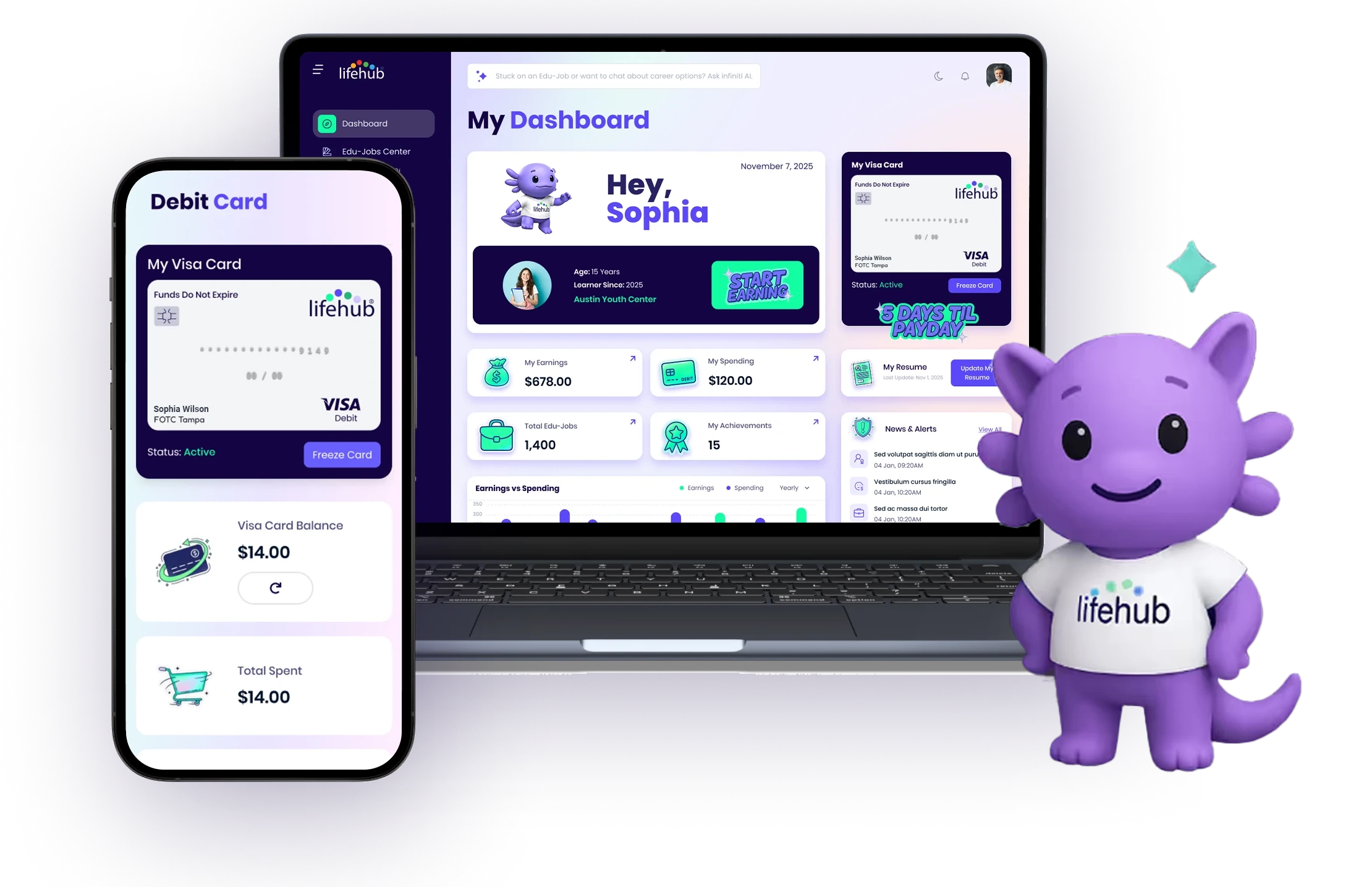
If you’re inspired to help a learner build real AI skills and confidence through hands-on experience, you’re not alone. We all know how important it is to connect learning with real-life practice—especially when it comes to something as big as AI. With Life Hub, learners can try paid micro-tasks that build not just AI literacy, but also money management, career know-how, and practical life skills. It’s a great way for kids and families to see how effort can lead to real growth.


Related Content
Ready to Chat about Life Hub?
Whether you're parents, or a homeschool family, Life Hub is your partner to help you
raise super strong kids.

.svg)

.svg)


.svg)
.svg)

.svg)