The World is Changing Overnight: Redefining Education for an AI-Driven Economy


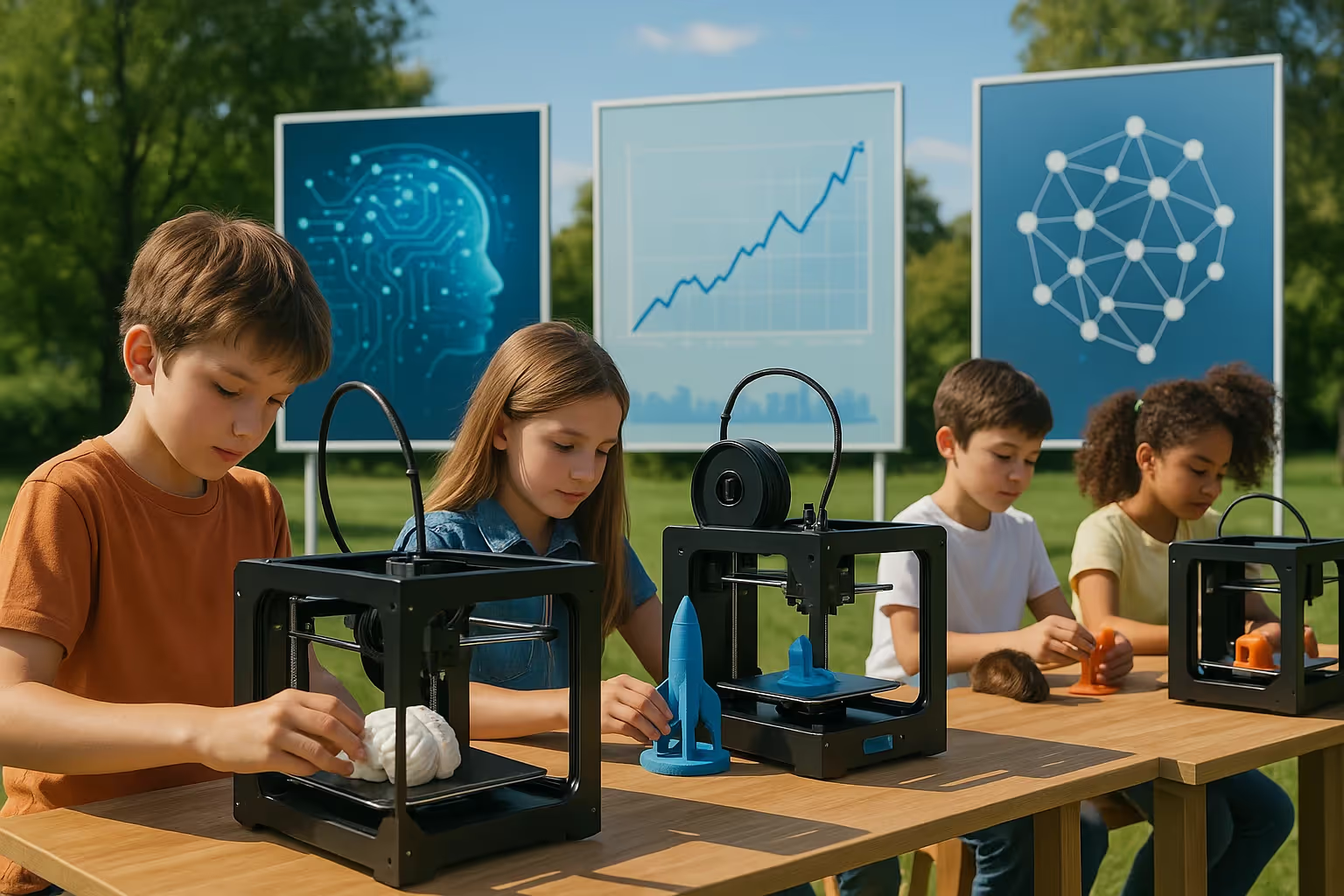

The AI Revolution: Changing Life, Work, and Education
In the blink of an eye, artificial intelligence (AI) has become an integral part of our lives, reshaping industries, careers, and the very fabric of society. This rapid transformation is altering how we perceive work and interact in our daily lives. As AI technologies evolve, they bring both opportunities and uncertainties to the forefront, making it crucial for our educational systems to adapt. Traditional educational frameworks, designed for a bygone era, must pivot to ensure that children not only adopt but thrive in this new reality.
The dynamism of AI is evident across various sectors. For instance, in healthcare, AI is revolutionizing diagnostics and patient care by enabling faster and more accurate analyses. Similarly, in the financial sector, AI-driven algorithms are optimizing trading strategies and risk management. These innovations demand a workforce equipped with skills that go beyond traditional learning. Schools must now emphasize adaptability, AI literacy, and creativity to match the pace of technological advancement 21st Century Learning Skills.
However, the shift isn't just about the jobs themselves. It's about how individuals interact with technology in their personal lives. Smart homes, virtual assistants, and automated services are becoming the norm, requiring people to be comfortable and efficient in a tech-driven environment. Education must therefore integrate technology seamlessly into learning, preparing students to navigate and leverage these tools effectively in their personal and professional lives.
Children need to be prepared for a world where career paths are no longer linear. Lifelong learning and continuous skill development are becoming essential as AI and automation redefine career trajectories. According to a report by the McKinsey Global Institute, by 2030, between 75 and 375 million people may need to switch occupational categories due to automation and a rapidly changing job market (McKinsey).
To meet these challenges, educational institutions must foster environments that encourage critical thinking, problem-solving, and creativity. AI-driven platforms like Life Hub are at the forefront of this educational revolution, equipping young minds with skills that are not only relevant today but resilient for the future. It's a bold step to ensure that children are ready to embrace and succeed in an AI-empowered economy, building their confidence to face an unpredictable future.
Embracing Change through Innovative Education
The current educational landscape is undergoing a transformative shift due to rapid advancements in artificial intelligence. The traditional model, focused primarily on rote learning and standardized testing, is increasingly inadequate for preparing students for a future where AI reigns supreme. Leading educators are reimagining curriculums to incorporate AI literacy and digital skills, vital for thriving in the modern economy. According to the AI Curriculum, these changes are necessary to foster an environment that encourages creativity and critical thinking.
Practical Applications of AI in Education
AI's integration into education is not merely theoretical; it has real-world applications that significantly enhance the learning experience. Personalized learning algorithms, for instance, adapt to each student's pace and learning style, ensuring that no child is left behind. Schools adopting these intelligent systems report improved engagement and understanding among students. For example, AI-driven platforms can analyze a student's weak spots in math and provide targeted exercises, turning potential struggles into empowering learning moments.
Preparing Students for AI-Impacted Careers
With AI fundamentally altering job descriptions and industry demands, students need to be equipped with skills that extend beyond academic knowledge. As careers evolve due to AI, the ability to adapt quickly becomes crucial. Educational institutions must place a greater emphasis on teaching adaptability, problem-solving, and digital competency to ensure children can seize opportunities in AI-influenced industries. These skills are poised to be indispensable, as more roles require an understanding of AI technology either directly or indirectly.
The Role of Educators and Parents
Educators and parents are pivotal in preparing children for success in a world dominated by AI. Teachers must act as facilitators of learning, guiding students through a curriculum that nurtures both technical and soft skills. Meanwhile, parents can support this educational journey by encouraging curiosity and resilience at home. By laying a strong foundation, children will develop into confident, knowledgeable individuals ready to tackle future challenges.
As we stand on the brink of this educational revolution, it's clear that a proactive approach is necessary. Embracing the opportunities presented by AI in education will not only prepare children for the workforce but also empower them to be leaders in an unpredictable world. For additional insights on AI literacy, visit AI Education For Kids.
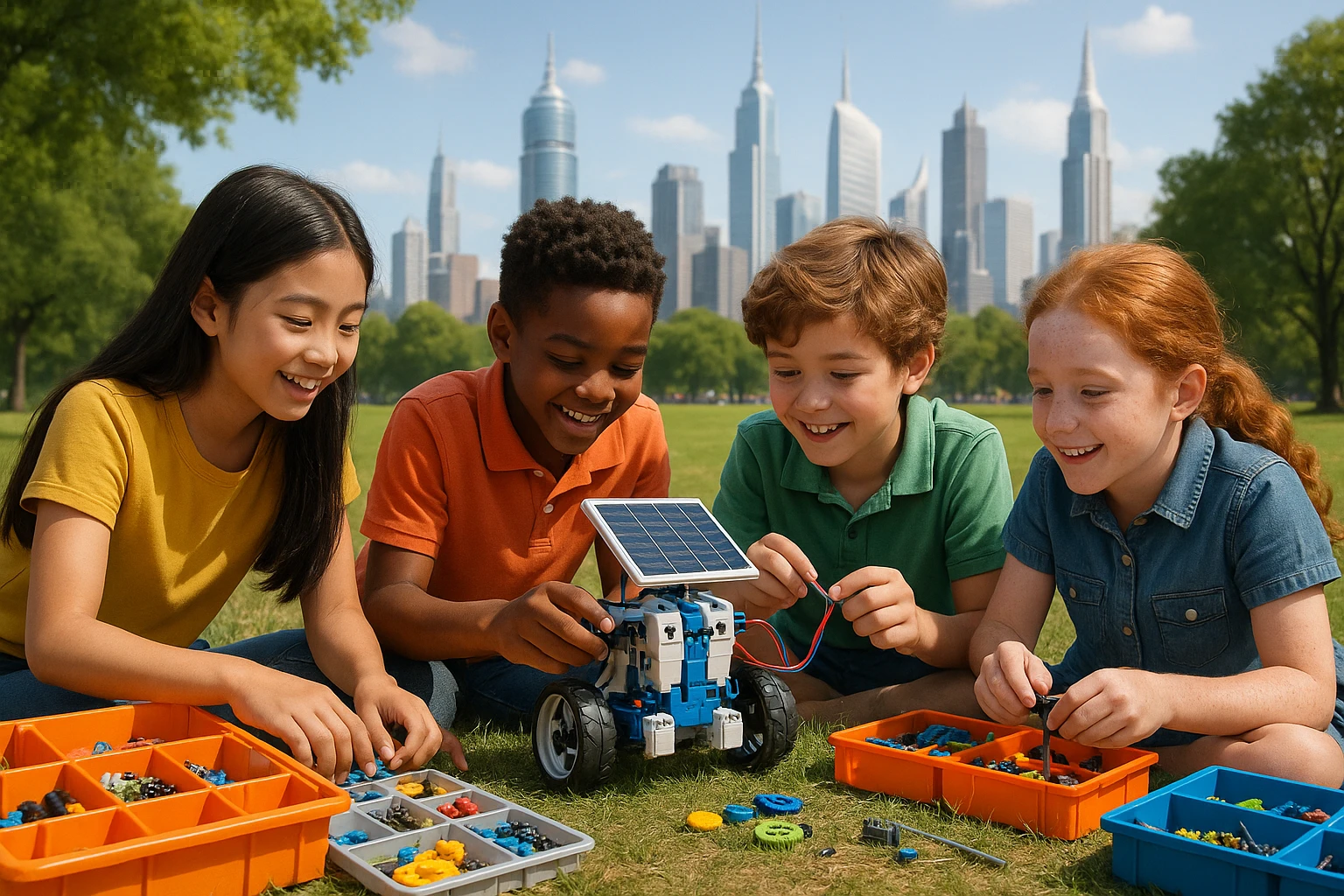
Navigating the New Educational Horizon
The rapid integration of AI into various sectors is not just a fleeting trend but a paradigm shift that fundamentally alters how work and careers function. To keep pace, education systems must evolve accordingly. The traditional model of rote learning and standardized testing may not equip our children with the skills necessary to excel in a world increasingly dominated by artificial intelligence.
A Shift Towards Skill-Based Learning
In today's world, where AI-driven workplace changes are the norm, education must place a greater emphasis on developing critical skills such as AI literacy, problem-solving, and adaptability. This approach facilitates a deeper understanding of how AI influences current and future career landscapes. For instance, incorporating coding and data analytics into the curriculum can prepare students for emerging roles in tech-savvy industries.
Adapting Pedagogy to Technological Advancements
To truly prepare students for the future, educators must employ teaching methods that are synchronous with technological advancements. This is where platforms like Life Hub prove invaluable. By embedding AI into educational frameworks, Life Hub offers an adaptive learning environment that responds to real-time changes in industry needs. Such integration ensures that students are not just passive recipients of knowledge but active participants in learning that is relevant and applicable.
Experiential Learning and Financial Literacy
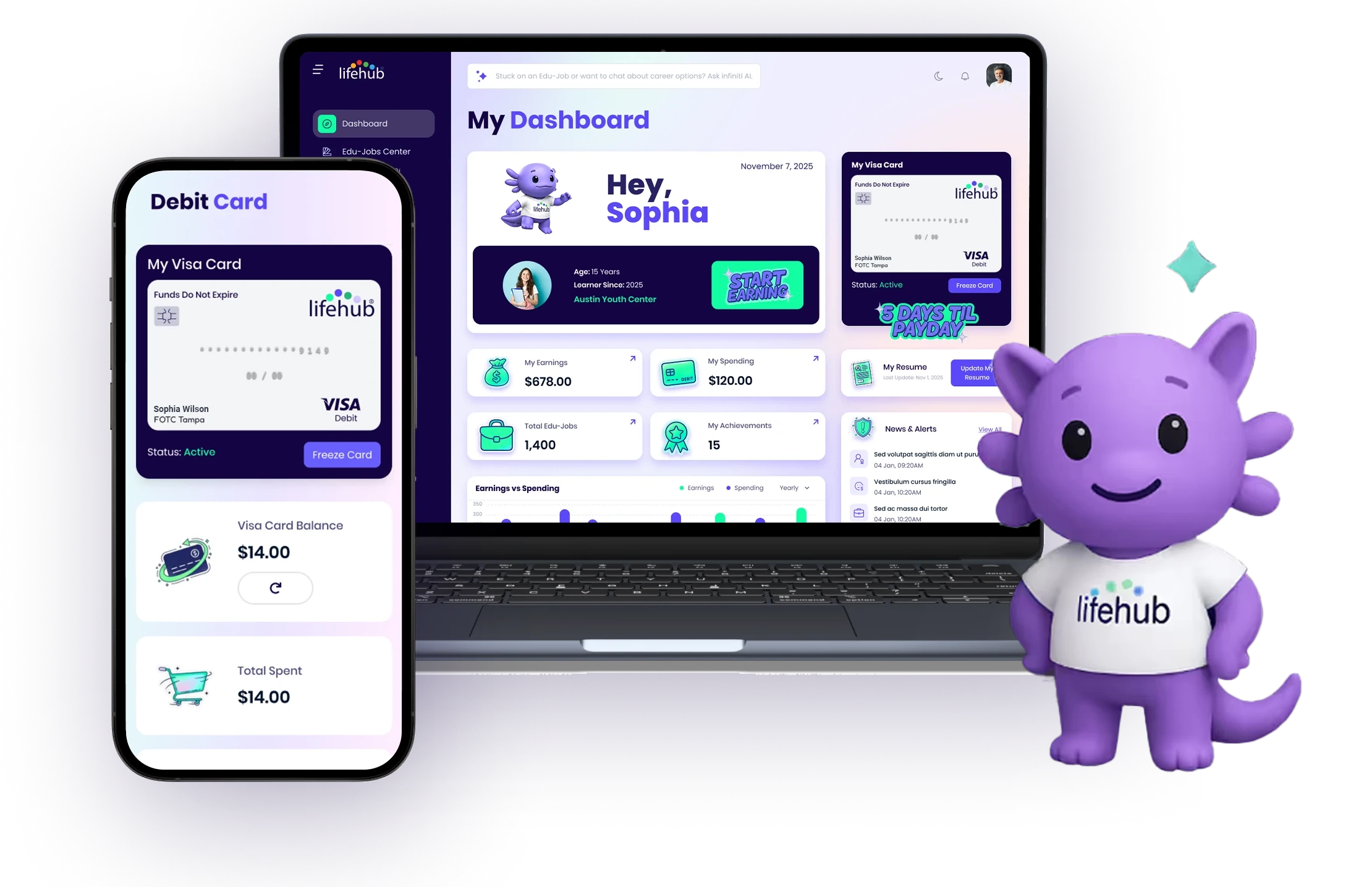
As AI redefines industries, financial literacy becomes a crucial competency. Students must learn not just to earn but to manage finances effectively in the digital economy. Life Hub's approach of rewarding effort with tangible value—through partnerships with companies like Visa—bridges the gap between learning and real-world application. This innovative strategy cultivates an understanding of practical financial management, essential for success in an AI-driven economy.
By reimagining education to include experiential learning and technology-powered adaptability, we prepare our children to not only survive but thrive in a transformed economic landscape. The key lies in integrating AI literacy and skill-centric curricula into our schools, ensuring that education keeps pace with the rapidly evolving demands of the digital age.
Embracing Technological Advancements in Education
In the evolving landscape shaped by AI, integrating technology into education is no longer optional but essential. Schools must transition from traditional methods to dynamic, tech-enabled platforms that prepare students for future careers. Life Hub embodies this shift by offering a personalized learning experience powered by AI. This approach helps students grasp complex concepts in a more intuitive way, fostering deeper understanding and engagement.
Personalized Learning with AI
The ability to tailor educational content to each learner's needs is a game-changer. AI can assess a student's strengths and weaknesses, adjusting the curriculum in real-time to provide a customized learning trajectory. According to EdTech Magazine, this personalization boosts student engagement and achievement, as AI-based systems adapt to how each student learns best.
Gamification: Learning Made Fun and Effective
Motivating students in today’s digital-savvy world requires innovative methods. Gamification, enabled by AI, creates a more engaging learning environment. By incorporating elements such as challenges and rewards into educational content, gamification keeps students motivated. Programs like Life Hub’s workflow provide immediate feedback and tangible rewards, ensuring that learning remains a stimulating and rewarding process.
Collaborative Learning Environments
AI also plays a significant role in fostering collaboration among students. By leveraging AI tools, students can work on projects collectively, even from remote locations. These platforms teach essential teamwork and communication skills, which are crucial in modern workplaces. A report by Brookings Institution highlights the importance of collaborative learning facilitated by digital tools, emphasizing how it prepares students for the interconnected future of work.
Preparing Students for AI-Driven Careers
As AI reshapes various industries, equipping students with AI literacy and tech skills becomes paramount. Life Hub offers courses that integrate AI into real-world problem-solving, preparing students to use technology effectively in their future careers. This preparation is vital for students to thrive in a rapidly changing job market, ensuring they can adapt to any career path they choose.
With the world evolving at lightning speed, education systems must keep pace. By integrating AI into schooling, we’re not just teaching students academic subjects; we're equipping them with the skills needed to succeed in a transformative economy.

Conclusion: Navigating the Future with Confidence
The rapid advancements in AI are reshaping the landscape of life, work, and careers. To ensure our children can adapt and succeed in the new economy, it's imperative that education evolves alongside these changes. The world is changing overnight, and the way we educate children must too.
Kids today require more than just the traditional curriculum. They need skills that are immediately applicable to the real world, like AI literacy and financial mastery. The Life Hub is at the forefront of this educational transformation, equipping young learners with the tools they need to thrive.
Actionable Steps for Parents and Educators:
- Integrate AI Learning: Introduce AI concepts and technologies early in the child's educational journey.
- Focus on Financial Literacy: Teach practical financial skills that promote financial independence and responsibility.
- Encourage Critical Thinking: Foster an environment where problem-solving and critical analysis are part of everyday learning.
By embracing these strategies, we prepare our children not just for survival but for success in a future dominated by artificial intelligence. Schools, parents, and corporate partners must work hand-in-hand to build an adaptable, resilient, and knowledgeable generation.
A Call to Action:
The transition to a future-ready educational model is not only necessary but urgent. Start this journey by exploring resources like Life Hub that are dedicated to crafting a learning experience aligned with the realities of tomorrow's economy. Partner with platforms that prioritize the skills that matter most in a world where AI is rewriting the rules.
Children equipped with the right tools and mindset through innovative educational ecosystems will have the confidence to navigate and excel in the ever-evolving landscape of modern careers and lifestyles. Let us seize this opportunity to mold a generation ready for whatever the future holds.


Related Content
Ready to Chat about Life Hub?
Whether you're parents, or a homeschool family, Life Hub is your partner to help you
raise super strong kids.

.svg)

.svg)


.svg)
.svg)

.svg)