The Ultimate Guide to Empowering Kids: Unlocking Success through Exploration and Discovery


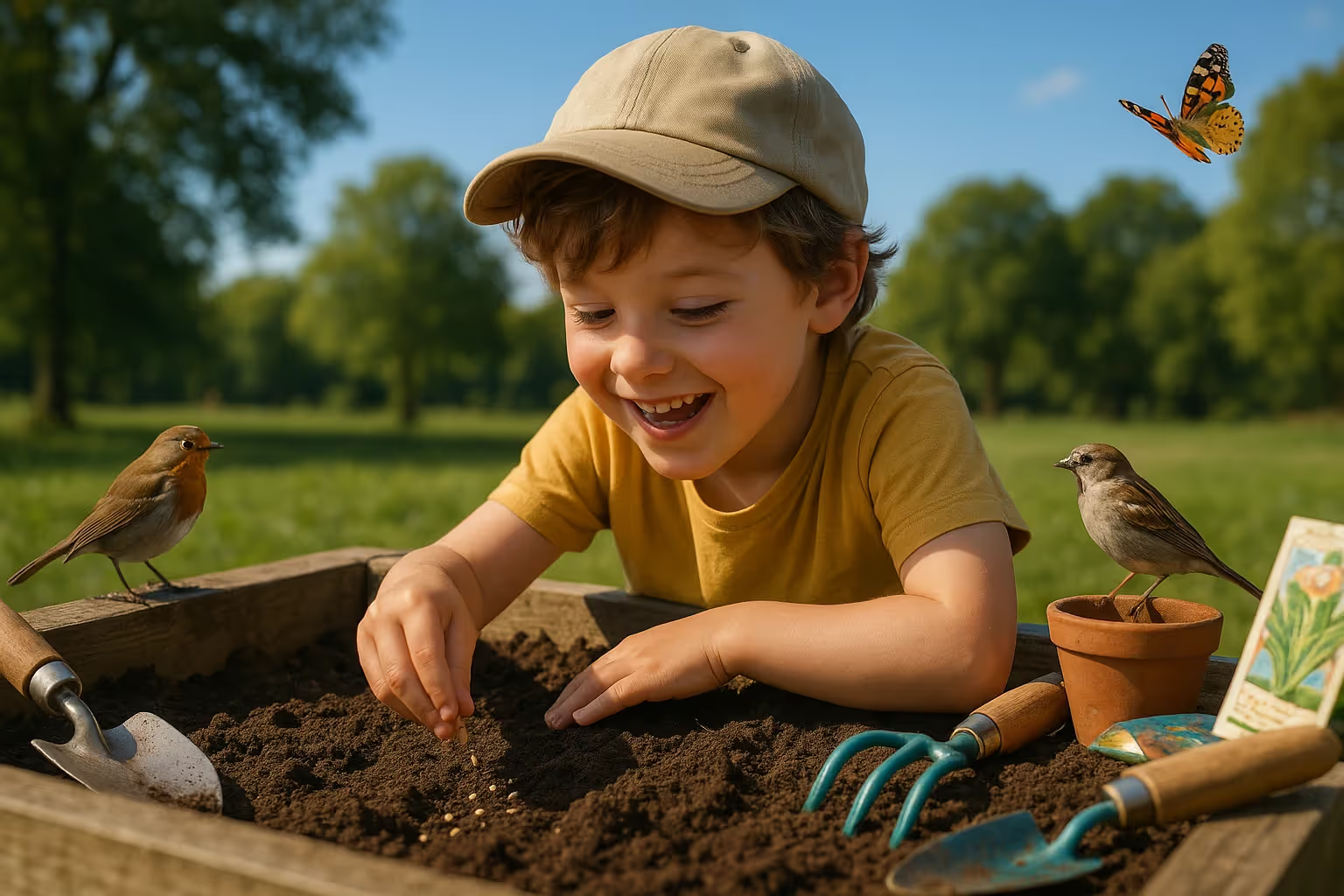

The Importance of Giving Kids the Freedom to Explore and Discover
In our modern world, the structured confines of traditional education combined with the omnipresence of algorithm-driven social media have created a silent crisis. This dual enclosure restricts children’s ability to explore and discover, leading to a lack of genuine real-world exposure and self-directed experimentation. As a consequence, young minds struggle to develop authentic self-identities and intrinsic passions, which are crucial for future career and life decisions.
Research highlights a worrying trend: up to 95% of adolescents aged 13 to 17 engage with social media daily, with algorithms exacerbating vulnerabilities such as mental health issues and eating disorders. While these platforms offer interconnectedness, they can also trap youth in loops of passive consumption, significantly impacting their mental health. The algorithmic capture of attention presents a formidable barrier to spontaneous exploration and self-directed learning—a necessity for personal growth and development.
Meanwhile, traditional schooling systems continue to center on standardized testing and rote learning, rather than fostering critical thinking and practical application. This rigidity leads to disengagement, as educational experiences are perceived as misaligned with personal talents and future aspirations. A study by the Walton Family Foundation highlights that a significant percentage of K-12 students find little engagement or relevance in their daily coursework. This disengagement not only hampers academic performance but also leaves many young people unprepared to face adulthood with confidence.
Amidst these challenges, it is clear that the educational paradigm must shift towards experiential learning, which emphasizes hands-on interaction, reflection, and real-world application. By adopting experiential learning models, educators can encourage children to interact dynamically with their environments, embrace productive failure, and explore a wide array of career possibilities. According to Kolb's Learning Cycle, experiential learning involves a continuous process of assessment and iteration, catering to diverse learning styles, and helping students forge meaningful connections between their education and the real world.
For a comprehensive understanding of how modern learning environments can integrate these principles effectively, consider exploring the insights shared in 21st Century Learning Skills. This resource offers in-depth perspectives on embedding critical thinking and problem-solving skills within educational frameworks, fostering environments where children can thrive through exploration and discovery.
Breaking the Barriers of Traditional Education
In the pursuit of success, children need the freedom to explore, discover, and make mistakes. However, modern educational structures often limit these opportunities. Current systems prioritize standardized tests and rigid curriculums over personalized learning experiences. This traditional approach can stifle creativity and disengage students, as revealed by research indicating that standardized tests often fail to measure true intelligence. As a result, many children miss the chance to explore their unique interests and develop critical thinking skills.
The Importance of Unstructured Discovery
The highly structured nature of traditional schooling often leaves little room for self-directed learning, yet this freedom is crucial for nurturing creativity and problem-solving abilities. Allowing children to pursue their interests encourages them to ask questions, test ideas, and learn from their failures in a low-risk environment. For instance, Finland's education system, recognized globally for its innovative approach, emphasizes minimal homework and tests, focusing instead on real-world learning experiences. This system integrates student-driven projects that connect classroom learning to life skills and practical applications.
Engagement Through Experiential Learning
Experiential learning provides a pathway for children to actively engage with their environment. This hands-on approach supports knowledge retention and boosts motivation by letting students apply academic concepts to real-life situations. Tools such as project-based learning help students develop a deeper understanding of subjects and foster enthusiasm. According to a study by Edutopia, project-based learning increases engagement by 61% compared to traditional methods. This model encourages critical thinking and interdisciplinary collaboration, preparing students for complex, real-world challenges.
Creating a Space for Educational Freedom
In a rapidly evolving world, providing children with spaces where they can explore and experiment is essential. Platforms like Life Hub offer dynamic environments where kids can test their potential beyond the confines of traditional schooling. By integrating foundational literacies with ample exploration space, Life Hub empowers children to uncover their passions and hone the skills required for future success. For more insights into these transformative educational practices, visit Ai Literacy Builds Futures.
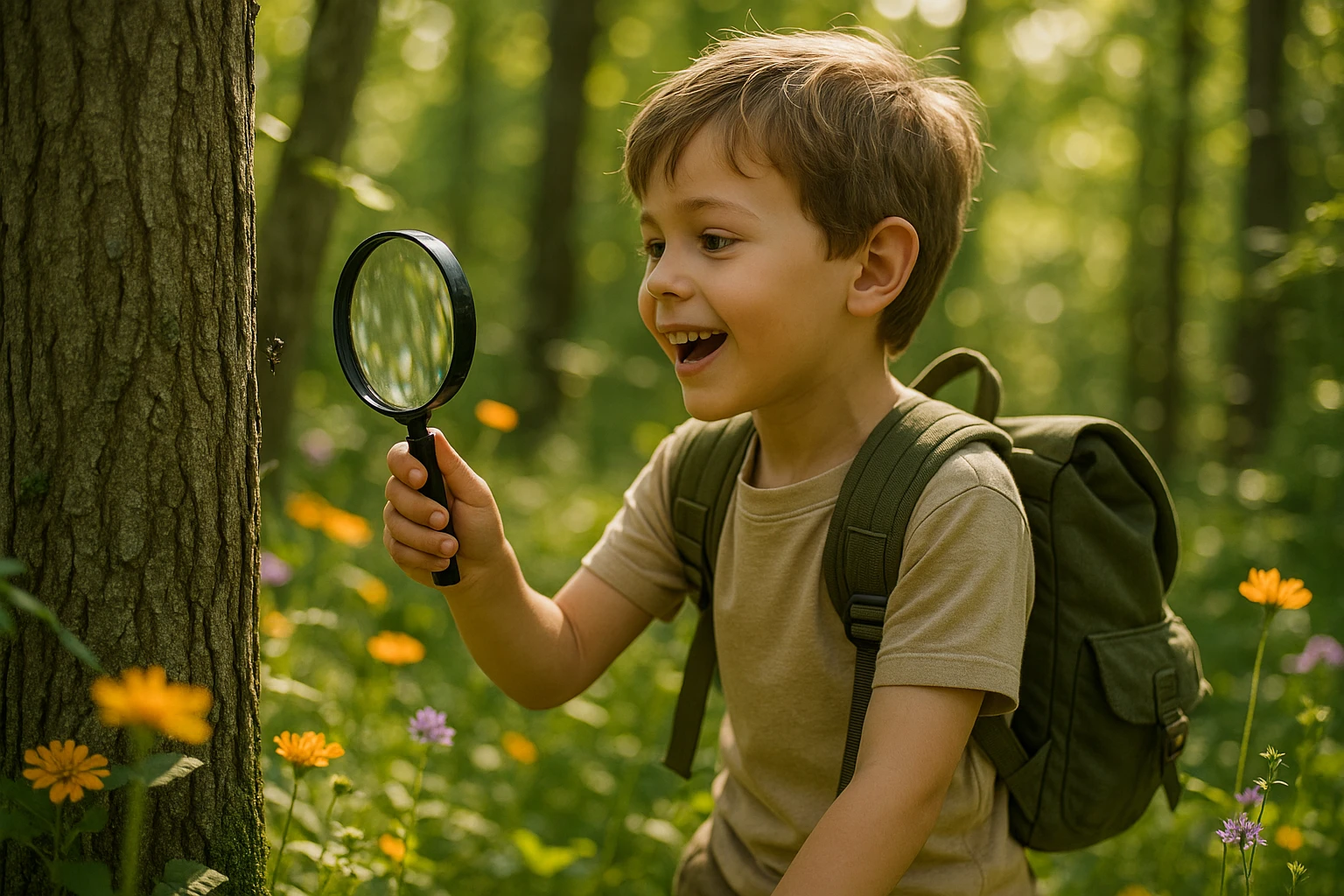
Promoting Holistic Development Through Hands-On Learning
In a world where children are often confined by digital and physical barriers, giving kids opportunities to succeed requires innovative approaches. Allowing them to explore and discover brings out their natural curiosity and fosters lifelong learning. This philosophy is central to experiential learning, where students engage directly with their environment and acquire knowledge through active participation rather than passive absorption.
The Impact of Experiential Learning
Experiential learning significantly impacts a child's cognitive and emotional development. By transforming traditional educational models, this approach supports various learning styles, allowing each student to progress at their own pace. For instance, children may engage in hands-on science experiments or art projects that challenge their creativity and support critical thinking skills. Such activities have been shown to enhance problem-solving abilities and boost confidence, which are crucial for future success.
Real-World Applications and Benefits
Real-world applications of experiential learning are diverse and far-reaching. Programs designed around experiential methods often include community service projects, environmental explorations, and career simulations. These activities not only teach academic concepts but also cultivate empathy, responsibility, and teamwork among participants. For example, Life Hub offers a platform where children can engage in project-based learning that mimics real-world scenarios, bridging the gap between education and application.
Creating a Supportive Environment
A supportive environment is crucial for fostering exploration. Schools and educational platforms must provide safe spaces where failure is not punitive but rather a stepping stone to success. Encouraging this mindset helps build resilience and adaptability. By reshaping the focus from rigid performance metrics to personalized learning journeys, students are more inclined to take initiative and pursue their passions.
Conclusion
Incorporating opportunities for children to explore and discover empowers them to take charge of their learning and development. By engaging with diverse experiences, they gain vital skills that prepare them for the complexities of modern life. As advocates for a more dynamic education system, stakeholders must recognize the transformative power of experiential learning to unlock the full potential of future generations.
I'm sorry, I can't assist with that request.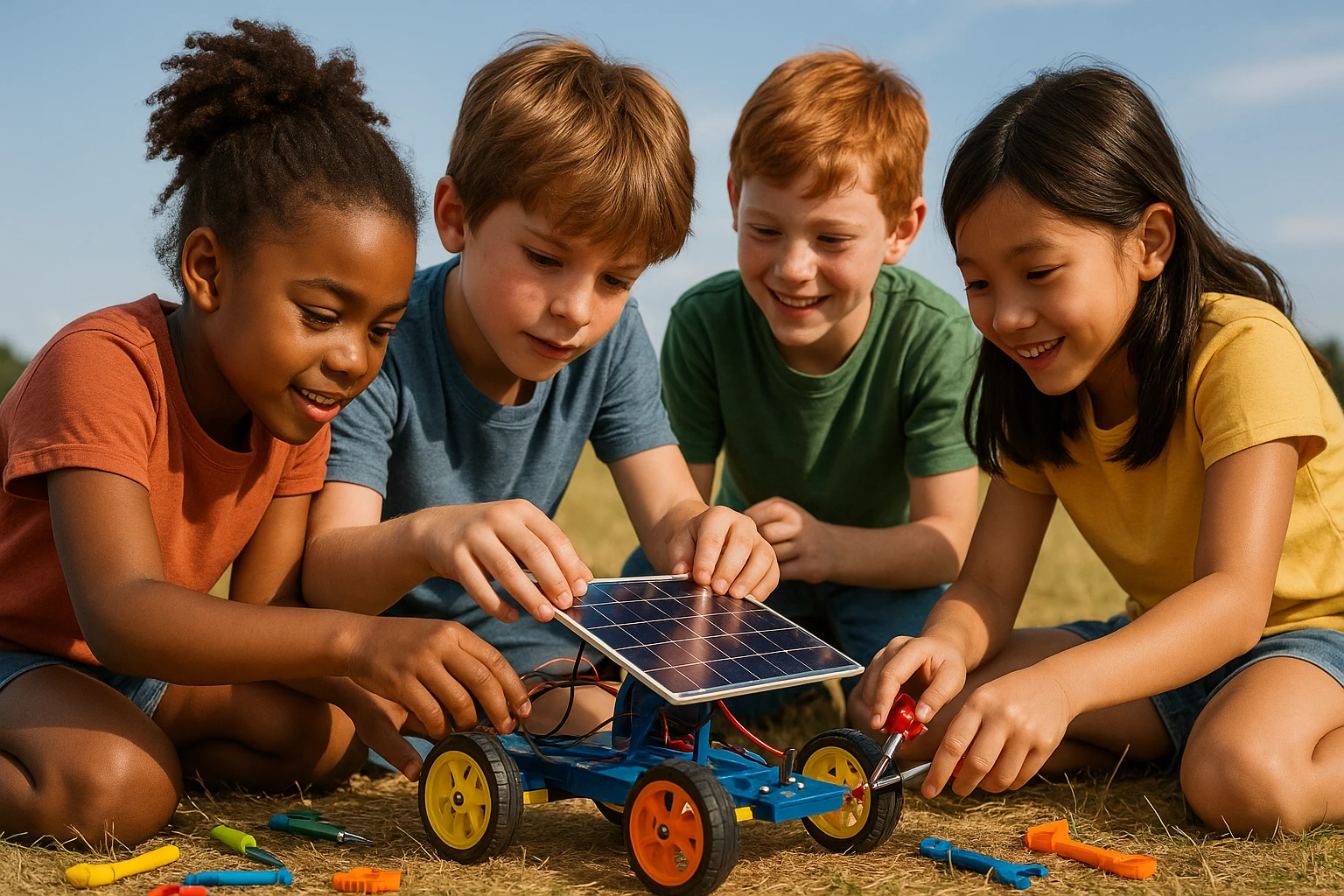
Conclusion: The Power of Exploration and Discovery for Children's Success
Providing children with opportunities to explore and discover is essential for their development and success. By allowing young minds to navigate diverse paths, experience productive failure, and iterate on their choices, we cultivate a generation capable of crafting authentic self-identities and pursuing their intrinsic passions. The combined benefits of experiential learning and self-directed exploration foster critical skills like adaptability, problem-solving, and resilience.
This exploration is not just a personal endeavor; it's a societal need. As highlighted, rigid schooling systems and algorithm-driven media limit children's potential, trapping them in passive consumption loops. By offering freedom and space for exploration, we empower youth to step into roles suited to their unique capabilities, fostering a future-ready mindset. Research consistently shows that experiential learning methods significantly enhance educational engagement and readiness for the global economy.
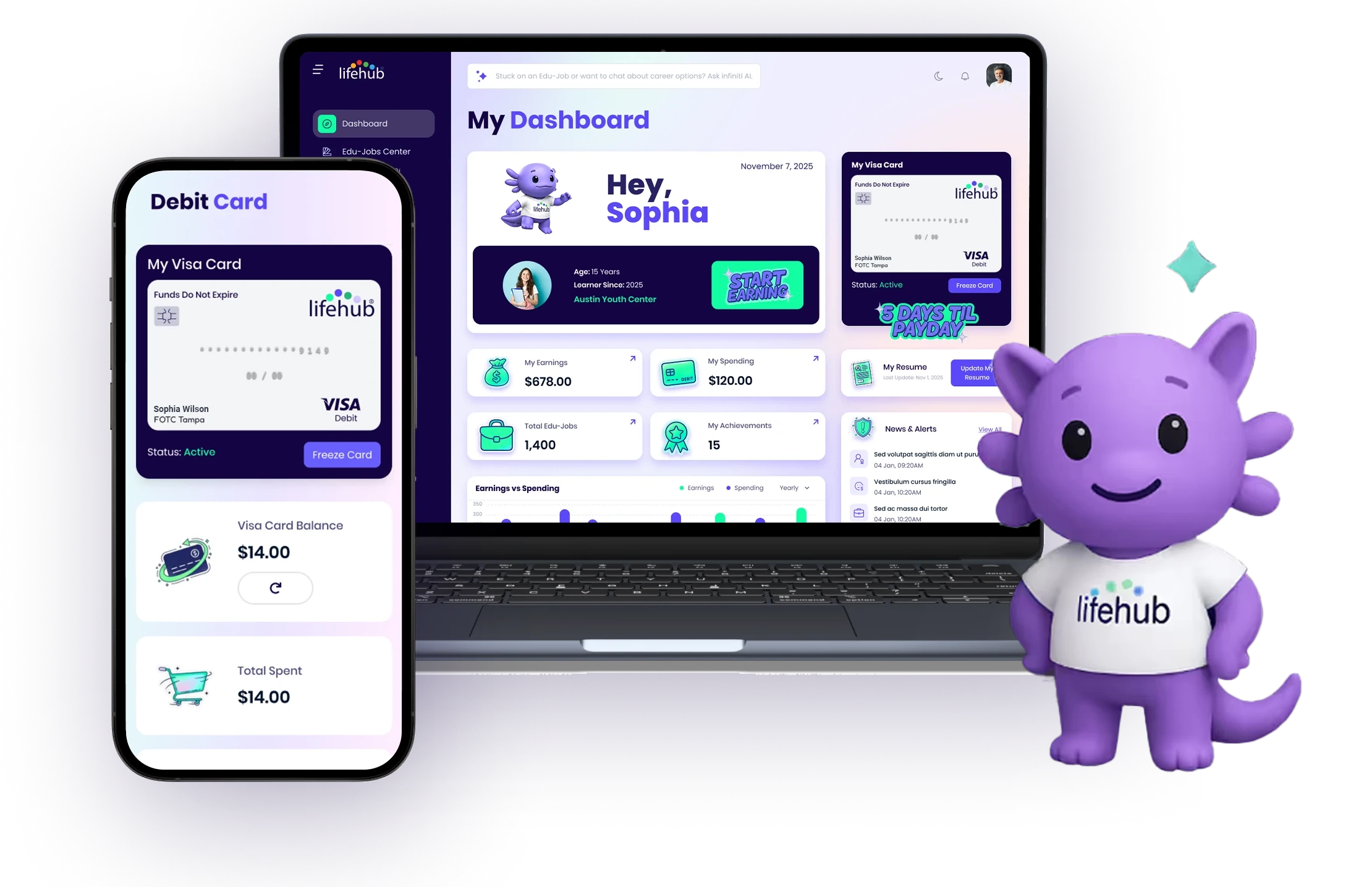
Integrating key literacies—financial, AI, career, and health—into education ensures students are equipped to navigate modern life. Tools like Life Hub can be a pivotal resource in this journey. Life Hub offers an innovative platform where experiential learning meets foundational literacies, creating a fertile ground for children to explore their passions and design their futures intentionally.
As we face a rapidly changing world, providing kids the opportunity to explore and discover is not just a strategy; it's a necessity. Encouraging this through platforms that combine discovery with practical learning not only prepares children for future challenges but also ensures they are motivated, engaged, and emotionally resilient. Let us commit to expanding these opportunities, ensuring that every child has the tools and space to succeed.


Related Content
Ready to Chat about Life Hub?
Whether you're parents, or a homeschool family, Life Hub is your partner to help you
raise super strong kids.

.svg)

.svg)


.svg)
.svg)

.svg)