The Secret Triad of Wealth: Empowering Youth with Action, Behavior, and Knowledge




The Secret Triad of Wealth: Transforming Youth Financial Capability
The path to genuine financial capability is not paved with traditional educational methods. Standard financial literacy programs often fail because they treat money like an abstract concept, similar to a history lesson. But what if we taught children to see money as a dynamic, real-world tool? In the rapidly evolving economic landscape, traditional curriculums lag behind, focusing more on the definitions of terms like inflation and banking than on practical application. The key to reshaping financial understanding lies in viewing wealth through the triad of Action, Behavior, and Knowledge.
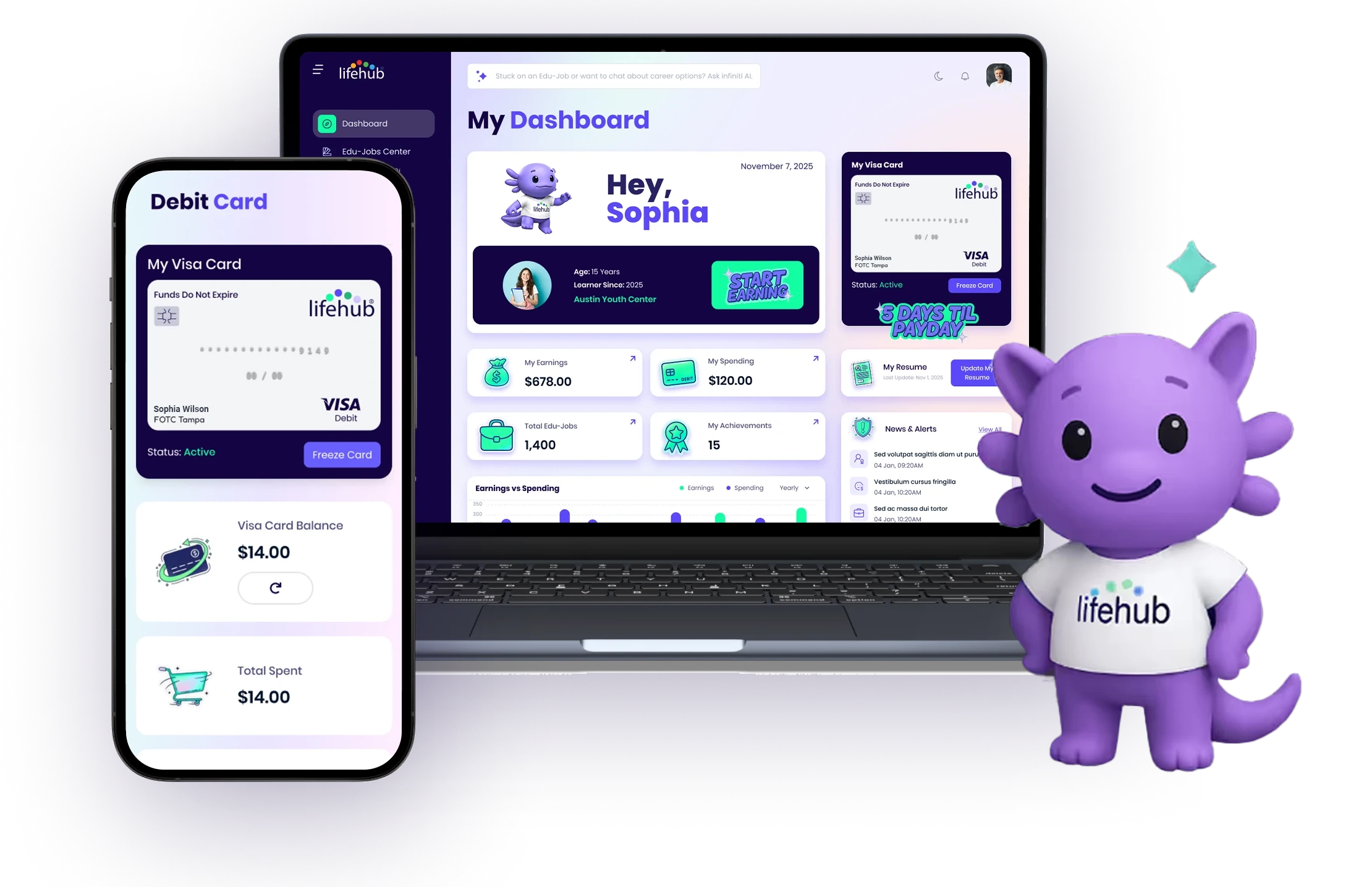
This trifecta forms the cornerstone of platforms like Life Hub, which moves beyond passive learning to create an active, gamified "learn-to-earn" ecosystem. Here, making money becomes a proactive endeavor, as youths are encouraged to engage in micro-labor tasks that define 'action' beyond simple chores. Such innovative platforms convert cognitive and physical efforts into tangible economic rewards. For instance, Life Hub's concept of "Edu-Jobs" allows kids to earn by completing tasks, quizzes, and scenario-based challenges, putting them in charge of their financial destiny from a young age.
Consider the outdated model where children receive money without effort, often in the form of allowances. Modern approaches transform this norm by introducing practical learning through localized neighborhood gigs like lawn mowing or pet care, directly linking work ethic to financial compensation. This not only cultivates a side hustle mindset but also demonstrates the immediate correlation between productivity and income, reinforcing the critical element of action in wealth creation.
Moreover, focusing solely on action without understanding the psychological aspects of money management is insufficient. Our current financial education may need a shift. 21st Century Learning Skills emphasizes the importance of integrating behavioral insights and advanced knowledge seamlessly into daily habits. This ensures that children not only save but learn to strategically allocate resources, building personal and community wealth effectively.
By transforming abstract financial theories into tangible experiences, we equip the next generation with the skills needed to thrive in tomorrow's workforce. By placing an emphasis on real-world application, such as the Life Hub Visa® Rewards Card for real-money experiences, we ensure that the lessons learned go beyond textbooks. This holistic approach prepares children to wield money as a dynamic, lifelong tool rather than merely a subject of study.
Keeping Money is BEHAVIOR
The journey to financial stability hinges significantly on behavioral money management. Earning is just the start; without disciplined spending habits, financial success remains elusive. Behavioral management is not a numerical issue but a psychological challenge. The Life Hub approach emphasizes real-world engagement over traditional lectures, cultivating essential habits by allowing children to handle actual finances.
Integrating tools like the Life Hub Visa® Rewards Card instills money management skills by letting children manage their earnings under supervision. As kids use their earnings, they experience the responsibility of making financial decisions, leading to a deeper understanding of needs versus wants. This hands-on interaction encourages self-discipline and the power of delayed gratification, essential for long-term financial well-being.
Incorporating real-money experiences, such as managing earnings from Edu-Jobs, allows children to feel the weight of financial choices. They learn firsthand the emotional and practical impact of spending versus saving. Automated systems provide an educational framework that supports these choices. Integrated parent dashboards can set custom spending alerts and savings goals to reinforce financial boundaries.
By embracing the principles of the Secret Triad of Wealth: Action, Behavior, and Knowledge, platforms like Life Hub transform abstract concepts into concrete learning moments. This holistic approach ensures that wealth management becomes an intuitive part of life for the next generation, preparing them for future financial independence.
For further insights on improving financial literacy through innovative methods, explore our insights on AI Literacy Builds Futures.

The Practical Application of Knowledge: Empowering Youth to Grow Wealth
Understanding how to harness knowledge for wealth growth is the final, and perhaps most transformative, component of the Secret Triad of Wealth. In today's complex economic landscape, simply accumulating money is not enough. Young individuals must learn how to leverage their earnings through informed decision-making and strategic investments.
Understanding Investment and Leverage
As young people enter the realm of wealth growth, the concept of investment takes center stage. Investing is not merely about putting money into stocks or bonds; it involves understanding risk management, the power of compound interest, and the diversification of assets. These principles can be taught through real-time simulations and interactive digital platforms that provide a safe environment to explore financial strategies.
- Simulated Investing: Platforms like Life Hub offer simulated stock trading environments, allowing youth to practice investment strategies without financial risk. These virtual setups replicate market conditions, fostering a deep understanding of market dynamics.
- Compound Interest Tools: Understanding how compound interest works can be game-changing. Interactive calculators and visual aids within Life Hub help demystify this concept, showing how early investments can multiply over time.
AI-Driven Financial Education
To cultivate these essential skills, leveraging AI-driven tools is crucial. Modern education platforms use artificial intelligence to tailor learning experiences according to the individual needs of users. For example, Life Hub's AI-guided educational tools like Fini AI provide personalized financial advice and learning modules. This engages students at their own pace, catering to diverse learning styles and preferences.
According to the McKinsey Global Institute, AI technology can increase productivity and learning retention by delivering customized content that addresses the user’s specific knowledge gaps (McKinsey Report on AI).
Building a Future of Financial Capability
Ultimately, growing financial capability requires us to move from traditional literacy models to proactive, experiential learning ecosystems. Platforms such as Life Hub not only provide tools for earning and saving but also for investing. Integrating knowledge into their daily life, young minds can cultivate a mindset where investment decisions become second nature, preparing them for a financially independent future.
This holistic approach ensures that financial knowledge is not static but evolves alongside technology and market trends, making it relevant for the next generation of earners and investors.
The Transformational Impact of Gamification in Financial Education
The introduction of gamification in platforms like Life Hub marks a significant shift in financial education for youth. By converting routine learning into engaging activities, these platforms teach kids the "Secret Triad of Wealth: Action, Behavior, and Knowledge in Youth Financial Capability" in a manner that goes beyond traditional methods. Rather than approaching financial literacy as mere theory, they establish a dynamic environment where lessons are interactive and practical, making learning about finances both exciting and impactful.
Creating Engaging Learning Experiences
Gamified experiences transform abstract financial concepts into tangible, relatable scenarios. For instance, platforms reward children with points and badges for completing tasks such as budgeting exercises or investment simulations. This approach helps solidify key principles by creating a sense of achievement and progress, seamlessly guiding kids from theoretical knowledge to real-world application. The active engagement encourages continuous involvement, ensuring that financial education remains a consistent part of their lives.
Case Study: Life Hub's Interactive Ecosystem
Life Hub exemplifies how gamification can revolutionize youth financial capability. By offering interactive challenges and micro-labor opportunities, it fosters an environment where kids engage directly with financial tasks. This hands-on involvement not only builds confidence in managing money but also instills a deeper understanding of complex financial topics. According to Edutopia, gamification in education significantly enhances motivation and skill retention, highlighting its potential to transform traditional financial literacy programs into engaging learning journeys.
Building Future-Ready Skills Through Play
Gamification also nurtures essential soft skills such as problem-solving, decision-making, and critical thinking. As kids navigate various financial scenarios within these platforms, they learn to assess risks and rewards, strategically plan for future expenses, and adapt to economic shifts. These skills are invaluable in preparing them for the complexities of adult financial management, bridging the gap between academic knowledge and practical, lifelong financial capability.
In a world that increasingly values creativity and adaptability, integrating gamified elements into financial education ensures that young learners are well-equipped to face the challenges of tomorrow's economy. By contextualizing lessons within a game-like framework, platforms like Life Hub make financial education not just a requirement but a rewarding and engaging process for today's digital-native youth.

Conclusion: Empowering the Next Generation
As we navigate through the dynamic landscapes of education and technology, the importance of cultivating financial capability in youth cannot be overstated. By embracing the triad of wealth—Action, Behavior, and Knowledge—educators and parents can empower young people to navigate their financial futures with confidence and competence.
The traditional financial literacy programs, often too theoretical, fail to engage youth in practical, real-world scenarios. In contrast, platforms like Life Hub offer innovative approaches by transforming passive learning into an interactive experience. This new educational paradigm fosters a deep understanding of financial principles through participation in “Edu-Jobs,” where learning meets earning.
Translating knowledge into action requires a comprehensive strategy. Encourage young people to explore opportunities that align with their interests, helping them to understand the value of their efforts and teaching them to manage their resources effectively. By integrating behavior-focused tools like the Life Hub Visa® Rewards Card, students develop critical habits that sustain their financial well-being in adulthood.
Actionable Insights for Parents and Educators
- Incorporate Experiential Learning: Use tools like simulations and interactive models to make financial education relatable.
- Foster a Growth Mindset: Encourage youth to learn from financial mistakes and turn them into opportunities for growth.
- Introduce Tech-Driven Learning: Leverage AI-driven platforms to provide personalized, age-appropriate financial guidance.
To get started with these strategies, consider using Life Hub for comprehensive support in financial education. Its revolutionary approach transforms how young individuals interact with money, turning abstract concepts into actionable skills that will serve them throughout their lives.
By shifting our perspective on teaching finance—from a dry, academic approach to a dynamic, real-world application—we not only prepare the next generation for financial independence but also instill a lifelong appreciation for financial literacy. This investment in youth today is a step towards a more financially savvy and resilient society tomorrow.


Related Content
Ready to Chat about Life Hub?
Whether you're parents, or a homeschool family, Life Hub is your partner to help you
raise super strong kids.

.svg)

.svg)


.svg)
.svg)

.svg)