Teaching Kids Healthy Eating: A Guide to Nutrition Literacy with Life Hub


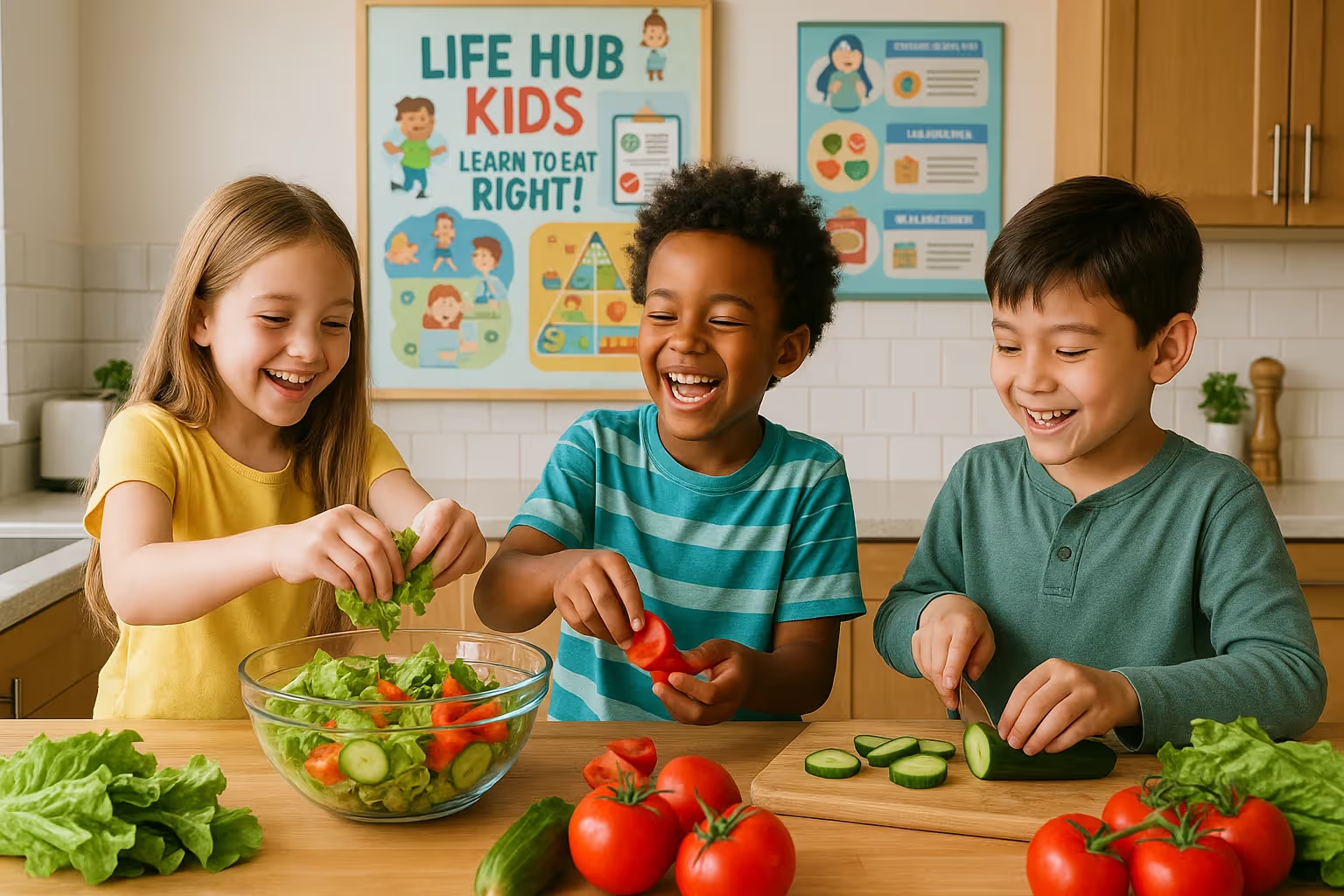

Introducing Kids to Healthy Eating
In today’s fast-paced world, fostering health literacy among children is a critical task that requires thoughtful guidance and relevant resources. Teaching kids how to eat right from a young age sets the foundation for a lifetime of healthy habits. However, this task often confronts the challenge of making nutritious food more appealing than the irresistible allure of junk food. Enter Life Hub—a program designed to provide kids with the skills and knowledge necessary to make informed dietary choices that they might not learn elsewhere.
Life Hub focuses on equipping children with a practical understanding of nutrition. It recognizes that while junk food often holds an unfair advantage in terms of taste, education can bridge the gap by empowering kids to say no to unhealthy options. The initiative emphasizes reading nutrition labels—a skill often overlooked in traditional educational settings but one that is essential for informed consumption. Children learn to compare labels, understanding what each ingredient contributes to their health and how portion sizes impact their diet.
The program debunks the myth that good food doesn’t taste good. Instead, it teaches children to appreciate the flavors in wholesome foods and discover how diverse diets can be enjoyable. For example, Life Hub uses sensory activities and cooking classes that allow kids to interact with different foods in a fun setting, ultimately transforming their perception of what constitutes delicious eating. Through engaging content and hands-on learning experiences, Life Hub ensures that children can manage their diet effectively without feeling deprived.
The impact of Life Hub extends beyond individual health changes—it aligns with broader educational goals. This mission resonates with 21st Century Learning Skills, encouraging critical thinking and informed decision-making. By integrating practical exercises, children are prompted to question and explore, developing a nuanced understanding of food science and its effect on wellbeing.
Overall, Life Hub plays a pivotal role in demystifying nutrition for kids, empowering them to make better dietary choices from an early age. In a society where convenience foods are rampant, Life Hub stands out as an invaluable resource, creating an opportunity for children to learn about diet and food consumption in a way that is both engaging and impactful.
The Importance of Teaching Kids to Understand Nutrition
Life Hub excels in teaching children the fundamentals of nutrition, focusing on the importance of understanding what goes into their bodies. Educating kids on how to read nutrition labels, for instance, is an essential skill that empowers them to make healthier food choices consciously. By learning to identify key ingredients and nutritional content, children can easily distinguish between beneficial foods and those laden with sugars and unhealthy fats.
Turning Learning into Practice
Integrating practical, hands-on activities is a hallmark of Life Hub’s approach. For example, workshops where kids create meal plans encourage them to apply what they’ve learned in real-world scenarios. This experiential approach resonates with children, helping to cement the knowledge they’ve acquired. Teaching kids how to say no to junk food becomes more effective when they understand why these foods are less beneficial than healthier alternatives.
Demystifying Healthy Eating
One common misconception among children is that all healthy food tastes unpleasant. Life Hub challenges this notion by introducing youngsters to a variety of nutritious options that are both enjoyable and palatable. Taste tests and cooking classes reveal that wholesome foods can be just as tasty, if not more so, than their unhealthy counterparts. By rebranding how children view and experience food, Life Hub cultivates a confident and positive attitude towards healthy eating.
Real-Life Impact
The positive outcomes of Life Hub’s programs are evident in many success stories. Children who participate often report an increased willingness to try new foods and exhibit a greater understanding of nutritional balance. Such skills are vital as they grow into adults capable of managing their diets effectively. According to an article from the Centers for Disease Control and Prevention (CDC), improved health literacy among children can significantly impact lifelong well-being and disease prevention (CDC Health Literacy).
Life Hub not only provides a platform for learning but also encourages children to translate this learning into lifelong habits. The program’s unique ability to make these lessons accessible and enjoyable is what sets it apart in the field of health education, ensuring that children are well-equipped to make informed dietary choices. Discover more about how education can shape futures by exploring AI Literacy Builds Futures.
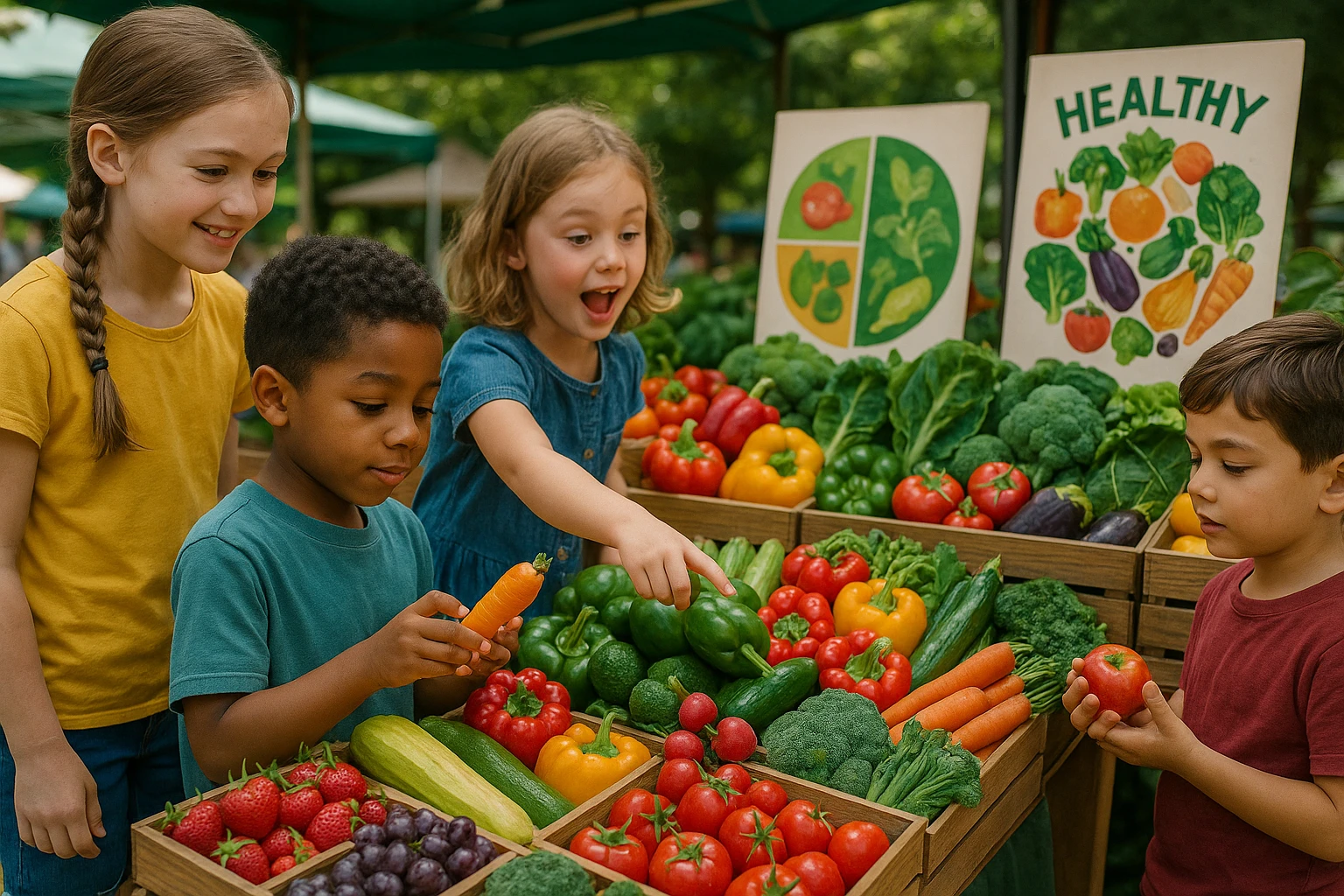
The Role of Nutrition Labels in Empowering Kids
Understanding nutrition labels is a fundamental skill that helps children make informed food choices. Teaching kids to read these labels can be a game-changer in promoting health literacy. Parents and educators can start by explaining what each component of the label means, focusing on calories, fat, sugars, and serving size. By doing so, children learn to identify foods that provide essential nutrients and to choose options that support their health.
For example, when kids understand that a seemingly healthy snack may contain high sugars and fats, they can decide to opt for alternatives that are lower in these negative contributors. This awareness fosters excitement about trying new foods and discovering healthier options, breaking the cycle of choosing only what's familiar or tasty.
Say No to Junk Food: A Practical Approach
Empowering children to refuse junk food can be tough yet critical in managing diet. It involves creating an environment where kids feel motivated to make the right choices. One practical approach is involving them in meal planning and food preparation. This hands-on experience makes them more likely to appreciate the effort behind nutritious meals.
Life Hub excels at providing children the opportunity to explore the significance of diet and food consumption. Through interactive modules and engaging activities, Life Hub showcases the impact of junk food on health and empowers kids to choose wisely. By simulating real-life situations, it compels them to think critically about their diet and encourages a balanced lifestyle.
Learning to Enjoy Good Food
The myth that good food doesn't taste good is a common hurdle. However, children can learn to appreciate flavors and enjoy healthy meals by finding the right mix and preparation techniques. Encouraging exploration of various herbs and spices can be a great way to enhance flavors naturally. Teaching this culinary creativity can transform mealtime into a delightful discovery.
An inspiring real-world application is seen in schools that incorporate nutrition education into their curriculum. According to a study by the National Institutes of Health, children exposed to comprehensive nutrition education showed a marked improvement in dietary habits. Life Hub plays a pivotal role in this educational journey by providing structured programs that emphasize practical knowledge and real-world application.
Life Hub's innovative approach equips children with necessary skills to analyze their food choices critically. With such resources, they learn not just to read and understand nutritional information but to actively use that knowledge in everyday scenarios, fostering lifelong healthy eating habits.
Empowering Children Through Hands-On Learning at Life Hub
Life Hub’s practical, interactive design bridges the gap between mere awareness and meaningful behavior change in children’s eating habits. For instance, while many kids struggle to interpret nutrition labels— with research showing children often misinterpret abstract dietary terms like “variety” or “healthy weight” and rely on vague perceptions rather than factual information sciencedirect.com—Life Hub transforms these messages into concrete lessons.
Through dynamic activities such as guided grocery simulations, children aren’t just told to say “no” to junk food—they actively practice identifying high-sugar snacks and comparing them against wholesome choices. This aligns with evidence that educational interventions can significantly improve students’ confidence and ability to use nutrition labels effectively pmc.ncbi.nlm.nih.gov. These hands-on experiences are embedded within Life Hub’s curriculum, fostering both understanding and long-term retention.
Life Hub also emphasizes the fact that “good food doesn’t taste good at first” but that managing one's diet is a skill to be cultivated. In guided taste-testing sessions, kids sample healthy foods repeatedly while learning to recognize subtle flavors—reinforcing the notion that taste preferences evolve and that persistence pays off. This approach counters the often oversimplified “good vs. bad” food messaging, which research warns can confuse children when lacking specific context naes.agnt.unr.edu.
Moreover, Life Hub empowers children to read and interpret nutrition labels through age-appropriate tools. Rather than abstract discussions, children engage with simplified, color-coded label exercises that mirror methods proven to enhance comprehension—such as “traffic light” cues—which research suggests aid decision-making by presenting information clearly and intuitively pmc.ncbi.nlm.nih.gov.
Teachers and parents report tangible shifts: kids begin asking insightful questions like, “What’s the sugar content here?” or “How many servings are in this package?”—a sign of growing literacy and agency. These outcomes reflect findings that nutrition education significantly boosts students' likelihood to read labels and make informed choices pmc.ncbi.nlm.nih.gov. Life Hub’s combination of experiential learning, label literacy, and taste adaptation strategies creates a foundation that children can carry well into adulthood.
Integrating the perspective that “I want to write another articles on Health literacy but specifically zooming in on teach kids how to eat right, saying no s junk food, read nutrition labels, and learning that good food doesnt taste good but you just need to learn how to manage diet. Fouce on how life hub does exactly that. It give kids the opportunity to learn all about diet and food consumption that otherwise would never learn it else where.” into real-world programming, Life Hub not only educates but also equips kids with the confidence and skills to critically evaluate food choices and build sustainable, healthy habits.

Conclusion: Empowering Kids to Make Healthier Choices
As children navigate a world teeming with food options, instilling strong dietary habits becomes crucial. By teaching them how to read nutrition labels and encouraging healthier choices, we lay the foundation for lifelong wellness. Life Hub plays a pivotal role in this educational journey, providing children with unique learning opportunities that they might not get elsewhere.
Understanding that good food doesn't always appeal to young taste buds is a common challenge. However, with guided education and support, children can learn to appreciate healthier options, knowing how to manage their diet effectively. Through interactive learning experiences and practical knowledge offered by Life Hub, kids get the chance to explore the intricacies of food consumption and nutrition.
Actionable Insights for Parents and Educators
- Encourage Label Reading: Make reading nutrition labels a fun and educational activity during shopping trips.
- Promote Balance: Teach children the importance of balancing different food groups and highlight moderation over elimination.
- Explore Flavors: Introduce children to a variety of foods prepared in different ways to discover what they genuinely enjoy.
According to the CDC, establishing these habits early can significantly impact children's long-term health outcomes. Educators and parents can utilize Life Hub as a resource to reinforce these messages consistently and engagingly.
Consider Life Hub for Transformative Learning
Life Hub offers an invaluable platform for children to delve deep into understanding nutrition and its effects on their health. By creating an engaging environment, Life Hub ensures that learning about diet becomes an exciting adventure rather than a mundane task. This approach not only improves health literacy but also empowers kids to make informed decisions about their eating habits.
For those interested in developing these crucial skills in a comprehensive, fun, and supportive setting, Life Hub is the ideal partner. By integrating its resources into daily life, parents and educators can guide children towards healthier choices, ensuring a brighter future.


Related Content
Ready to Chat about Life Hub?
Whether you're parents, or a homeschool family, Life Hub is your partner to help you
raise super strong kids.

.svg)

.svg)


.svg)
.svg)

.svg)