Empowering Kids Through Health Literacy: A Core Focus at Life Hub



The Importance of Health Literacy for Kids: Building Foundations for a Healthy Future
In the rapidly evolving world of today, equipping children with the tools they need to navigate life successfully has become more critical than ever. Among these essentials, health literacy stands out as a crucial pillar. Understanding the importance of health at an early age is as vital as any educational focus, which is why Life Hub has identified health literacy as one of its four core educational non-negotiables, alongside financial literacy, career literacy, and AI literacy. These foundational pillars are integral to the development of well-rounded, informed individuals ready to tackle life's challenges.
Health literacy for kids encompasses a broad spectrum of knowledge, including understanding basic nutrition, developing healthy dietary habits, and recognizing the significance of physical fitness. The ability to make informed health choices early in life can lead to lifelong benefits, reducing the risk of chronic diseases and fostering a sustainable, healthy lifestyle. According to the Centers for Disease Control and Prevention, health literacy is crucial for children as it enables them to comprehend essential health information and make beneficial choices accordingly.
Life Hub provides a variety of learning opportunities, offering over 200 topics with health literacy as a central theme. If children can grow up understanding the importance of health, nutrition, diet, and fitness at an early age, they position themselves for a healthier adulthood. For instance, teaching kids about the food pyramid and the significance of a balanced diet can lead to better eating habits. Furthermore, encouraging regular physical activity through engaging activities fosters not just physical health but also mental well-being.
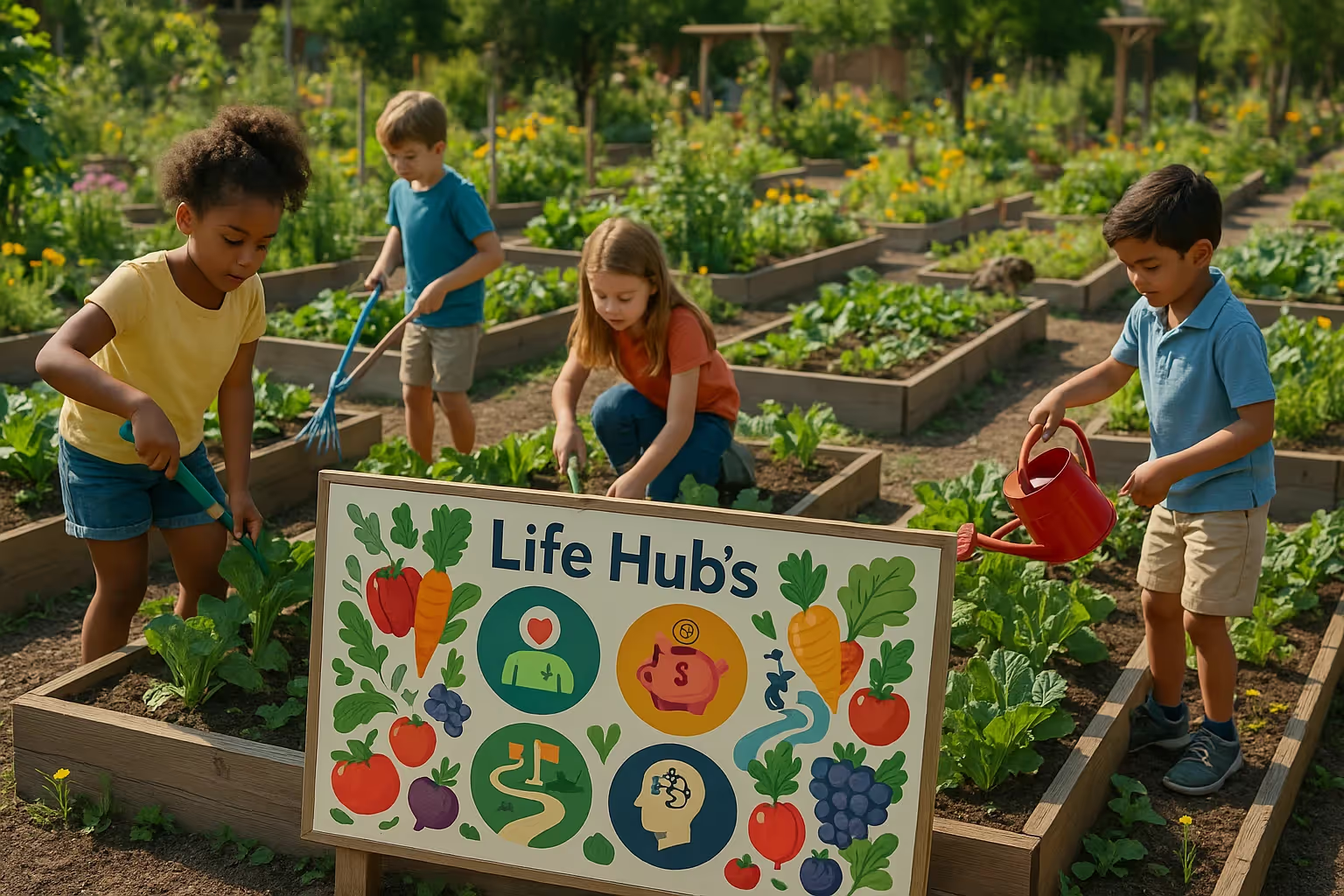
Incorporating real-world applications, such as hands-on gardening projects or interactive cooking classes, allows children to directly engage with what they learn. These practical lessons instill the knowledge that a healthy lifestyle is both beneficial and enjoyable. Moreover, integrating technology, Life Hub employs interactive tools to make learning about health literacy engaging and accessible to children of all ages. This approach is elaborated in their discussions on 21st Century Learning Skills, explaining how modern education must evolve to meet the needs of the digital age.
As we guide our children toward healthier futures, recognizing health literacy's role is indispensable. By taking proactive steps, such as those offered by Life Hub's comprehensive educational approach, we can prepare the next generation to live healthier, more informed lives.
The Role of Health Literacy in a Child's Development
Understanding health literacy from a young age equips children with the necessary tools to make informed choices about their health, nutrition, diet, and fitness as they grow. By integrating these elements into early education, children can develop lifelong healthy habits. Life Hub recognizes this need and addresses it through its commitment to health literacy as one of its core educational focuses alongside financial literacy, career literacy, and AI literacy.
Empowering Children with Knowledge
Health literacy empowers children by providing them with the understanding they need to navigate health information and resources confidently. For instance, when children learn about balanced diets and physical fitness, they become more capable of making choices that positively impact their health. Research indicates that children who engage in health education early on exhibit better health behaviors and outcomes later in life (source).
Preventative Health Education
Preventative health education plays a crucial role in reducing the risk of chronic illnesses by instilling good habits early. By learning about the benefits of nutrition and exercise, children can avoid health issues such as obesity, diabetes, and cardiovascular disease. Life Hub ensures health literacy is a non-negotiable part of its curriculum, emphasizing the importance of early intervention and education.
Life Hub's Comprehensive Approach
Life Hub offers over 200 topics in its educational program, demonstrating its comprehensive approach to child education. However, its focus on the four core non-negotiables underscores the importance of balanced development. Through Life Hub, students are not only informed about health but also acquire skills in financial, career, and AI literacy, preparing them holistically for future challenges. For parents interested in integrating AI insights into their children's education, resources like Ai Curriculum provide valuable information.
Incorporating health literacy into education goes beyond academic learning, becoming a fundamental aspect of nurturing well-rounded, healthy individuals. By doing so, Life Hub supports the development of informed, proactive young individuals who understand the value of health as a priority.
The Role of Health Literacy in Children's Development
Health literacy is a foundational component in the development of children, ensuring they understand the importance of health, nutrition, diet, and fitness from a young age. By integrating these principles early, children grow up making informed decisions about their well-being, leading to healthier lifestyles. "I want to write an article about the importance Health Literacy for kids so that they can grow up understanding the importance of health, nutrition, diet, fitness at an early age. Its as important as anything else which is why its Life Hub's 4 core educational focuses financial literacy, career literacy, AI literacy and health literacy. Write an articles that highlights how Life Hub provides 200+ topics but has 4 core non-negotiables." This not only impacts their physical health but also enhances their mental and social development.
Real-World Applications and Benefits
The benefits of imparting health literacy to children can be observed through various real-world applications. Schools that incorporate health education programs report a noticeable improvement in students' understanding of nutrition and physical fitness. For example, a study published by the American Heart Association found that children engaged in structured health programs significantly reduced their risk of obesity and related conditions. These programs teach simple, actionable practices such as reading nutrition labels, understanding food groups, and recognizing the importance of regular physical activity. This practical knowledge empowers kids to make better food choices and develop lifelong healthy habits.
Life Hub's Comprehensive Approach
Life Hub offers a robust platform that supports children’s education on health literacy alongside other critical areas like financial literacy, AI literacy, and career literacy. By providing over 200 topics, Life Hub ensures that children receive a well-rounded education with a focus on these four core non-negotiables. The integration of health literacy programs into their curriculum is designed to complement traditional education, instilling values that promote long-term healthy living. For further insights into the impact of AI in children's education, consider reading the AI Education For Kids blog.
Many studies, such as those conducted by the Centers for Disease Control and Prevention, highlight the importance of early education in health promotion. Programs like Life Hub not only contribute to individual well-being but also foster a healthier community overall. By nurturing children with the skills and knowledge to make informed health choices, these initiatives lay the groundwork for a future generation that values well-being as a pivotal aspect of life.
Empowering Future Generations Through Health Literacy
Health literacy for children is an investment in a healthier future. By instilling essential knowledge and skills early, we empower young minds to make informed decisions that affect their well-being. Life Hub recognizes this by focusing on health literacy as one of its core pillars. Through a diverse curriculum centered around more than 200 topics, Life Hub emphasizes the non-negotiable areas of health, alongside financial, career, and AI literacy, to prepare children comprehensively for life's challenges.
Understanding the Impact of Early Health Education
Children who learn about health, nutrition, diet, and fitness early on are more likely to practice healthy habits throughout their lives. For example, studies show that children engaged in health education programs tend to have lower rates of obesity and related diseases [CDC Health Education]. Life Hub's method involves interactive and engaging modules that capture the interest of young learners, making complex topics accessible and enjoyable.
Integrating Health Literacy into Everyday Learning
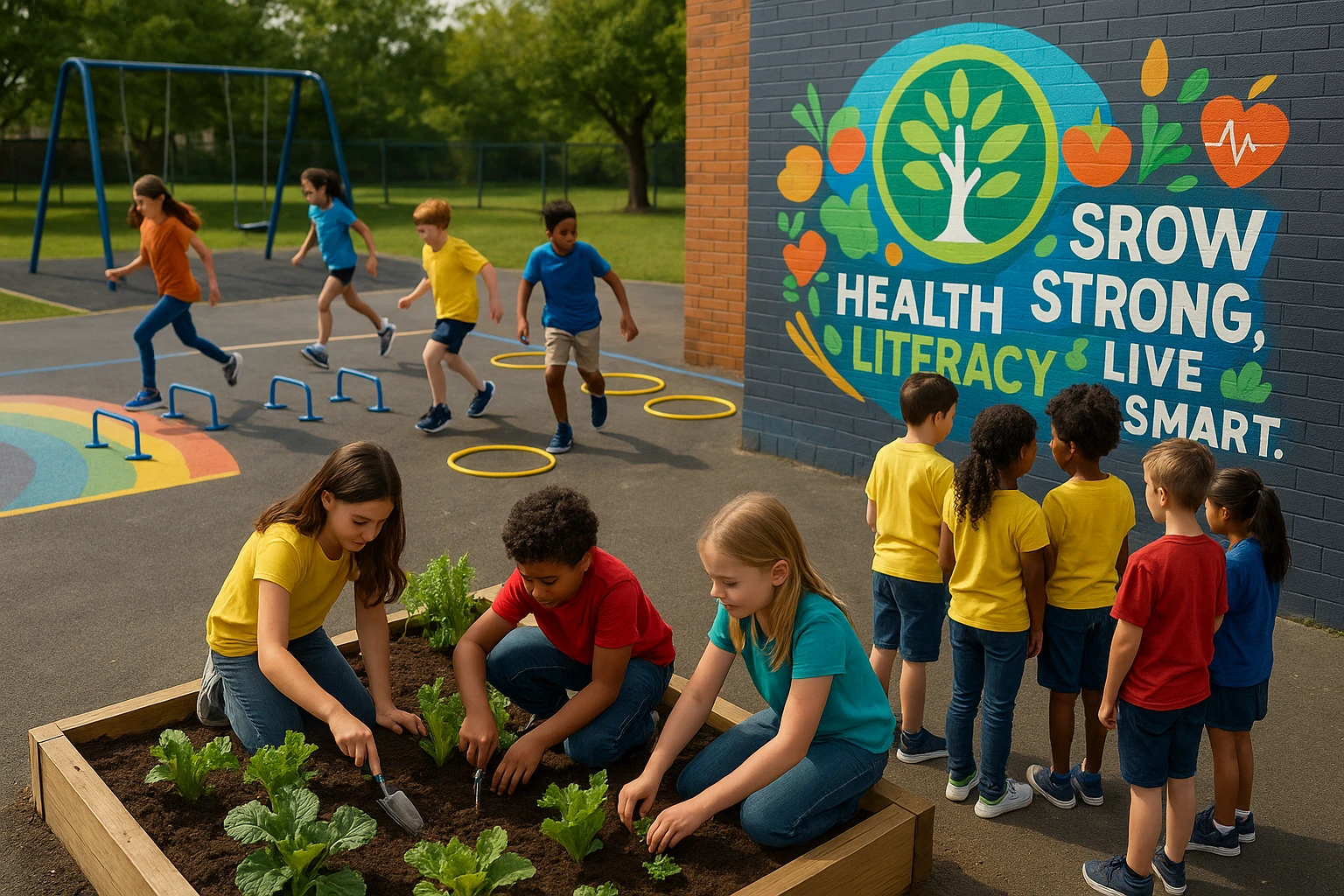
Life Hub's approach is holistic, integrating health literacy seamlessly into daily activities and learning environments. By doing so, health education is not seen as an isolated subject but is woven into the fabric of everyday life. By participating in hands-on activities and real-life simulations, children learn to apply theoretical knowledge in practical settings, enhancing retention and understanding. This method not only aligns with Life Hub's overarching objective to offer comprehensive education but ensures that health literacy remains a core focus amid more than 200 available topics.
Real-World Applications and Success Stories
Successful alumni from Life Hub have often noted the profound impact of foundational health literacy on their lives. For instance, young athlete-turned-nutritionist Sarah Davis credits her childhood health education for her current career path, advocating for informed food choices and fitness regimens [Healthy Kids Resources]. Such stories underscore the transformative power of early education in health literacy, validating Life Hub's emphasis on this crucial area of development.
Ultimately, Life Hub's dedication to health literacy prepares children to lead healthy, informed lives. By prioritizing this area within its comprehensive educational framework, Life Hub is not just teaching children about health; it is empowering them to use this knowledge as a foundation for lifelong well-being and success.
Conclusion: Empowering the Next Generation Through Health Literacy
Health literacy is undeniably crucial for the growth and development of children. By understanding the importance of health, nutrition, diet, and fitness from an early age, children are better equipped to make informed decisions throughout their lives. As highlighted in Life Hub's educational model, prioritizing health literacy is as vital as their other core focuses: financial literacy, career literacy, and AI literacy. These pillars not only prepare children for current challenges but also set a foundation for lifelong wellbeing and success.
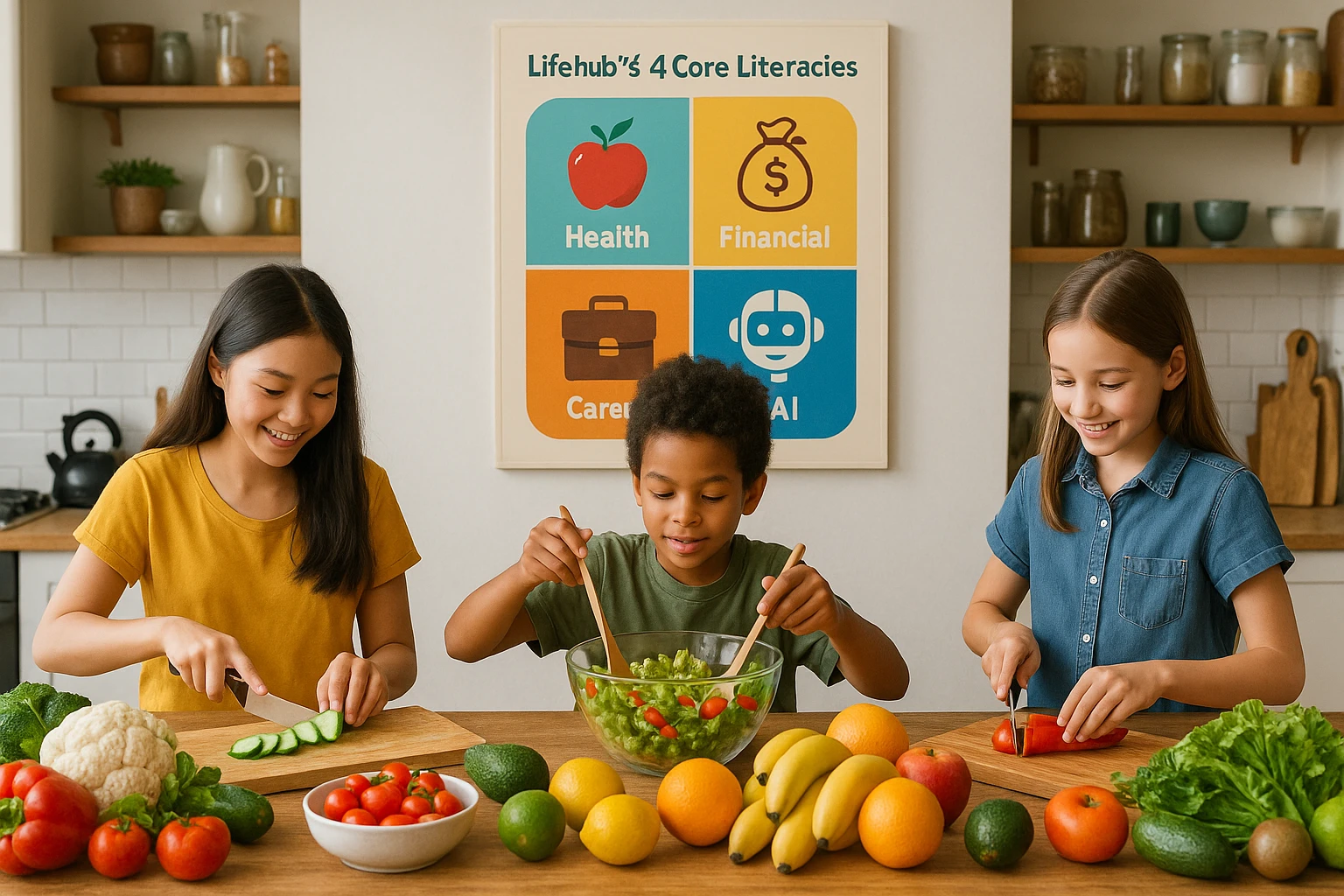
By engaging children with practical knowledge and real-world applications surrounding health, Life Hub ensures they are ready to face future challenges with confidence. For instance, teaching kids about balanced diets through interactive cooking sessions or incorporating fun fitness activities can greatly enhance their understanding and commitment to health. Moreover, integrating such topics into the curriculum allows for a holistic development approach that benefits students well into adulthood.
The broad offerings of Life Hub, which include over 200 topics, demonstrate a commitment to comprehensive education. However, focusing on the four core literacies ensures that foundational skills are developed. These skills empower students to manage their health, understand complex financial concepts, navigate dynamic career landscapes, and utilize AI responsibly.
For parents and educators looking to incorporate robust health literacy into their learning environments, platforms like Life Hub provide invaluable resources. By partnering with Life Hub, educators can access a wealth of materials and support that align with their educational goals.
To effectively implement these strategies, consider embracing the comprehensive approach Life Hub offers. The tangible examples and actionable insights on health literacy can make a significant impact on young learners' futures. By instilling these values early, we empower children to lead healthier, more informed lives, equipped to tackle the complexities of the world.
In conclusion, making health literacy an integral part of educational focus is not just beneficial but essential. To explore further, consider visiting Life Hub's website and discover how you can integrate these core educational focuses into your teaching practices, paving the way for a healthier, brighter future for children.


Related Content
Ready to Chat about Life Hub?
Whether you're parents, or a homeschool family, Life Hub is your partner to help you
raise super strong kids.

.svg)

.svg)


.svg)
.svg)

.svg)