The Ultimate Guide to Teaching Kids Responsible Spending with Life Hub and the Life Hub Visa Card




The Digital Landscape: Teaching Kids Financial Responsibility
In today's rapidly evolving digital world, the necessity of teaching kids how to manage money responsibly has never been more pressing. As financial transactions continue to move from paper to digital formats, equipping the younger generation with skills to spend and consume wisely using digital money is paramount. This shift not only reflects a technological advancement but also an essential life skill that impacts their future financial stability.
Teaching financial literacy to children involves cultivating both knowledge and practical experience. This is where tools like Life Hub and the Life Hub Visa Card come into play, offering children experiential learning opportunities. These platforms allow kids to engage with digital money in a safe environment, fostering an understanding of financial concepts through everyday experiences. These tools become invaluable as they bridge the gap between theoretical knowledge and practical application, ensuring that kids grasp the essentials of responsible financial management.
Understanding digital money involves more than just technology; it's a comprehensive approach to money management that includes spending wisely, saving diligently, and learning the significance of investments. For instance, kids who use Life Hub can track their spending habits, set saving goals, and receive real-time insights into their financial activities. Such experiential learning fortifies their understanding of abstract concepts like budgeting and financial planning.
The role of digital platforms is increasingly recognized in fostering financial literacy. According to a report by the Consumer Financial Protection Bureau, early exposure to money management leads to better financial outcomes in adulthood. Aligning with this, platforms like Life Hub not only provide financial education but also encourage critical thinking and decision-making skills. The ability to evaluate spending choices critically and anticipate financial consequences is crucial in nurturing economically savvy individuals.
Moreover, experiential learning through Life Hub supports broader educational frameworks, such as the development of 21st-century skills. Financial literacy forms a core component of modern education strategies. For further insights, the 21st Century Learning Skills blog delves into how these skills are integral to modern education, underscoring their importance in a competitive global landscape.
By embracing tools like Life Hub, parents and educators can ensure that children not only adapt to the digital financial era but thrive in it. This foundational literacy lays the groundwork for future financial independence, empowering the young generation to make informed financial decisions throughout their lives.
Embracing Digital Financial Literacy
In today's digital era, teaching children about managing digital money is crucial. The early introduction to financial concepts helps kids develop a solid understanding of how money works in the digital world. More than ever, they need to learn to distinguish between wants and needs, and how to make smart decisions that affect their financial well-being. By integrating these lessons early, children build the foundations for responsible adulthood.
The Role of Experiential Learning
Experiential learning gives children the opportunity to understand financial principles by applying them in real-world scenarios. With tools like Life Hub and the Life Hub Visa Card, kids can engage in hands-on experiences, such as budgeting their allowances, understanding the implications of their spending choices, and realizing the importance of saving.
For instance, when children use the Life Hub Visa Card, they can see their spending patterns and adjust their habits accordingly. This kind of feedback loop reinforces financial concepts and encourages mindful consumer behavior. As children become more accustomed to managing their digital finances, they develop confidence, autonomy, and the ability to make informed decisions.
Parental and Educational Support
Parents and educators play a pivotal role in guiding children through their financial education. Life Hub provides insightful tools and resources that adults can use to facilitate learning. By setting spending limits and goals within the Life Hub app, parents can help reinforce lessons about financial responsibility. Such structured interactions ensure that the learning process is engaging and effective.
Educational institutions can also leverage Life Hub’s features in their curricula to teach financial literacy. These tools can be seamlessly integrated into classroom settings, providing students with practical knowledge that extends beyond traditional teaching methods. The combination of digital tools and classroom instruction fosters a comprehensive understanding of economic principles in the digital landscape.
Real-World Applications
Through practical applications, children experience the consequences of financial decisions in a controlled environment. According to PwC’s financial literacy report, hands-on financial education significantly boosts understanding and retention among young learners. By using Life Hub, children take ownership of their financial actions, witnessing outcomes firsthand and adjusting their behaviors to achieve desired goals.
The Role of Experiential Learning in Financial Literacy
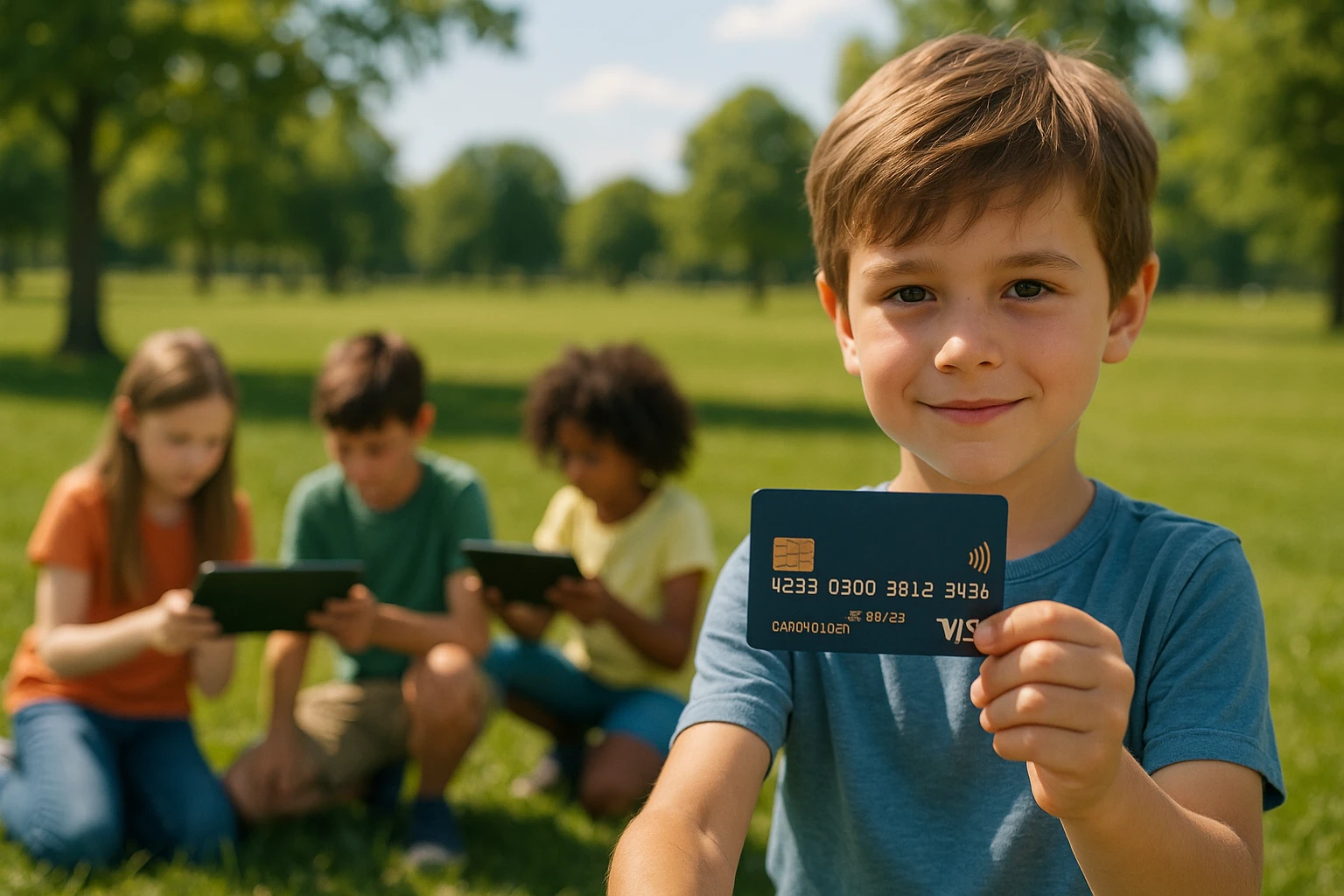
Experiential learning has become a cornerstone in teaching financial responsibility to children. By integrating digital money management into everyday activities, young learners can gain a practical understanding of spending and consumption. This hands-on approach helps kids transition from theoretical knowledge to real-world application, emphasizing the importance of budget management, savings, and making informed financial decisions.
Interactive Tools for Effective Learning
Tools like Life Hub Visa Rewards Card stand out by offering a platform for children to manage funds under parental supervision. These tools simulate real-life financial scenarios where children can track their spending, learn to set savings goals, and understand the impact of their financial choices. This experiential learning methodology is vital as it allows children to encounter and solve financial challenges first-hand, laying a solid groundwork for future financial independence.
Bridging the Gap with Technology
Digital money platforms have significantly bridged the gap between theoretical lessons and practical financial skills. According to a recent study by PwC, students who engage in practical learning through technology exhibit better financial understanding and responsibility. Life Hub leverages this by integrating interactive features that make learning about money engaging and relatable. As children navigate through saving and expenditure decisions using Life Hub, they become more confident and adept at managing their finances.
Real-World Applications
When children use tools like the Life Hub Visa Card, they experience real-world financial decisions. For instance, by budgeting their monthly allowance using the card, they learn to prioritize spending on essentials while setting aside savings. These experiences foster important fiscal habits early on, contributing to a stronger sense of responsibility and awareness. Moreover, parents can monitor and guide their children's spending, providing a supportive environment for learning.
Integrating digital tools with everyday learning experiences helps children develop essential financial skills that are crucial in today’s digital economy. As they learn to navigate these real-world challenges, they build confidence in their ability to manage finances independently. This approach supports the value of teaching kids to spend and consume responsibly with digital money, making tools like Life Hub indispensable for experiential financial education.
Building Real-World Money Skills Through Daily Practice
Transitioning naturally from the theoretical foundations already discussed, it’s vital that children apply financial principles in real-life contexts. This is where experiential learning transforms theory into *real-world competence*. Platforms like Life Hub excel at blending micro-learning with tangible financial experiences—what many educators call “learning by doing.”
Everyday Decisions, Meaningful Lessons
In a shifting digital landscape, children are increasingly exposed to in-app purchases, persuasive advertising, and peer pressure—all of which blur the line between entertainment and spending. In the UK, 58% of kids age 8 to 17 have made online purchases in the past month, and many report regretting those decisions afterward UNICEF. Life Hub addresses this by allowing kids to make spending choices using their earned funds on a real Visa card, helping reinforce the *pain of payment* and encouraging reflection before purchase.
Integrating Earning, Spending, and Rewards
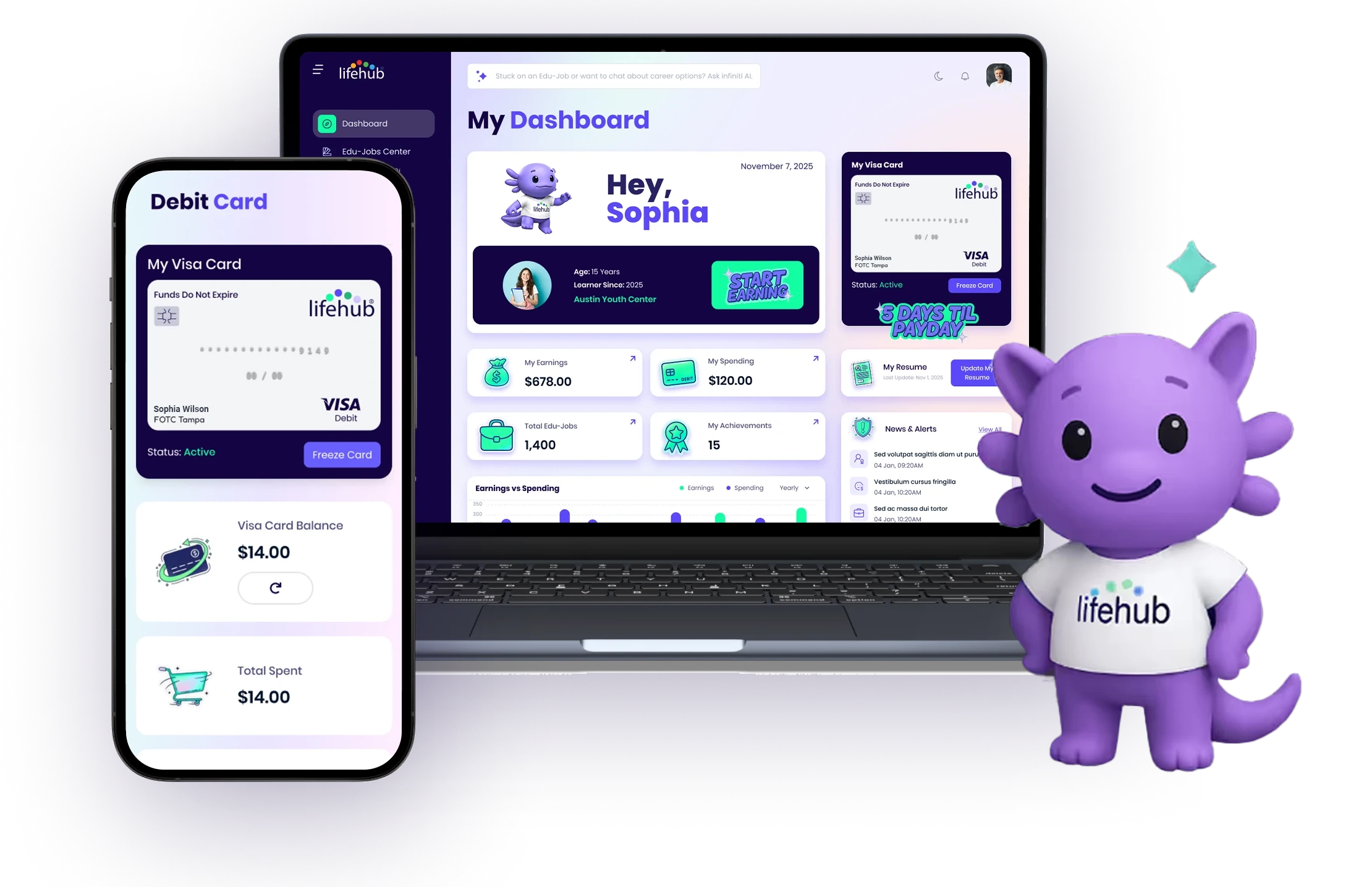
Life Hub’s structure of *Edu‑Jobs*—short micro-learning tasks tied to real cash rewards—immerses children in practice-based financial learning. They earn Life Hub Tokens which can be converted into real money, deposited into their Life Hub Visa Rewards Card, or redeemed for gift cards Life Hub platform. This cycle of earning, saving, and spending fosters self-regulation and develops essential habits such as delayed gratification and goal setting. Children become active managers of their own money rather than passive recipients.
Why Hands‑On Learning Works
Research underscores the effectiveness of experiential financial education. For instance, the “Classroom Economy” program, a simulated economy for elementary students, demonstrated significant improvements in financial knowledge compared to traditional, lecture-based approaches—with minimal disruption to core curricula ScienceDirect study. Life Hub amplifies this effect by embedding real money experiences in day‑to‑day learning, making the lessons both engaging and impactful.
Everyday Practice Builds Confidence and Competence
By enabling regular, meaningful interactions with digital money—whether earning tokens through tasks or choosing between spending and saving—Life Hub turns abstract concepts into concrete skills. This experimental approach supports the core message of your article: helping children understand how to spend and consume responsibly with digital money through consistent, real-world application. Real-time feedback, visible progress, and the autonomy to make financial choices help kids build lasting financial confidence.
Teachers and parents can support this by prompting reflection—asking questions like, “Why did you choose to spend today?” or “How close are you to your savings goal?” These discussions, paired with Life Hub’s hands-on tools, bridge learning to action and foster lifelong financial proficiency.
Integrating learning and doing in this way concretely illustrates why the phrase “Write a strong article on the importance kids learning how to spend and consume responsibly with digital money and how Life hub and Life Hub Visa Card allows them to do experientially everyday” resonates: it describes exactly how Life Hub enables meaningful financial education that children live, not just learn.
Conclusion
Teaching children to spend responsibly with digital money is more than a skill—it’s a cornerstone for their future financial well-being. When kids learn the value of budgeting, saving, and thoughtful consumption, they equip themselves with tools for lifelong success. Programs that allow children to engage with money management dynamically can foster these essential skills more effectively than traditional education.
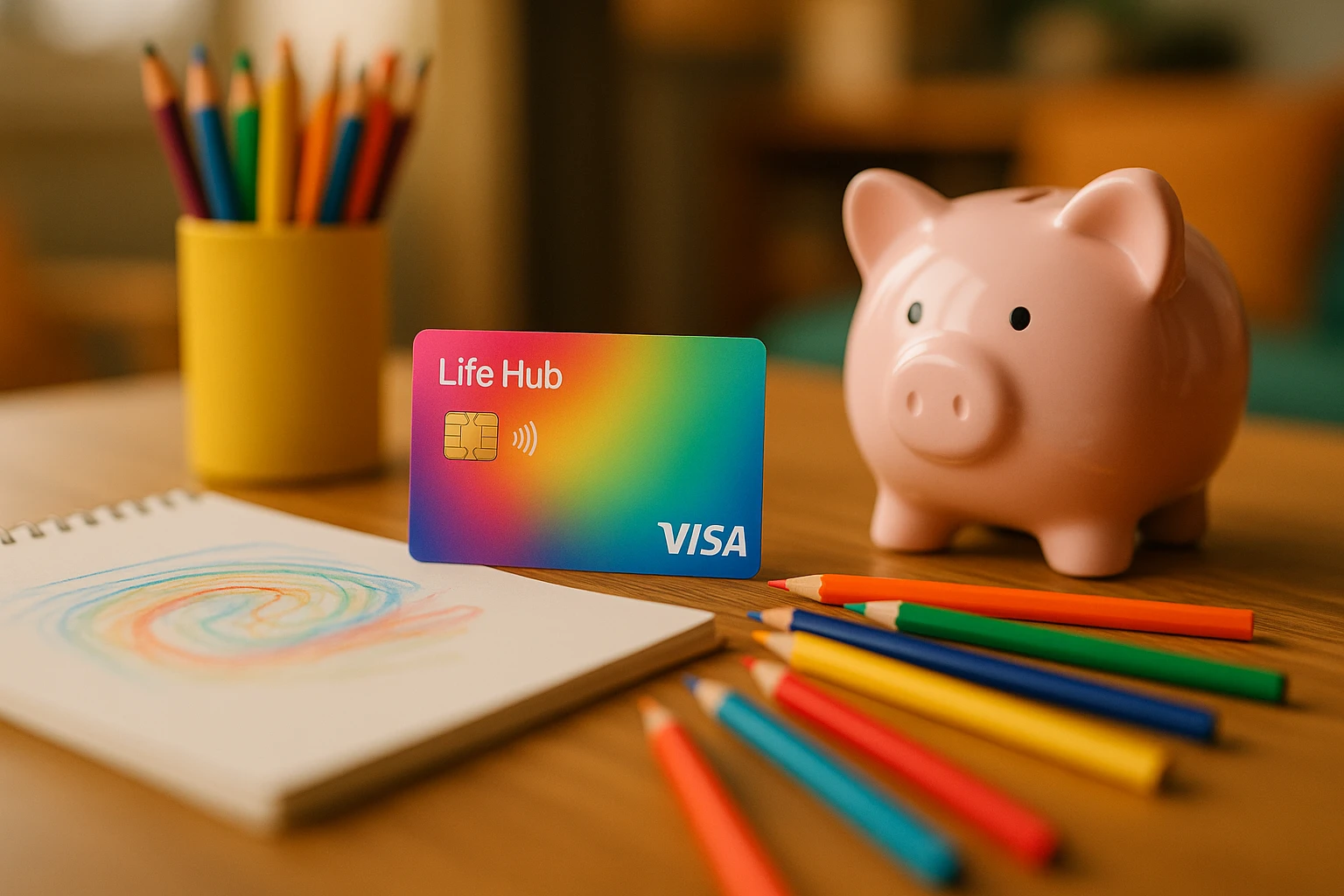
Life Hub and its associated Life Hub Visa Card provide a unique platform for imparting these lessons experientially every day. Through real-world interactions and hands-on learning, kids develop a genuine understanding of financial principles. This approach not only addresses theoretical knowledge but also integrates it into everyday decision-making processes. Such practical exposure is crucial in the digital age, where transactions are frequently abstracted and intangible.
Actionable Insights
Parents and educators can harness the power of experiential learning by integrating finance-related activities into daily routines. For example, involving children in setting a family budget or tracking their own expenses through kid-friendly apps can be highly instructional. Encourage discussions about managing subscriptions and donating to causes, as these activities broaden their understanding of money's role in society.
Moreover, by utilizing tools like the Life Hub platform, which turns everyday financial decisions into learning opportunities, families can reinforce positive financial behaviors. According to experts, consistent engagement with money management activities helps solidify these skills from a young age [source].
Call to Action
To build a strong foundation of responsible consumption and financial literacy in your children, explore comprehensive resources like Life Hub. With its interactive and engaging approach, Life Hub stands as a recommended choice for transforming how kids perceive and manage money in a digital landscape.
As we look toward the future, empowering the younger generation with the benefits of responsible spending is crucial. Through strategic resources and experiential learning opportunities, like those offered by Life Hub, children can thrive financially and develop habits that will serve them well into adulthood.


Related Content
Ready to Chat about Life Hub?
Whether you're parents, or a homeschool family, Life Hub is your partner to help you
raise super strong kids.

.svg)

.svg)


.svg)
.svg)

.svg)