The Ultimate Guide to Choosing a Debit Card for Kids



The Rise of Debit Cards for Kids: A Modern Financial Tool
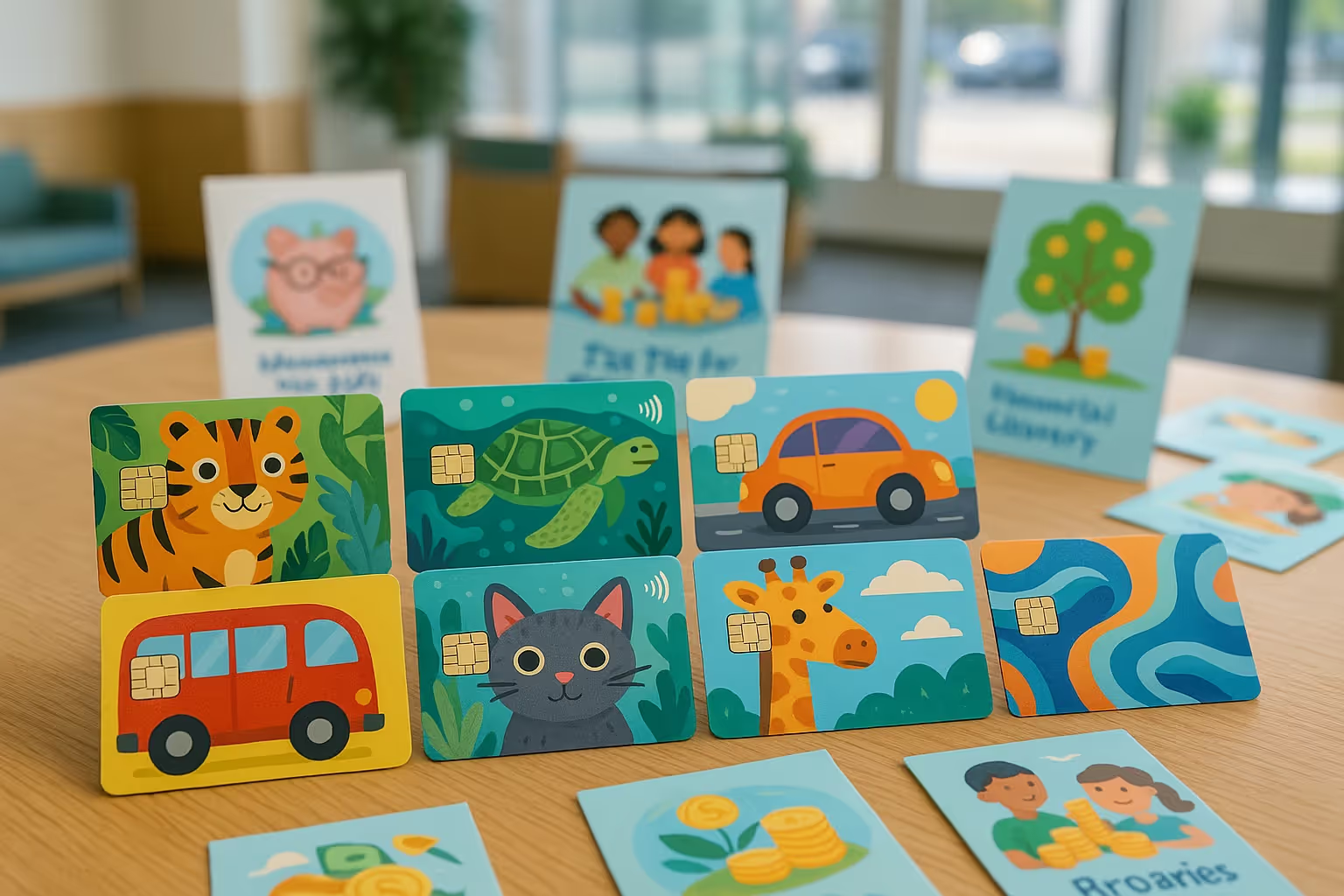
In today's fast-paced digital age, teaching children about financial literacy from an early age has never been more critical. The introduction of debit cards specifically designed for kids is transforming the way young minds interact with money. This innovative trend is not just about convenience; it’s about fostering a deeper understanding of financial responsibility, budgeting, and saving—a necessary skill in a cashless society increasingly dependent on digital transactions.
Imagine a world where children can learn to manage their finances with the guidance of their parents, all while using a debit card tailored just for them. These tools provide a controlled environment where kids can make real-world financial decisions, giving them practical experience without the risks associated with traditional bank accounts. For instance, parents can set limits on spending and monitor transactions, ensuring a safety net while allowing their children some financial autonomy.
The benefits of kids' debit cards go beyond just digital learning experiences. According to experts, integrating debit cards into a child’s learning process can help them gain essential life skills. A study from the University of Michigan revealed that kids who engage in financial education early on are more likely to make informed and prudent monetary decisions as adults (University of Michigan Study). Moreover, using these cards aligns well with educational frameworks that emphasize real-world applications, enhancing a child’s engagement and understanding.
But what about the practical side of these tools? Many debit cards for kids come with apps that allow for a hands-on approach to money management. These apps often include features like savings goals, allowances, and spending metrics—a way to make financial literacy tangible and rewarding. As children meet savings targets or manage their spending wisely, they receive immediate feedback, reinforcing positive behavior.
For parents hoping to prepare their children for a financially responsible future, these cards offer an innovative approach to money management. As technology continues to weave itself into every aspect of life, tools like these are becoming essential. To explore how these modern financial tools fit within broader educational ambitions, consider checking out 21st Century Learning Skills, highlighting the interconnectedness of technology and education.
The Benefits of Debit Cards for Kids
Introducing children to financial tools like debit cards offers a myriad of advantages. An essential benefit is the opportunity to teach kids financial literacy from an early age. With a debit card for kids, parents can guide their children through everyday transactions, demonstrating the value of money management in real-time. This hands-on experience helps cement concepts such as budgeting, saving, and responsible spending.
Beyond basic financial skills, debit cards for kids can enhance their understanding of digital banking technologies. As our society becomes increasingly cashless, familiarity with electronic banking will serve children well into adulthood. For instance, some cards are linked to mobile apps where kids can learn to track their spending, set savings goals, and understand transaction history. This promotes an interactive educational experience, blending technology with practical life skills.
Security is another significant factor. Unlike cash, a lost debit card can often be managed through parental controls, ensuring funds remain protected. Many banks and financial apps specifically design these cards with built-in safety features like spending limits and instant transaction alerts, giving parents peace of mind while children explore financial independence.
Real-World Application and Case Studies
Consider the example of Greenlight, a popular debit card for kids that has gained traction for its comprehensive parental controls. According to The Motley Fool, Greenlight allows parents to assign chores that kids can complete for allowances directly deposited onto the card. This practical application not only incentivizes chores but also teaches children about earning and responsibility. Such features are instrumental in making financial learning engaging and effective.
Another case is GoHenry, which extends beyond the basic functionalities to offer educational resources about finance tailored for young users. As noted by Investopedia, GoHenry integrates interactive quizzes about financial topics, further enhancing the learning experience. These examples highlight how modern tools are designed to cater to the digital generation, promoting independence while ensuring a structured financial education.
As we continue to leverage technology for educational purposes, debit cards for kids stand out as a versatile tool. For further insights on how educational technologies continue to evolve, you might explore 5 Surprising Truths About Ai In Education Its Not What You Think, which offers an in-depth look into the changing landscape of learning in the 21st century.
Benefits of Debit Cards for Kids
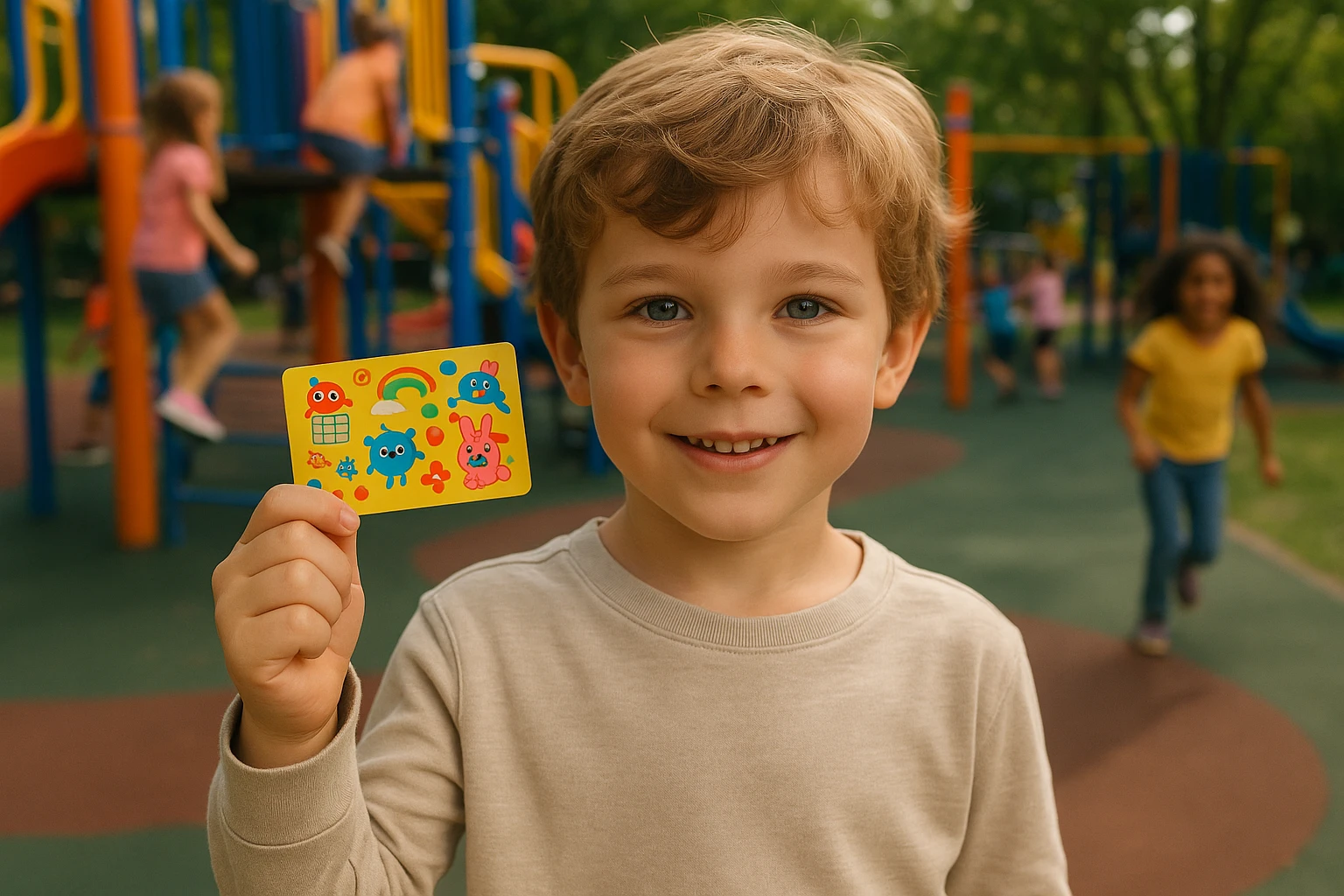
Using a debit card for kids offers numerous advantages, both educationally and practically, for young users. A key benefit is the early development of financial responsibility. By managing a debit card, children learn how to track expenses, save for significant purchases, and appreciate the value of money. This practical experience equips them with essential financial skills they can carry into adulthood.
Moreover, debit cards provide a safe way for kids to access funds. Unlike cash, which can be easily lost or stolen, a debit card can be disabled if misplaced. Parents can monitor transactions through linked apps, offering an additional layer of security and oversight. Many cards feature parental controls which allow for setting spending limits and restrictions on where the card can be used, ensuring that kids spend wisely.
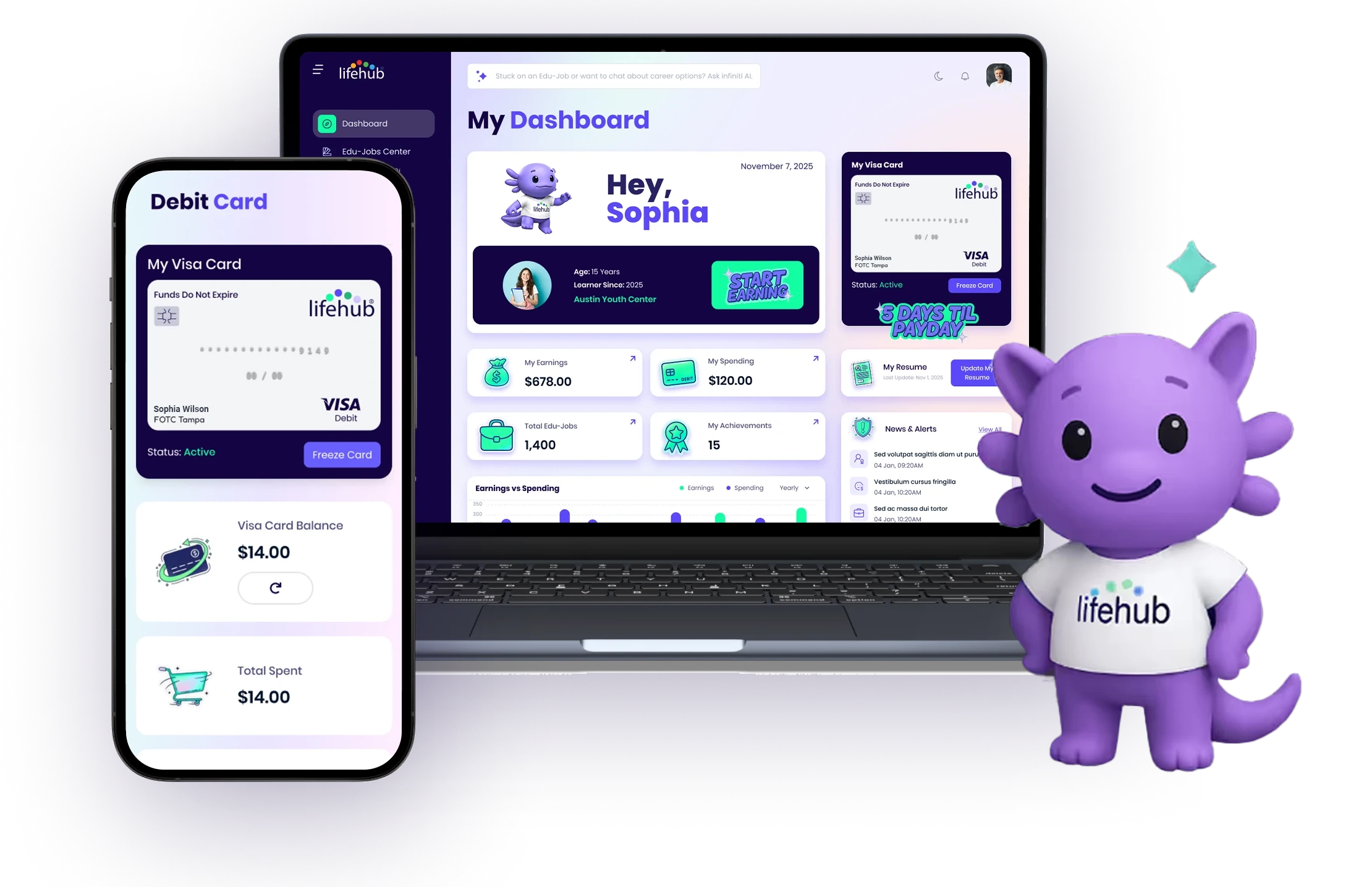
Real-world applications of debit cards for kids are evident in how they facilitate family budgeting and savings plans. For instance, some families use apps like Life Hub to integrate interactive budgeting tools that teach children about saving and spending in a fun and engaging way. These tools can simulate real-life financial scenarios, helping kids understand the impact of their financial choices in a controlled environment.
There is also an educational dimension to consider. Various platforms offer learning modules and games designed to teach financial literacy alongside the practical use of a debit card. An example can be seen in integrated apps that provide challenges and rewards linked to financial goals, making learning about finances a dynamic process. As noted by a recent study from the Journal of Consumer Affairs, early exposure to financial education leads to better financial habits in adulthood (source).
In addition, many parents find that allowing children to manage their finances fosters independence and confidence. Kids take pride in making decisions and purchasing items themselves, which can be empowering. However, it is crucial that parents maintain an open dialogue to guide their children in making smart financial decisions, reinforcing the lessons embedded within the use of debit cards.
Supporting Financial Skills Through Practical Features
Following on the importance of open dialogue and guided independence, introducing practical tools can reinforce financial learning in meaningful ways. Many youth-focused accounts include built-in features that elevate a debit card into a hands-on learning platform. For instance, some programs allow parents to set daily spending caps or transaction thresholds, making overspending impossible while children learn to track their balances in real time ATFCU. This kind of guidance helps children see the immediate effect of their choices and reinforces the balance between spending and saving.
Likewise, other platforms enable chore-based allowances or custom rewards tied to positive behaviors, helping youngsters understand that income can be tied to effort and responsibility. Cards such as those discussed in the CardRatings article include toggling controls, alerts, and savings goal features—all managed via parent-overseen apps CardRatings. These tools turn everyday tasks into teachable moments, transforming routine transactions into opportunities to cultivate budgeting skills and goal-setting.
Moreover, the intuitive nature of digital platforms encourages regular review of spending habits. Rather than spanking cash from a wallet, children see exactly where funds go—whether toward a small snack or saving for a bigger purchase. This transparency fosters reflective discussions: Did they overspend? Are they on track for a goal? This mirrors real-world practices and builds awareness of financial consequences.
Sparking Long-Term Habits with Early Exposure
Evidence suggests that many foundational financial behaviors are established early in childhood—some studies even find that children absorb money concepts by age three and solidify habits by age seven Experian. Embedding routine with a debit card for kids can cement positive financial instincts: planning for purchases, distinguishing needs versus wants, and appreciating the value of delayed gratification.
For example, a child saving toward a desired video game or educational tool must monitor their balance, limit impulse spending, and pace deposits through earned allowance or gift money. Over time, these behaviors transition into self-discipline and intentional spending—the kind many adults wish they developed earlier.
By integrating safeguards, progress tracking, and goal-oriented planning through youth debit cards, parents create a supportive learning environment that aligns with real-life financial responsibility. This combination of autonomy and oversight prepares children not just for today’s transactions, but for informed decision-making in adolescence and beyond.

Conclusion: Empowering the Next Generation
Teaching financial responsibility to children is more important now than ever. As we've explored, using a debit card for kids can be a pivotal tool in this process. Beyond simply managing money, these cards offer an engaging way to learn about budgeting, saving, and even investing from a young age. By fostering financial literacy early, children are better equipped to navigate the complex world of personal finance as they grow.
One of the key takeaways is the integration of technology. Many debit cards for kids come equipped with features like spending alerts and parental controls, creating a safe educational environment. For example, Greenlight allows parents to allocate specific amounts for spending, saving, and giving, offering kids firsthand experience in financial management. This hands-on approach equips children with the skills necessary for future financial independence.
An actionable insight for parents is to involve children in family financial discussions wherever appropriate. This could include planning a family outing within a budget or saving up for a special purchase. Such practices not only reinforce the principles taught through their debit card but also build confidence in handling money responsibly.
For families seeking a structured approach to financial education, consider exploring resources like Life Hub. Life Hub offers comprehensive guides and tools tailored to all aspects of financial education, making it an ideal companion for your child's learning journey. By leveraging such resources, you can ensure that your child receives well-rounded guidance, tailored to their learning pace and style.
In conclusion, the digital age offers a myriad of opportunities for financial education, with kids’ debit cards leading the charge. By adopting these tools and strategies, parents can set the foundation for a financially secure and savvy future for their children. Let's empower our kids with the skills they need to thrive in a financially complex world.


Related Content
Ready to Chat about Life Hub?
Whether you're parents, or a homeschool family, Life Hub is your partner to help you
raise super strong kids.

.svg)

.svg)


.svg)
.svg)

.svg)