Related Content
No items found.




The landscape of education is rapidly transforming with the infusion of artificial intelligence (AI) across public, private, and academic spheres. This transformation necessitates a shift from digital literacy as an optional enrichment to a fundamental societal requirement. At this intersection, educational institutions face a dual crisis: an expanding skills gap between stagnating curricula and a dynamic economy, and declining student engagement due to gamification fatigue.
Traditional digital rewards, such as virtual badges and leaderboard streaks, are no longer sufficient to sustain intellectual engagement. As a result, modern educational technology must transition from passive instruction to experiential, economic participation. This is where the Life Hub platform, developed by Electus Global Education, stands out. Through its comprehensive K-12 AI Literacy Curriculum and patented Monetized Learning Model, Life Hub re-engineers the academic landscape by rewarding intellectual efforts with tangible, real-world financial capabilities.
According to a blog from Life Hub, this innovative approach involves organizing educational resources across strategic verticals. Categories such as Financial Literacy, AI Literacy, and Career & Work Readiness ensure that education never stands alone but is integrated with practical, financial, and institutional strategies vital for lifelong success.
This transformation aligns with behavioral economics research suggesting the need for immediate and tangible reinforcement in education. By positioning learning as an 'Edu-Job'—the career of childhood—Life Hub utilizes its fintech-enabled platform to directly monetize educational tasks. This model links academic effort with economic participation, bridging the gap between intellectual inputs and real-world rewards.
The Life Hub platform's approach resonates with findings from field experiments by Harvard economist Roland Fryer, who revealed the effectiveness of well-designed financial incentives in improving academic achievements. These incentives, when structured correctly, not only maintain but enhance intrinsic motivation, encouraging students to sustain educational engagement even after financial rewards cease.
Ultimately, the Life Hub platform offers a solution to the pressing educational crisis by transforming learning into a financially rewarding endeavor. This realignment of educational and economic outcomes not only meets modern demands but also prepares students for a future where AI and digital literacy are pivotal.
The concept of monetized learning transforms the landscape of education by integrating financial benefits directly into academic achievement. By shifting from passive learning incentives to economic participation, the Life Hub platform aligns educational goals with tangible rewards, offering students a new motivation model. This innovative approach not only encourages sustained engagement but also prepares students for real-world financial management.
Traditional gamification methods, which often rely on abstract rewards, have seen diminishing returns in keeping students engaged. Life Hub's blend of AI literacy and fintech-enriched learning redefines this paradigm. By using real earnings, students perceive educational tasks as meaningful endeavors rather than obligatory exercises. This direct connection between effort and reward revitalizes student interest and participation, bridging the widening skills gap in education.
Life Hub's model enhances financial literacy by encouraging students to manage their earnings through various financial tools and platforms. The partnership with Pathward National Association, which provides the Life Hub Visa Rewards Card, ensures students practice actual money management skills. According to a report by the PwC Charitable Foundation, embedding financial education within core curriculums can significantly improve long-term economic outcomes.
The immediate financial incentives offered by Life Hub not only catalyze instant engagement but also lay the foundation for long-term learning habits. This is supported by studies explaining the positive correlation between direct financial rewards and increased academic performance. These structured incentives empower students to tackle challenging subjects with greater confidence and enthusiasm, as evidenced by the 66% boost in standardized cognitive testing noted by the platform.
For a broader view on how AI is reshaping education, explore 5 Surprising Truths About AI in Education.
Monetized learning addresses the core issues of student disengagement by establishing a framework where education and financial literacy intersect. This strategy not only increases motivation but also prepares students for future economic challenges. By re-engineering AI literacy through such innovative models, platforms like Life Hub redefine what successful learning looks like in today's technology-driven world.
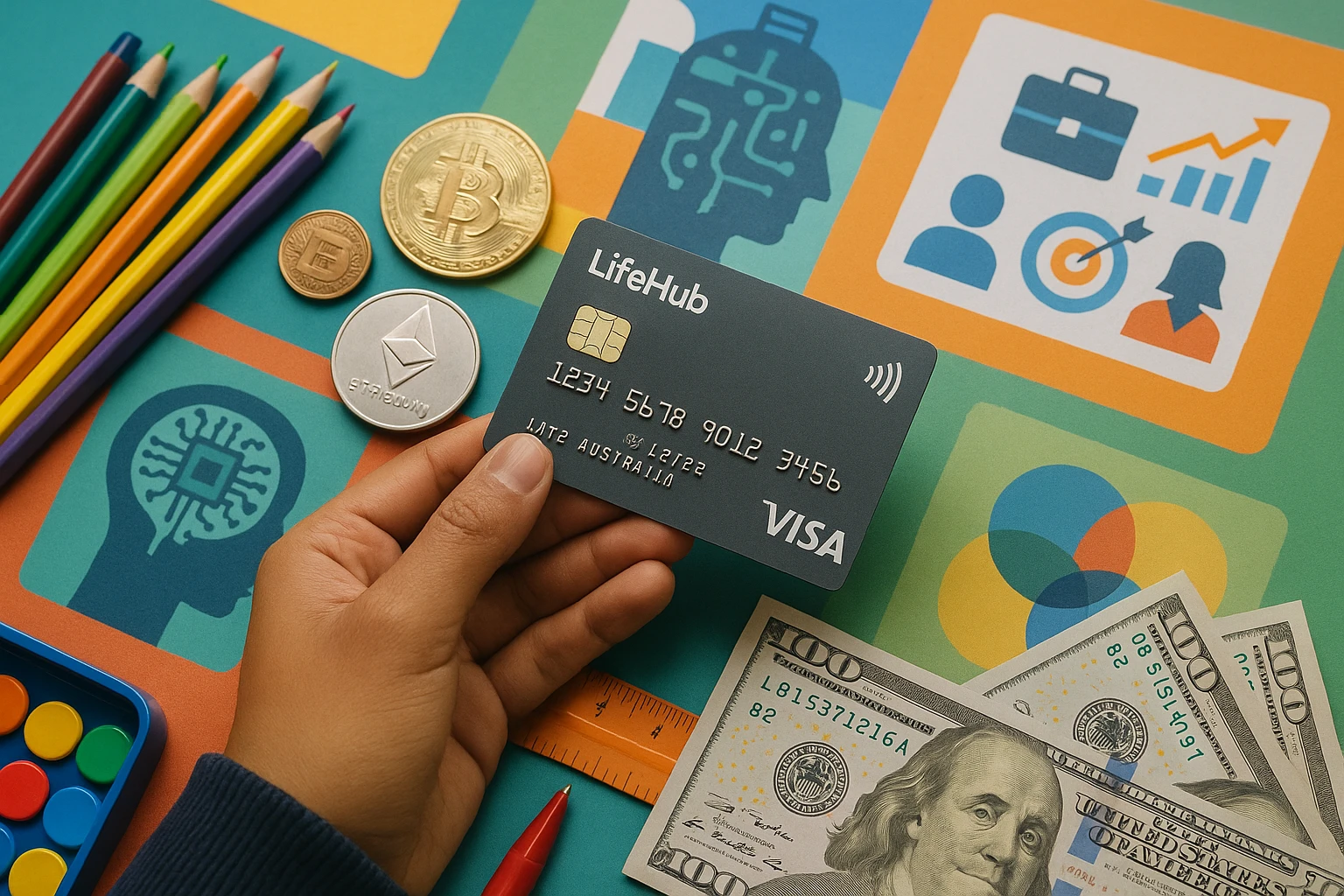
As educational paradigms shift, integrating artificial intelligence into K-12 education offers transformative possibilities for personalized learning. With the advent of adaptive technologies, it's possible to tailor educational experiences based on individual student needs, creating a dynamic learning environment that adjusts to each learner's pace and preferences.
Research shows that adaptive learning technologies, such as those utilized by Life Hub, significantly enhance student engagement and retention. By leveraging AI analytics, platforms can monitor student progress in real-time, providing insights that allow educators to customize lesson plans and learning paths. This personalized approach ensures that no student is left behind, accommodating varying learning styles and competency levels. According to Forbes, adaptive learning can boost retention rates by up to 30%, underscoring its potential impact.
One of Life Hub's standout features is its AI-powered learning coach, Fini, which offers 24/7 support to students. Fini utilizes complex algorithms to analyze learning behaviors, adjusting the difficulty and pace of educational materials in real-time. This not only keeps students within a "challenge zone," but also encourages continuous improvement without overwhelming them. The implementation of such AI tools showcases the potential for technology to expand educational access and equity by supporting diverse learning needs.
These advancements are part of a broader educational trend towards experiential, monetized learning models. By integrating Life Hub's unique approach of rewarding academic achievements financially through its fintech ecosystem, students are incentivized to engage deeply with content, bridging the gap between theoretical knowledge and practical, real-world application.
Case studies from Life Hub have demonstrated remarkable results. Schools implementing this model reported increased student motivation and performance. A controlled study revealed that students participating in monetized learning exhibited a 60% improvement in motivation compared to control groups that used traditional incentive models. These findings align with studies cited by Harvard economists, emphasizing the design-specific success of financial incentives.
By offering tangible rewards, the monetized learning model helps students form positive academic habits that persist even after incentives cease, effectively debunking concerns about diminishing intrinsic motivation. This innovative approach offers actionable insights for educators seeking to improve engagement and outcomes through strategic technology integration.
The implementation of adaptive AI technologies within K-12 education systems marks a pivotal step in modernizing learning methods and fostering lifelong learning habits, preparing students effectively for the demands of an AI-driven world.
A successful implementation of the Life Hub model requires active participation from both parents and educators. They are crucial in providing the support and guidance necessary for students navigating through the Monetized Learning Model, allowing the holistic integration of AI literacy and financial discipline into their daily learning environments.
Integrating Monetized Learning transforms how parents perceive educational involvement. Rather than focusing solely on academic accountability, parents become financial coaches, guiding their children in managing earnings from completed educational tasks. Practical financial management skills such as saving, budgeting, and investing become part of everyday discussions, thereby preparing students for real-world financial responsibility.
The transition from traditional reward systems to a financial model shifts the family dynamic, encouraging more profound discussions on the value of money. Parents can utilize resources provided by the platform, such as webinars and workshops, to stay updated on effective coaching methods. This familial engagement not only strengthens relationships but fosters a coherent understanding of the benefits of responsible financial behaviors. [source: no link found]
Educators also play a pivotal role in implementing this innovative learning framework. The Life Hub platform provides extensive training sessions, ensuring teachers are proficient in integrating AI concepts with financial learning tools. By adopting a student-centered teaching methodology, educators foster an environment where students actively engage in learning AI principles while understanding their economic implications.
Moreover, educators are equipped to track and analyze student progress through enhanced analytics dashboards provided by Life Hub. These insights allow tailored interventions, ensuring that every student achieves their potential in AI literacy and financial acumen. With this approach, teachers can transition from traditional instruction methods to those that prioritize experiential learning, cultivating classrooms that are both interactive and economically aware.
To create a sustainable education model, collaboration among educational stakeholders is crucial. Life Hub organizes community forums and roundtables involving educators, parents, and students, promoting a sharing of ideas and best practices. These discussions foster a sense of community and strengthen the commitment to continuous improvement of the Monetized Learning Model. [source: example engagement strategy]
Ultimately, the synergy between parents, educators, and the Life Hub platform establishes a robust support system that significantly enhances student outcomes. This collaborative framework not only equips students with essential AI and financial skills but also ensures they are well-prepared to face the challenges of an AI-driven future.
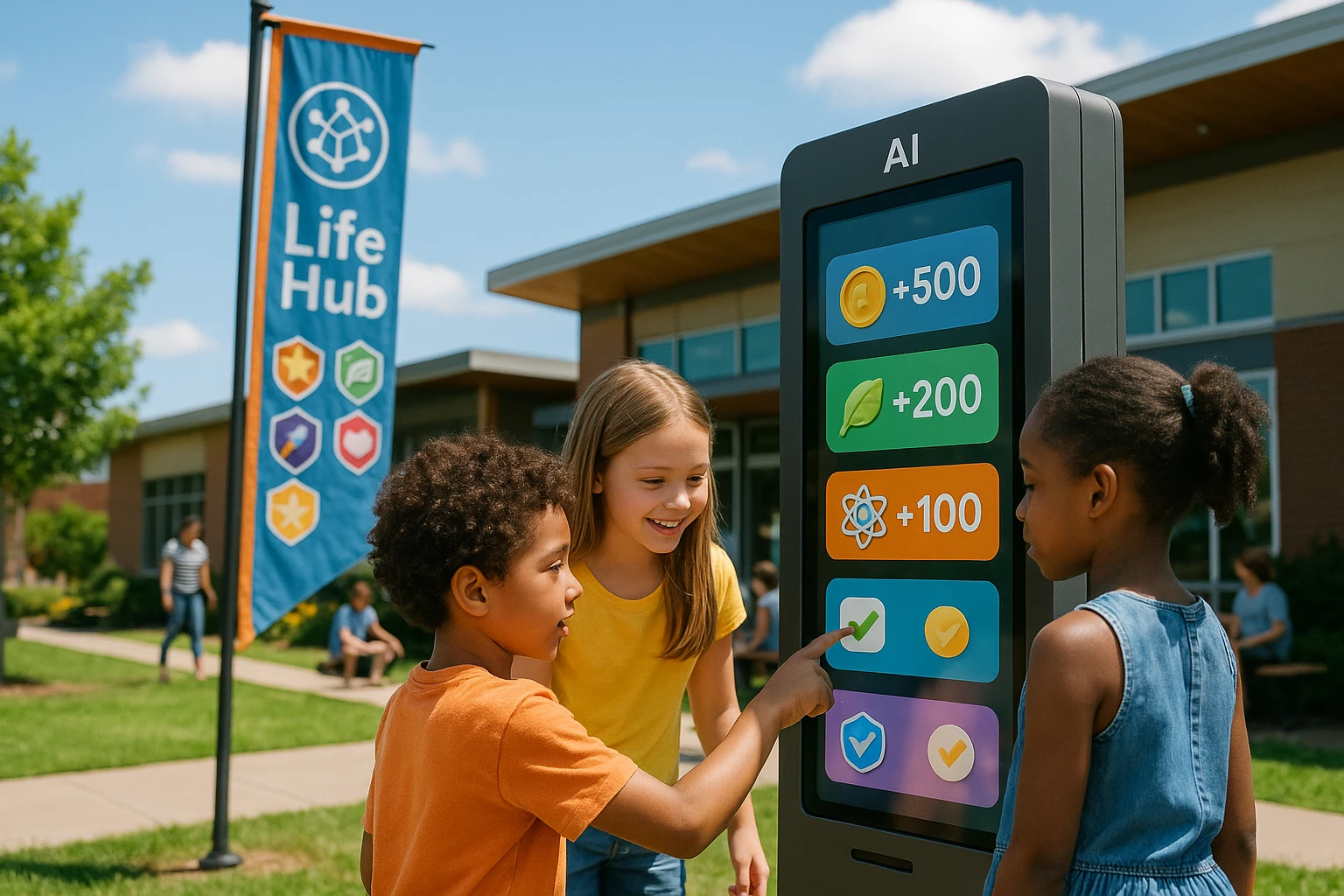
The educational landscape is rapidly evolving, and there's a pressing need for innovative solutions that can bridge the gap between traditional teaching methods and the demands of the digital economy. By "re-engineering K-12 AI literacy," Life Hub is transforming the way students interact with technology and education. This comprehensive approach not only engages students but also enhances their readiness for future careers.
Life Hub offers a unique platform where monetized learning meets educational excellence. By rewarding students with tangible financial benefits, the platform addresses gamification fatigue and significantly boosts motivation. This paradigm shift ensures that academic achievements are directly linked to real-world outcomes, fostering a sense of responsibility and achievement among students.
Critical to this transformation is the 21-course AI Literacy Curriculum, designed to transition students from passive tech consumers into active, ethical builders of artificial intelligence. These courses are structured to adapt to individual learning paces, ensuring sustainable engagement and knowledge retention. By introducing financial literacy and career readiness into the curriculum, Life Hub prepares students to navigate complex economic landscapes with confidence and skill.
For those looking to implement transformative educational strategies, consider adopting Life Hub's innovative approach. By doing so, educators can prepare students for a highly automated workforce while receiving support through strategic partnerships and funding frameworks. Visit Life Hub to explore how this platform can be integrated into your educational setting for enhanced student engagement and success.
Ultimately, by shifting the educational focus from passive instruction to active, incentivized learning, Life Hub paves the way for students to achieve unprecedented outcomes while ensuring they are well-equipped for the challenges of the dynamic modern economy.


Whether you're parents, or a homeschool family, Life Hub is your partner to help you
raise super strong kids.
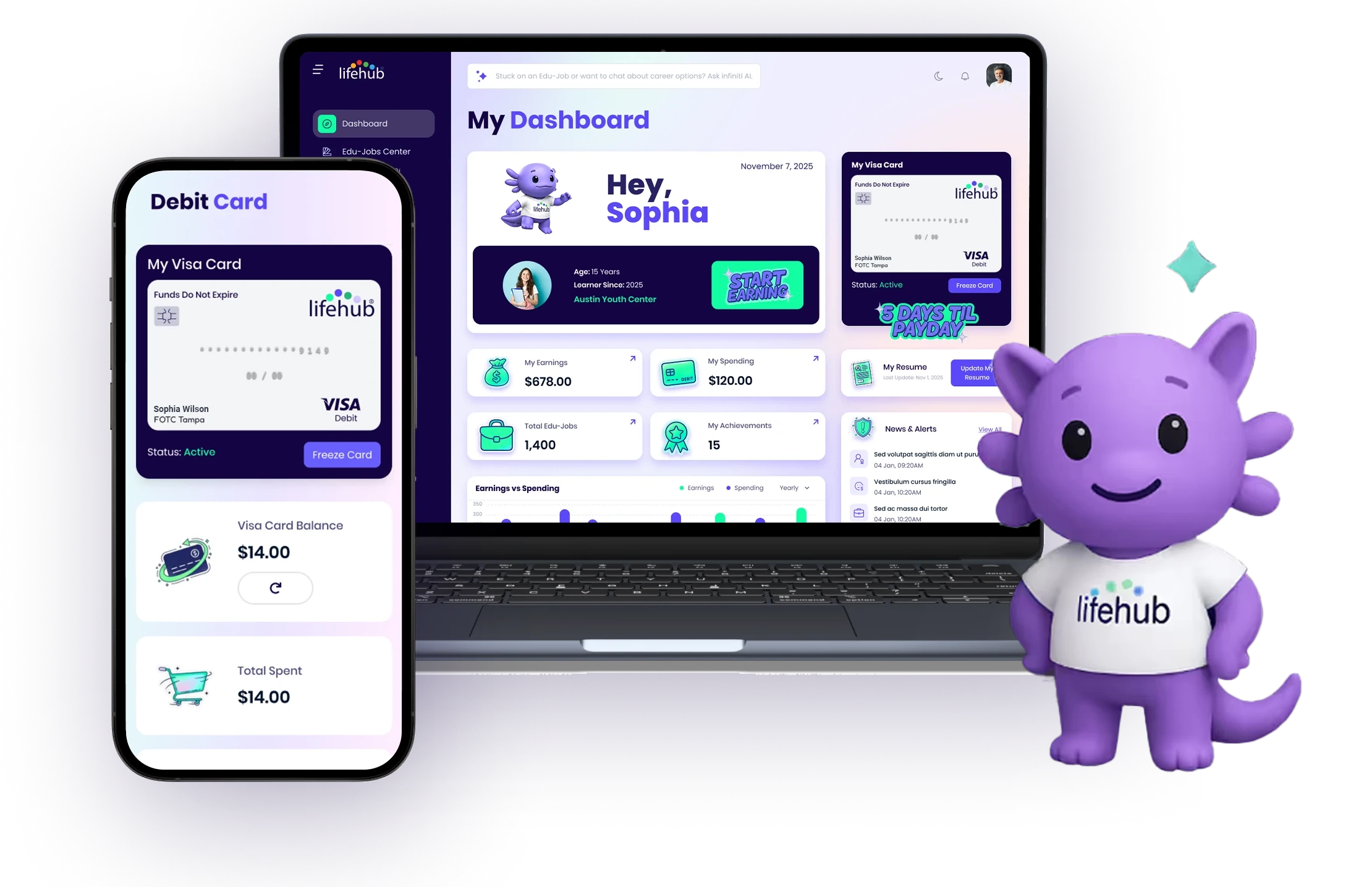

Turning high value micro-learning into real-world cash and non-cash rewards with tokenization.

.svg)



Electus Global Education Co, Inc. has received support from The American Heart Association Social Impact Funds.
.svg)
.svg)
.svg)

.svg)
