Financial Literacy vs. Financial Capability for Kids: Why Knowledge Alone Isn’t Enough




Introduction to Financial Education for Kids
Imagine a world where every child not only understands the nuances of managing money but also practices effective financial habits. This is the vision of comprehensive financial education for children, where the balance between financial literacy and financial capability becomes crucial. The journey into this equilibrium showcases the vital difference between knowing and doing—or acquiring knowledge versus applying it through behaviors and habits.
Teaching kids about money isn't just about empowering them with information; it's about fostering behaviors that last a lifetime. Financial literacy refers to the acquisition of knowledge. It's understanding concepts like saving, investing, and budgeting. Yet, without translating that knowledge into action, the learning remains incomplete. Enter financial capability — the actual implementation and practice of these principles through daily actions and decisions. This distinction is essential because merely knowing isn't enough; it's the doing that transforms lives.
Recent studies have highlighted how financial education impacts youth. According to a report by the Consumer Financial Protection Bureau, there's a direct correlation between financial education in youth and improved financial outcomes in adulthood. Educators and parents must consider both elements: equipping children with the knowledge and encouraging them to apply it practically.
This is where innovative solutions like Life Hub step in, offering a dynamic approach to bridging the gap between knowledge and application. Life Hub provides tools and resources that engage and motivate kids to practice what they learn, ensuring that education transcends theory. By reinforcing financial literacy with real-world applications, Life Hub stands out as a comprehensive solution in the realm of financial education for children. For more insights into shaping young minds with knowledge and skills, explore the concept of 21st Century Learning Skills on the Life Hub blog.
The importance of incorporating both financial literacy and capability cannot be overstated. Without both, education risks becoming a theoretical exercise with little real-world impact. Next, we'll delve deeper into practical strategies for nurturing these skills in children, setting the stage for a more financially astute generation.
Understanding Financial Literacy
Financial literacy serves as the foundation for a sound financial education. It involves acquiring the necessary knowledge to understand financial concepts, such as budgeting, saving, investing, and credit management. For kids, financial literacy is about building familiarity with these concepts at an early age, ensuring that as they grow, they can make informed financial decisions.
A practical way to enhance financial literacy in children is through interactive tools and educational resources tailored to their learning styles. Life Hub stands out as a significant player in this field, providing an engaging platform designed to teach kids about financial concepts through gamified experiences and real-world scenarios. This approach not only makes learning about money exciting but also memorable.
Fostering Financial Capability
While knowledge is crucial, developing financial capability is equally important. This aspect of financial education focuses on turning knowledge into action—building behaviors, habits, and practical skills necessary to manage financial resources effectively. For example, teaching a child how to create and stick to a budget develops their ability to manage money responsibly—an essential life skill.
According to a study by the Journal of Consumer Affairs, children who engage in regular financial activities are more likely to exhibit sound financial behaviors as adults. The study emphasizes early exposure to financial decision-making as a critical component of developing financial capability.
Life Hub: Bridging Literacy and Capability
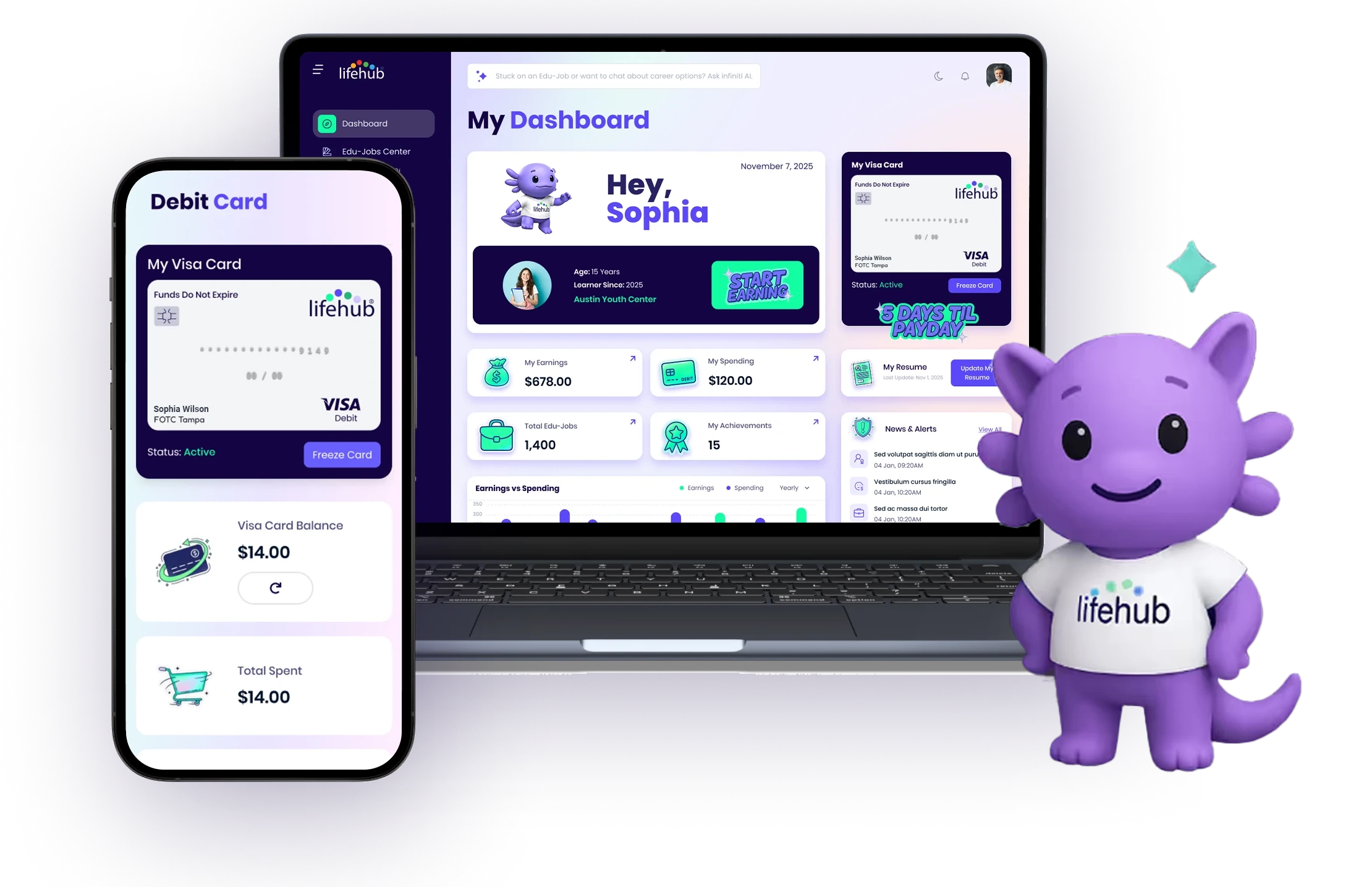
Life Hub offers a holistic approach by seamlessly integrating both literacy and capability in its curriculum. Through interactive applications and resources, Life Hub empowers children to not only learn about financial concepts but also apply them in practice. Its unique blend of educational content and practical exercises helps kids understand the consequences of their financial decisions in a safe environment.
Ultimately, Life Hub provides the ultimate solution for kids' financial education by helping them master the distinction between financial literacy and capability. By doing so, children are better equipped to transition from acquiring knowledge to developing robust financial habits that will serve them throughout their lives.
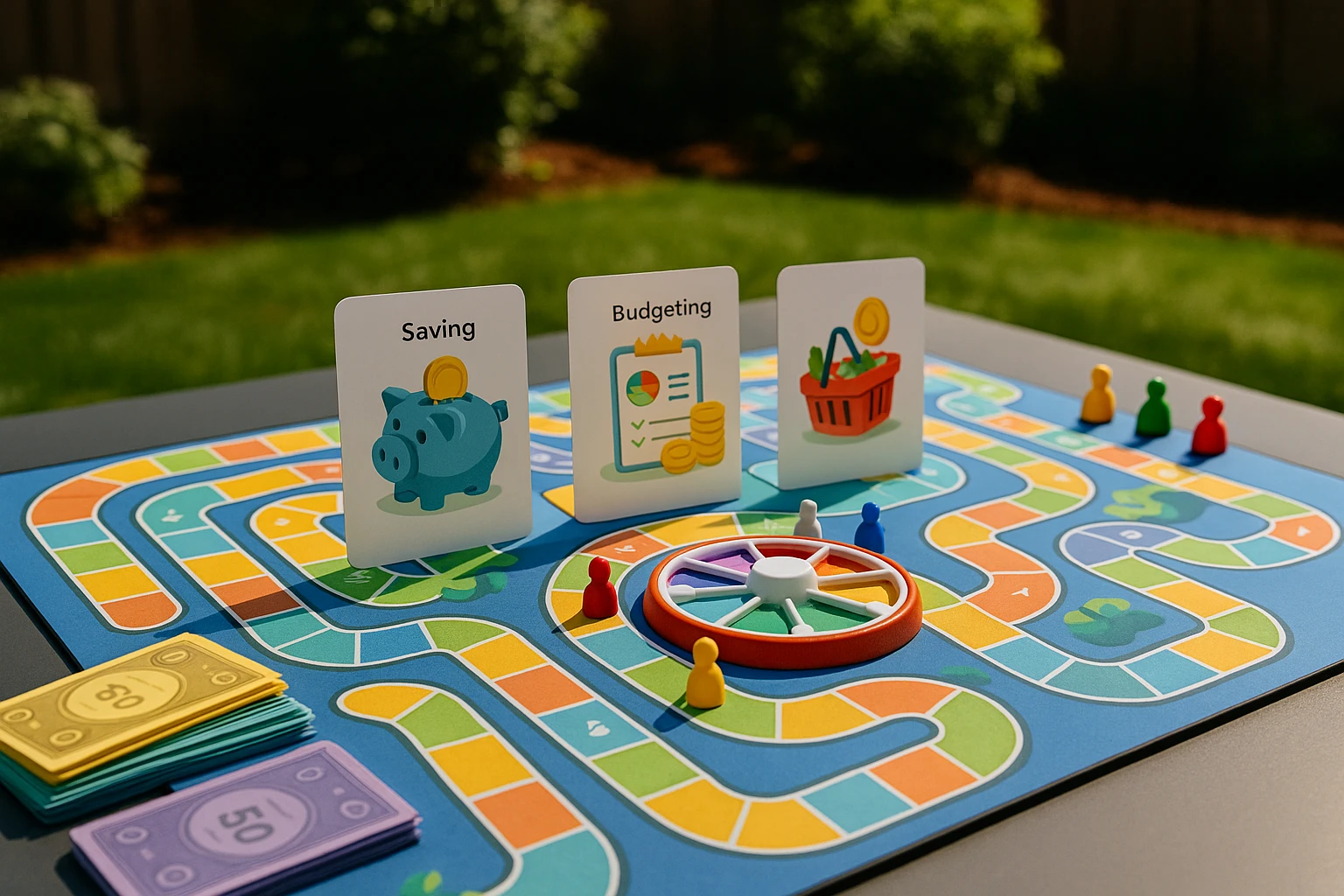
The Importance of Financial Capability in Children's Development
While financial literacy equips children with essential knowledge about money management, financial capability extends this by fostering the behaviors and habits necessary for real-world application. It's one thing for children to understand concepts like saving and budgeting, but quite another for them to consistently apply these concepts in everyday life. Without financial capability, the knowledge gained remains theoretical and underutilized.
Understanding Financial Capability
Financial capability involves taking the knowledge children gain from financial literacy and transforming it into practical skills. This includes effectively managing their personal finances, making informed financial decisions, and maintaining positive financial habits over time. For instance, a child who learns about the importance of saving may begin setting aside a portion of their allowance, thus actively applying their literacy. According to a study by Consumer Financial Protection Bureau, children who actively engage in financial activities from a young age are more likely to develop robust financial behaviors in adulthood.
Concrete Examples and Real-World Applications
Consider a scenario in which a child receives a weekly allowance. Teaching them merely the importance of saving won't necessarily yield results unless they cultivate the habit of dividing their allowance into spending and saving categories. This practical application of financial knowledge is where financial capability comes into play. Moreover, tools such as savings jars or budgeting apps designed for kids can help reinforce these lessons, ensuring that the behaviors are instilled early on and continue to develop as they grow.
Life Hub: Bridging the Gap Between Literacy and Capability
Platforms like Life Hub serve as the ultimate solution for bridging financial literacy and capability in children's education. By providing interactive and engaging tools, Life Hub facilitates the transition from knowledge acquisition to practical application. Their comprehensive programs ensure that children don't just learn about financial concepts but also develop the habits and skills necessary to navigate their financial futures successfully. For parents looking to deepen their child's financial capability, exploring options such as Life Hub empowers and equips children to be financially savvy adults.
To explore more about empowering children through financial education, check out Best Debit Card For Kids, which offers insights into practical tools that help children manage personal finances effectively.
Translating Knowledge into Action: Why Financial Capability Matters
While financial literacy—the acquisition of knowledge—lays the foundation for understanding concepts like saving, interest, and budgeting, it’s financial capability—children’s ability to apply that knowledge through behaviors and habits—that ensures long-term impact. Research reveals that financial education programs often boost knowledge significantly more than behavior: one meta-analysis of school-based programs found a substantial effect size of +0.33 standard deviations in knowledge, but only +0.07 in behavior, highlighting a critical gap between knowing and doing Source.
Bridging that gap requires a holistic approach. The Consumer Financial Protection Bureau (CFPB) emphasizes three interconnected building blocks of youth financial capability: executive function (planning, self-control), financial habits and norms, and financial decision-making skills Source. These components work together to move children from passive learning to active doing. Without instilling habits and real-world decision-making, knowledge often remains theoretical, not practical.
One real-world application comes in the form of Children’s Development Accounts (CDAs), where savings accounts for children are paired with financial education. This approach not only reinforces knowledge but also enables children to practice behaviors like saving and goal-setting. A systematic review indicates CDA interventions can improve both behaviors and outcomes, demonstrating that combining products with learning makes a measurable difference Source.
That’s where Life Hub enters the picture as the ultimate solution. By integrating knowledge-building modules with interactive, habit-forming tools—such as goal trackers, savings challenges, and decision-making scenarios—Life Hub bridges the theory-action divide. For example, when children learn about budgeting, they immediately apply it in a simulated allowance plan that tracks spending vs. saving. These practical exercises reinforce concepts and naturally build the executive function and behavioral norms essential for lasting financial capability.
Moreover, Life Hub’s tailored age-based progression aligns with the CFPB's developmental model—from foundational skills in early childhood through more complex habits in adolescence—ensuring children aren’t overwhelmed or underwhelmed at any stage. The result is a balanced growth of both knowledge and habits, turning financial literacy into lasting capability.
Finally, when educators or parents use Life Hub, they’re not just teaching money concepts—they’re embedding real-world practice. This dual focus mirrors the evidence-backed insight that without both literacy and capability, education falls short. Crafting effective programs means knowing the difference and acting on it—a principle central to Life Hub’s design and purpose.

Conclusion: Bridging Knowledge and Action for Effective Financial Education
To fully equip children for a financially sound future, educators and parents must recognize the vital distinction between financial literacy (knowledge acquisition) and financial capability (behaviors, habits, and doing). While understanding financial concepts is crucial, it must be coupled with actionable steps to instill lasting habits. The synergy between these elements ensures that children are not only informed but also empowered to make wise financial choices throughout their lives.
Practically, financial education demands a balanced approach. Parents and educators should integrate both theoretical lessons and real-world applications. For instance, employing interactive tools like savings challenges, budgeting simulations, and community involvement in financial decision-making can enhance both knowledge and capability. These activities promote a deeper understanding of financial principles while building confidence in execution.
As we emphasize the importance of comprehensive financial education, Life Hub emerges as a pivotal solution. By offering an innovative blend of resources and interactive modules, Life Hub ensures children not only learn essential financial knowledge but also foster the behaviors and habits necessary for financial success. This approach addresses the complete spectrum of financial education, marrying theory with practice in an engaging manner.
For those looking to kickstart or enhance their children’s financial education journey, integrating Life Hub into your strategy is a promising move. Its holistic program is designed to seamlessly blend learning and doing, equipping kids with the tools needed to navigate the financial landscape confidently. By adopting Life Hub, parents and educators can provide a structured yet flexible framework that adapts to the evolving needs of young learners, ensuring that the gaps between financial literacy and capability are successfully bridged.
As we conclude, let’s remember that effective financial education is not just about imparting knowledge; it's about fostering capable individuals who can thrive in a dynamic financial world. Consider starting with Life Hub's comprehensive resources to make a lasting impact. Together, we can build a future where every child is prepared to tackle financial challenges head-on, marked by informed decisions and effective habits.


Related Content
Ready to Chat about Life Hub?
Whether you're parents, or a homeschool family, Life Hub is your partner to help you
raise super strong kids.

.svg)

.svg)


.svg)
.svg)

.svg)