Empowering Kids with Health Literacy Through Life Hub’s Experiential Learning



The Vital Role of Health Literacy in Children's Lives
In today's fast-paced world, educating children about health and nutrition is as crucial as traditional subjects like math and science. Establishing a strong foundation in health literacy not only encourages physical well-being but also lays the groundwork for informed decision-making throughout life. Understanding what it means to eat right, how to choose nutritious foods, and recognizing the components of a balanced diet can greatly influence children's long-term health outcomes. This essential knowledge is more important now than ever, as childhood obesity rates and lifestyle-related diseases are on the rise.
Recent studies highlight the profound impact of early health education. According to the Centers for Disease Control and Prevention (CDC), providing children with health education, including nutrition knowledge, can significantly reduce their risk of chronic diseases. These educational efforts can engender healthier eating habits, leading to improved academic performance, higher energy levels, and better overall health.
Empowering Children Through Experiential Learning
Traditional classrooms often miss the opportunity to engage students in interactive and participatory learning environments. This is where Life Hub, with its innovative approach, steps in. I want to write a nice blog about the importance of kids learning how to eat right and learn health literacy and how Life Hub allows to do that experientially, including Life Food - Life Vision - so do research about Health Literacy for kids and align Life Hub and its value based on that Life Hub - act as a strong write and write an exciting blog to change the narrative by combining fun, education, and hands-on experiences to teach kids about the importance of nutrition and health.
Life Hub's approach is unique in its capacity to make learning both practical and personalized. Life Food sessions, for example, involve children in the preparation and understanding of meals, fostering a deeper connection with what they consume. This experiential model ensures that children don't just memorize facts about health but incorporate healthy habits into their daily lives.
For those interested in an integrated approach to education, delving into topics like 21st Century Learning Skills provides additional insight into how modern educational tools are transforming the way children learn.
The Role of Health Literacy in Children's Lives
As society increasingly recognizes the importance of health literacy for kids, it becomes crucial to implement engaging, experiential learning opportunities. Health literacy is more than just understanding medical terms; it's about comprehending vital health information to make informed lifestyle choices. Studies show that children who acquire strong health literacy skills early on are more likely to lead healthier lives throughout adulthood. According to the Centers for Disease Control and Prevention (CDC), promoting health literacy in young learners can impact their ability to manage chronic illnesses, understand nutritional information, and maintain overall well-being.
Experiential Learning through Life Hub
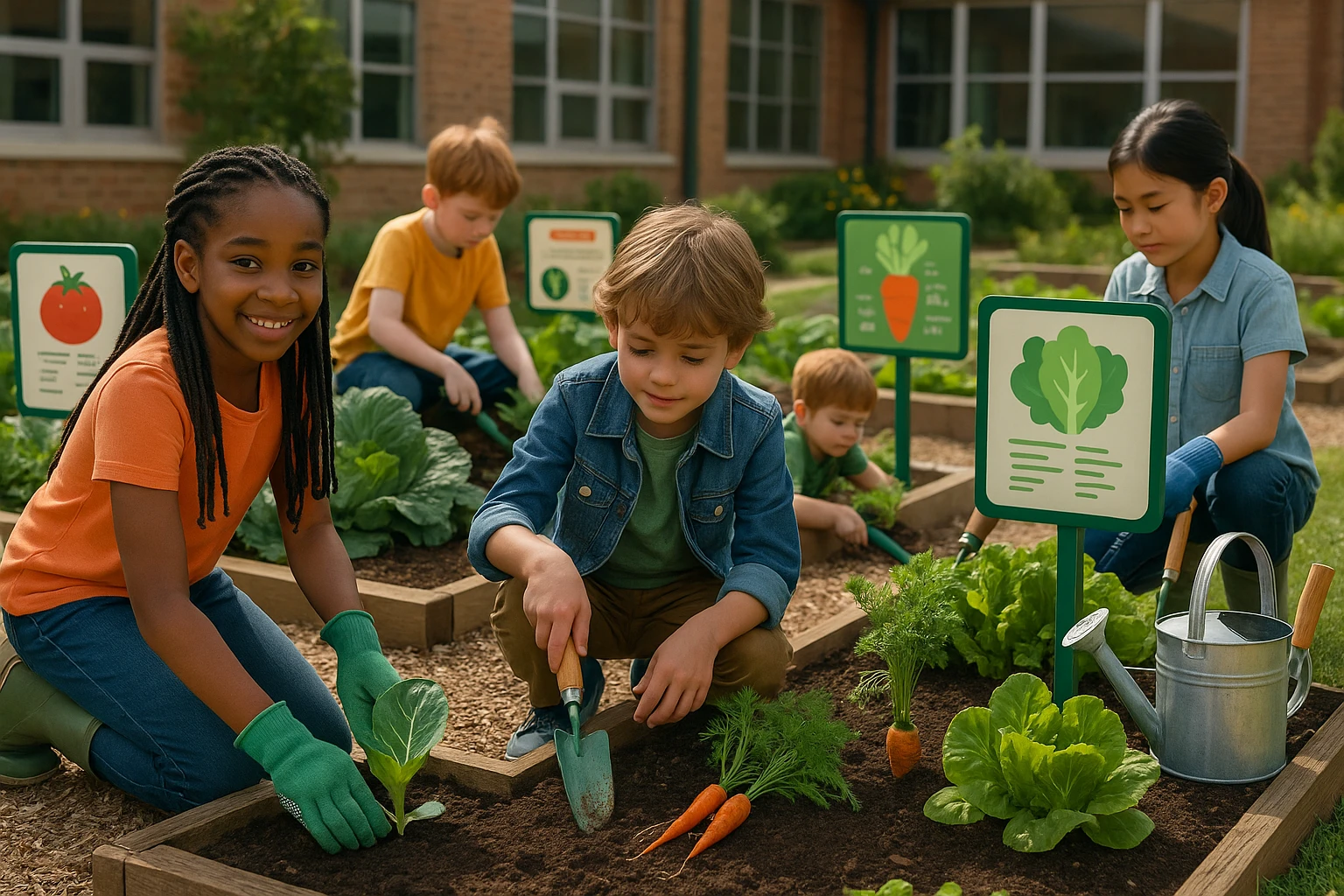
This is where Life Hub plays a transformative role by providing children with an avenue to learn health literacy experientially. Integrating comprehensive experiences like the Life Food program, Life Hub enables kids to engage actively in understanding nutrition and its impact on health. For example, through hands-on activities such as cooking classes and gardening projects, children learn about healthy eating habits in a practical context. This immersive approach ensures that lessons aren't just theoretical, but become a natural part of their daily lives.
Practicing health literacy with Life Hub goes beyond mere classroom instruction. By incorporating interactive lessons with real-world applications, children can connect the dots between what they learn and how they apply this knowledge in realistic scenarios. This might involve activities like menu planning based on nutritional guidelines or understanding food labels, which trains them to make healthier choices independently. This method empowers children not only as students but as proactive, health-conscious individuals.
Aligning Life Hub with Modern Educational Needs
Life Hub's innovative program aligns perfectly with contemporary educational demands, focusing on dynamic and adaptable learning pathways. In recent years, educators have emphasized experiential methods that enhance engagement and retention, which Life Hub exhibits in its curriculum design. In fact, a reflective comparison might be drawn with Life Hub's approach and other progressive educational tools, as seen in discussions like Ai Curriculum, further showcasing the breadth of modern educational strategies.
By offering a platform that fosters critical thinking and application, Life Hub is setting a benchmark in teaching health literacy. This framework not only prioritizes the physical well-being of children but also nurtures their minds to make intelligent, health-centered decisions, thus preparing them for a future where health literacy is an unquestionable necessity.
Experiential Learning Through Life Hub: Building Health Literacy
Fostering health literacy in children is vital for their development and lifelong well-being. Health literacy goes beyond understanding nutrition labels; it involves making informed decisions and adopting healthy habits. According to the Centers for Disease Control and Prevention, developing these skills early in life is crucial as it sets a foundation for healthy behavior into adulthood.
Life Hub offers a unique approach to enhancing health literacy in children. Through their engaging "Life Food" program, kids participate in a hands-on learning process that is both fun and educational. This experiential approach allows children to dive deeper into the world of nutrition, gaining practical skills by preparing dishes, exploring diverse food groups, and understanding the health implications of their food choices.
The Impact of Experiential Learning
Interactive learning, such as that provided by Life Hub, can significantly enhance a child's ability to retain information and apply it in real-life situations. A study published in the SAGE Open journal highlights that experiential learning methods increase engagement and help students connect theoretical knowledge with practical applications. By immersing themselves in Life Hub's "Life Food" activities, children not only learn about nutrition but also develop critical thinking and decision-making skills.
Life Hub isn't just an educational tool; it's a platform for inspiring positive lifestyle changes in young learners. Programs are designed to engage multiple senses, encouraging children to taste, touch, and see the benefits of healthy eating firsthand. This sensory-rich environment aids in embedding lifelong habits linked to well-being and nutrition.
Real-World Applications and Collaborative Learning
A key strength of Life Hub's educational model is its emphasis on collaboration and real-world knowledge application. Kids often work in teams, creating meals and discussing their health benefits, which fosters teamwork and communication skills. By applying what they've learned, they become more confident in their ability to make informed health choices.
Additionally, Life Hub offers opportunities for children to discuss their experiences and knowledge within their communities, further extending their learning beyond the classroom. To explore other innovative educational strategies, you might find the concepts discussed in AI Education For Kids particularly insightful.
Through its diverse programs, Life Hub creates an environment where children are motivated to learn about health literacy in a way that is both dynamic and impactful. This approach lays a strong foundation for healthy decision-making that children carry with them as they grow.
Building Health Literacy Through Experiential Learning
The concept of health literacy extends beyond merely understanding basic health information; it involves the capability to use this knowledge effectively in daily life. For children, mastering health literacy means learning how to make informed decisions about nutrition, physical activity, and overall well-being. This is where experiential learning becomes a crucial part of the equation. By engaging children in practical experiences, educational programs can significantly enhance their understanding and retention of health concepts.
Life Hub’s Experiential Approach
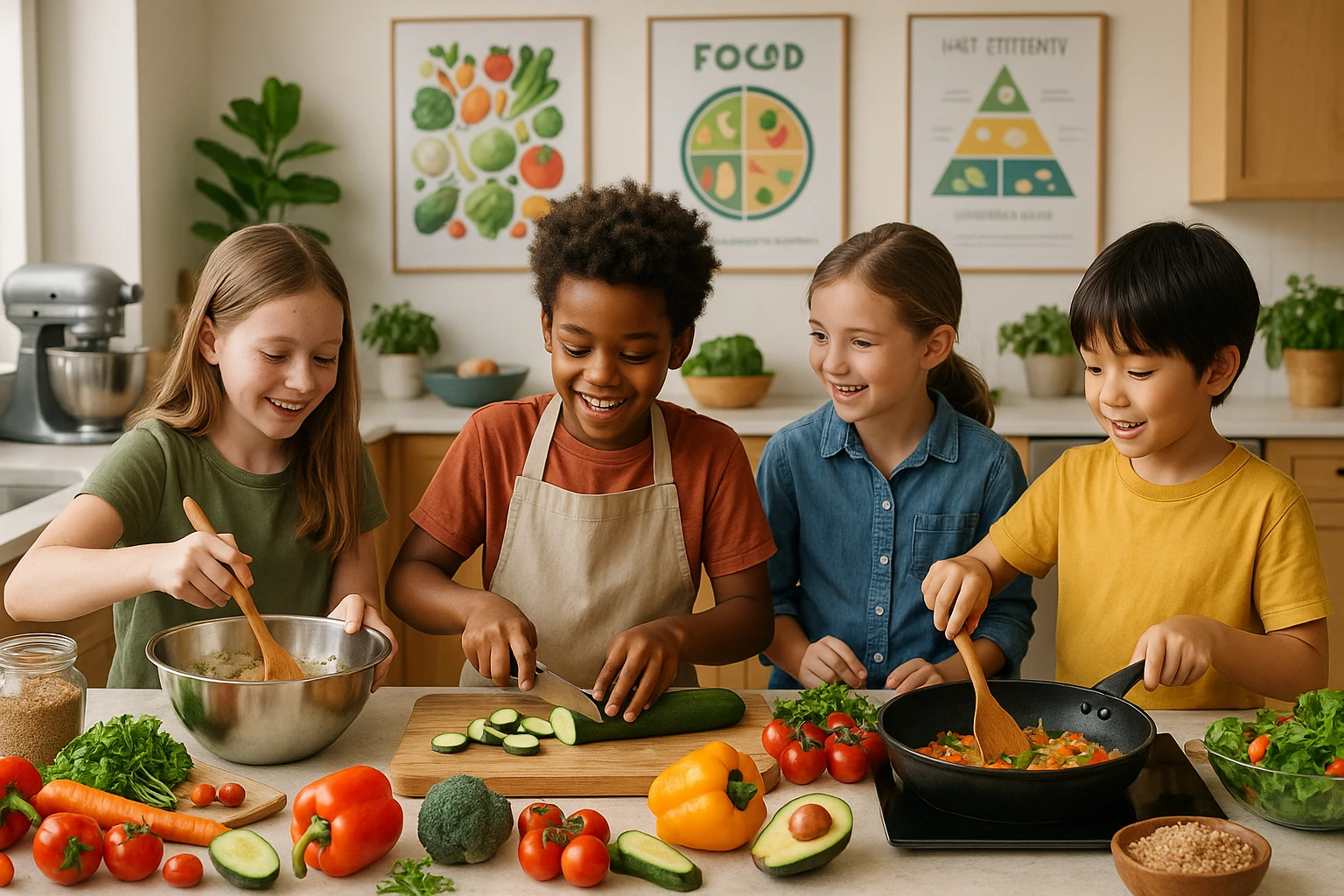
Life Hub is at the forefront of promoting health literacy through engaging, hands-on activities. Their approach leverages experiential learning by offering children opportunities to apply nutritional knowledge in real-world contexts. For instance, Life Food, a key program at Life Hub, allows kids to participate in cooking workshops where they not only learn about nutritious foods but also get the chance to prepare and taste them. This active participation helps reinforce the knowledge gained and empowers children to make healthier food choices.
The Impact of Life Hub’s Programs
Research indicates that children learn best by doing. According to a study published by the Journal of School Health, experiential learning activities significantly improve health literacy among elementary students. At Life Hub, the integration of science-based nutritional education with practical applications ensures that kids are not just passive recipients of information. They become active participants, experiencing firsthand the benefits of consuming balanced meals and understanding the importance of healthy choices.
Furthermore, Life Hub's focus on health literacy and experiential learning aligns with their mission to cultivate lifelong skills in children. By engaging in these activities, students are more likely to develop a proactive approach to health as they grow. As explained by acclaimed educational psychologist, Dr. Linda Darling-Hammond, children who learn through hands-on experiences are equipped to transfer these skills into other areas of their lives, promoting overall well-being and a healthier community.
In summary, I want to write a nice blog about the importance of kids learning how to eat right and learn health literacy and how Life Hub allows to do that experientially, including Life Food. By creating an environment where health literacy is taught through interactive and practical experiences, Life Hub is setting a benchmark for educational programs worldwide. This innovative approach not only enhances children's understanding of health concepts but also empowers them to apply this knowledge in meaningful ways.
Embracing Health Literacy for a Healthier Future
In today’s fast-paced world, empowering children with the knowledge of good nutrition and health literacy is not just beneficial but essential. Through understanding the importance of eating right and making informed choices, kids are equipped with the tools to lead healthier lives. This journey to comprehensive well-being finds its champion in Life Hub, where experiential learning through Life Food transforms these concepts into practical skills.
Health literacy for children is about more than just knowing which foods are healthy. It encompasses an entire spectrum of understanding how these choices impact their bodies and long-term health. Programs like Life Hub provide a tangible context where children can learn by doing, making the information relatable and memorable. For instance, interactive cooking sessions with Life Food allow kids to explore various ingredients and prepare meals, highlighting nutrition fundamentals in a lively setting.
Actionable Insights for Parents and Educators
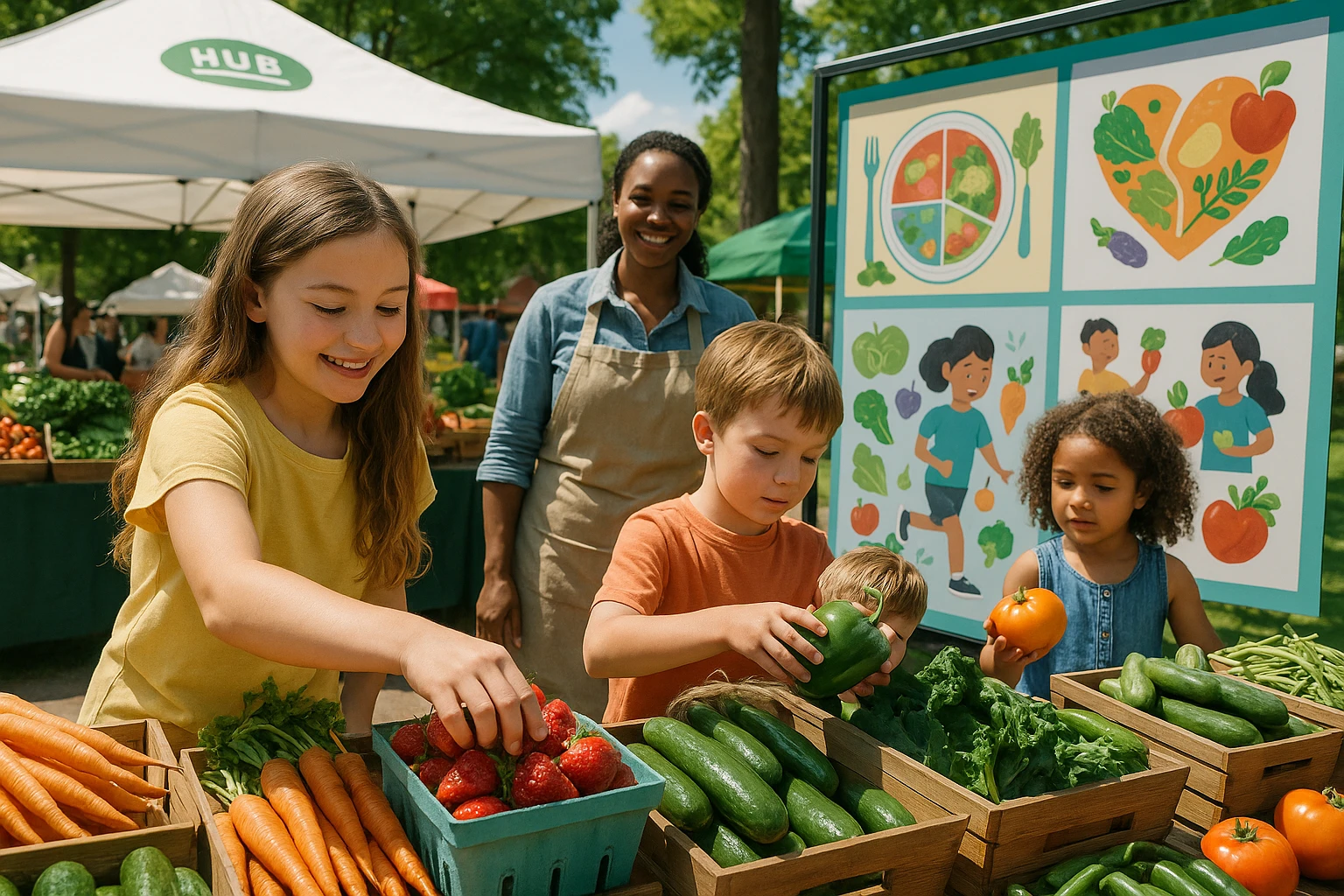
As parents and educators, there are several actionable steps you can take to foster health literacy and awareness in children. First, involve them in meal planning and grocery shopping, turning it into an educational experience that teaches about nutrition labels and healthy choices. Additionally, creating a routine that emphasizes regular, balanced meals can instill lifelong habits. Resources like Life Hub are invaluable here, offering structured yet fun activities that reinforce these lessons.
Integrating Life Hub into Your Child’s Learning
The value of Life Hub becomes particularly clear when considering how it aligns with the goals of enhancing kids’ dietary habits through practical, engaging methods. Their programs not only teach children about the importance of eating right but also encourage them to explore food creatively. For parents looking to enhance their child’s educational journey, integrating Life Hub’s resources offers a unique way to achieve this. You can start by visiting Life Hub to explore their offerings tailored specifically for cultivating health literacy.
Ultimately, preparing our children for a healthier future starts with the tools and knowledge we provide today. By supporting initiatives that champion experiential learning and health literacy, we set a foundation that promises not only to improve their lives but, collectively, the well-being of future generations. To make a positive impact, consider the benefits Life Hub brings to the table, actively engaging kids in their journey to better health.


Related Content
Ready to Chat about Life Hub?
Whether you're parents, or a homeschool family, Life Hub is your partner to help you
raise super strong kids.

.svg)

.svg)


.svg)
.svg)

.svg)