Transforming Mental Load into Monetized Milestones: Phygital Learning on Life Hub



Introduction
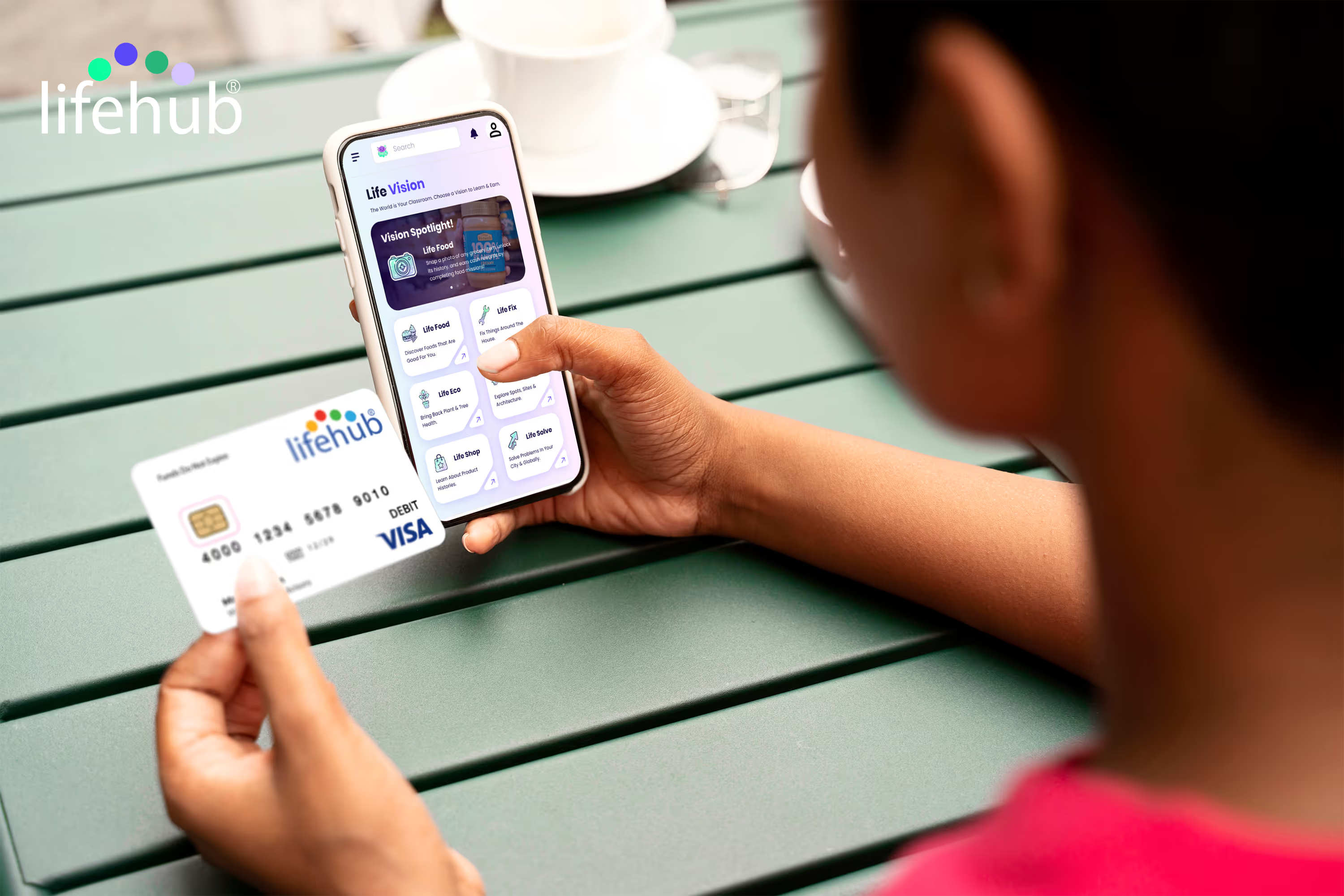
In the current digital age, parenting is an intricate mix of managing household responsibilities, professional duties, and nurturing familial bonds. This delicate balance is disrupted by concerns over the rising dependency on digital devices, where screen time for children often exceeds two hours a day. Parents worry this trend may delay speech development and reduce social engagement, while also recognizing the unavoidable reliance on digital tools during work or travel. This duality brings about a profound screen-time guilt, a feeling many parents struggle to reconcile.
The pressing need for solutions that address this challenge presents a significant market opportunity. By transforming rudimentary screen time into monetized educational experiences, platforms like Life Hub aim to empower parents and children alike. This transition is achieved through the integration of physical and digital (phygital) elements that convert household tasks into educational milestones, thus relieving the parental mental load.
Life Hub’s innovative approach leverages its existing monetized "learn-to-earn" framework, expanding it to include advanced phygital techniques. As such, parents are presented with an opportunity to transform guilt-inducing screen time into a proactive educational tool. By incorporating elements of machine learning and smart automation, Life Hub not only bridges the digital divide but also sets the stage for children to earn real-world rewards through their interactions with educational content.
Importantly, to capture the wider parent demographic, any educational platform must align closely with the operational realities faced by modern households. Many existing systems fail because they demand too much manual oversight by parents, adding to their already overloaded schedules. Instead, a seamless, automated approach that encourages children to independently complete tasks while integrating educational value can make a profound difference.
As parents increasingly prioritize educational efficiency, safety, and economic utility over cost, platforms like Life Hub are uniquely positioned to fulfill this demand. By offering clear advantages over traditional chore and finance systems, Life Hub’s patented model can redefine learning through phygital experiences. For further insights on how technology is transforming educational experiences, explore 5 Surprising Truths About AI in Education.
Market Gaps and Opportunities for Life Hub's Innovations
The current landscape of parenting technology is ripe for disruption, particularly as families grapple with the dual pressures of managing household tasks and ensuring educational enrichment for their children. Life Hub's approach to transforming the mental load into monetized milestones through phygital (physical-digital) experiences taps into unmet needs in this market. By addressing gaps in traditional chore and finance systems, Life Hub stands poised to offer superior value to parents seeking to balance screen time and active learning.
Innovative Approaches in Chore Management
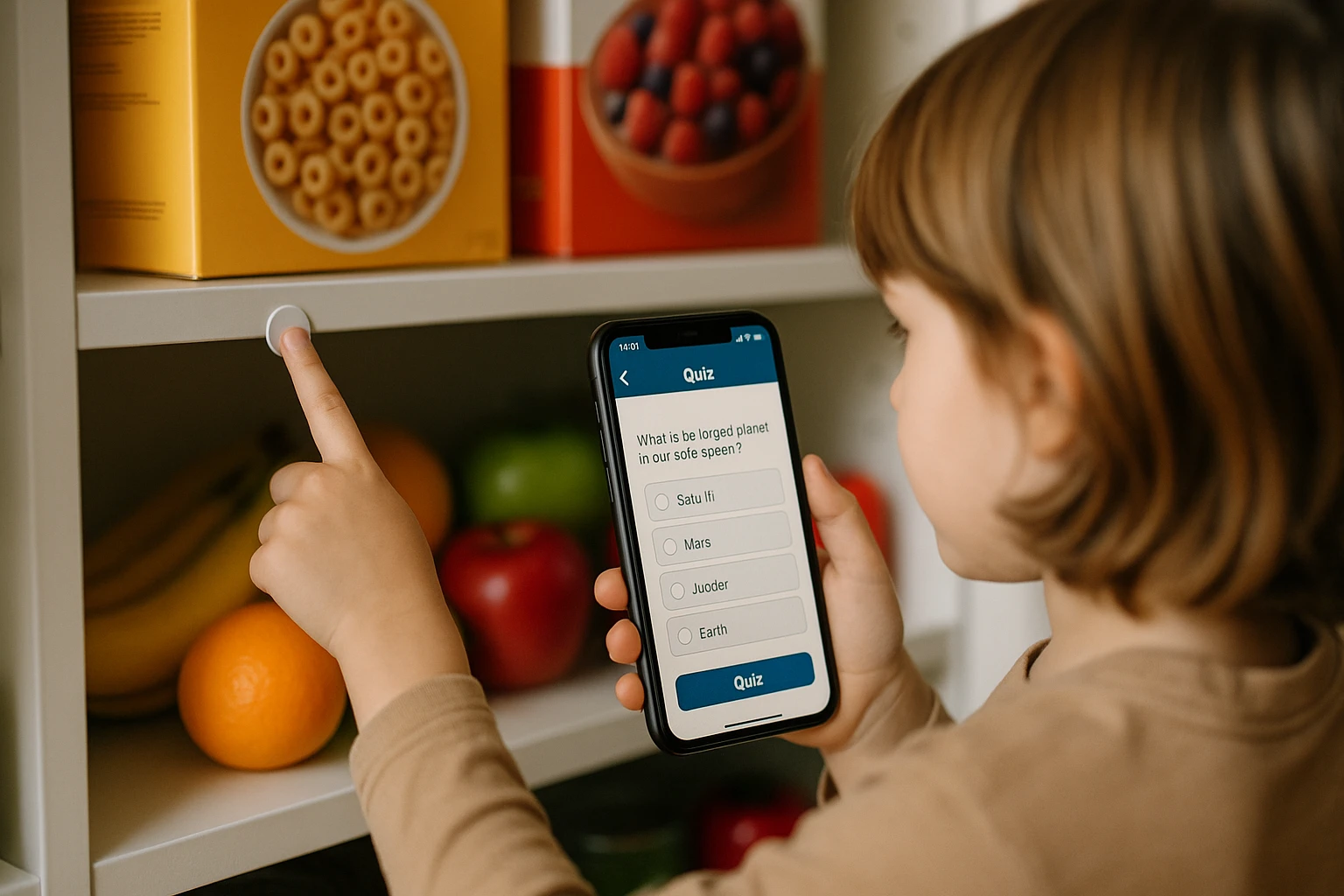
Traditional systems often require extensive oversight, where parents manually verify task completion. Life Hub innovates by automating these processes. For instance, the Life Tap feature utilizes NFC technology to verify completed tasks instantly upon a tap, reducing the need for constant parental intervention. This feature is further enhanced by connecting tasks to brief educational moments, transforming routine chores into learning opportunities.
According to data on consumer behavior, parents are more likely to invest in products that offer concrete educational benefits and ease their household burden (Life Hub's educational structure clearly outweighs existing options). Moreover, the integration of IoT for passive verification, such as confirming chores via smart home devices, revolutionizes how tasks are monitored. This automated consistency aligns with parental priorities on time-saving and child empowerment.
Real-World Learning through Phygital Integration
The adoption of phygital experiences extends beyond home chores. The Life Vision Scout encourages children to engage with their physical environment through gamified scavenger hunts that use local computer vision technology. This feature not only incites curiosity but also ensures privacy by processing images locally on devices. By doing so, Life Hub bridges the gap between digital and tactile learning, turning every-day surroundings into a classroom without adding to screen-time concerns.
Furthermore, engaging children in monetary literacy and real-world economics through these interactive tasks provides substantial learning dividends. As parents weigh purchasing decisions based on educational efficacy, Life Hub's ability to integrate learning with financial responsibility appeals to their criteria, as evidenced by statistics from parental buying considerations (source).
In conclusion, Life Hub's innovations offer a compelling solution for alleviating parental stress while enhancing educational opportunities for children. By converting daily routines into meaningful learning experiences, it effectively addresses the core needs of modern households.
Integrating Phygital Learning into Everyday Life
Transforming traditional household chores into dynamic learning opportunities is at the heart of write a blog about the following research: Transforming the Mental Load into Monetized Milestones. Life Hub's innovative approach combines routine family tasks with phygital learning to ease parental burdens while fostering child development. By integrating NFC technology and IoT sensors, this platform streamlines household management and enhances educational engagement, creating valuable learning experiences within everyday activities.
Phygital Solutions for Modern Families
Life Hub's system leverages physical-digital (phygital) approaches to convert daily routines into educational milestones. For instance, using NFC-enabled "Life Tap" stickers, children can complete chores and instantly access related educational content. This action eliminates manual verification by parents, effectively reducing their administrative load. By gamifying household tasks, Life Hub encourages children to engage more actively in their learning process, transforming duties into achievements that reward them with Life Hub Tokens.
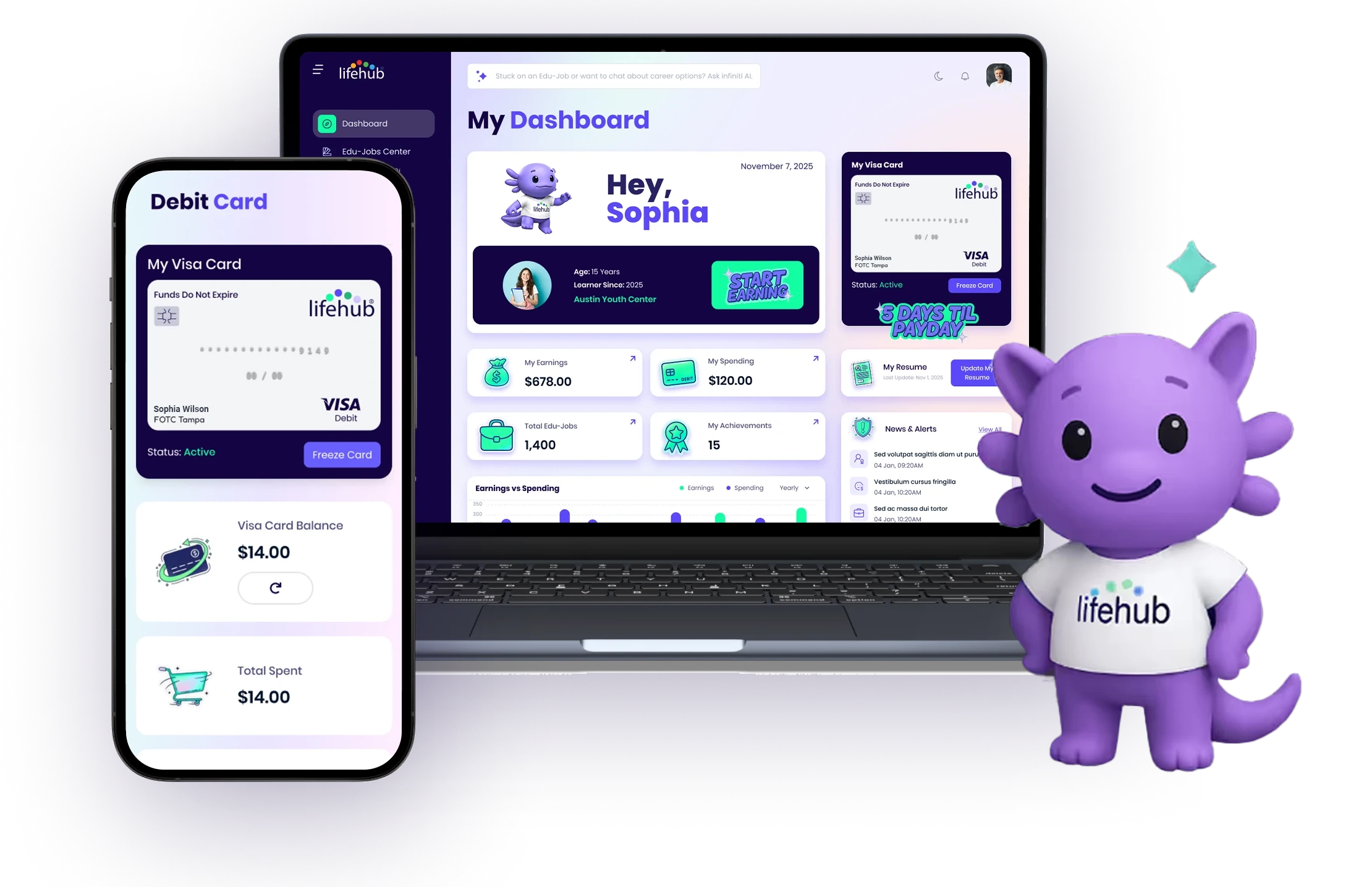
Furthermore, integrating IoT sensors with the "Life Sync Smart Hub" means parents no longer need to manually track chores. Smart home devices verify task completion automatically, ensuring seamless reward distribution. Families can thus enjoy a more balanced household dynamic, where children learn valuable skills while parental oversight diminishes, resulting in a constructive educational environment that extends beyond the screen.
Maximizing Educational Impact
Life Hub redefines childhood learning by leveraging everyday interactions for deeper educational engagement. Its Infiniti AI system tailors tasks to each child's pace, feeding into a comprehensive learning ecosystem. This personalized learning model ensures children receive real-time feedback and support, enhancing retention and understanding of complex concepts. For a deeper insight into how AI shapes educational experiences, check out AI Education For Kids.
The platform's commitment to educational quality is reflected in its use of sophisticated AI technologies. As children complete phygital tasks, Infinity AI delivers personalized micro-lessons, ensuring that each learning experience is relevant and rewarding. This approach aligns with contemporary educational philosophies, which emphasize experiential learning as a key driver of cognitive and social development. For more information on Life Hub's innovative technologies, visit Life Hub's official website.
Personalized Learning Paths for Optimal Growth
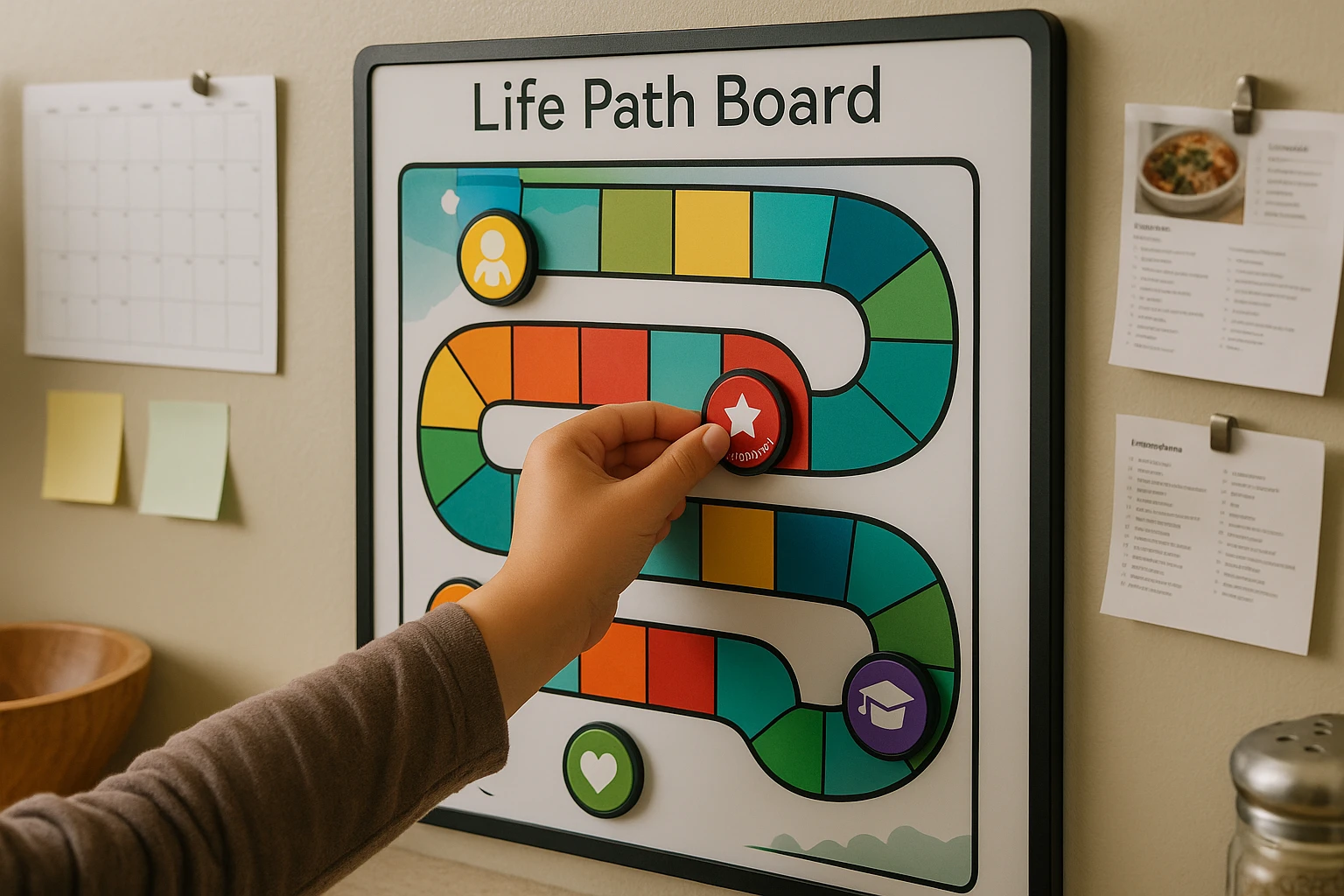
Creating effective learning experiences through Transforming the Mental Load into Monetized Milestones: Designing Next-Generation Phygital Learning Experiences on Life Hub for the Parent and Family Market involves crafting personalized paths tailored to each child's needs. Utilizing advanced machine learning algorithms, the platform adapts educational content in real-time, ensuring that each task is developmentally appropriate and engaging. This personalized approach not only enhances learning outcomes but also addresses diverse learning styles, making education accessible to more children.
Data-Driven Adaptation
Life Hub uses data analytics to continuously assess and adjust its educational offerings. By analyzing user engagement and performance metrics, the platform customizes lessons to challenge learners at the right level of difficulty. This data-informed approach is supported by extensive research in personalized education demonstrating its efficacy in fostering critical thinking and problem-solving skills (Edutopia).
Interactive Modules to Promote Engagement
The incorporation of interactive modules is central to phygital learning experiences, bridging the gap between digital interfaces and physical activities. For example, children engage in projects that require them to manipulate real objects, reinforcing concepts taught in digital lessons. Such hands-on activities are aligned with contemporary educational philosophies emphasizing experiential learning—key for developing cognitive and social skills.
Catering to Neurodiverse Learners
The platform's design is considerate of neurodiverse learners. By offering multisensory learning experiences, Life Hub supports children with ADHD or autism by minimizing cognitive overload (Psychology Today). This adaptive approach ensures that each child can engage with the material in a manner suited to their unique learning requirements.
Real-World Applications
Life Hub ties educational content to real-world applications, allowing children to see the immediate impact and relevance of their learning. For example, tasks like "Life Eco" encourage eco-friendly practices in daily life, promoting sustainability and responsibility. As children connect classroom concepts to everyday activities, they develop a deeper understanding and appreciation of their lessons, motivating them to pursue further learning.
This research-driven approach, centered on adaptive learning and real-world engagement, positions Life Hub as a pivotal tool for parents navigating modern educational challenges. By designing next-generation phygital learning experiences, the platform not only supports cognitive development but also aligns with the practical needs of the parent and family market.
Conclusion: Bridging Technology and Parenting
The research on transforming the mental load into monetized milestones presents a compelling vision for modern parenting. By integrating advanced phygital learning experiences, Life Hub sets a new standard for converting digital interactions into meaningful educational opportunities. This approach not only alleviates the screen-time guilt that plagues many parents but also addresses the structural challenges of managing a household while nurturing children.
Key Takeaways
- The integration of machine learning and smart automation provides a robust solution for transforming passive screen time into active learning opportunities. This shift is crucial for developing essential skills in children, as supported by theories in cognitive science.
- The platform’s emphasis on Financial, Literacy, Entrepreneurship, and Career-readiness (FLEC) through dynamic, personalized learning tasks equips children with practical skills and financial literacy from a young age.
- Automating household tasks and incentives through smart home integrations reduces the administrative burden on parents, allowing families to reclaim time and focus on development rather than supervision.
Actionable Insights
To fully capitalize on these innovations, parents and educators should explore phygital platforms like Life Hub for seamlessly integrating educational tasks into daily routines. Life Hub offers unique features that support child independence and cognitive growth, positioning itself as a valuable resource in the parent and family market.
Strong Call to Action
For parents seeking to balance digital engagement with educational value, Life Hub provides a comprehensive and effective framework. Visit Life Hub to explore how its innovative features can enhance your child’s learning experience while easing your parental duties. By embracing this next-generation learning platform, you can confidently navigate the digital age, knowing that your child's screen time is transformed into a catalyst for growth and achievement.


Related Content
Ready to Chat about Life Hub?
Whether you're parents, or a homeschool family, Life Hub is your partner to help you
raise super strong kids.

.svg)

.svg)


.svg)
.svg)

.svg)