How Life Hub & Infiniti AI Support Learning Needs and Neurodiversity




Introduction
In today's rapidly evolving educational landscape, the confluence of personalized learning and artificial intelligence (AI) is paving the way for innovative approaches to accommodate diverse learning needs. Tools like Life Hub and Infiniti AI are at the forefront, revolutionizing how educators and students approach education. These platforms provide adaptive learning experiences that are particularly beneficial for neurodiverse individuals, offering tailored educational pathways that enhance engagement and effectiveness.
Personalized and Adaptive Learning
One of the standout features of Life Hub and Infiniti AI is the incorporation of the AI Learning Coach, Fini. This intelligent coach adapts dynamically to each learner's unique needs, ensuring that every student receives support that echoes their personal learning style. For instance, a student who thrives on visual aids is offered a plethora of videos and animations. In contrast, another student who benefits from detailed guidance receives micro-lessons complemented by step-by-step instructions. Such customization not only enhances learning efficiency but also nurtures confidence, fostering a nurturing educational ecosystem.
These platforms integrate continuous learning mechanisms where the AI coach evolves based on user interactions. This allows the system to refine its approach, thereby continuously enriching the learner's experience. According to Infiniti AI Tools, this personalized approach is integral in meeting distinct educational requirements, supporting students with ADHD, autism, and dyslexia effectively.
Case Studies: Real-World Applications
Consider the example of Alex, a student with ADHD, who thrives with Life Hub's structured yet flexible learning model. The platform delivers concise, interactive lessons paired with regular reminders and audio instructions. This structure ensures that Alex remains engaged, turning potential distractions into opportunities for focused learning. Additionally, his teacher leverages customized assignments featuring more visuals and hands-on tasks, aligning perfectly with his learning preferences.
The success of such personalized education reflects the broader potential of AI-integrated tools in transforming learning environments. By responding dynamically to the requirements of neurodiverse learners, Life Hub and Infiniti AI not only address current educational needs but also pave the way for an inclusive future.
Accessibility Features
In today's diverse educational landscape, making learning accessible to everyone is vital. Life Hub and Infiniti AI excel in providing accessibility features that ensure all learners can engage with educational material, regardless of their individual challenges or backgrounds. One of the standout features of these platforms is multi-language support, an essential tool in today’s globalized world. With assistance in over 70 languages, learners from varied linguistic backgrounds can fully participate and thrive. This capability removes the language barrier, opening doors to students who might otherwise struggle in monolingual settings.
Text-to-Speech and Speech-to-Text
Beyond language, Life Hub and Infiniti AI also cater to learners with specific reading or writing difficulties through text-to-speech and speech-to-text functionalities. These tools allow students to interact with content in formats that suit their needs. For instance, a dyslexic student benefits immensely by listening to lessons rather than reading them, ensuring that their learning experience is never compromised by their challenges. This approach not only supports learners with dyslexia but is equally beneficial for students with visual impairments or those who learn better through auditory methods.
Moreover, the speech-to-text feature aids students in articulating their thoughts without the hurdle of manual writing, which can often be a cumbersome task for individuals with motor skills challenges. This functionality empowers students to focus more on the learning process itself rather than the mechanics of it. According to a report on assistive technologies, such tools significantly improve educational outcomes for students using multiple modalities.
The thoughtful integration of these accessibility features within Life Hub and Infiniti AI frameworks actively supports diverse learning styles and needs. They help students to learn in their preferred format while maintaining engagement and motivation. These capabilities align with a broader trend towards creating inclusive educational environments, which prioritize enabling every student to succeed.
For further insights into how accessibility and AI are revolutionizing education, explore our detailed examination of AI Education For Kids.
Support for Diverse and Neurodiverse Learners
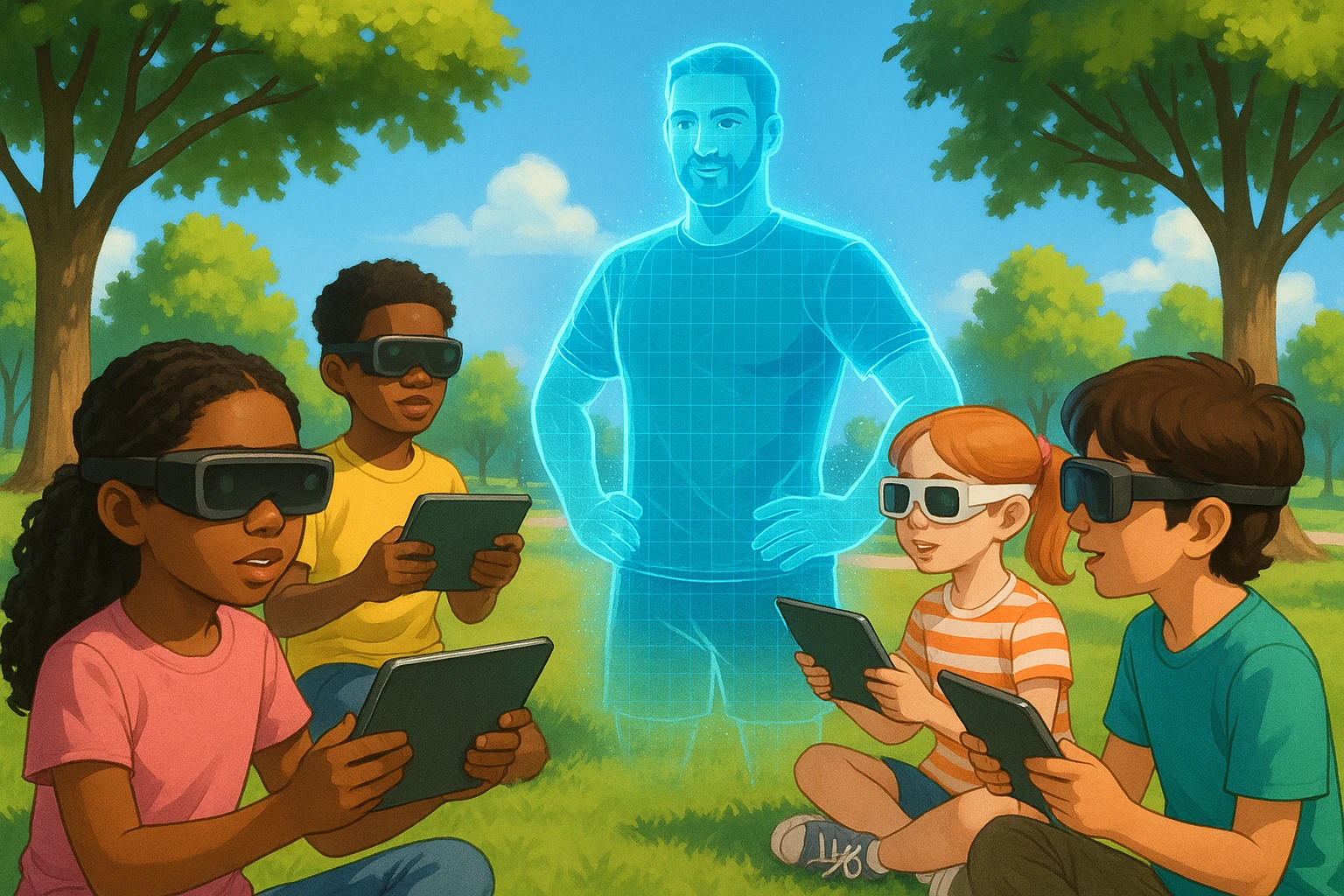
In today's educational landscape, accommodating diverse and neurodiverse learners is essential. This is where platforms like Life Hub and Infiniti AI come into play. These tools offer custom content generation that allows educators to create personalized curricula, catering to the unique needs of each student. For example, students with ADHD benefit from lessons broken into shorter, interactive segments, ensuring they remain engaged and focused. This tailored approach fosters an environment where all learners can thrive.
Multimodal Content Offerings
A key component of serving neurodiverse learners is providing content in multiple formats. Multimedia tools like videos, animations, and step-by-step guides appeal to various learning preferences and sensory needs. Whether a student is more visually inclined or prefers auditory explanations, platforms such as Life Hub adapt to deliver the most suitable content. This diversity in content ensures that sensory and cognitive barriers to learning are minimized.
Adaptive Learning Paths for Individualized Progress
Life Hub's adaptive learning paths are revolutionary in supporting learners at their own pace. This system highlights areas needing additional practice, offering simplified explanations and targeted support for challenging concepts. For example, if a student struggles with a math concept, the platform provides extra practice materials and a more straightforward narrative to improve understanding.
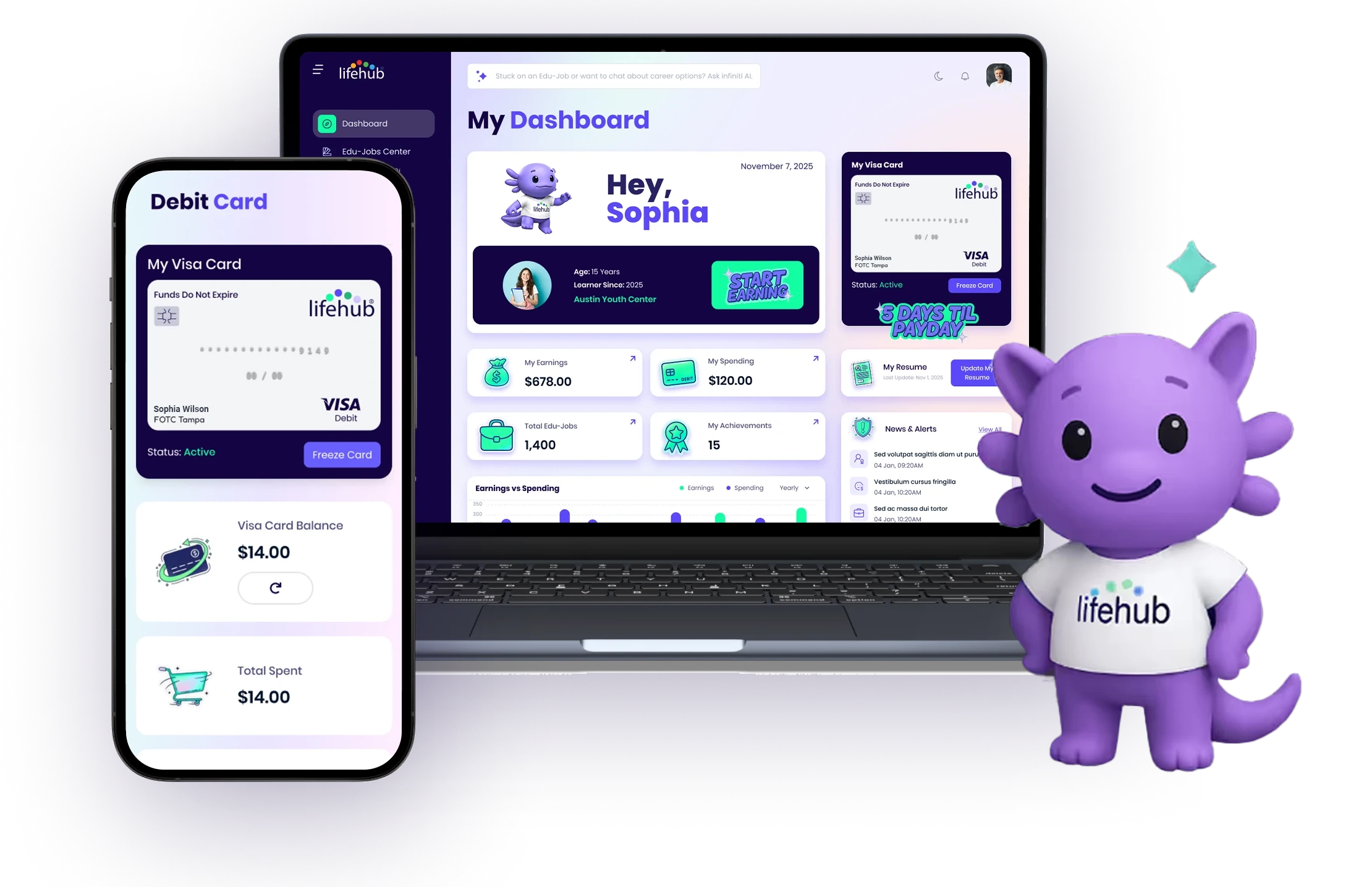
Real-world applications of these features are evident at Life Hub, where personalized, accessible educational experiences are a cornerstone. Educators can see firsthand how tailored curricula with adaptive elements enhance student engagement and success. The seamless integration of diverse content formats not only supports learning but also empowers educators to address the unique needs of each student.
For insights into utilizing AI effectively in education, explore 5 Surprising Truths About AI in Education. This resource delves deeper into AI's transformative role in creating inclusive educational environments.
Continuous Feedback and Improvement
One of the standout features of Life Hub and Infiniti AI is their commitment to continuous feedback and improvement. These platforms leverage AI-driven interventions to meticulously monitor learner engagement and progress. By keeping track of interactions, the system can promptly identify when a student might need additional assistance or could benefit from more advanced material. This dynamic approach ensures that educational content not only meets current needs but continues to challenge and support learners as they grow.
AI-Driven Interventions
The integration of AI into educational platforms greatly enhances their ability to adapt in real time. The system's intelligent tracking mechanisms identify patterns in learner behavior, enabling timely intervention. For instance, if a student appears disengaged or struggles with a particular concept, the AI may introduce alternative instructional formats such as interactive quizzes or simplified videos to rekindle interest and understanding.
Conversely, gifted students are not left unchallenged; the system dynamically adjusts to introduce more complex materials, ensuring continuous intellectual growth. This kind of responsive modification is crucial for students with diverse needs, particularly in supporting those with neurodiverse conditions such as ADHD or dyslexia.
Personalized and Adaptive Adjustments
Feedback is not a one-way street. Educators, too, gain valuable insights into student progress, allowing for tailored instructional adjustments. Teachers can use this data to design customized modules that cater specifically to their students’ unique learning styles— whether that means incorporating more visual aids for visual learners or providing concise, text-based instructions for those who prefer reading.
Moreover, students are empowered by the platform's ability to highlight their strengths and areas for improvement. This enhances not only their learning experience but their confidence, as they see tangible progress over time.
The AI-driven continuous improvement framework embodied by Life Hub and Infiniti AI supports learning needs and neurodiversity by creating an adaptive, engaging, and challenging educational environment. This versatility is essential in ensuring that each learner can thrive, laying a robust foundation for lifelong learning.

Conclusion
The integration of platforms like Life Hub and Infiniti AI into educational environments serves as a powerful catalyst for embracing neurodiversity and varied learning needs. These tools provide more than just basic support—they transform educational experiences into dynamic and truly personalized journeys. By harnessing AI-driven personalization, students receive tailored content that resonates with their unique learning styles and preferences.
Moreover, accessibility remains at the forefront, with built-in features like multi-language support and text-to-speech options, which break down barriers for learners worldwide. For educators, the availability of comprehensive tools empowers them to customize curricula and assessments effectively, making learning both inclusive and impactful. As teachers craft courses enriched with visuals and interactive elements, students like Alex, who may face challenges with traditional educational approaches, can thrive in environments designed to cater to their individual needs.
Real-World Impact and Future Steps
The success stories emerging from platforms such as Life Hub highlight how adapting to neurodiversity isn’t just about meeting legal obligations—it’s about enhancing educational outcomes for all students. Take, for example, Alex's journey through Life Hub’s tailored lessons and adaptive pathways. His educational experience not only becomes more engaging but also effective, as the system adapts to his attention patterns and interests, leading to significant improvements in his learning trajectory.
Actionable insights from this approach suggest that educational institutions and stakeholders should strongly consider these technologies not just as aids but as integral components of modern curricula. Schools and educators seeking to foster an inclusive learning environment should take note of the benefits of AI technology in education. To explore these solutions further, consider visiting Life Hub for detailed resources and support to enhance your institution’s educational capabilities.
In conclusion, write a blog on this using the same title: How Life Hub & Infiniti AI Support Learning Needs and Neurodiversity. As we move forward, integrating AI-driven educational solutions holds the promise of not only accommodating diverse learning needs but also enriching the overall learning experience. The journey toward inclusive education is ongoing, but with the right tools, the path can be both revolutionary and rewarding for all involved.


Related Content
Ready to Chat about Life Hub?
Whether you're parents, or a homeschool family, Life Hub is your partner to help you
raise super strong kids.

.svg)

.svg)


.svg)
.svg)

.svg)