Homeschool Ideas That Build Real-World Skills in 2026




Homeschooling continues to grow as families seek personalized education that prepares young people for real life. The challenge many parents face is finding homeschool ideas that go beyond traditional textbooks to build practical capabilities. In 2026, effective homeschooling combines core academics with financial literacy, career readiness, and digital skills that young people actually need.
Building a Foundation with Multiple Learning Approaches
Different families thrive with different methods. Some use structured curriculum packages while others prefer flexible, interest-led exploration.
Homeschooling methods range from classical education to unschooling, and many families blend approaches. The key is matching your method to your child's learning style and your family's goals.
Popular homeschool approaches include:
- Classical education with its grammar, logic, and rhetoric stages
- Charlotte Mason's living books and nature study emphasis
- Unit studies that integrate multiple subjects around themes
- Unschooling that follows the learner's interests
- Online and hybrid programs that combine structure with flexibility
The best homeschool ideas often combine elements from multiple philosophies. You might use a structured math curriculum while taking an unschooling approach to history and science.

Creating Daily Routines That Work
Successful homeschooling needs rhythm without rigidity. A flexible routine helps learners know what to expect while allowing space for deeper exploration.
Morning routines might include independent reading, math practice, and one collaborative project. Afternoons can focus on hands-on activities, creative work, or practical skills. The schedule should serve your family, not control it.
Time Blocking for Different Subjects
| Time Block | Focus Area | Sample Activities |
|---|---|---|
| 8:00-10:00 | Core academics | Math, language arts, reading |
| 10:00-11:30 | Project work | Science experiments, writing projects |
| 11:30-1:00 | Life skills | Cooking, budgeting, digital tools |
| 1:00-3:00 | Enrichment | Art, music, physical activity |
| 3:00-4:00 | Self-directed | Personal interests, free reading |
These blocks can shift based on the day or season. Some families do intensive academics four days weekly and dedicate Fridays to field trips and projects.
Integrating Financial Education into Daily Learning
Money skills belong in every homeschool plan. Young people who understand budgeting, saving, and earning have better outcomes as adults.
Start with real transactions. Give your learner a weekly budget for specific household items and let them make purchasing decisions. Track spending in a simple spreadsheet or notebook.
Practical financial literacy activities:
- Compare prices at different stores for the same items
- Calculate sale percentages and actual savings
- Create and manage a simple budget for personal expenses
- Research and compare different savings account options
- Learn about compound interest through online calculators
A life skills curriculum that includes financial education helps learners connect math concepts to real applications. When young people see how percentages work in sales tax or interest rates, abstract concepts become concrete.
Many homeschool families tie learning to earning. Setting up paid tasks for completing certain lessons or projects teaches the connection between effort and reward. This mirrors how the working world operates and builds intrinsic motivation.
Developing Career Awareness Through Exploration
Career readiness starts earlier than most people think. Exposing learners to different professions and work environments builds awareness of possibilities.
Arrange informational interviews with professionals in fields your learner finds interesting. Most people enjoy talking about their work when approached respectfully. Prepare questions beforehand about daily tasks, required skills, and career paths.
Career Exploration Activities by Age
Ages 8-10:
- Read biographies of people in various professions
- Visit workplaces during field trips
- Try simple skill-building in different areas
Ages 11-13:
- Shadow professionals for a day
- Complete online courses in areas of interest
- Start a small service business (lawn care, pet sitting)
Ages 14-18:
- Pursue internships or apprenticeships
- Build a portfolio of project work
- Develop specific technical or creative skills
Digital platforms now offer ways for young learners to explore career-related skills through short, focused tasks. This approach lets them test interests without long-term commitments.
Adding Technology and Digital Literacy
Digital capability matters as much as reading and math in 2026. Learners need more than basic device usage. They need to understand how technology works and how to use it productively.
Start with fundamental tools. Microsoft Office skills remain valuable across industries. Learning to create professional documents, presentations, and spreadsheets builds workplace readiness.
Essential digital skills to develop:
- Word processing and document formatting
- Spreadsheet basics including formulas and charts
- Presentation creation and design principles
- Email etiquette and professional communication
- Basic coding concepts and logical thinking
- Internet research and source evaluation
- Digital privacy and online safety
An AI literacy curriculum helps learners understand emerging technologies rather than just consuming them. Young people should know how AI tools work, their limitations, and ethical considerations around their use.
Practice these skills through real projects. Create a family newsletter in a word processor. Build a budget spreadsheet for a planned vacation. Design a presentation about a topic of interest.
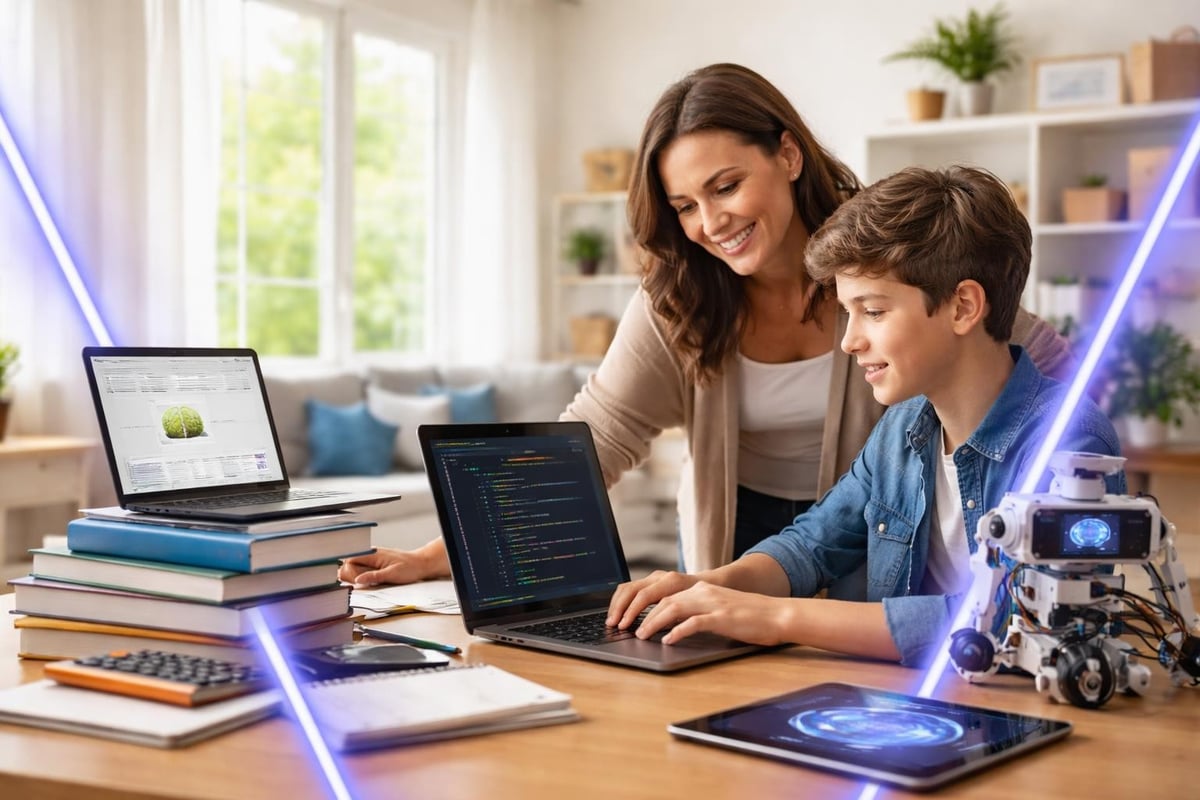
Making Learning Active and Project-Based
Passive learning rarely sticks. Young people remember what they do far better than what they read or hear.
Project-based learning addresses this by organizing study around creating something real. Instead of reading about ecosystems, build a terrarium and document its changes. Rather than memorizing historical dates, create a documentary about a time period.
Creative homeschooling activities transform abstract concepts into tangible experiences. The process of researching, planning, creating, and presenting develops multiple skills simultaneously.
Sample Project Ideas Across Subjects
| Subject Area | Project Example | Skills Developed |
|---|---|---|
| Science | Build and test solar oven designs | Engineering, data collection, analysis |
| History | Create a podcast series on local history | Research, writing, audio editing |
| Math | Design a scale model of dream house | Measurement, ratios, spatial reasoning |
| Language Arts | Write and publish a short story collection | Writing, editing, digital publishing |
| Economics | Run a small online business for 3 months | Marketing, accounting, customer service |
These projects take weeks or months to complete. The extended timeline allows for depth and iteration that short assignments cannot achieve.
Building Social and Emotional Skills
Academic knowledge means little without the ability to work with others and manage emotions effectively. Social and emotional learning deserves intentional attention in homeschool plans.
Regular group activities provide practice with collaboration, conflict resolution, and communication. Join co-ops, sports teams, volunteer groups, or clubs based on interests.
Ways to develop social-emotional competencies:
- Participate in group projects with other homeschoolers
- Volunteer regularly in the community
- Join interest-based clubs or organizations
- Practice public speaking through presentations
- Learn conflict resolution through real situations
- Develop empathy through service projects
These skills often develop naturally through varied social exposure. The key is creating regular opportunities for interaction beyond the immediate family.
Using Micro-Learning for Skill Building
Breaking learning into small, focused tasks can increase retention and reduce overwhelm. This approach works especially well for skill acquisition.
Instead of a two-hour block on a topic, try three 20-minute sessions spread across the day. The spacing helps information move from short-term to long-term memory.
A micro-learning platform can organize these small learning increments around specific outcomes. Learners complete short tasks, demonstrate understanding, and build skills progressively.
This format respects attention spans while maintaining momentum. Young people stay engaged because they see clear progress through completed tasks.
Incorporating Real-World Application
Learning gains meaning when it connects to life outside the home. Look for ways to apply academic concepts to actual situations.
Math becomes relevant when used to compare loan options or calculate recipe adjustments. Science matters when explaining why bread rises or engines work. History connects when visiting local historical sites and understanding their significance.
Subject-to-real-world connections:
- Reading/Writing: Create content for a blog or newsletter
- Math: Calculate costs for family projects or trips
- Science: Troubleshoot household problems (why won't the plant grow?)
- Social Studies: Participate in local government meetings
- Foreign Language: Connect with native speakers online
The world becomes the classroom when you actively seek these connections. Homeschool activities that emphasize real application build capability alongside knowledge.
Tracking Progress Without Excessive Testing
Assessment in homeschooling can look different than traditional schools. You need to verify learning without creating test anxiety or busywork.
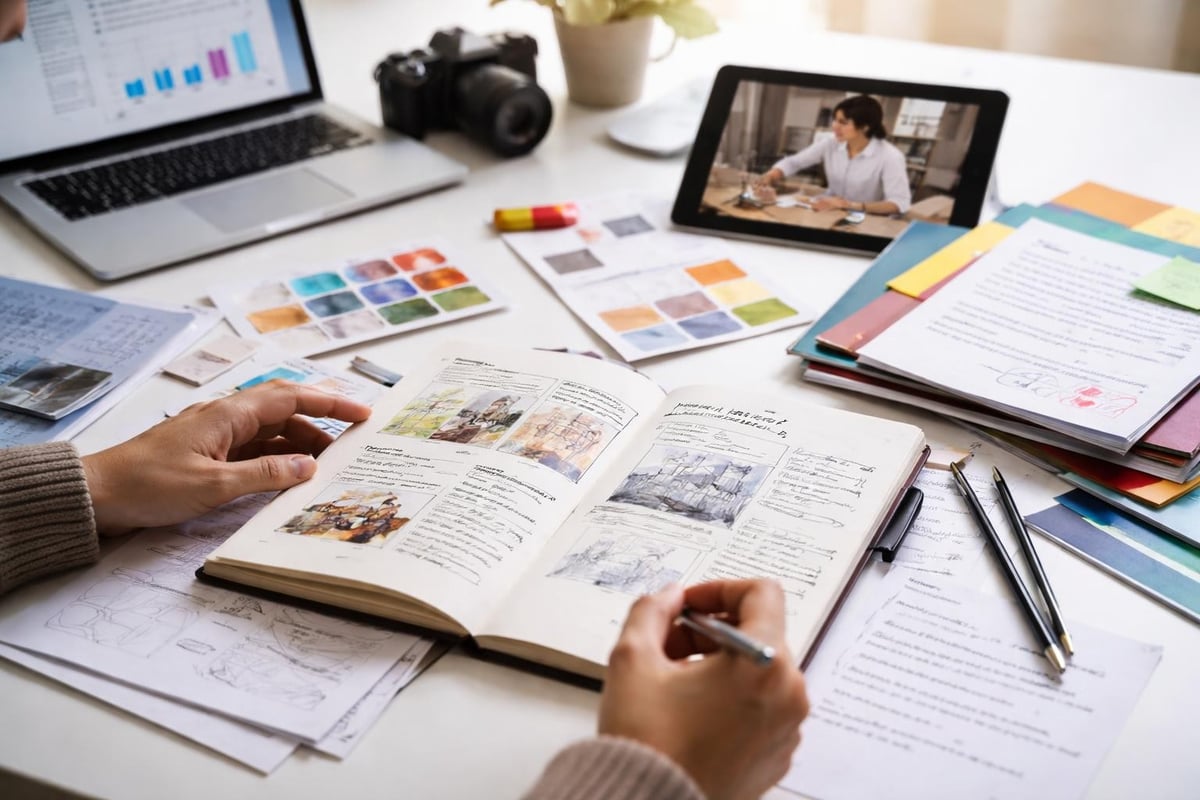
Portfolio-based assessment works well for many families. Collect samples of work over time that demonstrate growth and skill development. Include photos of projects, written work, and documentation of activities.
Alternative Assessment Methods
Demonstration-based:
- Teach the concept to someone else
- Complete a practical project applying the skill
- Create a presentation explaining the topic
Portfolio evidence:
- Collection of best work across subjects
- Before-and-after samples showing growth
- Documentation of long-term projects
Narrative assessment:
- Detailed descriptions of skills and knowledge gained
- Examples of how learning was applied
- Areas of strength and goals for growth
These methods provide richer information than test scores. They show what learners can actually do with their knowledge.
Finding Community and Support
Homeschooling works best when connected to a broader community. Other homeschooling families provide support, friendship, and collaborative opportunities.
Local co-ops offer group classes, field trips, and social events. Online communities connect families across distances for advice and encouragement. Homeschool networks create structures for shared resources and group activities.
Community building strategies:
- Join local homeschool groups or co-ops
- Participate in online forums and social media groups
- Attend homeschool conventions and conferences
- Connect with families using similar approaches
- Create small learning pods for specific subjects
Your community might include families using very different methods. This diversity exposes learners to various perspectives and approaches.
Balancing Structure and Flexibility
The beauty of homeschooling lies in customization. You can adjust pace, focus, and methods based on what works.
Some weeks demand more structure when covering challenging material. Other times, following an unexpected interest leads to the richest learning. The ability to flex distinguishes homeschooling from institutional education.
Set core non-negotiables like daily reading and math practice. Build flexibility around these anchors. If a science experiment sparks deep interest, spend extra time exploring related concepts even if it means adjusting other plans.
Planning Units and Themes
Unit studies organize learning around central themes, integrating multiple subjects naturally. A unit on ocean life might include biology, geography, environmental science, reading ocean literature, and writing reports.
This approach shows how knowledge connects across disciplines. Real-world problems rarely fit into single subject boxes, so integrated learning prepares learners for actual challenges.
Sample Unit Study Structure
Theme: Sustainable Living (4-6 weeks)
- Science: Energy sources, environmental impact, ecosystems
- Math: Calculate home energy usage and cost savings
- Reading: Books about environmental topics and solutions
- Writing: Research paper on one sustainability solution
- Economics: Cost-benefit analysis of sustainable choices
- Project: Implement one sustainability change at home and document results
Units can last from two weeks to several months depending on depth and interest. The integrated nature makes learning feel purposeful rather than fragmented.
Adapting Ideas for Different Ages
Homeschool ideas need adjustment based on developmental stage. What works for an eight-year-old differs from what engages a fifteen-year-old.
Younger learners thrive with hands-on activities, short lessons, and frequent movement. Older learners can handle longer focus periods, abstract concepts, and independent projects.
Age-appropriate adaptations:
| Age Range | Focus Areas | Learning Style |
|---|---|---|
| 6-9 | Basic skills, exploration, play-based learning | Short lessons, lots of movement, hands-on |
| 10-12 | Skill development, interest exploration | Mix of guided and independent work |
| 13-15 | Critical thinking, specialization beginning | Longer projects, more independence |
| 16-18 | Advanced skills, career prep, life readiness | Self-directed learning, mentorship |
The same topic can be explored at different levels. Financial literacy for a ten-year-old might mean understanding wants versus needs. For a sixteen-year-old, it involves managing a budget, comparing banking options, and understanding credit.
Documenting and Celebrating Learning
Recognition of progress matters. Young people need to see how far they have come and feel proud of their accomplishments.
Create systems for documenting work. Take photos of projects before they get dismantled. Keep writing samples from different points in the year. Record presentations or performances.
Regular reflection helps learners recognize their own growth. Monthly or quarterly, review what has been learned and accomplished. Discuss what was challenging, what was enjoyable, and what they want to learn next.
Ways to celebrate achievements:
- Display completed projects
- Share work with extended family
- Present learning to the homeschool community
- Create end-of-year portfolios or presentations
- Connect completed work to future goals
These celebrations reinforce that learning matters. They also provide natural assessment opportunities as learners explain what they have created and learned.
Bringing Practical Skills Together
The most effective homeschool ideas prepare young people for actual life. Academic knowledge combines with practical capability to create competent, confident individuals.
When learners understand money management, can use professional tools, have explored career options, and built both social and technical skills, they enter adulthood ready to thrive. This comprehensive preparation distinguishes intentional homeschooling from simply replicating traditional school at home.
Families succeeding with homeschooling often discover that learning and life blend naturally. Education happens through cooking dinner, managing projects, building things, and solving real problems. Formal lessons have their place, but authentic application cements understanding.
Understanding homeschooling as a broader movement helps families see they are part of something larger. Millions of families worldwide choose this path, creating diverse approaches that share common goals of personalized, effective education.
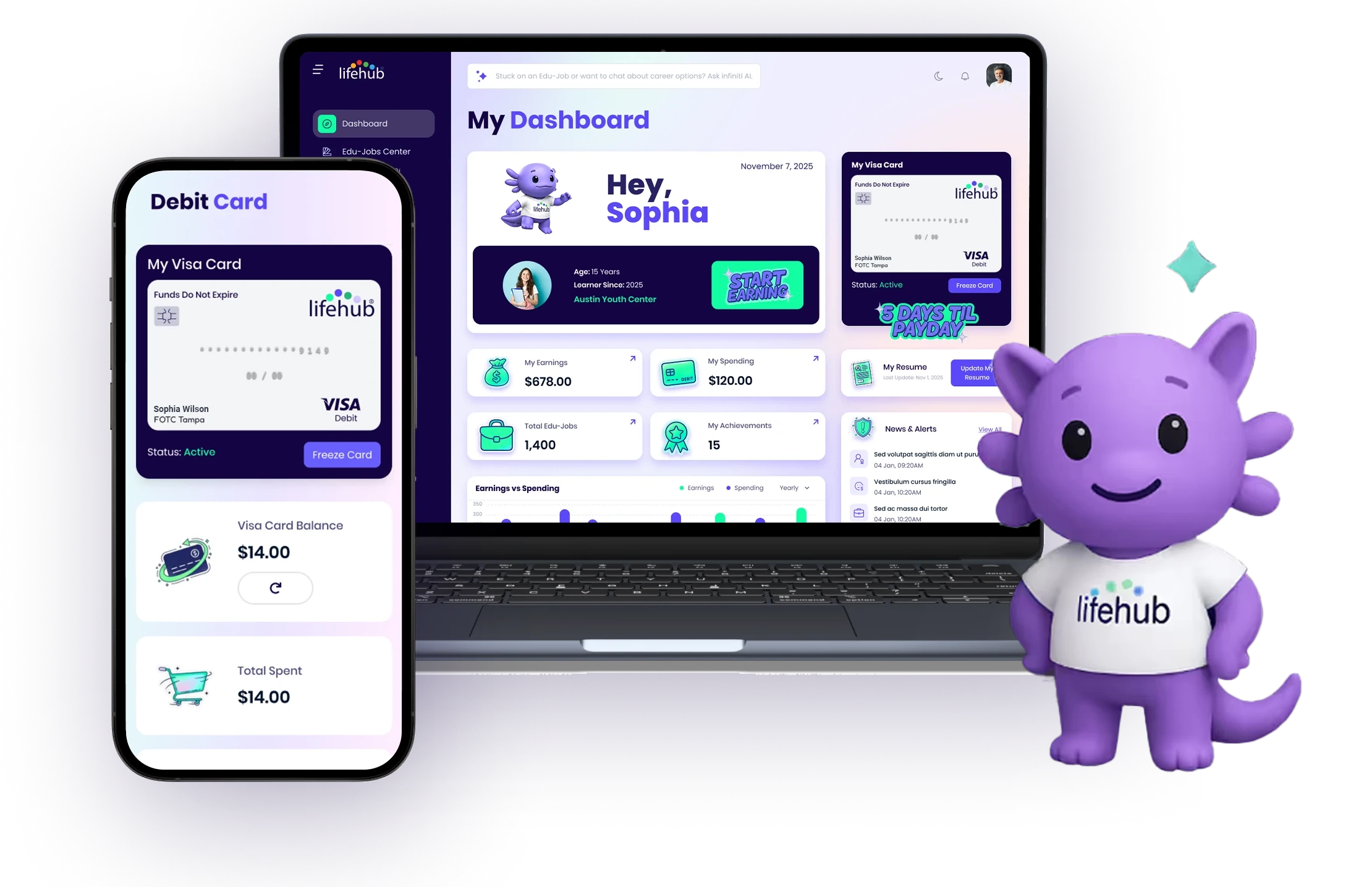
The strongest homeschool ideas combine academic rigor with practical capability, preparing young people for the world they will actually inhabit. When learning connects to real skills and tangible outcomes, motivation increases and retention improves. Life Hub supports homeschooling families by offering paid micro-learning tasks across academics, financial literacy, career skills, and digital fluency, letting learners build knowledge while earning real money and seeing direct connections between effort and reward.


Related Content
Ready to Chat about Life Hub?
Whether you're parents, or a homeschool family, Life Hub is your partner to help you
raise super strong kids.

.svg)

.svg)


.svg)
.svg)

.svg)