Essential Guide to Life Skills Curriculum for 2026


In 2026, young people face a world that is changing faster than ever. Skills for daily living, work, and well-being are not just helpful, they are essential.
This guide gives you a clear path to building a life skills curriculum that prepares every learner for the future.
You will discover what life skills are, why they matter, and which areas are most important for 2026. Learn how to design, teach, and measure a life skills curriculum that uses technology and real-world practice.
Find out how you can help learners thrive, adapt, and succeed—starting today.
Understanding Life Skills and Their Importance in 2026
Life skills are no longer optional for thriving in 2026. A strong life skills curriculum gives learners the tools to handle daily life, adapt to change, and succeed in a fast-paced world.

Defining Life Skills for the Modern Era
A life skills curriculum covers a blend of practical, social, emotional, and cognitive abilities. These skills help learners manage daily tasks, solve problems, and communicate with others.
Core categories include:
- Financial literacy: Managing money, budgeting, saving, and investing.
- Digital literacy: Navigating online tools, understanding privacy, and staying safe online.
- Career readiness: Building resumes, teamwork, and exploring job options.
- Health and wellness: Nutrition, first aid, self-care, and home management.
- Social-emotional skills: Self-awareness, empathy, resilience, and conflict resolution.
For example, a learner may use critical thinking to solve a real-life problem, or practice communication skills in group projects. Over 70% of educators in 2023 reported a gap in real-world readiness among learners, highlighting the need for a robust life skills curriculum. As AI, automation, and digital tools transform society, these skills evolve too.
Global organizations like WHO and UNESCO set broad frameworks for life skills, making them relevant for all ages. For those seeking research-backed frameworks and practical resources, Resources and research on life skills offers curated studies and tools for curriculum development.
Why Life Skills Matter More Than Ever
The world is changing fast. Remote work, gig jobs, and technology have shifted how we live and work. A life skills curriculum prepares learners to handle uncertainty, manage stress, and stay resilient.
Mental health is a growing concern. Social-emotional skills, like coping with change and building healthy habits, help learners thrive. Early financial literacy can reduce future debt, while career readiness prepares learners for jobs that may not exist yet.
Case studies show that schools and families who focus on life skills see positive results. In fact, 60% of parents want more practical learning in school. A strong life skills curriculum supports lifelong learning and adaptability for all ages.
Core Areas of a Future-Ready Life Skills Curriculum
A strong life skills curriculum covers more than just academic knowledge. It equips learners with practical abilities for daily life and future work. For 2026, five core areas stand out as essential for learners of every age.

Financial Literacy and Money Management
Financial literacy is a foundation of every life skills curriculum. Learners start with basic concepts like recognizing coins and progress to budgeting, saving, and investing. By high school, they may open a bank account or learn about credit scores.
Interactive resources make these lessons engaging. For example, games like “Dollars & Decisions” and programs such as FDIC’s Money Smart for Young People or Banzai bring money skills to life. According to recent data, 56% of teens feel unprepared for personal finance. A focus on financial literacy and practical money skills can help bridge this gap and empower learners for real-world success.
Digital and AI Literacy
Digital and AI literacy is now a core part of any life skills curriculum. Learners need to navigate digital tools, protect their privacy, and act as responsible digital citizens. As AI becomes more common, understanding its basics and ethical use is critical.
Curricula like Common Sense Education’s digital citizenship and Civic Online Reasoning help learners stay safe online. Introducing AI concepts prepares learners for jobs that may not exist yet, making this area vital for future readiness.
Career Readiness and Workplace Skills
Preparing for the workforce is a key goal of a life skills curriculum. Career readiness includes building a resume, practicing interview skills, and learning teamwork and communication.
Learners can explore career paths using resources like Learn How to Become or through simulation games. Real experience matters too. Volunteering, internships, and micro-learning jobs all provide valuable workplace exposure and help learners discover their strengths.
Social-Emotional Learning (SEL)
Social-emotional learning is at the heart of a strong life skills curriculum. SEL builds self-awareness, empathy, and resilience. These skills help learners manage stress, resolve conflicts, and adapt to change.
Programs like Overcoming Obstacles teach SEL through real-world practice. Research shows these abilities boost both academic and life success. Building SEL into daily lessons helps learners thrive in school and beyond.
Health, Wellness, and Daily Living
A future-ready life skills curriculum must include health, wellness, and daily living skills. Learners benefit from lessons on nutrition, first aid, and personal care. Practical tasks like cooking, sewing, or basic home maintenance are also included.
Resources such as Easy Peasy Culinary Arts, First Aid guides, and the “Dad, How Do I?” YouTube channel offer hands-on learning. These skills support independence and well-being for every learner.
Designing and Implementing a Life Skills Curriculum: Step-by-Step Guide
Creating an effective life skills curriculum means building a clear, adaptable plan. Each step helps learners gain the practical tools they need for real life. Here’s a simple guide to get started.

Step 1: Assess Learner Needs and Goals
A life skills curriculum begins with understanding your learners. Use surveys or interviews to find out what skills they want and need. Ask families, educators, and community members for input.
List the most important gaps—maybe it’s money management or digital safety. Set clear, measurable goals for each area. With a strong start, your curriculum will fit real needs.
Step 2: Select and Sequence Core Topics
A life skills curriculum works best when it matches the learner’s age and stage. For younger learners, start with basics like healthy habits or recognizing coins. For teens and adults, add topics like budgeting, career skills, and online safety.
Choose a logical order. You might start with self-awareness before teamwork, or simple saving before investing. Use trusted frameworks, such as CASEL for social-emotional learning or FDIC for financial literacy.
Step 3: Integrate Real-World Learning Experiences
A life skills curriculum should make skills hands-on. Plan projects like budgeting for a class event or practicing interviews. Invite local experts to speak or set up job shadowing.
Try online simulations or games to build practical knowledge. Real-world tasks help learners connect lessons to their daily lives.
Step 4: Leverage Technology and Digital Tools
Bring your life skills curriculum to life with digital resources. Use apps, interactive platforms, or virtual classrooms to reach more learners. For example, platforms like Life Hub learn-to-earn platform offer digital modules, real-world tasks, and progress tracking.
Pick tools that are accessible and easy to use. Make sure everyone can join, including those with special needs. Technology can make learning flexible and engaging.
Step 5: Evaluate and Adapt Curriculum
A life skills curriculum grows over time. Check progress with quizzes, projects, or self-assessments. Collect feedback from learners and families.
Update your topics as life changes. New technology, career trends, or financial tools may call for fresh lessons. Reflection and adaptation keep your curriculum future-ready.
Integrating Technology and Innovation in Life Skills Education
Technology is reshaping how learners engage with a life skills curriculum. Digital tools offer new ways to build habits, track progress, and make learning relevant. The right technology can make life skills both practical and fun, especially when tailored to each learner’s needs.
The Role of EdTech in Life Skills Learning
EdTech brings a life skills curriculum to life by making lessons interactive and adaptable. Learners can access micro-learning modules, play educational games, and receive instant feedback. This keeps engagement high and helps track growth over time.
Benefits of EdTech in life skills learning:
- Personalized learning paths for each learner
- Gamified activities that motivate participation
- Real-time analytics for teachers and families
- Scalable solutions for classrooms and remote learning
Interactive platforms like Banzai and Everfi let learners practice budgeting, communication, and decision-making in safe, virtual settings. By using these tools, a life skills curriculum becomes more dynamic and accessible.
Preparing Students for AI and the Future of Work
AI is changing the workplace, so a future-ready life skills curriculum should introduce learners to AI basics and ethical considerations. Learners can build digital portfolios to showcase their achievements. Project-based learning encourages innovation and entrepreneurship, helping learners develop skills for jobs that may not exist yet.
For example, tasks might include:
- Completing a mock job interview using AI video tools
- Creating a digital resume or portfolio website
- Exploring ethical dilemmas in technology through discussion
These experiences prepare learners to adapt and thrive in a changing job market.
Ensuring Equity and Access
Access to a quality life skills curriculum depends on bridging the digital divide. Some learners may lack devices or internet at home, so schools and organizations need creative solutions. Free digital resources, device lending programs, and community partnerships can help make learning accessible for all.
Key strategies for equity:
- Offer blended learning options (in-person and online)
- Use accessible design for learners with special needs
- Provide support for families new to digital tools
Many public and homeschool programs now include free digital life skills resources, making it easier for every learner to participate.
Life Hub: A Learn-to-Earn Approach to Life Skills
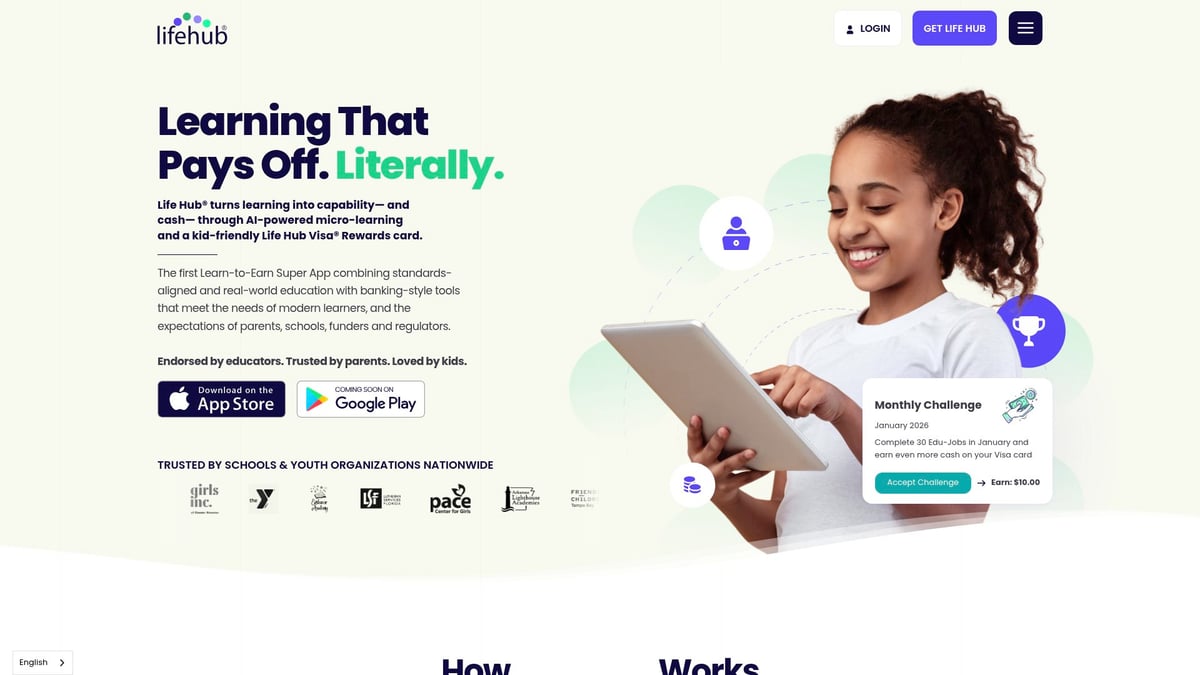
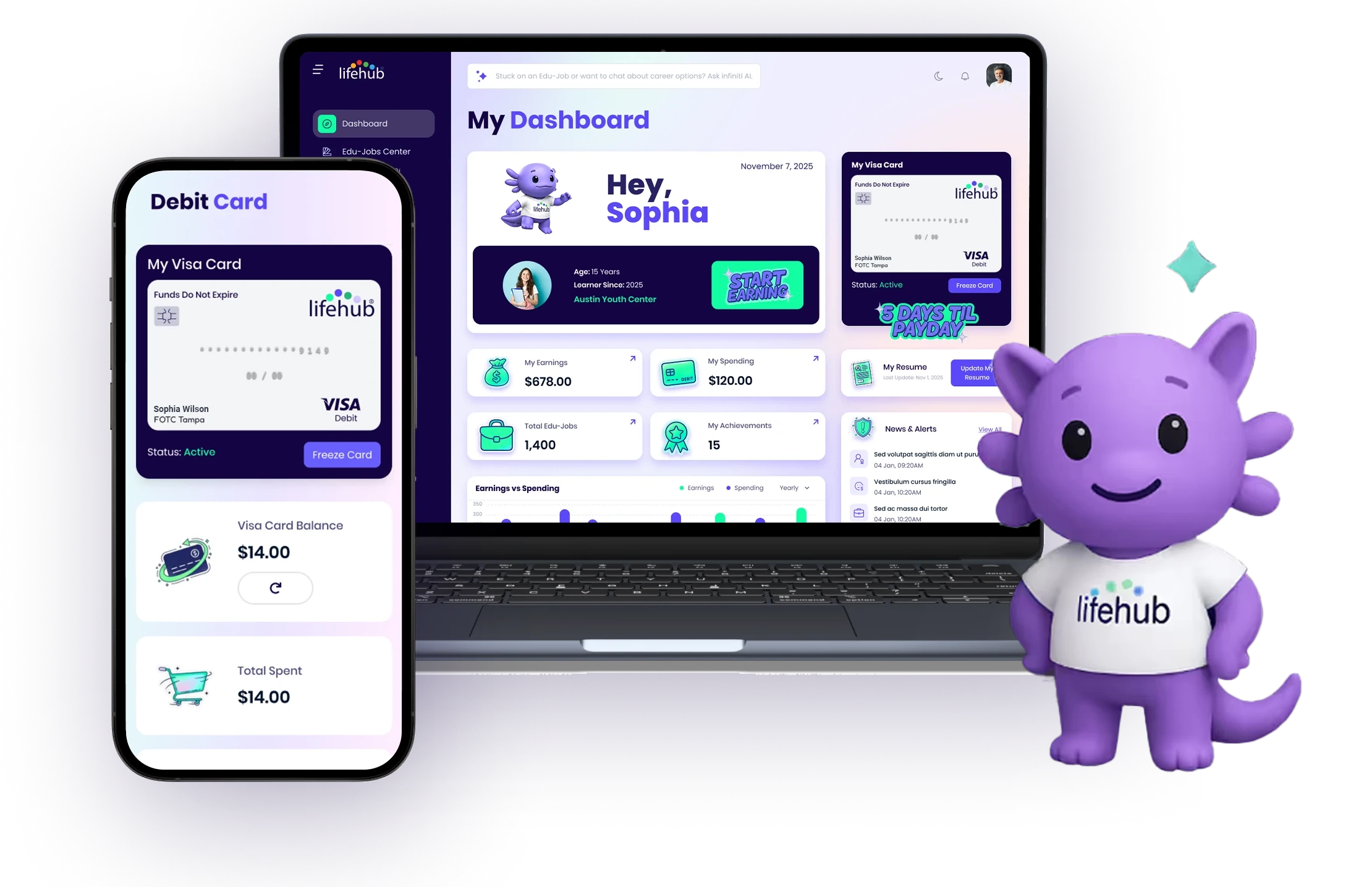
Platforms like Life Hub are taking the life skills curriculum to new heights. Life Hub’s learn-to-earn model uses paid micro-learning tasks called Edu Jobs. Learners earn real cash rewards while building skills in money management, career readiness, and digital literacy.
Features of Life Hub include:
- Edu Jobs that pay $1–$5 per task
- A Visa debit card for youth to manage their earnings
- Progress analytics for families and educators
Life Hub’s proven impact of financial rewards in education shows that incentives can boost engagement and real-world skill development. This approach makes the life skills curriculum more practical, measurable, and motivating for learners and their families.
Evaluating and Measuring Life Skills Outcomes
A strong life skills curriculum is only as effective as its ability to show real progress. Measuring outcomes gives learners, families, and educators insight into growth, strengths, and areas for improvement. This process helps make learning visible and actionable.
Setting Clear Benchmarks and Assessment Strategies
Defining clear benchmarks for a life skills curriculum helps everyone know what success looks like. Use rubrics, checklists, and self-assessment tools to track progress in areas like financial literacy, communication, and critical thinking.
Portfolios are a valuable way to collect evidence of learning. Learners can include projects, reflections, and even certifications. Digital tools and impact dashboards, such as those found in leading platforms, make it easier to visualize and track growth. For example, recent research on quantifying the lifelong impact of resilience interventions via agent-based LLM simulation shows how long-term outcomes can be assessed through innovative frameworks.
Peer and mentor feedback offers a well-rounded view of development. According to recent data, 80 percent of educators report better retention when learners engage in hands-on, project-based activities. These strategies turn the life skills curriculum into a living document, not just a checklist.
Common Assessment Tools:
| Tool | Purpose | Example Use |
|---|---|---|
| Rubric | Set clear expectations | Teamwork, communication |
| Checklist | Track progress on tasks | Budgeting, daily routines |
| Portfolio | Collect evidence and reflection | Projects, certifications |
| Digital Dashboard | Visualize analytics and growth | Skill mastery over time |
Continuous Improvement and Lifelong Learning
Evaluation does not end with a final grade. A future-ready life skills curriculum encourages reflection and goal-setting at every stage. Learners can use journals, progress trackers, or digital apps to set new goals and reflect on what they have learned.
As society and technology change, the skills needed also shift. Regularly updating the curriculum and connecting skills to real-world opportunities, such as jobs, internships, or entrepreneurship, keeps learning relevant. Evidence from the life skills of older Americans links strong life skills to better economic, psychological, and health outcomes over a lifetime.
Lifelong learning is a mindset. A well-designed life skills curriculum supports this by making sure learners see the value of continuous growth, adaptability, and real-world application. This approach prepares every learner for both current and future challenges.
Leading Resources and Curriculum Options for 2026
Choosing the right life skills curriculum in 2026 means navigating a wide range of resources designed for different ages, needs, and learning styles. Whether you are a parent, educator, or learner, finding the most relevant and engaging tools is key to building skills for daily life and future success.
Top Life Skills Curriculum Providers
Below is a table summarizing some of the leading life skills curriculum options available in 2026:
| Provider | Age Range | Topics Covered | Format | Cost |
|---|---|---|---|---|
| Overcoming Obstacles | K–12, Adult | SEL, critical thinking, communication | Print, Digital | Free |
| FDIC Money Smart | Pre-K–12 | Financial literacy | Digital, Print | Free |
| Everfi | K–12, Adult | Finance, career, health, SEL | Digital | Free/Paid |
| Banzai | 8+ | Finance, budgeting | Digital | Free |
| Common Sense Ed. | K–12 | Digital citizenship, safety | Digital | Free |
| Hands on Banking | K–12, Adult | Financial literacy | Digital | Free |
| GCF Global | All ages | Tech, finance, career, life skills | Digital | Free |
These providers offer structured programs that help learners build practical, social, and cognitive abilities. Many focus on financial literacy, digital skills, and social-emotional learning, addressing the needs of modern life skills curriculum.
Special Categories and Adaptable Options
- Homeschoolers: Freedom Homeschooling lists free, comprehensive life skills curriculum for all grade levels.
- Special needs: PASS Life Management Skills and NWT Literacy Council provide accessible workbooks.
- Career & Financial Literacy: Building Your Future, Practical Money Skills, and Learn How to Become offer career exploration and money management.
- Digital citizenship: Common Sense Education and Civic Online Reasoning teach safe, responsible online behavior.
- Practical skills: Dad, How Do I?, Easy Peasy Culinary Arts, and Plain and Not So Plain cover daily living skills in approachable formats.
Innovative resources are also making an impact. For example, a meta-analysis on physics teaching materials shows how creative content can boost critical and creative thinking, which is central to an effective life skills curriculum.
Tips for Selecting the Right Curriculum
When choosing a life skills curriculum, consider the learner’s age, interests, and unique needs. Look for resources that are adaptable, accessible, and aligned with both local standards and future workforce trends.
More programs are now free, digital, and designed to support diverse learners. The right curriculum can help you build a foundation for lifelong learning and real-world success.
As you think about what a strong life skills curriculum can do for learners in 2026, it helps to see real options in action. If you want a way for kids and families to build money skills, career readiness, and digital know-how with hands-on experience, you can check out Life Hub. Their paid micro-learning tasks cover everything from personal finance to AI to creative projects—and learners get real feedback and rewards for their effort. You can see how it works for families and young people by visiting See Life Hub for Kids and Families.


Related Content
Ready to Chat about Life Hub?
Whether you're parents, or a homeschool family, Life Hub is your partner to help you
raise super strong kids.

.svg)

.svg)


.svg)
.svg)

.svg)