Comprehensive Guide to Education Curriculum in 2026



Imagine a classroom in 2026 filled with interactive screens, learners working in small groups, and teachers guiding each path. The education curriculum is no longer just about textbooks, but about skills that shape tomorrow’s leaders.
This guide will help you understand how the education curriculum is evolving. We explore new standards, fresh innovations, and hands-on strategies for educators, families, and learners.
You will see how definitions are changing, core subjects are being updated, and technology, AI, and real-world skills are being woven into every lesson.
Transformative changes are underway. Get ready for practical insights and inspiration to adapt and help every learner thrive.
Understanding the 2026 Education Curriculum: Key Definitions and Frameworks
Education curriculum is the backbone of every classroom. As defined by leading states like Rhode Island, it is a planned sequence of instruction and content standards guiding what learners should know and be able to do. Unlike instruction, which is how teaching happens, or assessment, which measures learning, the education curriculum provides the overall plan. Curriculum frameworks help educators organize subjects, set clear goals, and align with both state and federal requirements. For example, Rhode Island’s definition focuses on a comprehensive structure, ensuring all teaching connects to state-approved standards and best practices.

What is a Curriculum?
The education curriculum has evolved over time. States now move from content-heavy lists to competency-based models that focus on real skills. National and state standards, such as the Common Core and Next Generation Science Standards, blend with local goals. This shift encourages critical thinking, collaboration, and digital literacy for all learners. Pennsylvania’s Standards Aligned System is a digital tool that helps schools implement these changes. Data shows a steady increase in schools using digital curriculum platforms. These updates make sure the education curriculum prepares learners for the complex world ahead.
Evolution of Curriculum Standards
Curriculum frameworks in 2026 are designed for flexibility and depth. Each core subject—ELA, Math, Science, Social Studies, STEM, and the Arts—has its own framework developed by expert advisory boards and informed by educators, families, and industry partners. For instance, Rhode Island’s frameworks offer detailed guides for each subject, allowing for local adaptation. Stakeholder feedback shapes these frameworks to meet community needs. To support educators and families as they navigate new frameworks, many turn to Resources for Educators and Families for research and practical tools. This helps everyone stay connected to the evolving education curriculum.
Core Academic Subjects: Updates and Innovations
The core academic subjects in the education curriculum are seeing major updates in 2026. Each area now focuses on practical skills, digital integration, and support for every learner. Let’s explore what’s new and how these changes shape daily learning.

English Language Arts and Literacy
In 2026, the education curriculum for English Language Arts (ELA) places a strong emphasis on foundational and structured literacy. States highlight early reading skills and adopt personal literacy plans to track progress for every learner.
Digital and media literacy are woven into daily lessons. Learners analyze online texts and evaluate sources, building critical thinking skills. Programs such as Rhode Island’s Right to Read Act and the Learning Laboratory Series provide support and resources for both educators and families.
There is now more attention on early detection of reading challenges like dyslexia and dysgraphia. Schools use adaptive technology to deliver personalized reading interventions. These updates to the education curriculum aim to build confident, capable readers for the digital age.
Mathematics
Mathematics teaching in the education curriculum is shifting toward real-world problem-solving and mathematical modeling. High-quality materials ensure that all grade levels have access to engaging content, with a focus on deep understanding rather than rote memorization.
States are developing model courses for Algebra 1, Geometry, and Algebra 2. Early math screening helps identify learners who need extra support, while targeted interventions address gaps as soon as they appear.
Many states are adopting new math frameworks to boost STEM readiness. These frameworks in the education curriculum promote collaboration, logical reasoning, and hands-on math experiences that connect directly to careers and everyday life.
Science and STEM
Science education in the 2026 education curriculum is guided by the Next Generation Science Standards (NGSS) and a growing emphasis on STEM integration. Hands-on, inquiry-based learning is at the heart of science classes, with engineering practices and real experiments taking center stage.
States are expanding STEAM initiatives, adding the arts to traditional STEM subjects. Learners participate in statewide competitions, robotics clubs, and community science projects. Advisory boards and industry partners help shape these programs to match workforce needs.
A key development is the CSTA K-12 Computer Science Standards Revision, which will guide computer science teaching through 2026 and beyond. These efforts ensure the education curriculum prepares learners for technology-rich futures.
Social Studies and Financial Literacy
Social studies courses now include civics, economics, and global studies as core elements. Many states mandate personal finance education to help learners build real-world money skills.
Examples include requirements for courses on the Holocaust, genocide, and African American history. By 2026, over 35 states require personal finance instruction as part of the education curriculum. These updates help learners become informed, responsible citizens.
Technology, AI, and Digital Literacy in the 2026 Curriculum
Digital tools and artificial intelligence now play a central role in the education curriculum. By 2026, schools have moved beyond traditional textbooks. Learners engage with digital platforms, interactive lessons, and real-time feedback. These changes help prepare every learner for a tech-driven world.

Integrating Technology Across Subjects
Schools weave technology into every subject of the education curriculum. Digital platforms deliver content and track progress. Many districts use blended or hybrid learning, mixing face-to-face teaching with online lessons.
Examples include:
- State-supported digital curriculum repositories, like Pennsylvania’s Standards Aligned System
- Over 80% of districts adopting Learning Management Systems (LMS)
- Teachers joining professional development to strengthen tech skills
These platforms make lessons more accessible and flexible. Teachers can adjust materials for different learning needs. As a result, learners experience more personalized and engaging instruction.
AI in Schools: Opportunities and Challenges
Artificial intelligence is transforming the education curriculum. AI-powered tools help personalize learning and give instant feedback. For example, AI coaches track progress, suggest resources, and support learners who need extra help.
There are also challenges. Schools must address data privacy, ethics, and algorithmic bias. Educators are preparing learners for an AI-driven workforce, while states provide guidance on responsible AI use. For more insight on this shift, see AI in Education Curriculum.
The right balance helps learners build skills while protecting their privacy and well-being.
Digital and Media Literacy Skills
Digital and media literacy are essential parts of the education curriculum. Learners practice safe online behavior and learn to spot misinformation. By 2026, 90% of schools require digital literacy instruction.
Key skills include:
- Digital citizenship and online safety
- Critical evaluation of online sources
- Responsible use of social media
States partner with tech companies to provide current resources. These efforts help learners become thoughtful, informed digital citizens.
Real-World Application: Project-Based and Experiential Learning
The education curriculum now includes more project-based and experiential learning. Learners solve real problems and work with community partners. Schools team up with local businesses for STEM competitions, entrepreneurship projects, and service learning.
These partnerships connect classroom lessons to real-life challenges. Learners gain skills they can use beyond school, building confidence and adaptability.
Inclusion, Equity, and Support for Diverse Learners
Every learner brings unique strengths and needs to the classroom. The 2026 education curriculum prioritizes inclusion and equity, aiming to support every learner’s growth. Schools work to create welcoming environments where all learners can thrive and access high-quality learning opportunities.

Special Education and Individualized Support
Special education is a central element of the education curriculum. Learners with disabilities are supported through Individualized Education Programs (IEPs) and 504 plans, ensuring tailored learning experiences. Early intervention services help identify and address needs from a young age, making transitions smoother.
States have increased funding for inclusion programs in 2026. Universal Design for Learning (UDL) principles guide lesson planning, so materials are accessible for all. Frameworks like Rhode Island’s Early Childhood Special Education support teachers in adapting the education curriculum for diverse learners. These changes reflect a commitment to equity, helping every learner participate fully in school life.
Multilingual Learners and Cultural Competence
The education curriculum in 2026 reflects the growing diversity in classrooms. Over 15 percent of K-12 learners are multilingual, and many states have expanded bilingual education and language support. Culturally responsive teaching ensures that lessons respect and reflect learners’ backgrounds.
Schools now offer translation services and language access programs for families. State initiatives promote inclusive curriculum materials, bringing in diverse histories and perspectives. By adapting the education curriculum to include these elements, educators foster a sense of belonging for all learners and help bridge achievement gaps.
Social-Emotional Learning and Student Well-Being
Social-emotional learning (SEL) is woven into the education curriculum. Schools use dedicated SEL frameworks to teach resilience, self-awareness, and healthy relationships. Mental health is a top priority, with 70 percent of districts ranking SEL among their key initiatives.
Collaboration with families and community agencies strengthens support for learners. For more resources on supporting learning at home, visit Kids and Families Learning Support. By embedding SEL in the education curriculum, schools nurture well-being alongside academic growth and prepare learners for life’s challenges.
Assessment, Accountability, and Continuous Improvement
Assessing learner progress and improving programs are at the heart of the education curriculum in 2026. As classrooms adapt to new standards and real-world skills, assessment and accountability systems have evolved to keep pace.
Evolving Assessment Strategies
The education curriculum now moves beyond traditional high-stakes tests. Schools use a mix of formative, performance-based, and digital assessments to track progress.
Comprehensive Assessment Systems (CAS) offer ongoing feedback, helping educators personalize instruction. Many states now pilot competency-based assessments, which allow learners to show mastery at their own pace.
Digital portfolios and project-based evaluations have become common. These tools showcase real work and growth over time. Statewide resources support families and educators in understanding these new approaches.
A quick comparison of assessment types:
| Assessment Type | Focus | Example Use |
|---|---|---|
| Formative | Ongoing feedback | In-class quizzes |
| Performance-based | Real-world tasks | Presentations, projects |
| Digital Portfolios | Growth over time | Collection of work samples |
This shift in the education curriculum means assessment is now an active part of daily learning.
Accountability Systems and Reporting
Accountability frameworks in the education curriculum are more transparent than ever. States and districts use the Every Student Succeeds Act (ESSA) to guide school improvement.
Public dashboards and school report cards share real-time data with families. Growth models track learner progress over time, not just by year-end scores.
Multiple measures of success are now valued, including academic growth, engagement, and well-being. Stakeholder input shapes how schools report and use this information.
Districts often partner with community groups to review outcomes and set goals. This approach helps everyone stay informed and engaged in the education curriculum.
Professional Development and Curriculum Improvement
Ongoing professional development is essential for adapting the education curriculum. Most teachers now join annual training focused on new content, assessment tools, and best practices.
Collaboration with higher education, industry experts, and advisory boards brings fresh ideas. For example, learning laboratory speaker series and expert panels offer real-world insights.
Districts also form partnerships to strengthen curriculum design and implementation. You can learn more about these School and District Partnerships, which help schools respond to feedback and drive continuous improvement.
Regular feedback loops mean the education curriculum stays current and effective for all learners.
The Future of Education Curriculum: Trends and Predictions for 2026 and Beyond
Education curriculum in 2026 is moving toward a more flexible and learner-centered approach. Schools combine technology, real-world experiences, and partnerships to help learners succeed in a changing world.
Personalization and Learner Agency
Personalized learning is a top trend in the education curriculum for 2026. Schools now offer flexible pacing, choice in assignments, and options for how learners show what they know. Many high schools offer micro-credentials and stackable certificates for skills gained in and out of the classroom. About half of high schools now provide personalized learning tracks.
Artificial intelligence supports this shift by tailoring instruction and feedback to each learner’s needs. For example, AI-powered teaching and learning innovations help educators design custom learning paths and track progress. This approach gives learners more control over their education curriculum and helps them build confidence.
Expanding Real-World and Career Readiness Skills
Career readiness is now woven into the education curriculum across subjects. Schools blend academic content with career and technical education, offering paid micro-learning tasks and work-based experiences. There is a strong focus on entrepreneurship, financial literacy, and practical workforce skills.
Programs in science, technology, engineering, and math (STEM) are growing fast. According to research on the integration of AI in STEM education, schools are addressing new ethical challenges and preparing learners for tech-driven careers. More learners are joining career and technical programs, with a 40 percent increase since 2022.
Lifelong Learning and Community Partnerships
The education curriculum is designed to build lifelong learning habits. Learners are encouraged to adapt, think critically, and keep learning beyond the classroom. Schools partner with families, employers, and community organizations to create more learning opportunities.
About 75 percent of districts have formal partnerships with community groups. These connections support family engagement and help learners apply their knowledge in real-life settings. As the world changes, the education curriculum continues to evolve, preparing learners for a future where learning never stops.
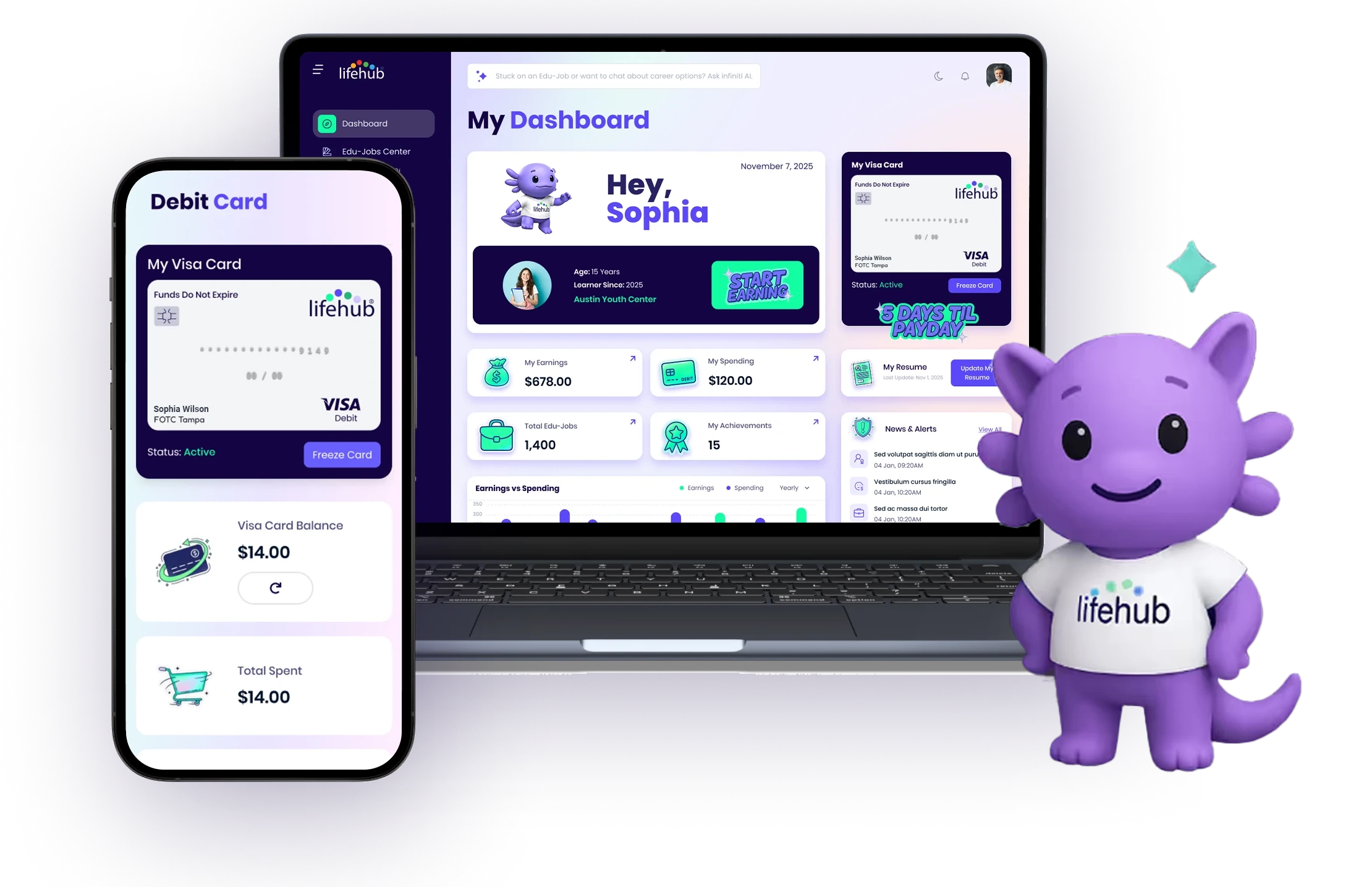
As you’ve seen, the curriculum in 2026 is all about helping every learner build skills for life—like financial literacy, STEM, digital know how, and social emotional growth. If you want young people to practice these skills and earn real rewards for their effort, you may want to see how a platform like Life Hub can fit into your family’s routine. It’s a simple way for learners to try hands on micro learning tasks, explore their interests, and get support from parents or sponsors along the way.
See Life Hub for Kids and Families


Related Content
Ready to Chat about Life Hub?
Whether you're parents, or a homeschool family, Life Hub is your partner to help you
raise super strong kids.

.svg)

.svg)


.svg)
.svg)

.svg)