Christian Homeschool Curriculum: A 2026 Guide




Choosing a christian homeschool curriculum involves more than selecting textbooks. Families seek materials that integrate biblical values with rigorous academics while preparing children for real-world challenges. In 2026, the landscape of faith-based education continues to expand, offering families diverse options that range from classical literature approaches to hands-on project-based learning. Modern christian homeschool curriculum choices now include digital literacy, financial education, and career readiness alongside traditional subjects, reflecting the complex skills young people need for future success.
Understanding Christian Homeschool Curriculum Options
The term christian homeschool curriculum encompasses a wide range of educational materials designed to integrate biblical worldview teaching with academic subjects. These programs vary significantly in structure, teaching philosophy, and implementation method.
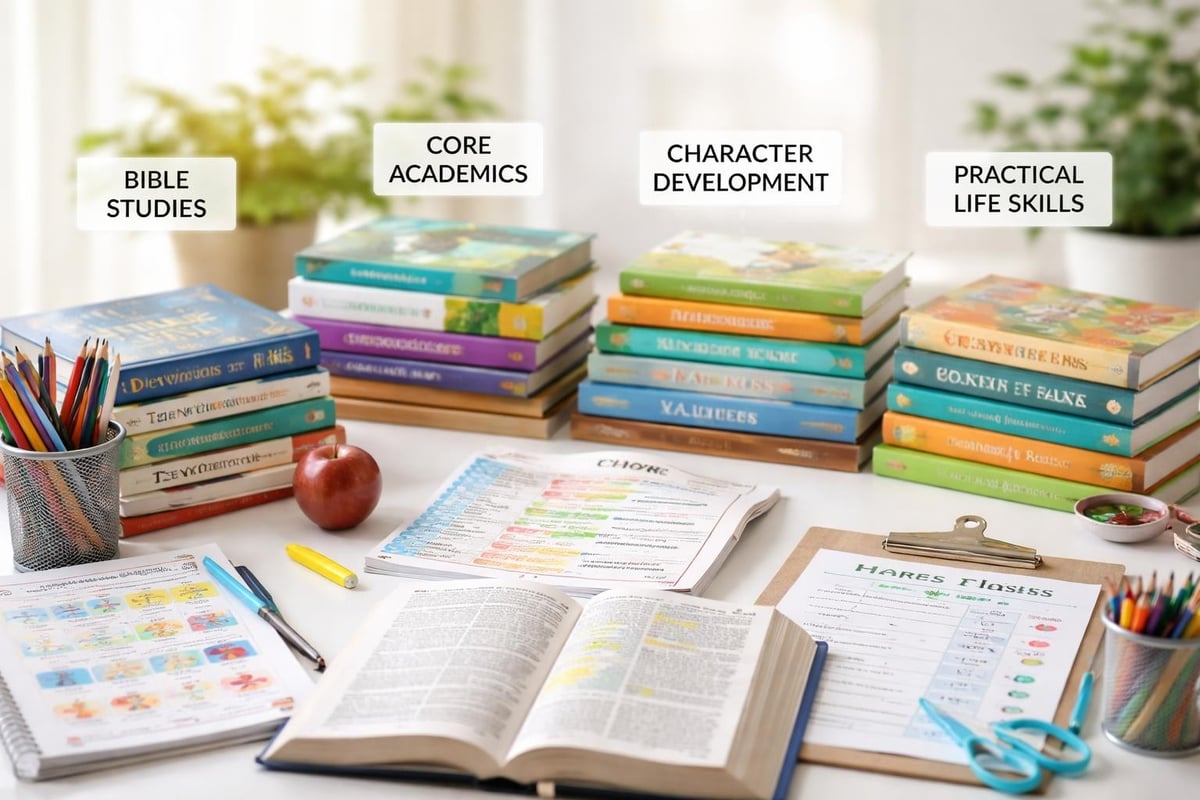
Some families prefer complete boxed curricula that provide every subject in one package. Others select individual resources for each subject area, creating a customized approach. Faith-based curriculum options available in 2026 include classical education models, Charlotte Mason approaches, unit studies, and online programs that offer flexibility for different learning styles.
Key curriculum categories include:
- Traditional textbook-based programs with teacher guides and workbooks
- Online platforms with video lessons and interactive assignments
- Literature-based approaches using living books and primary sources
- Unit studies that integrate multiple subjects around single themes
- Classical education following the trivium model
Biblical Integration Across Subjects
A defining feature of christian homeschool curriculum is intentional biblical integration. This goes beyond adding a separate Bible class to the schedule. Quality faith-based materials weave scriptural principles throughout math, science, history, and language arts.
For example, science curricula might explore creation from a biblical perspective while teaching the scientific method. History programs often examine historical events through the lens of God's providence. Math instruction can include stewardship principles and biblical numeracy examples.
| Subject Area | Biblical Integration Example |
|---|---|
| Science | Creation studies, stewardship of natural resources |
| History | God's providence in historical events, biblical timeline |
| Math | Stewardship, biblical proportions and measurements |
| Literature | Character analysis through biblical virtues |
| Writing | Journaling prayers, analyzing Scripture passages |
Popular Christian Homeschool Curriculum Choices
Families researching christian homeschool curriculum options in 2026 encounter numerous established publishers and newer innovative platforms. Popular Christian homeschool curricula serve millions of families worldwide with different theological perspectives and educational philosophies.
Top considerations when evaluating programs:
- Denominational alignment with family beliefs
- Teaching approach (classical, Charlotte Mason, traditional)
- Time commitment required from parents
- Budget and total cost per child
- Flexibility for multiple grade levels
- Inclusion of modern skills alongside traditional academics
Some programs focus heavily on memorization and recitation. Others emphasize discussion and critical thinking. The right fit depends on each family's values, learning preferences, and practical constraints.
Complete Curriculum Packages
Complete packages provide all subjects for one or multiple grade levels in a coordinated system. These programs reduce planning time for parents while maintaining consistency across subjects.
Boxed curricula typically include teacher manuals, learner workbooks, assessments, and supplementary materials. Many now offer both physical and digital formats. This approach works well for families new to homeschooling who appreciate structured guidance.
The coordination between subjects in complete packages can reinforce learning. A history lesson about ancient civilizations might connect with literature selections from that era and art projects reflecting the period's style.
Subject-Specific Resources
Many experienced homeschool families prefer selecting individual resources for each subject. This allows matching each child's learning style and level precisely.
Christian homeschooling resources available as single subjects range from comprehensive programs to supplemental materials. Parents might choose one publisher for math, another for language arts, and a third for science based on proven effectiveness with their children.
This customized approach requires more planning but offers maximum flexibility. Families can adjust pace, swap materials mid-year, and address specific learning gaps without changing their entire curriculum.
Integrating Modern Skills With Faith-Based Learning
Traditional christian homeschool curriculum focused primarily on classical academics and biblical studies. Today's programs increasingly recognize that young people need practical skills for financial independence, career success, and digital competence.
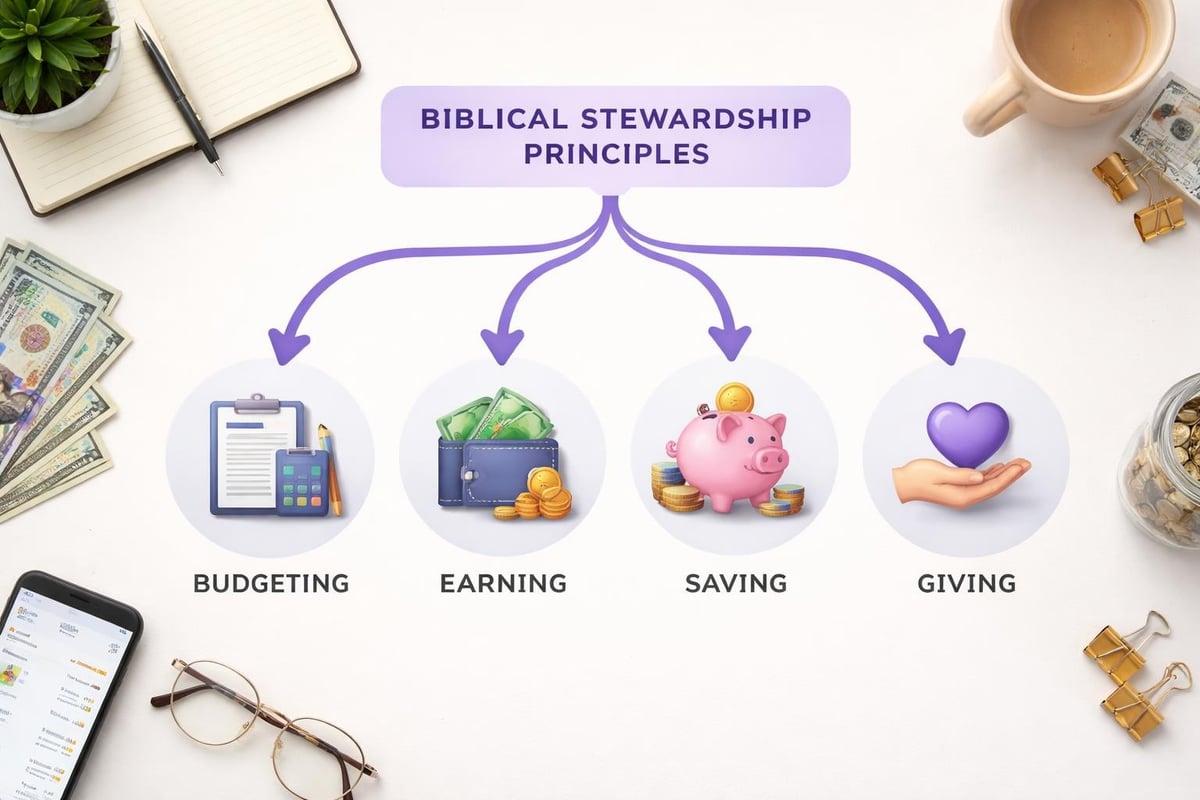
Financial literacy represents a critical gap in many educational programs. Homeschool families who prioritize biblical stewardship principles often seek ways to teach budgeting, saving, investing, and entrepreneurship alongside academic subjects.
Life skills curriculum integration helps learners connect abstract concepts to real-world application. When children understand how math relates to managing money or how writing skills apply to business communication, engagement increases.
Digital Literacy and Technology
Christian families in 2026 recognize technology as both a tool and a responsibility. Young people need digital skills for most career paths while also developing wisdom about online conduct, privacy, and discernment.
Essential digital competencies include:
- Safe internet navigation and digital citizenship
- Productivity software (word processing, spreadsheets, presentations)
- Basic coding and computational thinking
- Media literacy and source evaluation
- Online collaboration and communication
AI literacy curriculum has emerged as a new priority. Families want children to understand artificial intelligence capabilities, limitations, and ethical considerations from a biblical perspective.
Some christian homeschool curriculum providers now include technology modules. Others partner with specialized platforms that offer these skills through engaging, faith-aligned content.
Practical Implementation Strategies
Selecting a christian homeschool curriculum represents just the first step. Successful implementation requires planning, consistency, and willingness to adjust based on results.
Creating a Balanced Schedule
Homeschool schedules vary widely by family. Some follow traditional school hours and calendars. Others adopt year-round schedules with frequent breaks or four-day weeks.
Balance involves mixing focused academic time with hands-on activities, outdoor learning, and practical skill development. A typical day might include morning core subjects, midday read-alouds or projects, and afternoon electives or independent work.
Sample daily structure:
| Time Block | Activities | Focus Area |
|---|---|---|
| 8:00-10:00 | Math, language arts | Core academics |
| 10:00-11:00 | Bible study, character development | Faith formation |
| 11:00-12:00 | Science or history | Content subjects |
| 1:00-2:00 | Practical skills, projects | Application |
| 2:00-3:00 | Reading, electives | Enrichment |
Multi-Level Teaching
Families with children at different grade levels face unique challenges with christian homeschool curriculum selection. Some programs offer multi-level guides that allow teaching similar content to different ages simultaneously.
Unit studies work particularly well for combined teaching. When studying American history, younger children might complete simple timelines while older learners write research papers on the same time period.
Certain subjects like math require individual grade-level instruction. Others like Bible study, read-alouds, science experiments, and art projects can include the whole family.
Building Real-World Capabilities
Academic knowledge alone does not prepare young people for independent adult life. Christian families increasingly recognize the importance of practical capability development alongside traditional education.
Career exploration helps learners understand different vocational paths and how their interests and abilities might serve others. Exposure to various fields through projects, interviews, and hands-on experiences builds awareness beyond textbook descriptions.
Homeschool networks often facilitate group projects, cooperative classes, and shared resources that expand learning opportunities beyond individual family capabilities. These communities provide social interaction while maintaining shared values.
Motivation Through Meaningful Work
Young people engage more deeply when learning connects to meaningful outcomes. Projects that produce real results, serve others, or earn recognition motivate continued effort.
Some families incorporate entrepreneurship education where children develop small businesses applying skills they are learning. Others emphasize service projects that use academic knowledge to benefit their community.
Micro-learning platforms offer another approach by breaking skills into achievable tasks with immediate feedback and rewards. This method helps learners build confidence through incremental success.

Financial Capability Development
Teaching children about money management aligns naturally with biblical stewardship principles found in many christian homeschool curriculum materials. Moving beyond theory to practice requires hands-on experience.
Financial skills progression by age:
- Ages 5-8: Identifying coins and bills, basic counting, simple giving and saving
- Ages 9-12: Budgeting allowance, comparing prices, earning through chores, percentage calculations
- Ages 13-15: Banking basics, compound interest, entrepreneurship, tracking expenses
- Ages 16-18: Credit and debt, investing fundamentals, taxes, employment skills
Experiential learning accelerates financial capability development. When young people earn money through effort, make spending decisions, and experience consequences, abstract concepts become concrete understanding.
Assessment and Record Keeping
Most states require homeschool families to maintain educational records. Even where not mandated, tracking progress helps families evaluate curriculum effectiveness and identify areas needing additional attention.
Assessment methods in christian homeschool curriculum vary from traditional tests to portfolio reviews. Some families use standardized testing annually. Others rely on demonstration of mastery through projects and presentations.
Effective assessment approaches:
- Weekly or unit tests from curriculum materials
- Portfolio collections of best work samples
- Standardized achievement tests (annual or biennial)
- Mastery demonstrations through projects or presentations
- Regular parent observations and anecdotal records
Resources and research about homeschool assessment can help families develop appropriate evaluation systems that satisfy legal requirements while informing instructional decisions.
Documentation for Future Needs
Thorough record keeping serves multiple purposes beyond compliance. Documentation supports high school transcript creation, college applications, and scholarship opportunities.
Records should include courses completed, materials used, hours of instruction, grades or assessments, and notable achievements. Many families maintain reading logs, writing samples, and project descriptions as evidence of learning.
Digital portfolio systems simplify organization and provide accessible records for applications or reviews. Regular updates throughout the year prevent overwhelming catch-up work.
Addressing Common Challenges
Every homeschool family encounters obstacles. Recognizing common challenges and strategies for addressing them helps maintain momentum when difficulties arise.
Curriculum selection paralysis affects many families who feel overwhelmed by options. Starting with core subjects from one trusted provider, then adding resources as needed, reduces decision fatigue.
Maintaining Consistency
Consistency represents one of the biggest challenges in home education. Life circumstances, health issues, and competing priorities can disrupt even well-planned schedules.
Building flexibility into planning helps families adjust without abandoning progress. Some families maintain year-round schedules with regular breaks, allowing makeup time when disruptions occur.
Strategies for consistency:
- Establish non-negotiable minimums for essential subjects
- Create backup plans for sick days or unusual circumstances
- Use shorter lessons during busy seasons rather than skipping entirely
- Involve older learners in schedule planning and accountability
- Connect with other homeschool families for encouragement and support
The Home School Legal Defense Association provides legal support and resources that can help families navigate regulatory requirements while maintaining flexibility.
Socialization and Community
Critics often question socialization in homeschool environments. Christian families typically address this through church involvement, co-ops, sports teams, music lessons, volunteer work, and community activities.
Quality relationships matter more than quantity of peer interactions. Homeschooled young people often develop strong communication skills across age groups through regular interaction with siblings, adults, and diverse community members.
Co-ops allow families to share teaching responsibilities for subjects like science labs, foreign languages, or performing arts. These gatherings provide social connection while reducing individual family burden.
Looking Ahead: The Future of Faith-Based Education
Christian homeschool curriculum continues evolving to meet changing educational needs. The integration of technology, emphasis on practical skills, and recognition of diverse learning styles reshape how faith-based materials are developed and delivered.
Online platforms expand access to specialized subjects and expert instruction. Virtual field trips, video lessons from master teachers, and interactive simulations enhance learning beyond what individual families can provide independently.
Answers in Genesis curriculum and similar programs continue developing resources that address contemporary issues from biblical perspectives, helping families engage with cultural questions while maintaining faith foundations.
Hybrid Models and Flexibility
Hybrid approaches combining home instruction with part-time classes or online courses gain popularity. Families appreciate flexibility to customize while accessing expertise for challenging subjects.
Some learners attend traditional schools for certain classes while homeschooling for others. Others participate in university-model schools meeting two or three days weekly with home assignments in between.
These flexible models allow families to adjust as children mature and needs change. A high schooler might take advanced math online while completing other subjects at home with parent guidance.
Supporting the Whole Child
Effective christian homeschool curriculum addresses academic, spiritual, emotional, and practical development. Young people need more than content knowledge to become capable, confident adults who contribute meaningfully to their communities.
Character formation happens through daily interaction, biblical teaching, and opportunities to practice virtues in real situations. Service projects, family discussions, and mentoring relationships shape character alongside formal curriculum.
Social-emotional learning helps children understand emotions, build healthy relationships, and develop self-regulation. These skills support both current well-being and future success in family, career, and community life.
Physical health receives attention through outdoor time, physical education, and nutrition awareness. Some christian homeschool curriculum materials include health topics from biblical perspectives on stewardship of bodies.
Preparing for Independence
The ultimate goal of education is preparing young people for independent, productive adult life. Christian families want children equipped to serve God, support themselves financially, contribute to society, and pass faith to the next generation.
This requires intentional skill development beyond academic subjects. Young people need experience making decisions, solving problems, managing time and money, and recovering from failures.
Gradual release of responsibility prepares learners for independence. Younger children make small choices with guidance. Teenagers handle increasing responsibility with decreasing supervision, building confidence before leaving home.
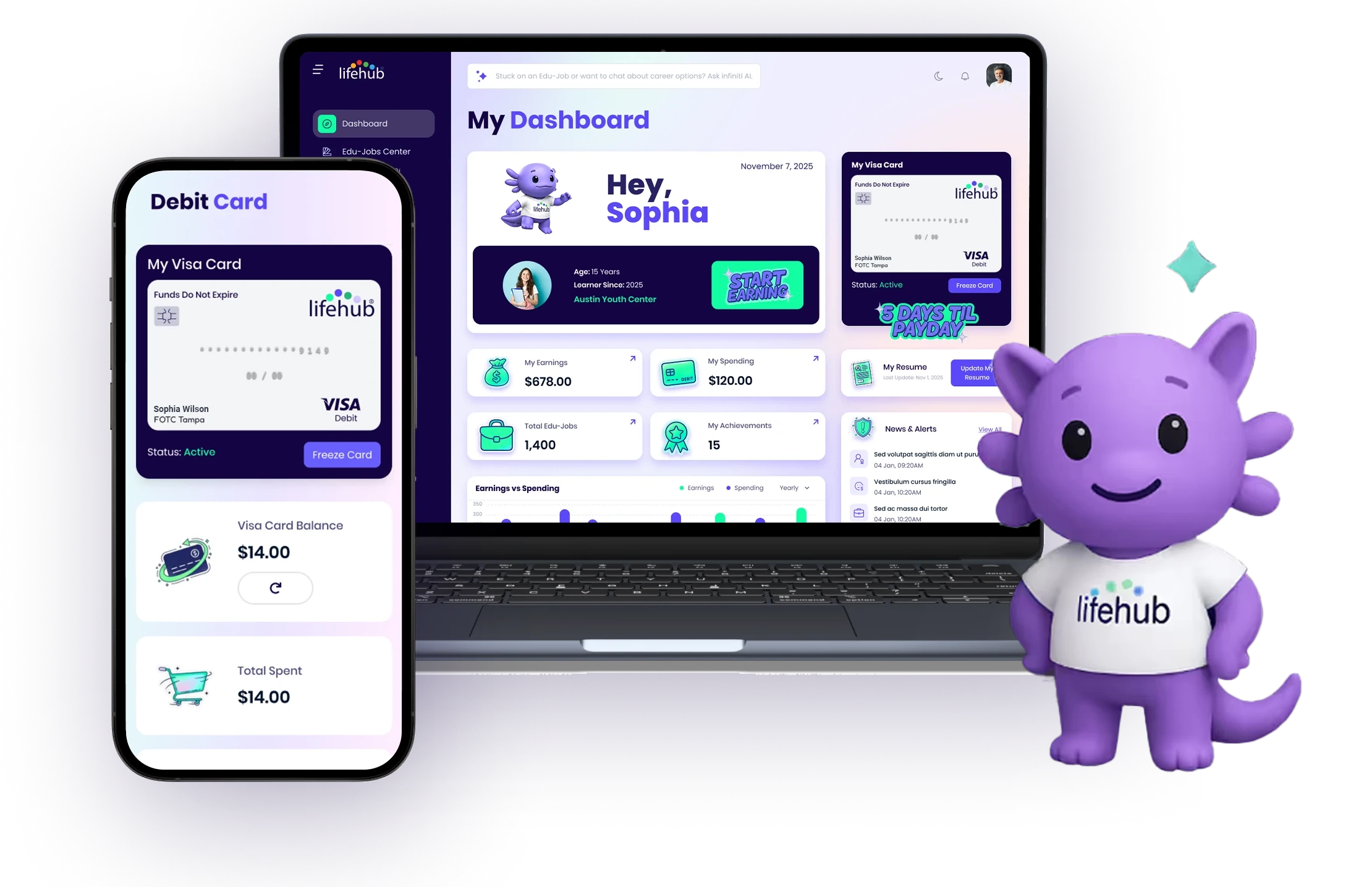
Selecting and implementing a christian homeschool curriculum that balances faith, academics, and practical skills can prepare young people for meaningful, productive lives. Modern families benefit from expanding their educational approach to include financial literacy, career readiness, and digital skills alongside traditional subjects. Life Hub supports this holistic development through paid micro-learning tasks that help learners build money management skills, explore career interests, and develop real-world capabilities while earning as they learn. This practical approach complements faith-based curriculum by connecting effort to tangible rewards, building confidence through achievement, and preparing young people for financial independence.


Related Content
Ready to Chat about Life Hub?
Whether you're parents, or a homeschool family, Life Hub is your partner to help you
raise super strong kids.

.svg)

.svg)


.svg)
.svg)

.svg)