Financial independence is becoming essential for teens as we head into 2026. More young people are managing their own money, and parents want safe ways to guide them.
This article covers the best visa card for teens, showing how these cards help both parents and learners take control of spending and saving.
You will discover top card features, safety tools, parental controls, rewards, and educational benefits. Each option offers unique ways to support your family’s financial goals.
Ready to help your teen build smart money habits early? Explore the best options below to find the right fit for your family.
Why Teens Need Their Own Visa Card in 2026
The world of money is changing fast. For Gen Z and Gen Alpha, cash is becoming a thing of the past. Most teens now use mobile wallets or digital payments for everything from snacks to streaming subscriptions. By 2026, having a visa card for teens will be just as normal as having a phone.
Parents often worry about safety and spending habits. Giving a teen a visa card for teens means setting clear spending limits and monitoring purchases in real time. With these tools, parents can build trust while keeping a watchful eye. Many cards send instant alerts for every transaction, so there are no surprises.
Learning to manage money early is a skill that lasts a lifetime. A visa card for teens helps young people practice budgeting, saving, and making smart choices. Some cards even come with built-in apps or lessons, turning every purchase into a chance to learn. According to Javelin Strategy, 54% of teens used digital payment tools in 2024, and this number is only going up.
Controlled access to money gives teens confidence and independence. They can pay for their own outings or school supplies and feel responsible for their choices. At the same time, parents can set boundaries, like weekly limits or blocking certain types of spending.
Visa cards are not just about convenience. They are a way to teach real-world skills. Teens can set savings goals, track spending, and see how small choices add up. For more ideas on building these habits, explore resources on practical money skills that support families and learners.
When teens have the right tools, they are better prepared for adult life. A visa card for teens opens the door to safe, supervised independence, and helps families start important conversations about money.
Key Features to Look for in a Teen Visa Card
Choosing a visa card for teens means looking beyond just a simple payment tool. The best cards offer a mix of safety, control, learning, and support. Here are the most important features that families should keep in mind.
Parental Controls and Security
Look for a visa card for teens that lets parents set spending limits, monitor transactions, and approve certain purchases. Real-time alerts keep everyone informed. Security is essential, so features like instant card locking, fraud monitoring, and secure app login protect both learners and families.
These controls help parents guide spending while building trust and responsibility.
Educational Tools and Rewards
The best cards teach budgeting, saving, and goal setting. Many offer in-app lessons, spending insights, or savings challenges. Some, like the Life Hub Visa® Rewards Card details, even reward learners for educational achievements. Cashback, discounts, or gamified perks can motivate teens to use their visa card for teens wisely.
These tools support real-life financial habits and boost confidence.
Fees, Customization, and Support
Compare fees for each visa card for teens. Watch for monthly charges, reload fees, or ATM costs. Transparent pricing is key. Custom card designs and digital wallet compatibility make the experience more personal. Responsive customer support and a user-friendly app help families resolve issues quickly.
A handy summary table:
Feature
Why It Matters
Parental Controls
Guides safe, responsible spending
Security
Protects against loss or fraud
Education & Rewards
Builds financial skills, motivates
Fees & Customization
Keeps costs clear, adds flexibility
Support
Solves problems, offers guidance
Choosing the right mix of features helps families pick a card that fits their needs and supports healthy money habits.
8 Best Visa Card for Teens Options to Try in 2026
Finding the right visa card for teens can be a smart step for families in 2026. Each option below offers unique features that help learners grow in financial confidence, while parents keep oversight. Explore these top picks for a visa card for teens, with a focus on safety, rewards, and education.
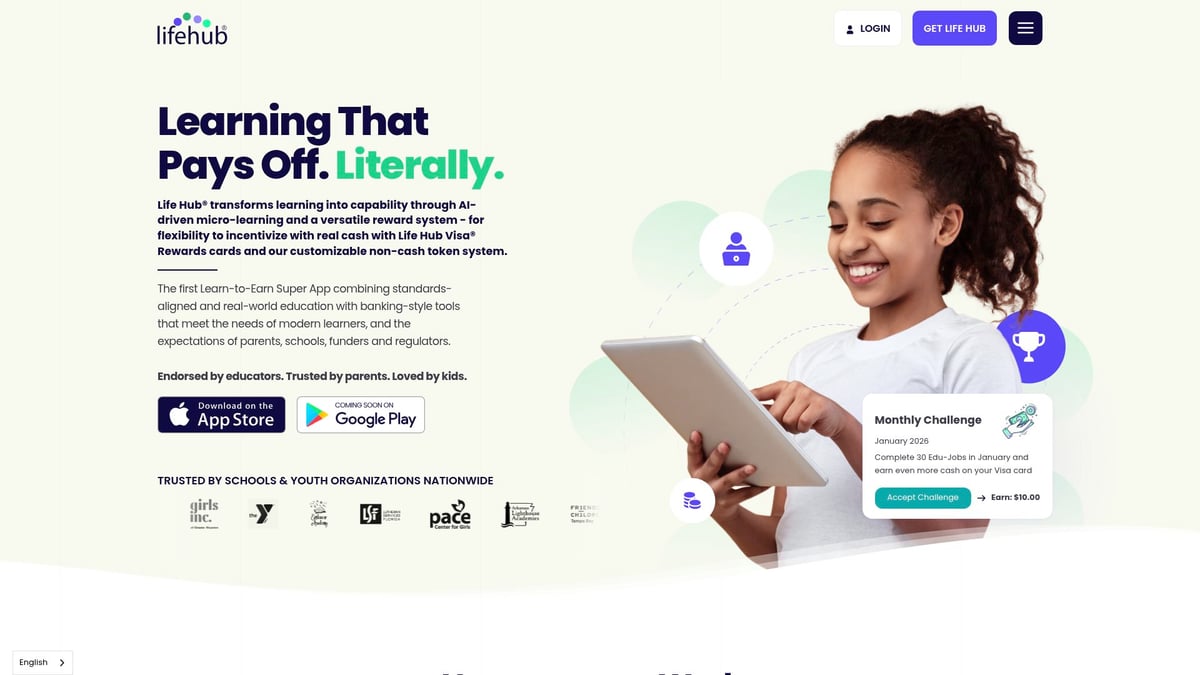
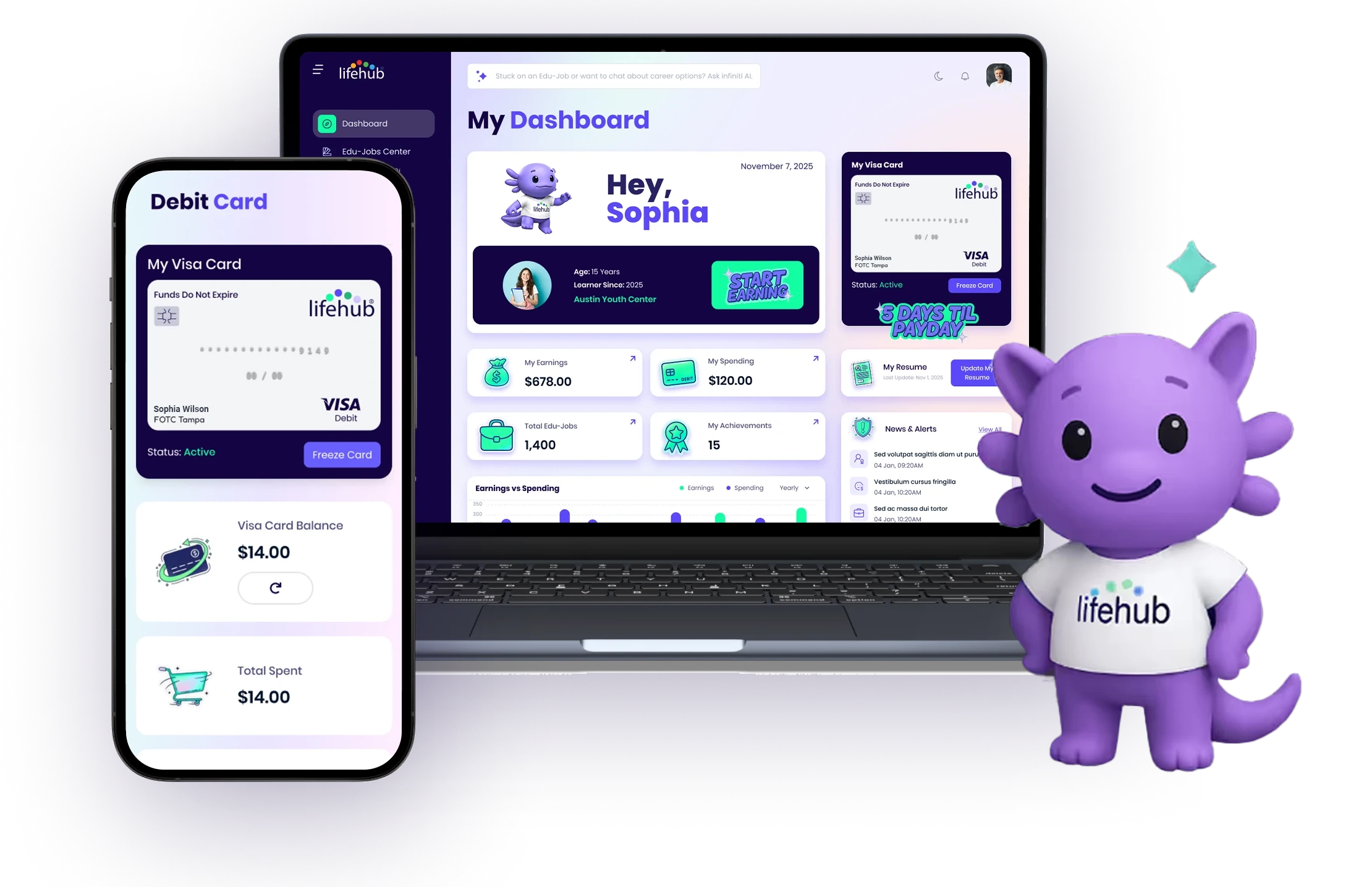
The Life Hub Visa Rewards Card stands out as a visa card for teens that merges real-world financial tools with learning. It is designed for families, schools, and organizations. Pricing is flexible, with packages for various group sizes.
Core features include AI-powered micro-learning, real cash rewards for educational achievements, and strong parental controls. Parents and educators can track progress with impact analytics. The card supports a “learn-to-earn” approach, motivating learners to gain financial skills.
Pros:
Combines education and real cash rewards
Standards-aligned curriculum and robust parental controls
Flexible rewards and customization
Cons:
Requires regular app usage and engagement in “Edu Jobs”
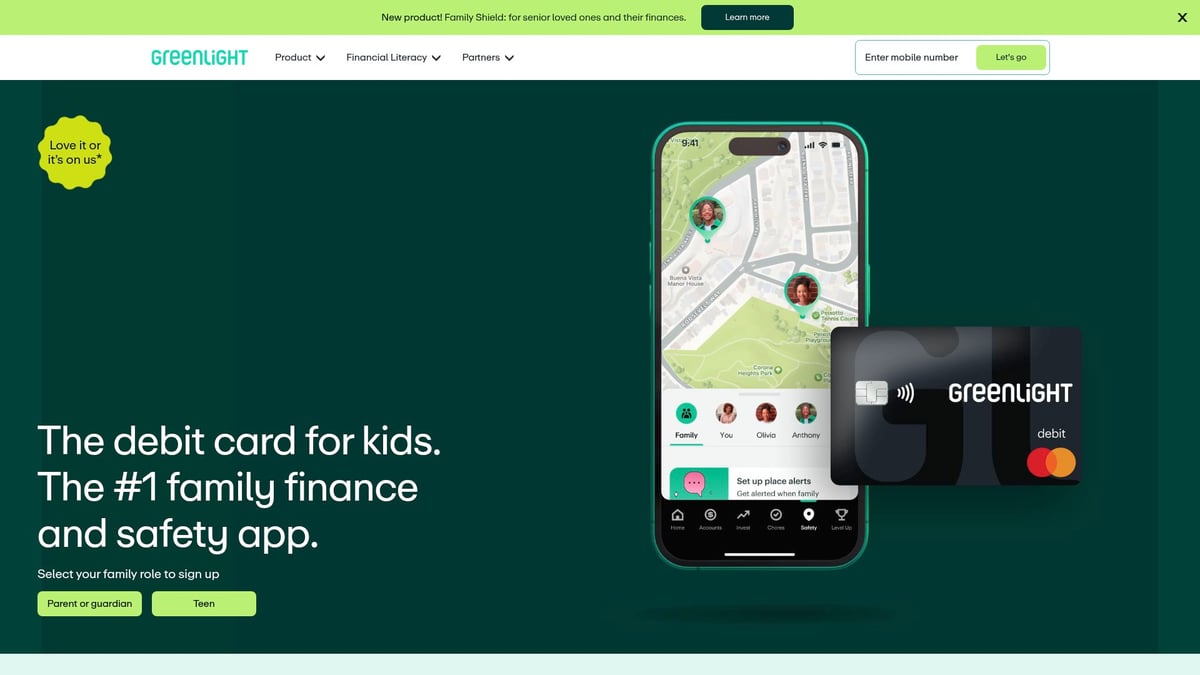
Greenlight is a visa card for teens favored by families seeking control and flexibility. The base plan starts at $4.99 per month for the whole family.
Key features include customizable spending controls, real-time notifications, and the ability to track chores and savings. Parents can set spending limits and receive alerts. Greenlight also offers investment tools for learners.
Pros:
Robust parental oversight and notifications
Chore tracking and savings incentives
Multiple accounts for siblings
Cons:
Monthly fees apply
Some advanced features need higher-tier plans
This card helps teens practice budgeting and saving, all while parents monitor activity.
Current offers a modern visa card for teens, priced at $3 per month per user. This card is best for tech-savvy families who prefer digital-first tools.
Features include instant transfers, customizable spending controls, and “savings pods” for goal setting. There are no overdraft fees, and the mobile app is easy to navigate. Learners can access funds at ATMs without extra charges.
Pros:
Simple, transparent fee structure
Customizable parental controls
Sleek, user-friendly design
Cons:
No physical branches
Limited investment features
Current is ideal for families who want a digital banking experience with strong oversight.
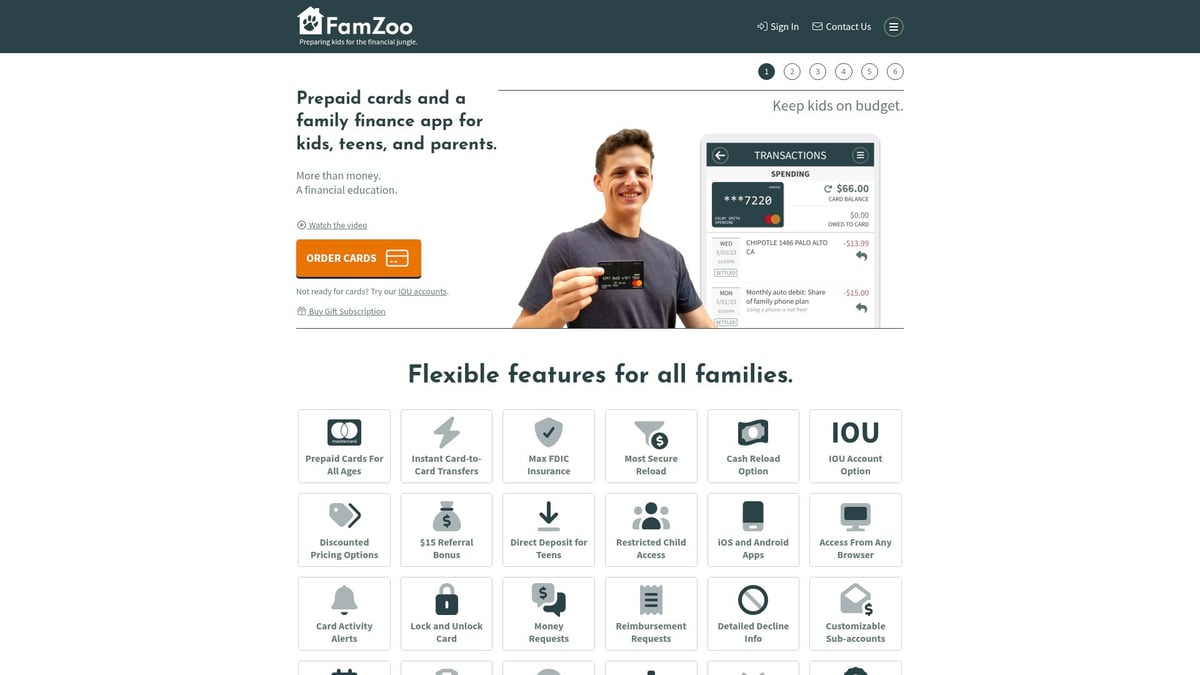
FamZoo is a visa card for teens that supports families with multiple children. Pricing is $5.99 per month per family, with discounts for paying in advance.
This card allows parents to issue several cards, manage allowances, and set up family billing. Features include chore charts, IOU tracking, and parental purchase approval.
Pros:
Highly customizable for families
Educational tools for money management
Parental approval on purchases
Cons:
Monthly fee
App interface could feel dated
FamZoo fits best for larger families who want flexible allowance and spending tools.
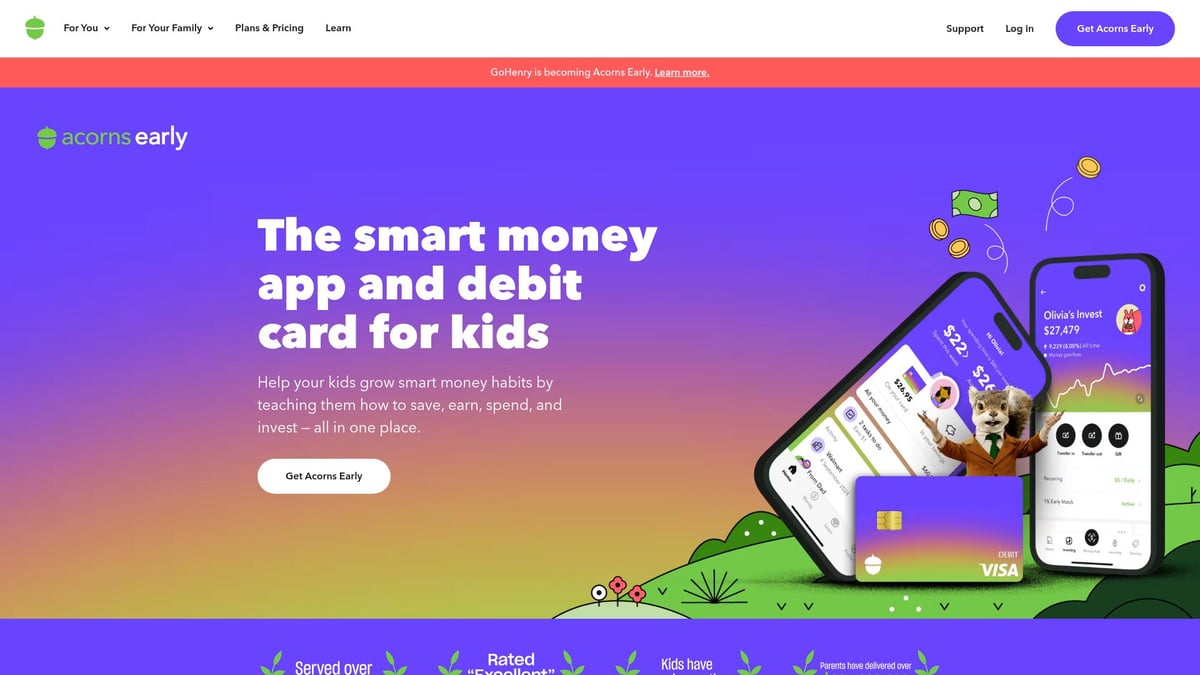
GoHenry is a visa card for teens and preteens, priced at $4.99 per month for each child. The card focuses on teaching good money habits early.
Core features include real-time spending notifications, savings goals, and custom card designs. The app offers in-app lessons and lets parents lock the card instantly.
Pros:
Interactive learning experience
Strong parental controls and instant notifications
Fun card customization
Cons:
Monthly fee
No investment features
GoHenry is great for younger learners just starting to manage money.
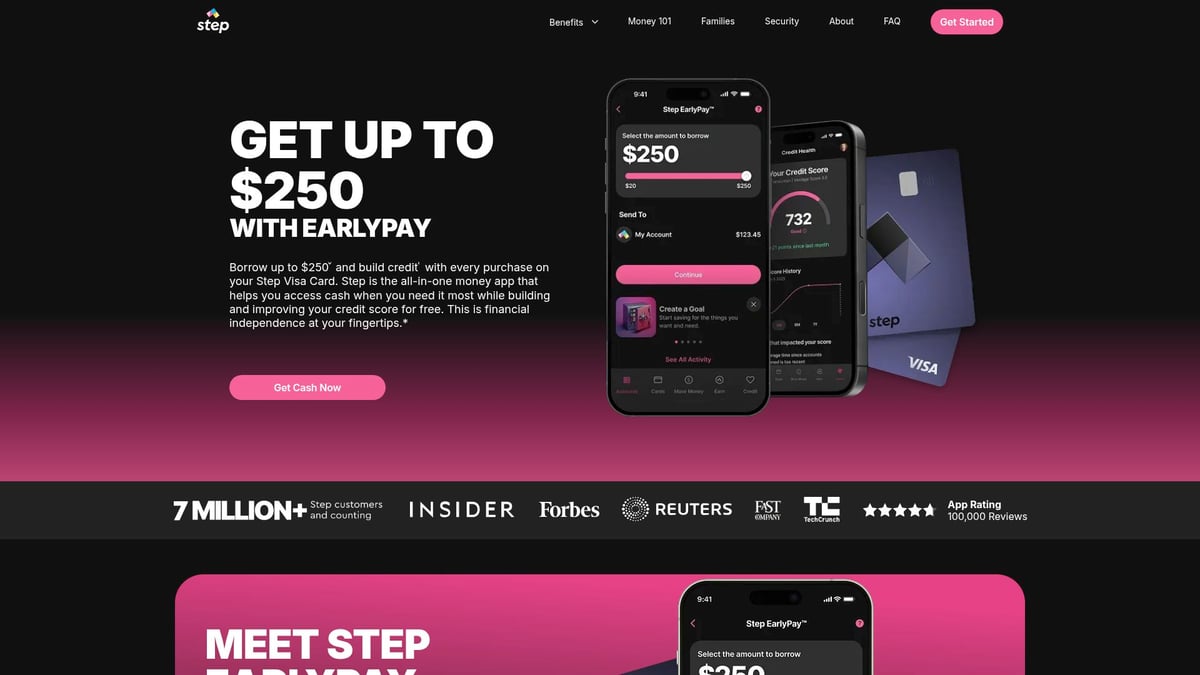
Step provides a visa card for teens with no monthly fees. It stands out by helping teens begin to build credit safely.
Key features include instant transfers, peer payments, and direct deposit. Step is FDIC-insured and has no hidden charges. The app is easy to use, but parental controls are somewhat limited.
Pros:
No fees at all
Helps establish credit history early
Clean, user-friendly app
Cons:
Fewer parental controls than some alternatives
Step is best for teens ready to manage funds more independently and learn about credit.
Chase First Banking is a visa card for teens available to Chase customers. There are no monthly fees, but a parent must have a Chase account.
Features include customizable alerts, spending limits, and ATM access. The card is backed by a major bank, offering security and easy transfers between accounts.
Pros:
No monthly fees
Trusted bank with strong security
Integrated with parent’s Chase account
Cons:
Only for Chase customers in the U.S.
Not available internationally
Chase First Banking is a strong choice for existing Chase families who want a simple, secure option.
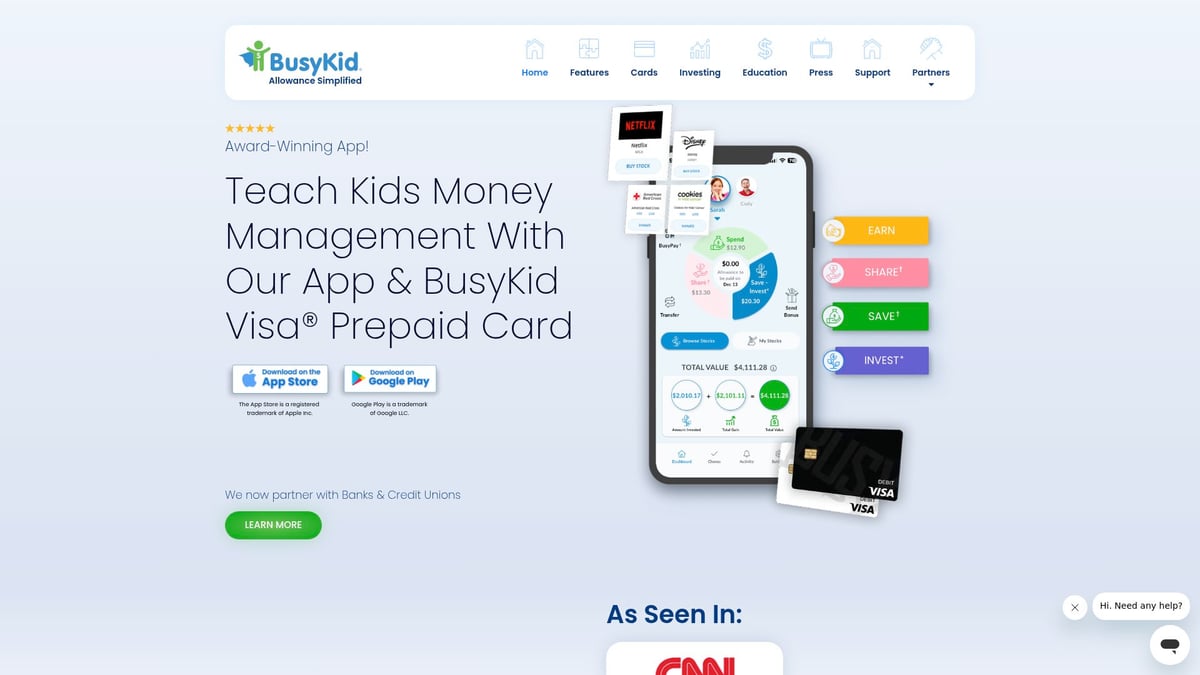
BusyKid is a visa card for teens that connects chores with money management. Pricing is $4 per month per family.
Core features include automated allowance, chore management, and the option to donate to charity. Kids can also invest in stocks through the app. The family dashboard makes it easy for parents to oversee all activity.
Pros:
Encourages responsibility and giving
Investment education included
Family-friendly dashboard
Cons:
Monthly fee
Some features require upgrades
BusyKid works well for families who want to tie earning, saving, and giving together.
How to Choose the Right Visa Card for Your Teen
Choosing the right visa card for teens is an important step in their financial journey. With so many options, it helps to start by thinking about your teen’s age, maturity, and what you both want from the card.
Assess Your Teen’s Needs
Consider your teen’s age and experience with money. Are they just starting to manage allowances, or are they preparing for bigger expenses like college? Think about their readiness for independence and how much guidance they need.
Compare Features and Controls
Not all cards are the same. Look at monthly fees, reload charges, and ATM access. Strong parental controls let you set spending limits and get alerts, while security features like instant card locking keep funds safe. Many options now offer budgeting tools, savings goals, and spending insights. Since 68% of teens would take a financial literacy course if offered, choosing a card with built-in educational support can make a big difference. You can find family-oriented financial programs that build these skills, such as those detailed in Programs for kids and families.
Flexibility and Matching to Goals
Some families need multi-child support or the ability to upgrade as needs change. If your teen is saving for a big goal or wants to learn about investing, match the card’s features to those interests. For example, a visa card for teens with investment tools may suit a learner interested in stocks, while a card with strong allowance tracking is better for younger users.
Taking time to compare and match the right visa card for teens to your family’s needs helps build good habits and confidence.
Setting Up and Maximizing Your Teen’s Visa Card Experience
Getting started with a visa card for teens is a key step toward building real-world money skills. A smooth setup and active family involvement help learners get the most out of their card experience. Here’s how to make the process simple and meaningful.
Step-by-Step Setup
Begin by choosing the right visa card for teens and completing the online application. You’ll need to provide basic details about your learner and verify your identity. Once approved, activate the card through the provider’s app or website.
Set up the app on both the parent’s and teen’s devices. This allows for instant access to card controls and spending insights. Make sure both parties understand how to use the app’s main features.
Parental Controls and Monitoring
Parental involvement is essential. Set spending limits and enable real-time alerts for purchases. These controls help you track where money goes and spot any unusual activity.
Regularly check transaction histories together. Adjust settings as your teen’s needs change. Open conversations about spending decisions can build trust and confidence.
Building Good Habits and Financial Literacy
Encourage your teen to set savings goals and take part in family budgeting talks. Many card apps offer challenges or rewards for meeting targets. Use these tools to spark interest in responsible money use.
According to a recent survey, 68% of teens would take a financial literacy course. This shows that most learners want to build these skills, and a visa card for teens can be a practical way to learn by doing.
Family Integration and Everyday Use
Integrate the visa card for teens into daily routines. Assign chores with rewards linked to card deposits. Discuss choices at the store or online, and celebrate progress toward savings goals.
One family shared how setting up weekly chores and linking rewards to their teen’s card helped build lasting money habits. Over time, this approach made budgeting and saving a natural part of family life.
If you want your teen to learn real money skills while gaining independence, a Visa card can make a big difference. With options that offer parental controls, rewards, and even ways to earn through learning, you have choices that fit your family’s needs. Curious to see how this works in everyday life? The Life Hub app lets learners earn real cash for building skills, with money deposited straight to their Visa debit card. If you’re interested in a hands-on, educational approach for your family, take a look at what Life Hub offers: See Life Hub for Kids and Families
Share:
No items found.
What Happiness Looks Like in Real Life
Real quotes. Real smiles. Real change.
Annie Holub
Desert Dragon Learning Community
Kids who otherwise resisted any kind of assignment have been actually asking to get on Life Hub and complete work. Parents and kids always light up when I explain how it works, and have reported that it's one of the reasons they chose our school. It's been a true asset to our program.
Janet Bell
Mother
Graham is enjoying Life Hub immensely! He loves the variety of topics and is always excited to share with me what he has learned. I love the ease of being able to view and assign courses, as well as all the other things the program offers. We are definitely big fans of Life Hub!
April Schmitt
Friends of the Children
I like the choices it gives youth to decide what they want to learn and, how much money they want to make by learning things about careers or life in general.
Shambria Young
Friends of the Children
Life Hub has allowed my mentees an opportunity to learn skills that are going to help them have a productive life.
Coi Morefield
The Lab School of Memphis
I have seen first-hand the power and intrinsic motivation cultivated when learners select from the hundreds of jobs, completed using Office within 15-30 minutes. Not only does the platform integrate learning with real-world skills but also rewards learners with cash earnings paid out in their Life Hub Wallet every Friday.
Rick McClintock
Friends of the Children Tampa Bay
We’ve seen many of our mentees adopt ‘Life Hub’ as an important part of their lives that allows them to engage, learn, perform educational jobs, earn income, and then spend or save those earnings.
Dr. Elijah Lefkowitz
The Boys & Girls Clubs of Lee County
Our youth love Life Hub. Out of the gate, we saw high levels of engagement and increased attendance.
Max Massengill
Academy Prep St. Petersburg, Florida
When our Academy Prep Scholars participated in their first Edu-Job “Design Your Lifestyle”, I knew right then that we had hit a grand slam!
Rosanna Mhlanga
Arkansas Lighthouse Charter Schools
We didn’t expect the impact it has had on overall student engagement, increased attendance, better academic performance, improved self esteem, and higher rates of parental/guaridian participation. In all my years as an educator, I’ve never seen anything like Life Hub!
Jaymie Johnson
The Boys & Girls Clubs of Tampa Bay
Life Hub is opening their eyes to possibilities and introducing them to new ideas.
Caryan Lipscomb
Arkansas Lighthouse Academy
I Love hearing my students talk about how they are working to make money with Life Hub to buy things they want. They can clearly differentiate wants vs needs and also understand it’s their money that they can spend or save.
Coi Morefield
The Lab School of Memphis
I have seen first-hand the power and intrinsic motivation cultivated when learners select from the hundreds of jobs, completed using Office within 15-30 minutes. Not only does the platform integrate learning with real-world skills but also rewards learners with cash earnings paid out in their Life Hub Wallet every Friday.
Annie Holub
Desert Dragon Learning Community
Kids who otherwise resisted any kind of assignment have been actually asking to get on Life Hub and complete work. Parents and kids always light up when I explain how it works, and have reported that it's one of the reasons they chose our school. It's been a true asset to our program.
Janet Bell
Mother
Graham is enjoying Life Hub immensely! He loves the variety of topics and is always excited to share with me what he has learned. I love the ease of being able to view and assign courses, as well as all the other things the program offers. We are definitely big fans of Life Hub!
April Schmitt
Friends of the Children
I like the choices it gives youth to decide what they want to learn and, how much money they want to make by learning things about careers or life in general.
Shambria Young
Friends of the Children
Life Hub has allowed my mentees an opportunity to learn skills that are going to help them have a productive life.
Rick McClintock
Friends of the Children Tampa Bay
We’ve seen many of our mentees adopt ‘Life Hub’ as an important part of their lives that allows them to engage, learn, perform educational jobs, earn income, and then spend or save those earnings.
Dr. Elijah Lefkowitz
The Boys & Girls Clubs of Lee County
Our youth love Life Hub. Out of the gate, we saw high levels of engagement and increased attendance.
Max Massengill
Academy Prep St. Petersburg, Florida
When our Academy Prep Scholars participated in their first Edu-Job “Design Your Lifestyle”, I knew right then that we had hit a grand slam!
Rosanna Mhlanga
Arkansas Lighthouse Charter Schools
We didn’t expect the impact it has had on overall student engagement, increased attendance, better academic performance, improved self esteem, and higher rates of parental/guaridian participation. In all my years as an educator, I’ve never seen anything like Life Hub!
Jaymie Johnson
The Boys & Girls Clubs of Tampa Bay
Life Hub is opening their eyes to possibilities and introducing them to new ideas.
Caryan Lipscomb
Arkansas Lighthouse Academy
I Love hearing my students talk about how they are working to make money with Life Hub to buy things they want. They can clearly differentiate wants vs needs and also understand it’s their money that they can spend or save.





.avif)














.png)

.svg)

.svg)


.svg)
.svg)

.svg)