Unlocking the Power of Contextual Learning: Bridging Theory and Real-World Application with Life Hub



Introduction to Contextual Learning and Digital Adaptation
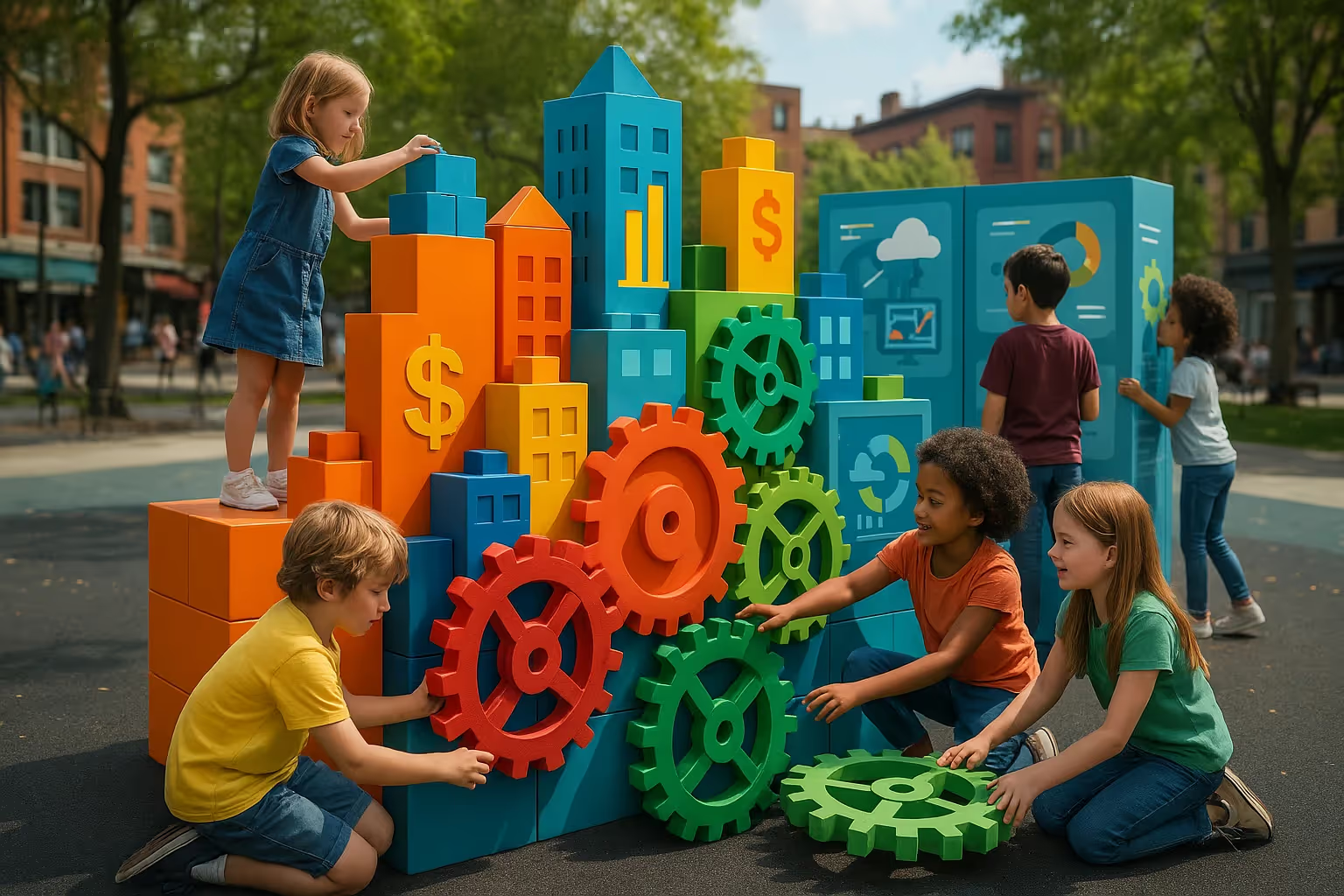
In today's rapidly evolving educational landscape, contextual learning has emerged as a dynamic strategy to address the disparities between theoretical knowledge and its practical application. This innovative approach integrates learning experiences that are directly relevant to learners' lives, thereby enhancing engagement and retention. Traditional teaching methods often emphasize rote memorization and passive absorption of content, leading to a quick decay of knowledge. In contrast, contextual learning tailors educational material to real-world situations, making learning meaningful and memorable.
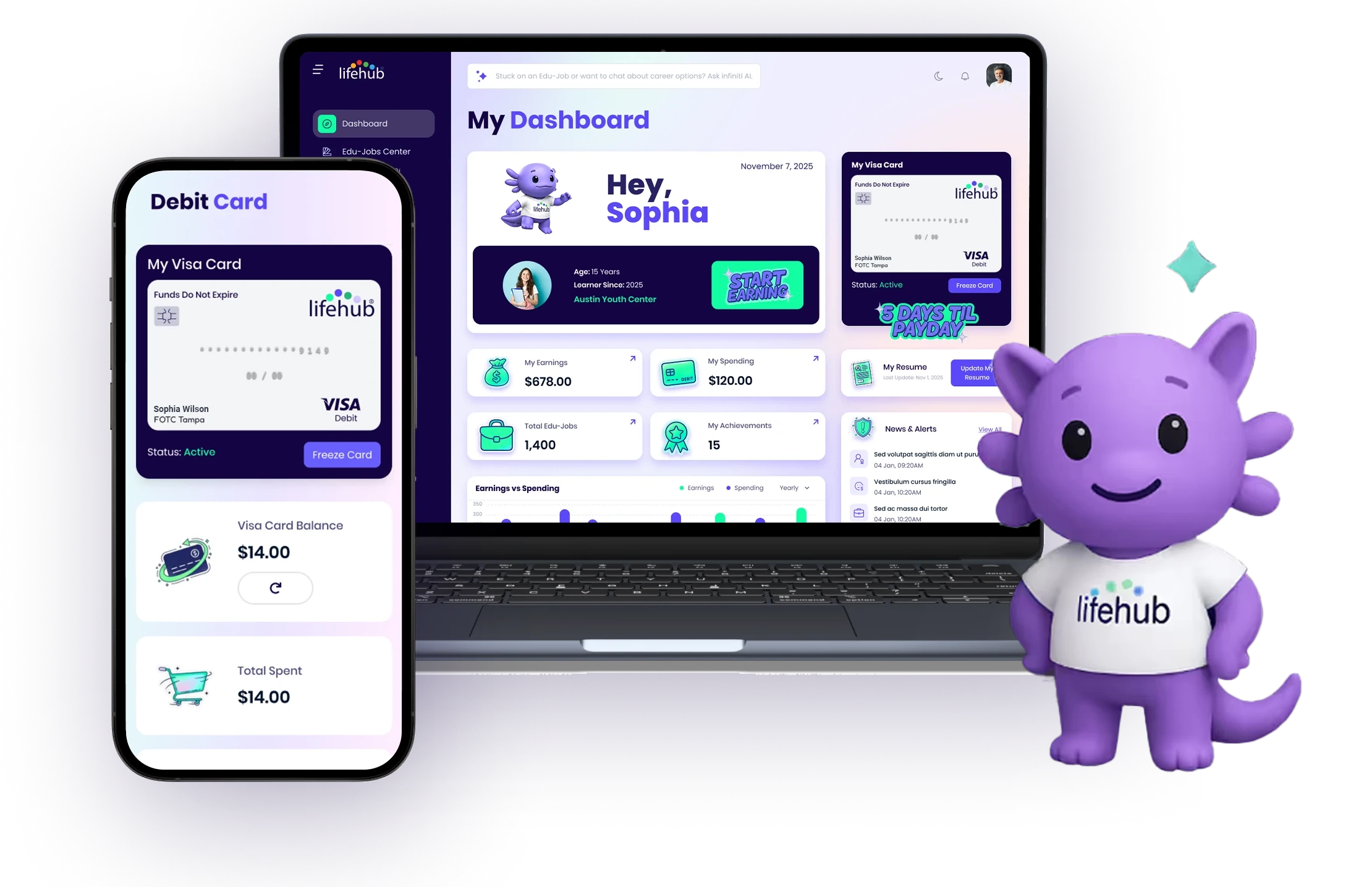
One particularly exciting development in the realm of contextual learning is the incorporation of a monetized learning model, a strategy embraced by platforms like Life Hub. This model transforms learning into an interactive, financially rewarding experience. Life Hub structures its educational framework around "Edu-Jobs," where students earn tokens as they engage with academic and vocational tasks. These tokens can then be exchanged for real cash or gift cards, thereby providing a tangible incentive for learners to immerse themselves in foundational coursework.
Such a model aligns with principles of contextualized teaching and learning (CTL), which aim to blend academic subjects with students' everyday experiences. Whether understanding economic principles through the lens of a video game's virtual marketplace or examining physics laws via skateboarding mechanics, this approach bridges theoretical concepts and practical understanding. By focusing on real-life applications, CTL fosters not only comprehension but also critical thinking and problem-solving skills critical for the 21st century.
In digitized learning environments, this pedagogical framework is supported by personalized adaptive learning environments and sophisticated recommendation systems. These systems create a detailed real-time profile of each student, adjusting educational content to suit individual learning styles, motivations, and goals. The Life Hub model, for example, uses such technology to ensure lessons remain relevant and engaging, enhancing students' intrinsic motivation.
Moreover, integrating financial incentives into learning tackles motivational challenges head-on. By rewarding students for engaging with educational content, platforms like Life Hub create a balanced ecosystem that nurtures both intrinsic interest and external motivation, offering a promising glimpse into the future of education. To explore more about these innovative practices, consider visiting Infiniti AI Tools.
Monetized Learning: Bridging Theory with Application
Monetized learning models are transforming how students engage with educational content. By integrating monetary incentives within contextual learning frameworks, platforms like Life Hub are redefining the educational landscape. This blend of monetary rewards and contextualized teaching allows learners to connect theory with practical application, effectively reinforcing their understanding through real-world relevance.
Real-World Applications of Contextual Learning
Contextual learning addresses the gap between abstract concepts and their practical implementations. For example, economic principles might be demonstrated through a virtual marketplace in a game, allowing students to see theoretical knowledge in a practical context. This method encourages learners to grasp complex ideas by relating them to familiar scenarios, thereby enhancing their critical thinking and problem-solving skills.
Life Hub takes this further by embedding learning activities into everyday tasks, rewarding students for completing them. This system not only aids in knowledge retention but also instills an appreciation for hard work and smart financial habits. The combination of hands-on learning and monetary reward is particularly effective in motivating students to explore and delve deeper into their studies.
Maximizing Motivation Through Incentives
The success of such models hinges on understanding the psychology of motivation. Traditional reward systems that focus solely on external incentives might undermine intrinsic motivation, as noted in studies like the one conducted by Deci in 1971. However, when rewards are informational rather than controlling, they can enhance a student’s autonomy and self-efficacy. By framing rewards as recognition of achievement, platforms can strengthen intrinsic motivation while maintaining engagement.
Input-based financial rewards, such as those given for reading or completing tasks, are particularly effective. These small, manageable goals result in significant improvements in educational outcomes by providing clear, achievable milestones for students. Furthermore, by focusing on inputs rather than outputs, motivation and engagement are sustained over time, driving consistent academic growth.
For more insights into how technology influences learning, visit our AI Literacy blog where we delve into the integration of artificial intelligence in education.
A Sustainable Learning Ecosystem
This monetized contextual learning model is not only beneficial for students but also offers a sustainable path for educational institutions. By tapping into corporate sponsorships and government partnerships, platforms like Life Hub can ensure financial viability while contributing to workforce development. This approach allows for a symbiotic relationship between education and industry, preparing students for future careers while fulfilling corporate social responsibility objectives.

Adaptive Learning and the Role of Technology
As we explore the integration of contextual learning with monetized models, technology takes center stage in enhancing the educational experience. By leveraging adaptive learning technologies, platforms like Life Hub seamlessly incorporate personal data to tailor educational paths. This adaptive nature allows for enhanced engagement, catering to a student's unique learning pace and style.
Adaptive learning systems rely on sophisticated algorithms to deliver personalized content. For instance, a student struggling with algebra may receive additional resources or alternative explanations tailored to their learning needs. This approach ensures that learners receive the right support at the right time, fostering a deeper understanding of material. These personalized interventions are a cornerstone of modern platforms, as seen in Life Hub’s innovative use of adaptive algorithms.
Technological Integration in Contextual Learning
Technology's role in contextual learning extends beyond personalization. It involves creating interactive environments where students can apply learned concepts in simulated real-world scenarios. For instance, virtual labs and augmented reality can allow students to experiment with physical principles in a controlled, risk-free environment. This kind of immersive experience reinforces understanding by applying theories to real-world problems.
Moreover, platforms need to balance tech innovation with user accessibility. Ensuring that students from varying backgrounds can access these tools is critical. Incorporating technologies that are broadly compatible with devices and accessible for all learning levels is a must. Life Hub’s approach to digital adaptation emphasizes broad accessibility and extensive support across multiple devices to guarantee an inclusive learning process.
Incentivizing Learning Through Digital Means
The combination of adaptive learning and monetized incentives can dramatically increase engagement. Platforms that incorporate financial incentives for completing tasks, like Life Hub, provide students with a tangible reward system. When learners can translate their educational efforts into real-world commodities such as tokens, the motivational landscape shifts positively. This structure provides learners a sense of accomplishment, driving further engagement.
Such an approach not only motivates students but also provides a framework where learners can develop financial literacy skills. By utilizing platforms that blend educational endeavors with practical financial rewards, students learn valuable money management skills. For a comprehensive understanding, visit Fini Learning Coach to see how adaptive learning can be combined with financial literacy.
Data-Driven Insights: Improving Engagement through Contextual Learning
Digital adaptation in education is transforming the way students engage with learning materials. Contextualized Teaching and Learning (CTL) enhances this experience by integrating lessons into real-world scenarios, making abstract concepts more tangible. The relevance of CTL lies in its ability to connect academic skills directly with students’ interests and everyday experiences, ensuring that learning is both engaging and effective.
Personalized Learning Experiences
Platforms employing personalized adaptive learning environments (PALE) are leading the charge in contextual learning. These systems utilize advanced algorithms to create a real-time, multidimensional profile of each student. This profile considers their baseline knowledge, cognitive state, and personal goals to tailor lessons that resonate on a personal and practical level. For example, teaching physics through skateboarding or economics through video game economies can make these subjects more relatable and exciting for students.
Monetizing Learning in K-12 Education
The concept of monetized learning models, like those implemented by Life Hub, introduces financial incentives as a part of educational engagement strategies. By turning learning tasks into monetized activities, students receive immediate tangible rewards for their effort. This model promotes consistent engagement and reinforces the value of learning through practical outcomes.
Evidence from corporate training environments shows embedding prompts and guidance within workflows increases software proficiency and retention rates by up to 30% (TD.org). These findings underscore the potential for similar models in K-12 education, especially when children can relate their learning to real-world applications.
Addressing Challenges with Financial Incentives
The integration of financial incentives must be approached with care, considering factors like the overjustification effect, where external rewards might reduce intrinsic motivation. However, structuring rewards as feedback that acknowledges achievement reinforces intrinsic motivation by building competence and confidence. More insights on this dynamic can be explored in AI Education For Kids.
Moreover, focusing rewards on input-based tasks—such as reading or practicing skills—rather than performance outputs, ensures a consistent development of essential academic habits. This strategy minimizes ambiguity, encouraging students to engage in structured actions that they perceive as attainable and rewarding.
The Path Forward for Contextualized Learning
As digital learning platforms evolve, integrating contextualized and monetized models could revolutionize student engagement in education. By aligning learning with real-world relevance and incorporating financial literacy, students not only learn academic skills but also valuable life skills that prepare them for future success.

Conclusion: Embracing Contextual Learning with Life Hub
As education evolves, the integration of contextual learning with a monetized model offers a transformative approach that aligns with modern educational needs. By leveraging frameworks like the Life Hub, learners can bridge the gap between academic theory and real-world application, effectively turning learning into an engaging, rewarding experience.
Key Takeaways and Actionable Insights
Life Hub's innovative approach combines accredited curricula with a dynamic "Learn-and-Earn" model, supporting students in their educational journey. This approach not only enhances motivation and retention but also equips students with practical money management skills—all critical in today's digital economy. By rewarding input-based tasks, Life Hub ensures students build a strong foundation, promoting sustained engagement and academic growth.
For families battling the challenges of homeschooling and parental burnout, Life Hub offers a comprehensive solution. Its AI-powered coaching and automated management features significantly reduce the administrative burden on parents, transforming them from taskmasters to mentors who can focus on celebrating their children’s achievements.
Explore Life Hub for a Sustainable Educational Future
Businesses and governments interested in supporting educational initiatives can leverage platforms like Life Hub to align with their corporate social responsibility and build future talent pipelines. This multi-dimensional ecosystem benefits students, families, and community stakeholders alike.
To explore how a contextual learning platform can streamline your educational efforts, consider engaging with Life Hub. This platform not only transforms education but ensures compliance with the latest COPPA regulations, safeguarding personal information and providing secure, incentivized learning experiences for all users.
By adopting this cutting-edge platform, educators and parents alike can ensure learners experience education that is practical, rewarding, and future-ready. Take the next step and discover how Life Hub can redefine your educational journey.


Related Content
Ready to Chat about Life Hub?
Whether you're parents, or a homeschool family, Life Hub is your partner to help you
raise super strong kids.

.svg)

.svg)


.svg)
.svg)

.svg)