Unlocking Potential: Why Micro-Learning for Kids Is Essential with Life Hub's Infiniti AI



Understanding the Value of Micro-Learning for Kids
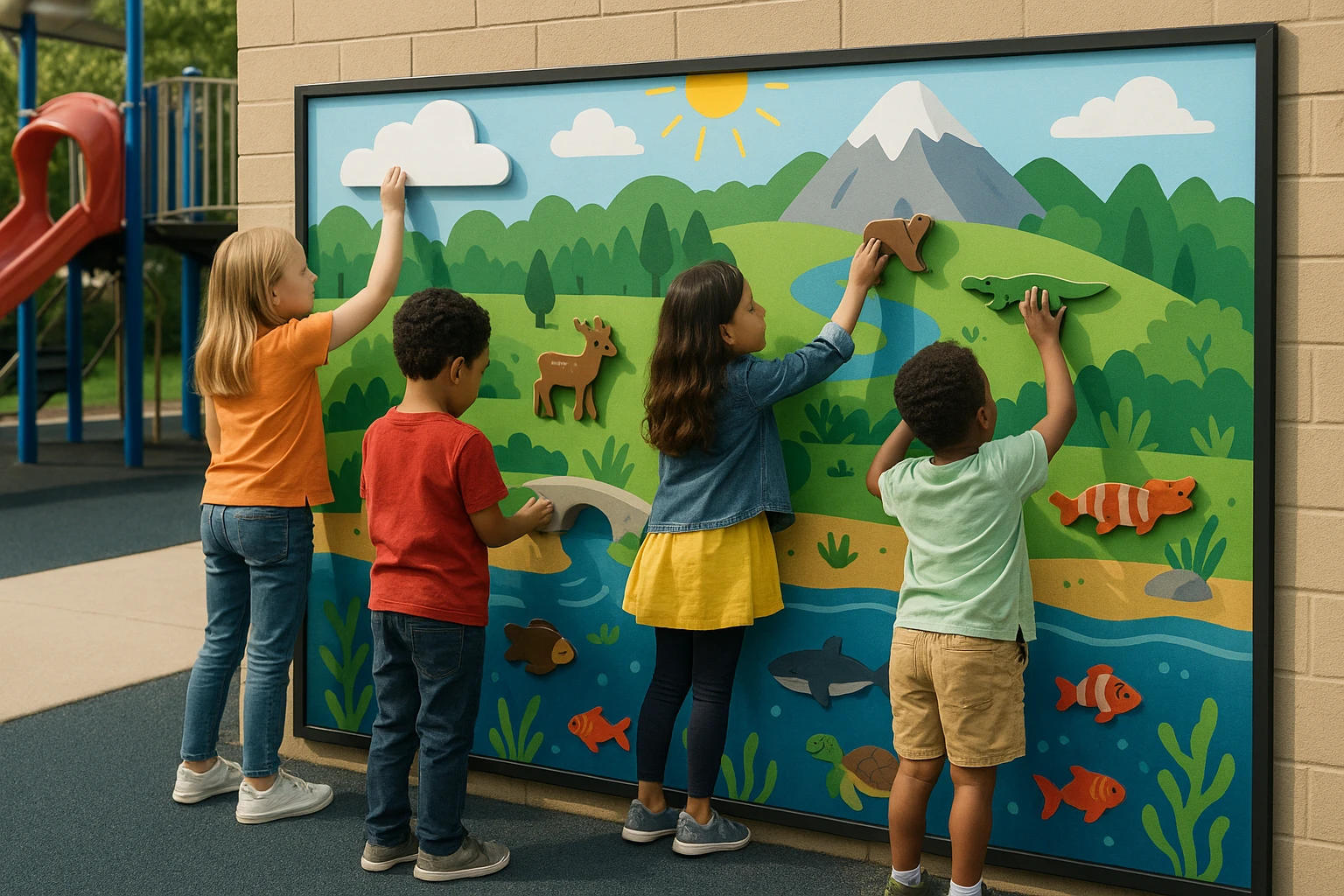
Imagine a classroom where every child is engaged, lessons are tailored to their interests, and learning feels more like play than work. This vision is increasingly becoming a reality thanks to the innovative approach of micro-learning. By breaking complex topics into bite-sized, easily digestible modules, micro-learning is reshaping educational paradigms and catering specifically to the learning styles of younger generations.
Micro-learning's strength lies in its ability to adapt to the rapid cognitive shifts of children. Traditional teaching methods often struggle to maintain the attention of digital-native youngsters. According to a study by Psychology Today, children's average attention span has seen a significant decrease in recent years, making short, engaging content more effective than lengthy lessons. Micro-learning takes advantage of this by offering focused, concise learning segments that capture and hold attention.
This method is not just about reducing content length but enhancing its quality and relevance. For example, educational platforms like Khan Academy have seen success through personalized mini-lessons that adapt to individual learning speeds and interests. Children can set their own pace, revisit difficult subjects, and experience a sense of accomplishment with each completed module. This modularity and customizability align perfectly with modern educational tools such as the Infiniti AI Tools provided by Life Hub, which use AI to tailor learning experiences to unique student profiles.
The effectiveness of micro-learning is amplified when paired with technological advancements. By utilizing AI-driven platforms like Life Hub Infiniti AI, teachers and parents can access data-driven insights that help optimize educational content further. These tools offer predictive analysis, providing educators with resources to anticipate and meet the evolving needs of their students, keeping curricula pertinent and dynamic.
Moreover, micro-learning encourages incremental progression, reducing anxiety and cognitive overload. The sense of achievement when kids quickly master small segments of content boosts their confidence and intrinsic motivation—a key factor in lifelong learning. By focusing on individual learning journeys, micro-learning not only addresses immediate educational goals but also fosters skills essential for the 21st century. For additional information, explore insights on how AI is transforming education in our blog on 5 Surprising Truths About AI In Education.
The Power of Micro-Learning for Kids
The educational landscape is rapidly evolving, with micro-learning emerging as a revolutionary approach that caters to the modern needs of children. By breaking curriculum into small, manageable units, micro-learning makes it easier for kids to absorb information effectively. This approach is particularly beneficial in maintaining the attention span of younger learners who might struggle with longer, traditional lessons.
Micro-learning offers the flexibility to adapt learning materials to specific needs and learning paces of children. A study by the Journal of Applied Psychology found that learning in shorter bursts can improve information retention by up to 17% compared to traditional methods (Journal of Applied Psychology). This makes it invaluable in educational settings where engagement and retention are crucial.
Aligning Micro-Learning with Life Hub Infiniti AI
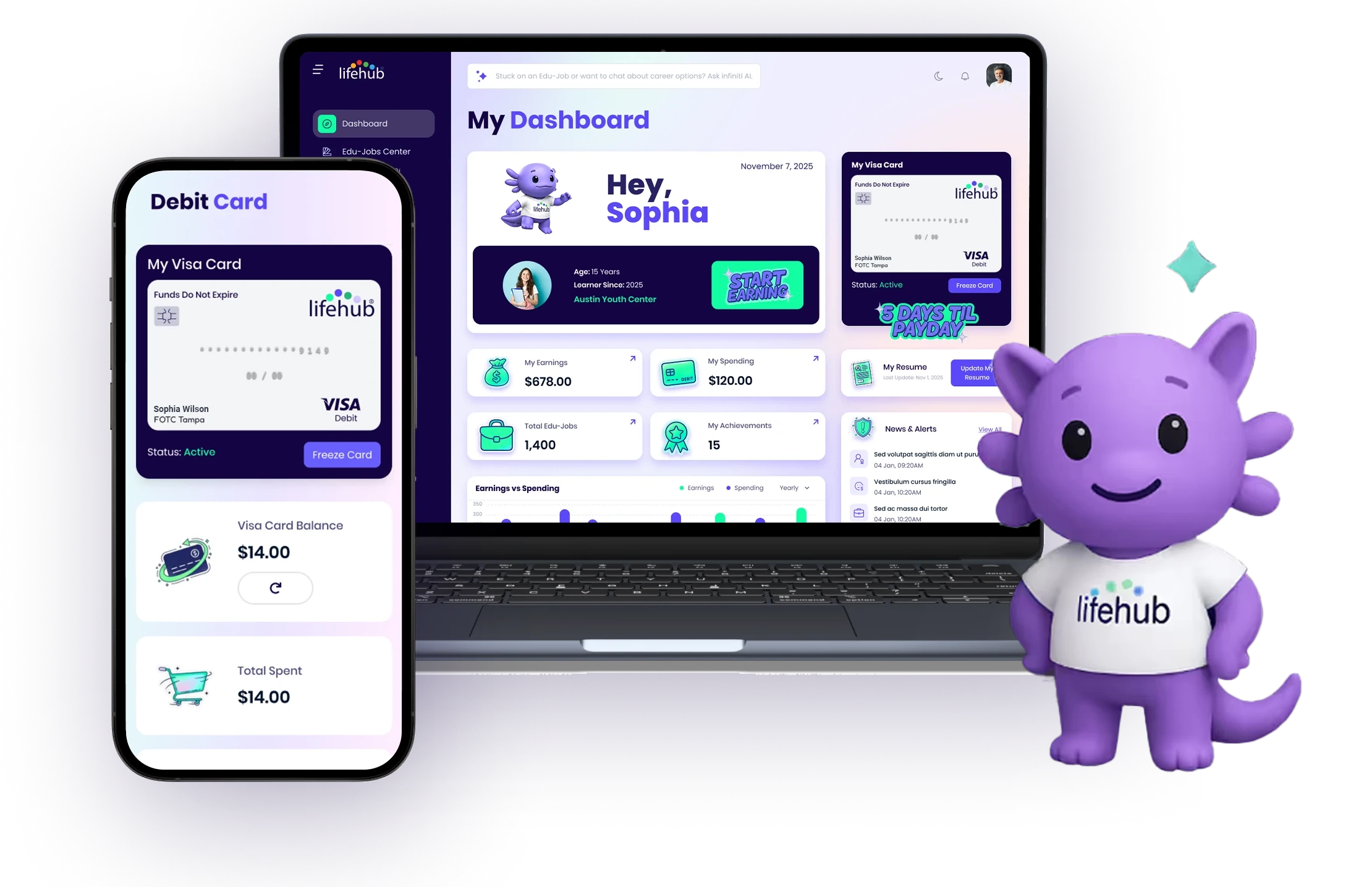
Life Hub Infiniti AI leverages micro-learning techniques to drive engagement and foster understanding among young learners. By incorporating AI, the platform personalizes educational content to suit individual learning styles and needs, providing feedback and adjusting difficulty levels in real-time. This personalized learning pathway ensures that students remain engaged and motivated, highlighting why micro-learning for kids is valuable.
Real-world applications of this strategy can be seen in how Life Hub Infiniti AI uses gamification elements to enhance motivation. Through interactive quizzes and challenges, students are encouraged to apply what they've learned in a fun and rewarding manner. Aligning micro-learning with Life Hub Infiniti AI's capabilities ensures that education remains not only accessible but also exciting and rich in real-world relevance.
For those interested in exploring more about integrating AI in educational frameworks, AI Education For Kids provides further insights into how technology like AI is shaping the future of learning, creating opportunities for deeper engagement and improved learning outcomes.

The Value of Micro-Learning for Kids
In today's fast-paced world, capturing a child's attention can be challenging. Micro-learning breaks down complex topics into bite-sized lessons, which are typically only a few minutes long. This approach aligns with children's natural attention spans, allowing them to learn effectively without feeling overwhelmed. For example, a micro-learning module about dinosaurs might focus on just one dinosaur species for a short segment, allowing kids to absorb information fully before moving on to the next.
Real-World Applications and Benefits
Research into why micro-learning for kids is valuable reveals several benefits. One notable advantage is improved retention rates. According to EdTech Magazine, micro-learning increases knowledge retention by 70% compared to traditional methods. This is due to the focused and repetitive nature of bite-sized learning, which reinforces information more effectively.
Moreover, micro-learning offers flexibility in educational settings. Educators can blend micro-learning with traditional teaching to create a hybrid model that ensures comprehensive understanding. Suppose a teacher is covering the solar system. In that case, short videos or interactive quizzes on each planet can supplement classroom instruction, keeping students engaged and allowing for differentiated learning paths.
Integrating Life Hub Infiniti AI
Life Hub Infiniti AI supports these educational strategies by providing tailored micro-learning experiences. The platform utilizes AI to adapt content to each child's learning style, ensuring maximum engagement. Many educators and parents use Life Hub to access a variety of interactive modules that can be customized based on a child's interests and academic needs.
For instance, Life Hub Infiniti AI can analyze a student's progress and suggest micro-learning activities that cater to their specific strengths and weaknesses. This personalized approach not only boosts confidence but also fosters a love of learning by matching lessons to children’s unique curiosities.
In conclusion, the integration of micro-learning strategies, reinforced by Life Hub Infiniti AI's adaptive technology, offers a powerful solution to modern educational challenges. By understanding and applying research on micro-learning's value, parents and educators can create nurturing environments that prepare children for a future of lifelong learning.
Harnessing the Power of Micro‑Learning Research Aligned with Life Hub Infiniti AI
Emerging educational research shows that micro‑learning—teaching in short, focused segments—yields meaningful benefits for children. A systematic review of micro‑learning revealed improvements across cognitive, behavioral, and affective domains: children showed stronger knowledge retention, enhanced engagement, better task performance, elevated motivation, and increased self‑efficacy through bite‑sized content delivered in minutes or even seconds Wali Khan Monib et al., 2024. Practical applications include quick video clips, flashcards, or interactive quizzes that reinforce learning effectively.
In the context of elementary education, empirical evidence reinforces these advantages. A controlled study involving Indonesian elementary students (grades VC and VB) found that classrooms utilizing the micro‑learning model significantly outperformed their peers using conventional teaching, demonstrating higher academic outcomes Simaremare et al., 2025. Such findings underscore the real-world impact of micro‑learning in primary education, making abstract research tangible and actionable.
Meanwhile, recent findings in adaptive nano‑learning—an evolution of micro‑learning featuring ultra‑short segments enhanced by AI—highlight how personalized content tuned to a child’s cognitive load can dramatically enhance working memory quality in K‑12 learners Frontiers in Education, 2026. The study reported large effect sizes (Cohen’s d = 1.15), indicating strong performance gains when adaptive delivery matches individual learning needs.
All of these research threads neatly converge with the mission of Life Hub Infiniti AI. By design, the platform tailors micro‑learning modules based on each child’s pace and performance, mirroring the adaptive principles that drive evidenced improvements in learning outcomes. Imagine a science topic broken into interactive 3‑minute mini‑lessons, dynamically adjusted by AI to repeat challenging concepts or accelerate through mastered material—this real‑world application embodies how Research why micro‑learning for kids is valuable and align it with Life Hub Inifiniti AI becomes a seamless, living strategy.
Parents and educators can implement this by integrating Life Hub Infiniti AI into daily routines: for example, assigning one or two nano‑lessons focused on vocabulary or math before school, then allowing the AI to assess understanding and tailor the next mini‑task. Over time, this creates a feedback‑rich learning loop, increasing engagement and retention while respecting children’s attention spans. Bridging cutting‑edge micro‑learning research with Life Hub Infiniti AI’s adaptive engine offers concrete, research‑led ways to elevate children’s learning experiences with precision and care.

Conclusion
The exploration of micro-learning for kids and its alignment with Life Hub Infiniti AI unveils numerous benefits that can greatly enhance child education. By breaking down complex topics into manageable segments, micro-learning fosters active engagement and retention, equipping children with adaptable skills suited for a rapidly evolving world. The agility and personalization offered by micro-learning align perfectly with modern educational needs, offering a flexible approach that can accommodate diverse learning styles and speeds.
Such an educational paradigm is not just theoretical. Real-world implementations demonstrate how micro-learning empowers students to interact with information in dynamic ways. A study published by ScienceDirect reveals that learners engaging with micro-learning experienced up to 22% better knowledge retention compared to conventional learning methods. This aligns seamlessly with Life Hub Infiniti AI’s approach, providing a tailored, data-driven educational experience that can adjust to each child’s unique learning journey.
Actionable insights from this research suggest that educators and parents should integrate micro-learning strategies into their teaching and nurturing practices. This can include creating short, focused lessons that target specific skills or knowledge areas, utilizing digital platforms that incorporate these principles to appeal to today’s tech-savvy generation. Teachers can further optimize outcomes by incorporating interactive elements like quizzes or games, which are shown to boost engagement and understanding.
For those seeking to deepen their understanding and implement these strategies effectively, resources such as Life Hub provide comprehensive tools and support. Offering insightful content and AI-driven customization, Life Hub can help educators and parents nurture a generation of learners who are not only knowledgeable but also prepared for a future of continuous change and innovation.
In conclusion, adopting micro-learning methodologies presents an invaluable opportunity for enhancing childhood education. By aligning these strategies with innovative platforms like Life Hub Infiniti AI, we can ensure a brighter, more informed future for our children. This approach doesn't just prepare young learners for today but equips them with the skills they need to thrive in any future they choose to build.


Related Content
Ready to Chat about Life Hub?
Whether you're parents, or a homeschool family, Life Hub is your partner to help you
raise super strong kids.

.svg)

.svg)


.svg)
.svg)

.svg)