The Ultimate Guide to Technology Education in 2026




Imagine a classroom where technology education shapes every learner’s future, not just as a subject but as the foundation for lifelong success.
In this guide, we’ll explore how technology education in 2026 is changing the way learners think, create, and prepare for a digital world.
You’ll discover how schools are evolving, what trends and innovations matter, and which skills help learners thrive.
With each step, you’ll see why keeping up with change is vital, what new opportunities are emerging, and how you can make the most of technology education now and for years to come.
The Evolution of Technology Education: From Industrial Arts to Digital Literacy
Imagine a classroom in the early 1900s. Learners practiced woodworking and metalwork, preparing for trades in a rapidly industrializing world. This was the origin of technology education, which started as industrial arts. Over the decades, it evolved to reflect society’s changing needs.

Historical Overview and Key Milestones
The 1980s marked a turning point for technology education. Schools shifted from traditional crafts to digital skills. In the US, the term “technology education” replaced “industrial arts,” signaling a broader focus.
Teacher training programs emerged, helping educators adapt to new tools and content. One key example was New York State’s “Futuring Project,” which promoted technological literacy and set standards for other states. Other countries, like Sweden, Taiwan, and Australia, also began integrating technology into their national curricula.
Despite learners using more devices, many struggled to understand how technology worked. This gap sparked calls for curriculum reform. By 2018, US public schools spent over $3 billion a year on digital content, showing how quickly priorities shifted.
Here’s a quick timeline:
| Year | Milestone |
|---|---|
| 1900s | Industrial arts in schools |
| 1980s | Shift to “technology education” |
| 1984 | NY State “Futuring Project” |
| 2000s | Digital tools and global curriculum adoption |
| 2018 | $3B spent on digital content in US schools |
For more on the research and resources behind these changes, see Resources and Research on Education.
The Purpose and Goals of Modern Technology Education
Today, technology education is about more than using gadgets. Its main goal is to build technological literacy, sometimes called “technacy.” This means understanding how technology shapes our world and having the skills to use and create new tools.
It’s important to distinguish between technology education and educational technology. While educational technology uses digital tools to teach any subject, technology education is a field in itself. It teaches problem-solving, creativity, and adaptability.
Modern projects reflect this shift. For example, learners might design a Mars suit to solve real-world challenges. These projects foster curiosity and resilience, key traits for future careers.
Technology education now prepares learners for digital life, not just technical jobs. It helps them become critical thinkers and creative problem-solvers, ready to adapt as technology continues to change.
Key Trends and Innovations in Technology Education for 2026
Technology education is evolving quickly, transforming both how learners engage and what they need to succeed. In 2026, several trends are reshaping classrooms and preparing learners for a digital world. Let’s look at the key movements defining technology education right now.

Personalized and Blended Learning Environments
Technology education in 2026 prioritizes personalized learning, allowing each learner to progress at their own pace. Adaptive platforms help teachers tailor content based on strengths and gaps.
Blended learning models, which mix online and face-to-face instruction, are now common. This approach gives learners more flexibility and encourages active participation both in class and at home.
For example, flipped classrooms are popular in the US and UK. Here, learners watch lectures online and use class time for hands-on work. This shift makes technology education more engaging and effective for a wider range of learners.
Integration of Artificial Intelligence and Automation
Artificial intelligence is now a cornerstone of technology education. AI tools offer adaptive learning paths, real-time feedback, and support for both learners and teachers.
Virtual tutors and AI-driven assessment tools help identify learning needs quickly. Some systems even suggest resources based on performance, keeping learners on track. For a deeper look at how these tools work, explore Infiniti AI Tools for Classrooms, which highlights innovative AI solutions in classrooms.
As automation advances, technology education prepares learners to use and understand AI in daily life and future jobs.
Gamification and Micro-Learning
Gamification is making technology education more interactive and fun. Lessons are designed with game-like elements such as points, badges, and leaderboards. This approach keeps learners motivated and encourages friendly competition.
Micro-learning modules, which break content into small, focused units, are also on the rise. Learners can complete tasks in short bursts, making it easier to fit learning into busy schedules. Popular platforms reward milestones, boosting engagement and helping learners master complex topics step by step.
Both gamification and micro-learning are changing how technology education is delivered and experienced.
Digital Literacy and Cybersecurity Skills
In 2026, digital literacy is a core part of technology education. Learners need to navigate digital spaces confidently and responsibly. Curricula focus on teaching safe online habits, critical thinking, and how to evaluate digital information.
Cybersecurity basics are now included in lessons. Learners practice protecting their data and understanding risks like phishing and malware. According to a recent survey, 96 percent of teachers say technology boosts learner engagement.
These skills are vital for participating fully in the digital world and are a central goal of technology education.
Equity and Access to Technology
Despite progress, equity and access remain challenges in technology education. Not every learner has reliable internet or a personal device. This gap can limit opportunities and widen achievement differences.
To address this, governments and private groups are working to provide devices and affordable internet. For instance, as of 2018, US schools offered one desktop for every five learners. Ongoing efforts aim to close the digital divide, making technology education accessible to all.
Equity is essential for ensuring every learner can benefit from new tools and innovations.
Designing the 2026 Tech-Ready Curriculum
A tech-ready curriculum in 2026 goes beyond basic computer classes. It prepares every learner for a digital world by blending core subjects, real-world projects, new ways to show skills, and strong partnerships. Technology education is the backbone of this shift, making sure each learner has the tools and knowledge to thrive.

Core Subjects and Emerging Disciplines
The core of technology education in 2026 includes coding, robotics, engineering, AI, and digital media. Learners also explore data science and cybersecurity, preparing them for a wide range of careers.
STEAM, which mixes arts with STEM, is now a standard approach. This helps learners develop creativity alongside technical skills. For example, mechatronics and computer-aided design (CAD) are common courses in many schools.
A quick look at popular subjects:
| Subject | Skills Developed |
|---|---|
| Coding | Problem-solving, logic |
| Robotics | Engineering, teamwork |
| AI & Data | Analysis, decision-making |
| Digital Media | Creativity, communication |
| CAD/Mechatronics | Design, precision |
This mix ensures technology education is broad and future-focused.
Project-Based and Experiential Learning
Project-based learning is a core feature of technology education in 2026. Learners work on real-world problems, often in teams, which builds both technical and social skills.
Examples include robotics competitions, community tech service projects, and applied design challenges. These projects help learners see how their work connects to real needs.
Experiential learning goes beyond the classroom. Practicum assignments and field-based experiences, such as job shadowing or local tech internships, are common. This approach helps learners build confidence and adaptability, which are key for future success.
Assessment and Credentialing in Tech Education
Assessment in technology education has changed. Instead of just tests, learners now build digital portfolios, earn badges, and complete micro-credentials. These new tools let them show what they know and can do.
For example, a learner might earn a badge for mastering a workplace tool or finish a micro-credential in coding. Industry-recognized certifications are also part of the curriculum, making skills more visible to employers. The rise of micro-credentials in education highlights how flexible, skill-based recognition is shaping the future.
Schools often partner with tech companies to offer these credentials, ensuring the skills learned are in demand.
Collaboration Between Schools, Industry, and Communities
Strong partnerships are vital in technology education. Schools work with local tech firms to create internships and mentorships, helping learners see how classroom skills apply in the real world.
Community-based learning is also key. Learners might design apps for local businesses or help community groups with digital projects. These experiences deepen learning and build a sense of purpose.
By involving industry and the community, the curriculum stays relevant and responsive to change. This teamwork ensures that technology education is always aligned with what learners need for tomorrow.
Teaching Strategies and the Role of Educators in 2026
Educators play a vital role in shaping the future of technology education. As classrooms transform, teachers adapt their methods to help every learner succeed. The right strategies, tools, and mindset empower teachers to create inclusive, motivating environments where learners build real-world skills.

Professional Development and Teacher Training
Continuous learning is key for teachers in technology education. New tools and trends appear every year. Educators need regular upskilling to keep pace with change. In 2026, many districts offer in-service training, tech boot camps, and accredited programs for teachers.
Examples include field placements where teachers learn alongside industry experts. Some join tech training networks to share best practices. Others earn micro-credentials in coding, robotics, or digital media. These efforts ensure teachers can confidently guide learners through complex, evolving subjects. Professional growth supports quality instruction in technology education.
- In-service workshops
- Accredited courses
- Tech-focused mentorships
Technology-Enhanced Pedagogy
In 2026, technology education classrooms blend digital tools and hands-on learning. Teachers use interactive whiteboards, virtual labs, and online platforms to personalize instruction. Simulations help learners experiment with real-world scenarios safely and efficiently.
Collaborative platforms allow group projects across schools or even countries. Data analytics track learner progress, making it easier to adjust lessons and support those who need extra help. Teachers encourage communication and teamwork using chat, video calls, and shared documents. Technology-enhanced pedagogy brings flexibility and creativity into technology education.
- Virtual labs for engineering
- Digital group projects
- Analytics dashboards for tracking growth
Supporting Diverse Learners and Inclusion
Technology education must reach every learner, regardless of ability, background, or gender. Teachers use differentiated instruction, adapting resources to meet varied needs. Assistive tech, such as text-to-speech tools and screen readers, opens new doors for learners with disabilities.
A table of assistive tech in technology education:
| Tool | Purpose |
|---|---|
| Text-to-speech | Supports reading skills |
| Screen readers | Enables visual access |
| Voice recognition | Aids writing and typing |
Cultural and gender inclusivity also matter. Teachers choose inclusive examples and encourage participation from underrepresented groups. These approaches help all learners thrive in technology education.
Building Motivation, Creativity, and Critical Thinking
Motivation is at the heart of effective teaching. Educators use open-ended design challenges and maker spaces to spark curiosity. Learners tackle real-world problems, build prototypes, and reflect on their process.
Feedback is frequent and constructive, guiding learners to improve. Some schools experiment with incentives to boost engagement. For instance, research on the Impact of Financial Rewards in Education suggests incentive models may encourage active participation in technology education environments.
Creative thinking and problem-solving are woven into every lesson, preparing learners for an unpredictable future.
Preparing Students for Future Careers and Lifelong Learning
The world of work is changing fast. Learners need more than just technical know-how. They need a strong foundation in technology education to thrive in many fields. This section explores how technology education in 2026 prepares learners for diverse careers, builds essential skills, supports lifelong learning, and shapes society.
Career Pathways in Technology and Beyond
Technology education opens doors to many career paths. Roles like software developer, engineer, digital media specialist, and technical sales are common options. Corporate technical trainers and training directors help companies stay up to date with new tools. These careers often require both technical and people skills.
But technology education is not limited to tech jobs. Entrepreneurs, artists, and designers also benefit from digital skills. For example, a business owner might use coding knowledge to improve their website or develop an app. This broad reach makes technology education a smart choice for any learner.
Building Transferable and Real-World Skills
Employers look for skills that go beyond technical ability. Technology education fosters communication, teamwork, and project management. These skills help learners succeed in any workplace.
Consider a project where learners design a robotic arm. They must plan, share ideas, and solve problems together. This mirrors real company tasks. Here’s a quick summary:
| Skill | Example Activity |
|---|---|
| Communication | Presenting solutions |
| Teamwork | Group robotics build |
| Project Management | Task planning |
| Adaptability | Troubleshooting issues |
Technology education gives learners a toolkit for real-world challenges.
Lifelong Learning and Adaptability
The pace of change means skills can become outdated quickly. Technology education encourages learners to keep learning throughout life. Online courses, professional networks, and certifications are all valuable resources.
AI agents now help personalize learning by recommending new topics and tracking progress. As covered in AI Agents in Education and Learning, these tools support learners as they adapt to new roles or industries. Staying curious and flexible is key to long-term success.
The Impact of Technology Education on Society
A strong foundation in technology education does more than help individuals. It creates informed citizens who can make smart choices in a digital world. These learners are better equipped to handle new challenges and drive positive change.
Communities with widespread technology education often see growth in innovation and new business opportunities. As more learners gain these skills, society benefits from a workforce that is ready for the future. The ripple effect can boost economies and make daily life better for everyone.
The Role of AI and Digital Literacy in Shaping Tomorrow’s Learners
Artificial intelligence and digital literacy are reshaping technology education for every learner. These tools are not just about gadgets, they help learners think, create, and act responsibly in a connected world. As classrooms evolve, understanding how to use, question, and adapt to digital tools is vital.
Integrating AI Tools and Platforms in the Classroom
AI is becoming a daily part of technology education. Instructors rely on AI-powered tutors, automated grading, and adaptive software to personalize lessons. For example, some schools use virtual tutors that adjust reading materials based on a learner’s progress.
These tools offer real-time feedback, helping both teachers and learners track growth. Ethical concerns are important. Privacy, bias, and transparency are now part of classroom conversations. For a closer look at how robots and automation are changing education, check out Humanoid Robots and Automation in Education.
Teaching Digital Citizenship and Responsibility
Digital citizenship is a core part of technology education in 2026. Learners explore topics like online safety, digital footprints, and how to spot misinformation. Teachers guide discussions about respectful online behavior and the long-term impact of digital choices.
Practical lessons include:
- Creating strong passwords
- Recognizing phishing scams
- Managing social media privacy settings
Critical evaluation of online content is emphasized, helping learners grow into thoughtful digital citizens.
Preparing for the Unknown: Future-Proofing Skills
Technology education now focuses on skills that help learners adapt to new challenges. Teachers use scenario-based learning and future-focused projects to build resilience and creative problem-solving.
For example, a class might design solutions for real-world problems, encouraging curiosity and flexible thinking. These habits prepare learners for jobs that may not exist yet, and for lifelong learning.
Measuring Success: Outcomes and Impact of Technology Education
Schools measure the impact of technology education using clear metrics. These include:
| Metric | Example |
|---|---|
| Engagement | Participation rates in digital projects |
| Skills Mastery | Portfolio reviews and digital badges |
| Career Readiness | Post-graduation employment rates |
Research partnerships and data-driven reviews help schools refine their programs. The focus is on real growth, not just test scores, ensuring learners are ready for our digital future.
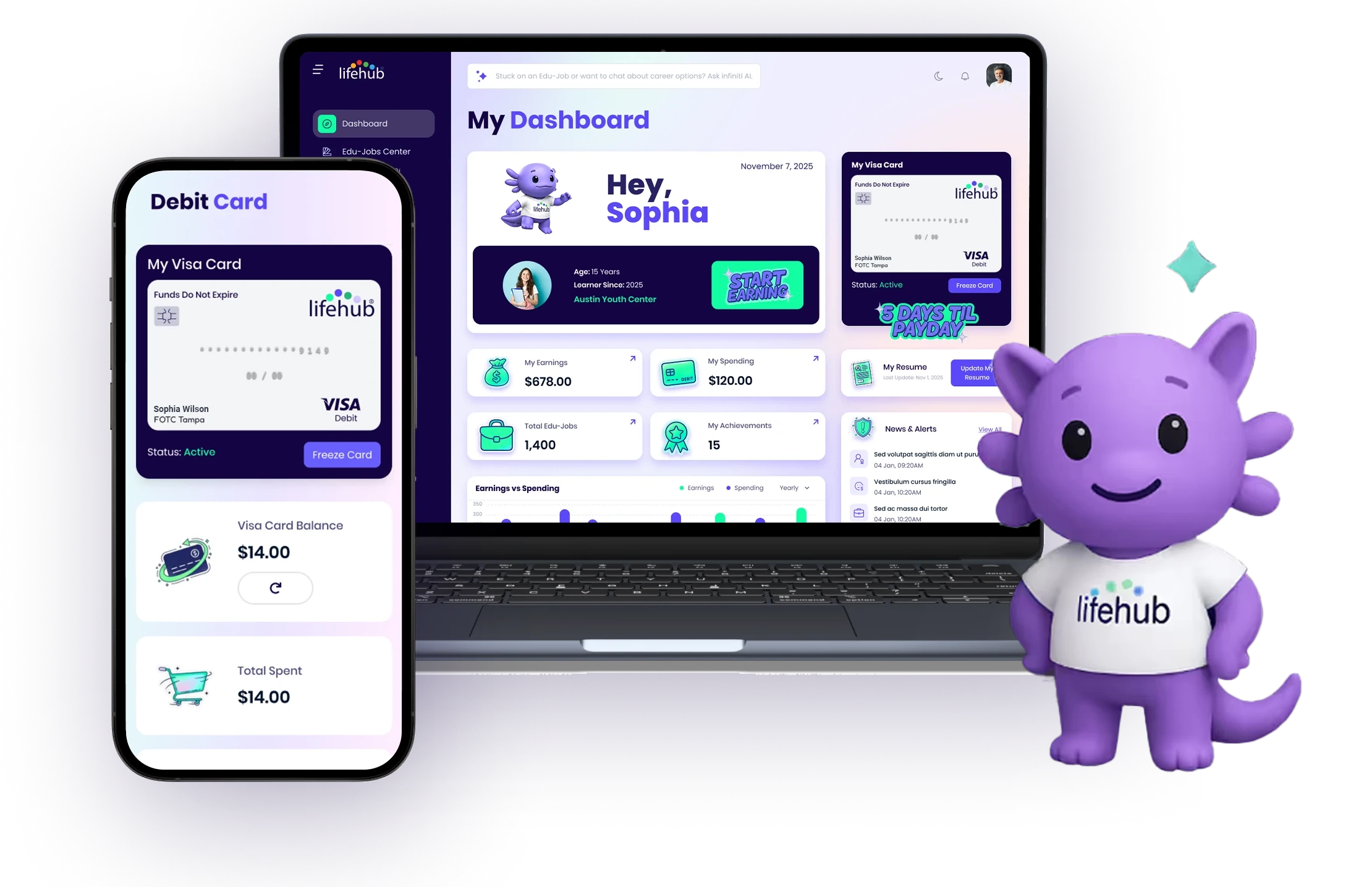
As you think about how technology education is changing, it’s clear that real-world skills, digital literacy, and career readiness matter more than ever. If you want practical ways for learners to build money confidence, explore interests, and practice skills through action—not just theory—there are hands-on options available. With Life Hub, young people complete paid micro-learning tasks that touch on everything from STEM to personal finance, AI, and creativity. It’s a simple way to connect effort with reward while helping learners grow.
See Life Hub for Kids and Families


Related Content
Ready to Chat about Life Hub?
Whether you're parents, or a homeschool family, Life Hub is your partner to help you
raise super strong kids.

.svg)

.svg)


.svg)
.svg)

.svg)