Guide to Personalized Learning: Strategies for 2026 Success


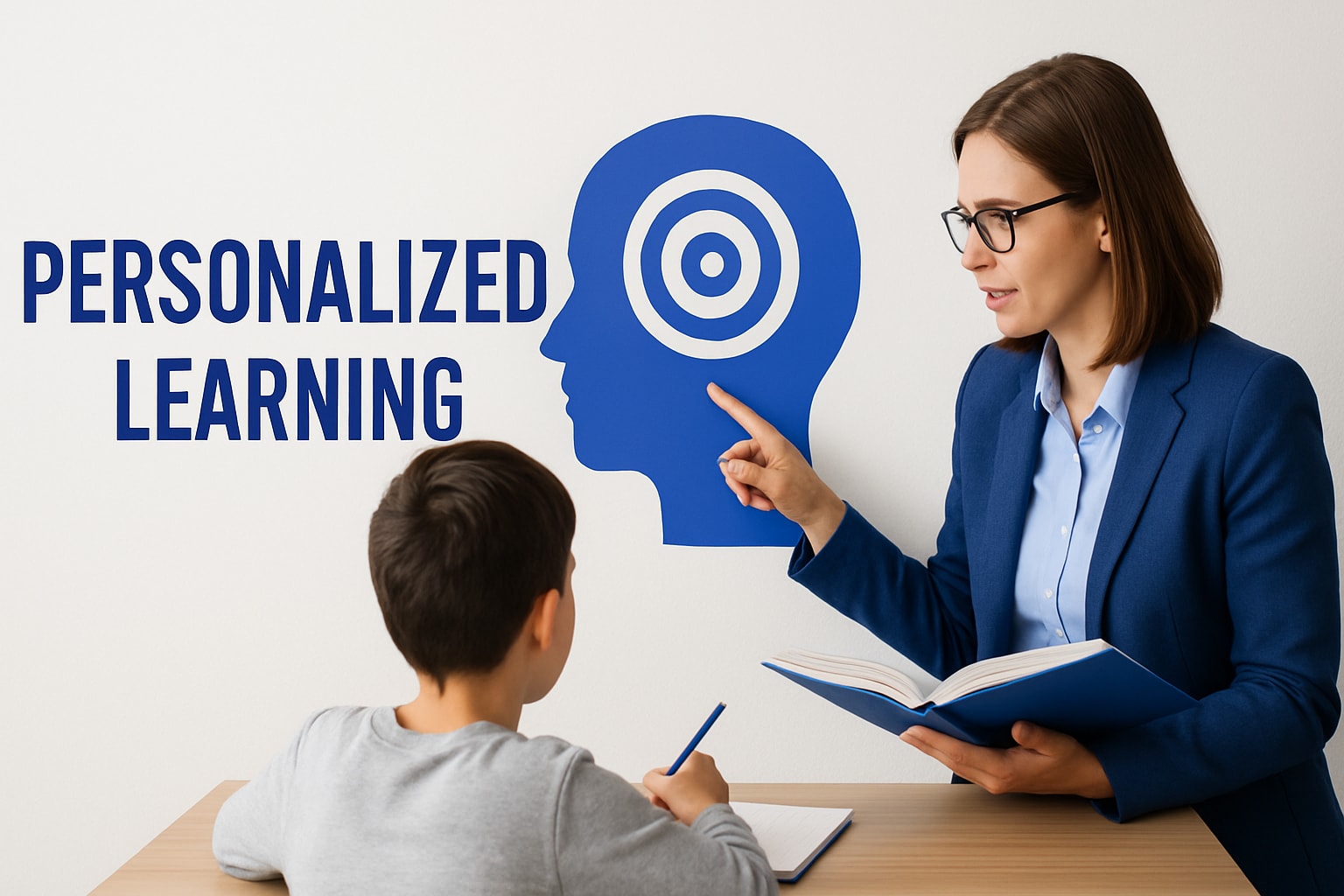

Imagine a classroom where every learner’s strengths, interests, and pace shape their daily experience. Personalized learning puts each individual at the center of education, making lessons more meaningful and effective.
This guide will show how personalized learning is changing schools and what you can do to prepare for 2026. You will discover definitions, proven benefits, practical strategies, the role of technology, and steps for real change. Let’s explore a future where every learner’s potential is unlocked.
Understanding Personalized Learning: Foundations and Evolution
Imagine a classroom that feels more like a workshop, where every learner’s path is a little different. That’s the heart of personalized learning. This approach has deep roots and is now a focus in schools worldwide, aiming to meet every learner’s needs and strengths.

The Origins and Principles of Personalized Learning
Personalized learning has a long history. Thinkers like Rousseau, Dewey, Montessori, and Bloom believed every learner is unique. They pushed for schools to focus on the individual, not just the group. Their ideas helped shape today’s learner-centered education.
At its core, personalized learning means adjusting lessons to fit each learner’s strengths, needs, and interests. This could be through projects, flexible schedules, or letting learners choose how they show understanding. The main elements are learner choice, voice, flexibility, and autonomy.
Democratic schooling is another key idea. Personalized learning supports equity by giving all learners a chance to succeed, no matter their background. Countries such as Australia, the US, and the UK now include personalization in their education policies. For example, Australia’s ten-year strategy aims for “one year’s growth for every learner,” showing the commitment to this approach.
Personalized learning is not the same as an IEP or a traditional model. It goes further, aiming to lift up every learner, not just those with special needs. Research backs this up. A 2015 study by Pane and colleagues found learners in personalized learning settings often outperform those in standard classrooms.
Models and Approaches to Personalized Learning
There are several ways schools bring personalized learning to life. One is the use of learner profiles. These are living records that track each learner’s strengths, goals, and progress. They help teachers adjust lessons and provide the right support at the right time.
Personalized learning paths are another model. Here, each learner follows a unique route through the curriculum. Some might work faster in math, others may need more time with reading. Competency-based progression lets learners move forward when they’ve mastered a skill, not just when the calendar says so.
Flexible learning environments support these models. Classrooms might look different, with spaces for group work, solo study, or hands-on projects. Teachers may act more like coaches, guiding learners as they explore.
Let’s compare traditional and personalized settings:
| Feature | Traditional Model | Personalized Learning |
|---|---|---|
| Pacing | One pace | Flexible, by mastery |
| Assessment | Standardized | Varied, ongoing |
| Learner Voice | Limited | Central |
| Learning Path | Fixed | Individualized |
Examples include project-based learning, one-on-one tutoring, and independent study. For educators seeking practical tools and case studies, Personalized Learning Strategies from AIR offers valuable resources to support these approaches.
Personalized learning continues to evolve as schools and researchers refine these models, always aiming to help each learner grow.
Benefits and Impact of Personalized Learning
Personalized learning is reshaping how learners engage with their education. By tailoring instruction to each individual's needs and interests, schools are seeing lasting benefits for both learners and the broader system.

Academic and Social-Emotional Outcomes
Personalized learning boosts engagement and motivation by giving learners more control over their path. When learners see their strengths and interests reflected in lessons, they become more invested in their work. For example, incentive-based models, like those outlined in the Proven impact of rewards in education, show how meaningful rewards can further increase engagement.
Research suggests that personalized learning supports higher academic achievement and deeper understanding. Learners can move at their own pace, filling gaps and advancing when ready. Early, tailored support for those with learning differences can reduce stigma and help everyone feel valued.
Self-advocacy and confidence grow as learners set goals and track progress. They participate in decisions about their education, building skills that support life beyond school. Personalized learning also promotes fairness, as it adapts to each learner’s unique background, needs, and interests.
Systemic and Societal Advantages
Personalized learning prepares learners for lifelong growth. By focusing on critical thinking, creativity, and collaboration, it helps develop skills vital for the jobs of tomorrow. Schools using real-world projects and digital tools bridge the gap between education and employment.
This approach brings flexibility, allowing schools to respond to changes in society and the economy. Learners are better equipped to adapt, as their education is not one-size-fits-all but responsive to new challenges.
A quick summary of systemic benefits:
| Benefit | Description |
|---|---|
| Lifelong Learning | Prepares for future workforce needs |
| 21st-Century Skills | Focus on creativity, collaboration, digital |
| Flexibility | Adapts to changes in society and economy |
| Real-World Connections | Links learning to careers and life skills |
By addressing diverse needs and supporting every learner, personalized learning helps create a more equitable and effective education system.
Key Strategies for Implementing Personalized Learning in 2026
Personalized learning succeeds when clear strategies are in place. Each step supports learners’ unique journeys and prepares them for future challenges. Here’s a practical roadmap for 2026 success.

Step 1: Building Comprehensive Learner Profiles
Start with rich, ongoing learner profiles. These records track strengths, needs, interests, and goals. Profiles go beyond test scores and include family input and learner reflections.
Schools use digital platforms for dynamic updates, making it easy to spot trends and needs. Instead of a single report card, progress is shared through regular updates. Profiles help teachers tailor support and celebrate growth.
This step keeps personalized learning focused on the whole learner, not just academics.
Step 2: Designing Flexible and Adaptive Learning Paths
Personalized learning thrives on choice and flexibility. Create schedules that adjust to each learner’s pace and interests. Mix project-based, group, and independent work.
Teachers review data weekly and tweak learning paths as needed. If a learner moves ahead in one subject, their schedule shifts. If extra help is needed, time is added for support.
Lists like this can help:
- Rotate between group and solo work
- Adjust project topics to fit interests
- Change learning goals based on progress
Consistent monitoring prevents anyone from falling behind.
Step 3: Emphasizing Competency-Based Progression
In a personalized learning model, moving forward depends on mastery, not just time spent. Schools set clear skills and criteria for success. Learners can show understanding in many ways, such as projects or real-world tasks.
Formative assessments and feedback loops are key. For example, a learner might apply math skills in an internship. Coaches and teachers offer support and scaffolding as needed.
Platforms like the Fini Learning Coach overview can help track progress and guide learners on their competency journey.
Step 4: Fostering Student Agency and Goal Setting
Personalized learning gives learners a voice in setting goals and charting their path. Teachers guide short- and long-term planning, but learners help choose projects and track their progress.
Tools for self-monitoring build executive function skills. Student-led conferences let learners share growth and set new challenges. This approach builds confidence and responsibility.
Step 5: Professional Development for Educators
Teachers need strong support to guide personalized learning. Ongoing training covers inclusion, data analysis, and adaptive teaching. Peer coaching and workshops on new models keep skills sharp.
Educators meet regularly to share ideas and solve challenges. This teamwork ensures every learner, no matter their needs, gets the best possible support.
The Role of Technology in Personalized Learning
Technology is reshaping personalized learning in ways that were hard to imagine a decade ago. Digital tools now help educators customize content, track progress, and adapt lessons to fit each learner’s needs.

Digital Tools and Platforms for Personalization
Digital platforms are central to personalized learning. Adaptive learning software uses real-time data to adjust content for each learner. These platforms identify strengths and gaps, making it easier to target support or enrichment.
Learning management systems (LMS) keep learner profiles updated. They help track progress, set goals, and store resources. AI-driven analytics spot trends and recommend materials, streamlining planning and feedback for teachers.
Innovative tools like Infiniti AI tools for education offer personalized learning paths and adapt to each learner’s pace. Features such as gamification and interactive content make lessons more engaging and accessible.
Remote and Hybrid Learning Environments
Technology supports personalized learning beyond the traditional classroom. In remote and hybrid settings, learners can access lessons, videos, and activities at their own pace.
Teachers use digital portfolios and online project showcases to highlight progress. These tools let learners reflect on their growth and share achievements with peers and families.
During the pandemic, schools saw a rise in EdTech adoption. This shift made personalized learning more flexible, allowing for tailored instruction regardless of location or schedule.
Challenges and Considerations
While technology powers personalized learning, it brings challenges as well. Not all learners have equal access to devices or high-speed internet, which can widen gaps.
Data privacy is a key concern. Schools must protect learner information and use it responsibly. Balancing screen time with hands-on activities remains important for well-rounded development.
Addressing these issues will help make personalized learning more effective and inclusive for all learners.
Overcoming Challenges and Ensuring Equity in Personalized Learning
Creating equitable personalized learning for every learner comes with real challenges. Schools and educators face hurdles in training, curriculum, and shifting mindsets. Yet, with thoughtful planning, inclusive approaches, and strong leadership, these barriers can be addressed.
Addressing Implementation Barriers
Many schools struggle with limited teacher training and support for personalized learning. Educators often feel unprepared to adapt instruction or use new technology. Prescriptive curricula and standardized testing also restrict flexibility.
Resistance to change is common. Some stakeholders worry about consistency or fairness. Others find it hard to revise schedules or classroom spaces.
For example, a school might want to try flexible groupings but lack time or resources. Addressing these barriers means investing in ongoing training, peer support, and open conversations about the benefits of personalized learning.
Promoting Inclusion and Accessibility
Personalized learning must reach every learner, no matter their background or ability. Universal Design for Learning (UDL) offers a framework for meeting diverse needs. UDL encourages multiple ways to access material, show understanding, and stay engaged.
Supports for learners with disabilities, such as assistive technology, make learning more accessible. Early interventions and tailored resources help struggling learners keep up.
For example, providing accessible materials and flexible pacing allows each learner to progress at their own rate. Equity means every learner has the tools and support to benefit from personalized learning.
Policy and Leadership for Sustainable Change
Sustainable personalized learning depends on strong policy and leadership. School and district policies should align with personalization goals. This includes flexible schedules, learner-centered assessments, and investment in technology and training.
Leaders play a key role in building a culture open to innovation. Engaging families and communities as partners supports long-term success.
National and regional strategies, such as those from UNESCO, highlight the need for policies that support personalized learning. When leadership prioritizes equity and inclusion, real progress becomes possible.
Monitoring and Evaluating Impact
Tracking the impact of personalized learning is essential. Schools set measurable goals and use data to see what works. Regular reviews help refine strategies and target support where needed.
Tools such as achievement data, learner feedback, and progress tracking inform decisions. Educators can use resources and research on learning to guide their evaluation and improve outcomes.
By focusing on continuous improvement and sharing results, schools make sure personalized learning benefits all learners.
Future Trends and Predictions for Personalized Learning by 2026
The next few years promise big shifts in how personalized learning shapes education. Looking ahead to 2026, new trends are set to expand its reach, deepen its impact, and address both academic and social needs. Here’s what may be on the horizon.
Scaling Personalized Learning Across Systems
By 2026, personalized learning is likely to expand beyond pilot programs and reach entire school systems. National and regional policies are pushing for more learner-centered approaches. UNESCO’s call for access to quality, personalized education is one such example.
Countries such as Australia, the US, and the UK are weaving personalized learning into their long-term strategies. This means more schools will use data and flexible pathways to address diverse needs. The goal is to give every learner a chance to progress at their own pace.
As systems grow, expect more collaboration among schools, governments, and communities to share best practices. This scaling up will require strong leadership, investment in training, and ongoing evaluation.
The Rise of AI and Advanced Analytics
Artificial intelligence is set to play a bigger role in personalized learning. AI-powered platforms can adapt content, track learner progress, and offer instant feedback. These tools help teachers spot gaps and adjust instruction quickly.
A recent systematic review on AI's impact on personalized learning in higher education found that AI enhances adaptive learning and boosts engagement. In STEM fields, a meta-analysis of AI in personalized STEM education shows significant gains in learning outcomes.
As AI tools become more common, expect real-time analytics and virtual tutors to support learners. While this brings promise, it also raises questions about data privacy and the need for careful oversight.
Personalized Learning and Workforce Readiness
Personalized learning is also shifting to prepare learners for future jobs. Schools are partnering with local industries and community groups to design project-based experiences. These projects link classroom skills to real-world careers.
By 2026, there will be a stronger focus on digital literacy, creativity, and teamwork. Flexible learning paths let each learner build skills that match their interests and job market needs. This approach helps learners adapt to changes in technology and the global economy.
Preparing for the workforce means blending academic knowledge with practical experience. Personalized learning gives learners the tools to thrive in a fast-changing world.
Student Well-being and Social-Emotional Learning (SEL)
Alongside academics, personalized learning is weaving in social-emotional learning. More schools are using digital tools to track well-being, motivation, and mental health. Some platforms offer mood check-ins and resources for self-advocacy.
This focus on SEL supports learners as whole people, not just as test-takers. By tailoring supports, schools can help each learner build confidence, self-regulation, and resilience.
Looking ahead, challenges remain. Digital divides, questions about fairness, and balancing personalized learning with traditional measures will need ongoing attention. Success will depend on research, innovation, and everyone working together.
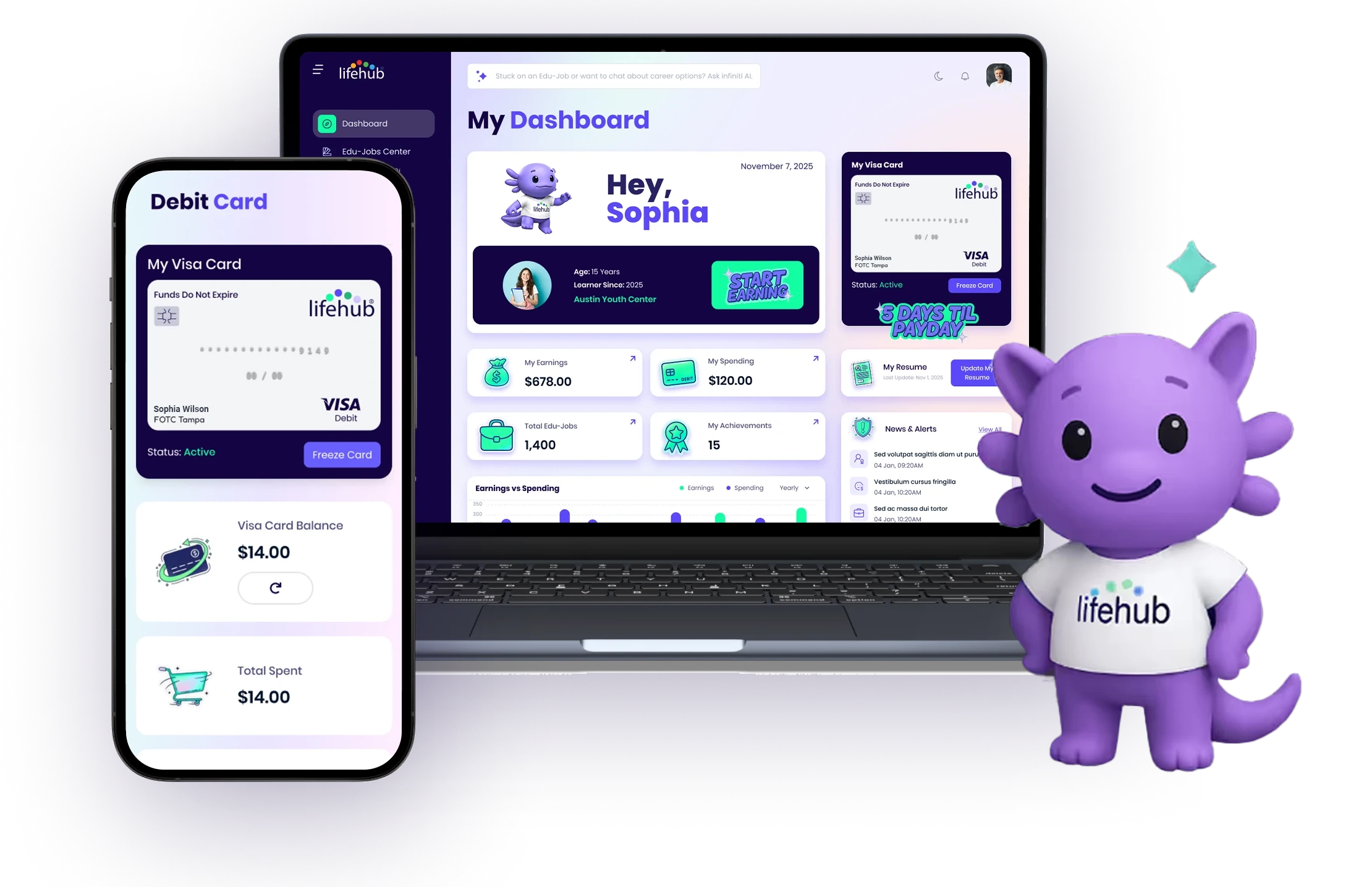
You’ve seen how personalized learning can help each learner build confidence, skills, and real-world experience. If you’re ready to bring these strategies to a whole school or district, there are ways to make it practical and rewarding for every learner. Explore how you can blend paid micro-learning, digital literacy, and hands-on projects into your community’s daily routine. Real cash rewards and diverse tasks can motivate learners and offer proof of impact to parents and sponsors. Want to see how this could work where you are? Bring Life Hub to a School or District


Related Content
Ready to Chat about Life Hub?
Whether you're parents, or a homeschool family, Life Hub is your partner to help you
raise super strong kids.

.svg)

.svg)


.svg)
.svg)

.svg)