Personalized Curriculum Guide: Tailoring Learning in 2026



Imagine a classroom in 2026 where each learner’s path is crafted just for them. Lessons adjust to strengths, interests, and goals. This is the promise of a personalized curriculum.
This guide explores how a personalized curriculum can empower every learner to reach new heights. You’ll find practical steps and real examples for educators, parents, and policymakers.
We’ll look at how learning has evolved, what makes a curriculum truly personal, how technology supports it, and the benefits you can expect. Get ready to discover a roadmap to meaningful, tailored learning in 2026.
The Evolution of Personalized Curriculum
Imagine walking into a classroom twenty years ago. Every learner followed the same lesson, moved at the same pace, and completed identical assignments. The traditional approach to education relied on one-size-fits-all plans, leaving little room for flexibility or adaptation.
Yet this model often led to challenges. Many learners felt disengaged or lost. Others raced ahead, unchallenged by the standard pace. Some struggled quietly, unable to catch up. The result? Disengagement, underachievement, and a lack of support for different learning needs.
Common Problems with Legacy Education
- Fixed academic plans limited creativity
- Standardized pacing ignored individual growth
- Uniform content delivery failed to meet diverse needs
Educators and parents began noticing that not every learner thrived in such environments. Research and real-world experience showed that a personalized curriculum could help address these gaps. Early efforts included differentiated instruction, where teachers adapted materials for different groups, and individualized education plans (IEPs) for learners with unique needs.
Technology soon played a major role in transforming the personalized curriculum. Advances in neuroscience and data analytics allowed schools to understand how each learner’s brain worked and what strategies helped them succeed. Digital tools, like those found in AI Tools for Personalized Learning, made it possible to customize lessons, track progress, and provide real-time feedback.
Policy changes also supported this shift. Schools began adopting flexible standards and competency-based education, letting learners progress when they mastered a skill, not just after a set time. New reforms encouraged teachers to tailor lessons, fostering a more inclusive and engaging environment.
Let’s look at the data. Schools that introduced a personalized curriculum reported higher engagement and better achievement. For example, one middle school shifted from rigid lesson plans to a learner-centered approach. Motivation soared, test scores rose, and learners took greater ownership of their progress.
| Approach | Learner Engagement | Academic Achievement |
|---|---|---|
| Traditional | Low | Inconsistent |
| Personalized Curriculum | High | Improved |
These successes highlight a growing recognition: every learner is unique, and education works best when it adapts to them. As we move forward, the personalized curriculum is not just a trend—it’s becoming the foundation for meaningful, lifelong learning.

Core Elements of a Personalized Curriculum in 2026
A personalized curriculum in 2026 is built to help every learner thrive. Instead of a single path for all, this approach adapts to strengths, interests, and aspirations. At its heart, a personalized curriculum places the learner at the center, shifting away from uniform expectations.

Student-Centered Design Principles
The foundation of a personalized curriculum lies in its flexibility. Content, pace, and assessment methods are tailored for each learner.
Key elements include:
- Flexible content and pacing: Learners move forward when ready, not by a preset schedule.
- Collaborative goal setting: Educators and learners set learning targets together, ensuring relevance and motivation.
- Choice and voice: Learners select topics, projects, and learning modalities that match their interests.
- Continuous feedback: Regular check-ins and real-time adjustments keep learning on track.
This model values social and emotional learning alongside academics. By weaving SEL into daily activities, schools help learners develop resilience, empathy, and self-awareness.
Data-Driven Insights and SEL Integration
A personalized curriculum uses data to inform instruction, track progress, and guide interventions. Digital platforms collect insights on strengths, gaps, and preferences. Educators use this data to adjust lessons, offer targeted support, and celebrate growth.
Social and emotional learning is not an add-on. It is integrated with academic goals. Learners build practical skills and confidence as they work through interdisciplinary projects, group tasks, and real-world challenges.
For more practical tools and research-backed strategies, educators can explore the Resources and Research for Educators hub. It offers guides and evidence to support personalized curriculum planning.
Practical Example: Tailored Pathways in Action
Imagine two learners in the same classroom. One is passionate about science and pursues advanced STEM modules, experimenting with robotics and coding. The other thrives in creative arts, building portfolios through music and visual design projects. Both learners follow a personalized curriculum, supported by educators who adapt resources and assessments to fit their goals.
This approach allows each learner to grow in their own way, building skills and confidence for the future.
The Role of Technology in Tailoring Learning
Technology has become the backbone of the personalized curriculum in 2026. Classrooms now use digital tools to adapt learning to each learner’s needs, making lessons more relevant and engaging. Instead of one-size-fits-all instruction, learners follow paths that reflect their skills, pace, and goals.

Adaptive learning platforms and smart learning management systems (LMS) form the core of this shift. These systems use artificial intelligence to recommend resources, adjust assignments, and personalize pacing. For example, a learner who excels in math can access advanced modules, while another receives extra help in reading. Micro-learning modules break content into small, manageable pieces, making it easier to focus and master skills. Gamification adds an element of fun, motivating learners to reach new milestones within their personalized curriculum.
Real-time analytics are a key feature of the personalized curriculum. Educators and learners can view dashboards that highlight progress, strengths, and areas needing attention. Virtual and augmented reality experiences take learning beyond textbooks, letting learners explore science labs or historical sites from their desks. Schools using AI and analytics for personalized math and reading interventions have seen measurable gains in both engagement and achievement. Research supports these trends; a meta-analysis of AI in STEM education found that AI-driven tools enhance learning outcomes, especially when tailored to individual needs.
Equity and accessibility remain priorities when implementing a personalized curriculum. Technology helps bridge gaps for learners with different backgrounds or learning challenges by offering varied formats and adaptive support. By 2026, about 70% of schools may be using adaptive platforms, making personalized curriculum strategies more widespread. As technology continues to evolve, its role in education will keep expanding, offering new ways to support every learner’s journey.
Step-by-Step Guide to Implementing a Personalized Curriculum
Personalizing learning takes thoughtful planning. A clear, step-by-step approach helps educators, families, and learners build a personalized curriculum that fits every unique need. Here’s how you can bring this vision to life in any classroom.

Step 1: Assess Learner Needs and Preferences
Start by gathering a full picture of each learner. Use surveys, interviews, and diagnostic tools to uncover strengths, interests, and learning styles. Invite families into the process to share insights and ensure no aspect is missed.
Step 2: Set Personalized Learning Goals
Work together with learners to shape goals they care about. These should blend academic standards with personal ambitions and social-emotional targets. Break big aims into smaller milestones, making progress visible and motivating.
Step 3: Design Flexible Learning Pathways
Create a menu of modular units and activities. Mix project-based work, hands-on tasks, and inquiry-driven lessons. Allow learners to move at their own pace, advancing once they master each concept.
Step 4: Integrate Technology and Resources
Select digital platforms and apps that adapt to each learner’s progress. Offer a range of content—videos, readings, simulations, and real-world activities. Make sure all resources are accessible, including for learners with special needs.
Step 5: Monitor Progress and Adjust Plans
Use both quick checks and deeper assessments to track learning. Hold regular meetings with learners to celebrate wins and tackle challenges. Tweak pathways and supports based on fresh data and feedback, keeping the personalized curriculum responsive.
Step 6: Foster Collaboration and Support
Encourage learners to work together, share ideas, and mentor each other. Build in group projects and peer feedback sessions. Schedule one-on-one time with educators, and invite families and community members to take part. For schools and districts looking for practical guidance on adopting a personalized curriculum, resources like Personalized Learning for Schools & Districts offer valuable frameworks and support.
Practical Example
A middle school follows these steps to shape its personalized curriculum. Each learner sets their own learning targets and moves through flexible modules at their own pace. The school uses adaptive technology and regular check-ins to keep everyone on track. Families are involved, and group projects build community. The result? Higher engagement, better test scores, and fewer learners dropping out—all clear signs that a personalized curriculum makes a real difference.
Measurable Benefits and Outcomes of Personalized Learning
Personalized curriculum brings real, measurable benefits to learners, schools, and communities. By focusing on each learner’s strengths, interests, and needs, this approach supports academic growth and social-emotional well-being. The results are visible in classrooms and confirmed by research.
Academic and Social-Emotional Gains
When schools adopt a personalized curriculum, engagement and motivation increase. Learners are more likely to participate, explore challenges, and set higher goals. In fact, some schools have seen a significant boost in test scores and retention rates after shifting to this approach.
A key driver of this improvement is the sense of ownership learners gain. They have a voice in setting goals and can track their own progress. This leads to greater self-confidence and independence. According to a systematic review of AI in personalized learning, adaptive tools and data-driven insights can further boost academic achievement by providing timely support.
The benefits go beyond academics. Social and emotional learning is woven into the personalized curriculum. Learners build resilience, empathy, and communication skills as they work on projects and collaborate with peers.
Table: Measurable Outcomes of Personalized Curriculum
| Outcome | Observed Improvement |
|---|---|
| Engagement | 20% higher satisfaction |
| Academic Performance | 15% better test scores |
| Retention | Improved year-over-year |
| SEL Metrics | Higher confidence, lower stress |
| Achievement Gaps | Reduced for underserved groups |
Closing Gaps and Real-World Outcomes
One standout benefit of a personalized curriculum is its power to close achievement gaps. Learners who have struggled in traditional settings often thrive when instruction is tailored to their pace and style. Schools with smaller class sizes and adaptable plans report significant gains for all groups.
Motivation is another key outcome. Programs that include incentives, like the impact of financial rewards in education, show how real-world connections and recognition can drive engagement and mastery.
This approach also nurtures critical 21st-century skills:
- Problem-solving and critical thinking
- Creativity and innovation
- Collaboration and communication
- Self-management and goal setting
A real-world example: One middle school implemented a personalized curriculum and saw engagement rise, test scores climb, and dropout rates fall. The data is clear: personalized curriculum makes a difference, supporting academic success and preparing learners for a changing world.
Future Trends and Challenges in Personalized Curriculum
Imagine personalized curriculum in 2026. The landscape is changing fast. New tools and ideas are shaping how every learner grows.
Innovations and Expansion in Personalized Curriculum
The personalized curriculum of the near future builds on today’s advances. Schools now use AI tutors, immersive simulations, and real-time language translation. These tools help create learning experiences that fit each learner’s needs.
AI-driven platforms suggest resources and adapt lessons. For example, AI-Enabled Personalized Learning in Higher Education shows how AI can guide learners through custom paths. Life skills, financial literacy, and career readiness are becoming core parts of the curriculum, not just extras.
Schools also link academic learning to real-world skills. This approach keeps learners motivated and helps them see the value in what they study.
Equity and Inclusion for All Learners
A key trend is making personalized curriculum accessible to everyone. Schools work to close gaps for learners from different backgrounds. Digital platforms offer support for gifted learners, those with special needs, and those learning at different paces.
According to a Digital Tools for Personalized Gifted Education, digital tools help gifted learners get the right challenges. The goal is to give every learner a fair chance to succeed.
This focus on equity means using data to spot gaps early. It also means providing devices, internet, and training for families who may lack resources.
Overcoming Challenges: Teacher Training, Data Privacy, and Resources
Even as personalized curriculum grows, challenges remain. Teachers need ongoing training to use new tools and adapt lessons. Schools face tough choices about budgets and resources.
Data privacy is another concern. Schools collect more information about learners than ever before. Protecting this data and building trust with families is critical.
Maintaining human connection is also important. Technology supports learning, but strong relationships between teachers and learners are still at the heart of great education.
Anticipated Shifts and the Future of Personalized Curriculum
By 2026, the personalized curriculum will likely include more hybrid and micro-schooling options. Families may join global learning communities, working together to support each learner’s path.
District-wide adoption of personalized curriculum can lead to real gains. Schools that invest in flexible plans, strong support, and community ties see measurable improvements.
Looking ahead, personalized curriculum is set to become a cornerstone of education. It helps learners build skills for a changing world while supporting their well-being and growth.
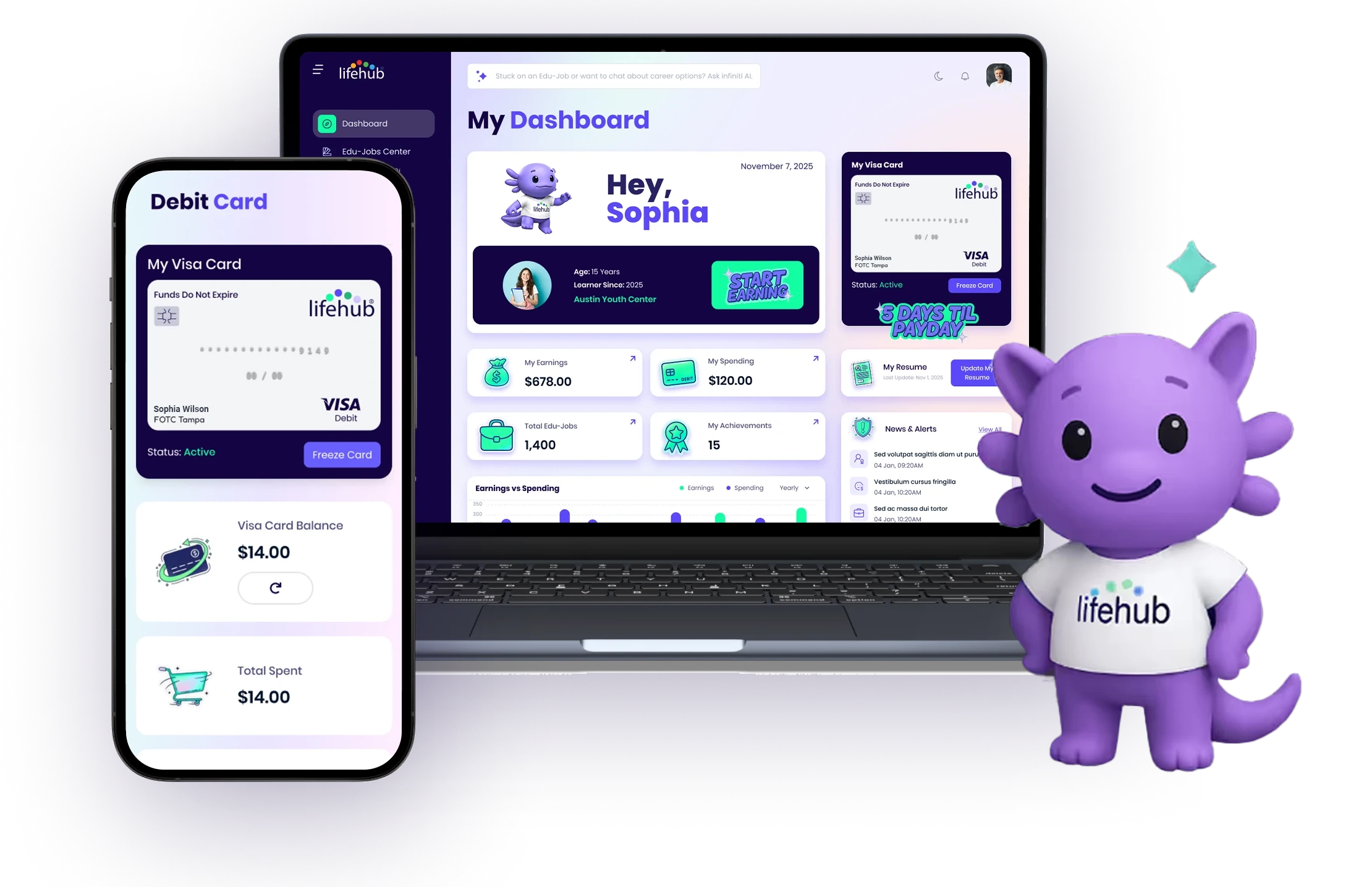
If you’re thinking about how to make learning feel more personal and practical for every learner, there are real tools you can use right now. We’ve talked about how micro-learning, real-world skills, and flexible pathways can change the way young people learn and grow. If you’d like to see what this looks like for families and kids in action, you may want to See Life Hub for Kids and Families. You can explore how small steps and real rewards can help build money skills, confidence, and a love for learning—one Edu Job at a time.


Related Content
Ready to Chat about Life Hub?
Whether you're parents, or a homeschool family, Life Hub is your partner to help you
raise super strong kids.

.svg)

.svg)


.svg)
.svg)

.svg)