Essential Guide to Life Skills Program Success in 2026



Imagine a world where every learner steps into adulthood feeling ready for anything. That’s the promise of a well-designed life skills program. As daily life grows more complex, these programs give young people the tools to adapt, solve problems, and thrive.
This essential guide explores everything you need to know about building a strong life skills program in 2026. You’ll find proven strategies, the newest trends, and real steps to help learners succeed.
Discover the building blocks of effective programs, how to put them into practice, measure progress, overcome obstacles, and stay ahead of the curve. Let’s get started on shaping a brighter future for the next generation.
Understanding Life Skills Programs in 2026: Definition, Purpose, and Evolution
Imagine a world where every learner steps into adulthood confident and prepared. That vision is built on the foundation of a strong life skills program. These are structured initiatives that teach practical, social, emotional, and cognitive skills for independent living. Key areas include financial literacy, emotional regulation, social skills, career readiness, digital skills, and wellness.
A life skills program usually supports youth, young adults, and others moving toward independence. For example, OPI’s Life Skills Program helps young adults build independence, while LifeSkills Training (LST) offers a 30-session curriculum proven to reduce substance use and delinquency. The purpose is clear: equip people to handle real-world challenges, foster self-reliance, and build resilience.

What Are Life Skills Programs?
A life skills program is more than a class. It is a guided journey where learners gain tools for everyday challenges. These programs cover topics such as:
- Managing money and budgeting
- Building healthy relationships
- Digital safety and online skills
- Planning careers and finding jobs
- Cooking, cleaning, and self-care
The target audience is wide. Youth, young adults, and anyone preparing for independence can benefit. Programs like OPI’s Life Skills Program and LST for adolescents show real impact. LST, for instance, uses a 30-session curriculum over three years, reducing risky behaviors and building confidence.
Over time, the life skills program model has evolved. Once limited to classrooms, it now blends in-person, digital, and hands-on experiences. There is greater focus on mental health, emotional learning, and career exploration. This evolution helps learners gain skills that truly matter for the future.
Why Are Life Skills Programs Essential in 2026?
The world is changing fast. Adult life in 2026 is more complex, shaped by rapid digital transformation and shifting economies. A life skills program responds to these changes by preparing learners for new demands.
Statistics highlight the value. The LST program shows a 63 percent positive net present value and reduces risk behaviors, according to the Washington State Institute for Public Policy. The societal impact is real: lower youth unemployment, less substance abuse, and better mental health.
Real-world stories back up the data. OPI participants often report greater independence, improved emotional health, and new career skills after finishing a life skills program. These outcomes show why investing in these programs is vital for individuals and communities alike.
Types of Life Skills Programs
A life skills program can take many forms. Common types include:
- School-based programs like LST
- Residential models such as OPI
- Community-based projects
- Digital platforms for remote learning
Programs vary in scope. Some are universal, reaching all learners, while others target specific needs or age groups. Customization is key. A life skills program may adapt its content to fit cultural backgrounds, learning styles, or local priorities.
For schools and districts, tailored life skills programs are available to support learners at every stage. This flexibility helps ensure each life skills program delivers relevant, lasting benefits.
Core Components of a Successful Life Skills Program
A well-designed life skills program is built on several core components that work together to support young people as they move toward independence. Each element plays a key role in preparing learners for real-world challenges and opportunities.

Personal Self-Management and Emotional Skills
A strong life skills program always begins with personal self-management. Learners build self-awareness, practice self-regulation, and learn to manage stress in healthy ways.
Programs often include:
- Self-image exploration
- Goal-setting exercises
- Techniques for anxiety reduction
These skills support mental health and lay a foundation for academic and career success.
Financial Literacy and Practical Independence
Managing money is a crucial part of any life skills program. Learners practice budgeting, saving, and understanding credit.
Common topics include:
- Creating a personal budget
- Recognizing and avoiding scams
- Planning for bills and expenses
Research shows that financial literacy in adolescence leads to greater independence and stability in adulthood.
Social and Communication Skills
Communication is at the heart of a life skills program. Learners practice conflict resolution, assertiveness, and relationship-building.
Key skills taught:
- Overcoming shyness
- Effective listening and speaking
- Navigating group dynamics
Mastering these skills helps learners build strong connections at work, home, and in their communities.
Digital and Career Readiness
A modern life skills program covers digital literacy and career preparation. Learners explore workplace tools, online safety, and professional etiquette.
Highlights include:
- Building resumes and portfolios
- Practicing job interviews
- Participating in real-world internships
Digital confidence opens doors to more opportunities and supports long-term growth.
Health, Wellness, and Daily Living
Daily routines and healthy habits form another pillar of a life skills program. Learners gain practical experience in:
- Cooking simple meals
- Managing personal hygiene
- Creating balanced routines
These skills help learners maintain well-being and adapt to new living situations.
Evidence-Based Practices and Curriculum Design
A successful life skills program uses proven, interactive methods. Programs combine demonstration, practice, and feedback to deepen learning. Many integrate therapeutic elements such as mindfulness or cognitive-behavioral techniques.
Structured lesson plans with clear objectives keep learning on track. For educators and leaders seeking research and curriculum resources, the Knowledge hub for life skills education offers valuable guidance.
Strong evaluation ensures the program continues to meet learners’ evolving needs.
Step-by-Step Guide to Implementing a Life Skills Program in 2026
Building a successful life skills program in 2026 requires careful planning and a clear roadmap. Each step helps ensure your program meets real needs and delivers lasting impact. Here is a step-by-step guide to help you create a program that empowers young people to thrive.

Step 1: Needs Assessment and Goal Setting
Start by understanding who your learners are and what they need. Use surveys, interviews, and data analysis to gather information on skills gaps and interests.
Set clear, measurable goals for your life skills program. For example, aim to improve financial literacy or build emotional regulation skills. Define what success looks like and how you will measure it.
Step 2: Program Selection and Customization
Choose a proven life skills program model that fits your goals. Look for evidence-based options like LST or OPI, or explore youth-oriented organizations and programs for adaptable resources.
Customize the curriculum to match your learners’ age, background, and culture. Blend classroom, digital, and real-world activities for a well-rounded experience.
Step 3: Training and Capacity Building
Prepare your facilitators with proper training. Certification in models like LST is often required and can be completed in one or two days.
Offer ongoing professional development and encourage peer mentorship. Build partnerships with community groups to expand support and expertise.
Step 4: Curriculum Delivery and Engagement
Organize your life skills program into core and booster sessions. Use interactive techniques like role-play, group projects, and real-world scenarios to keep learners engaged.
Technology can help track progress and make learning fun. Try apps, gamification, or digital dashboards to motivate participation.
Step 5: Real-World Application and Practice
Give learners chances to apply skills in real life. Set up internships, volunteering, or community projects.
Encourage assignments outside the classroom. Involve parents or mentors to support learners and hold them accountable.
Step 6: Monitoring, Evaluation, and Feedback
Track how learners are progressing in your life skills program. Use pre and post surveys, observation, and self-reports to gather data.
Analyze results regularly. Adjust your approach based on feedback and outcomes to improve the program.
Step 7: Sustainability and Scaling
Plan for your program’s growth from the start. Build support from community leaders and funders.
Use data to show your impact. Adapt your life skills program as needs change and new challenges arise, so it remains relevant and effective.
Measuring Success: Outcomes, Data, and Continuous Improvement
Tracking the impact of a life skills program is essential for long-term success. Measurement helps you understand what works, identify areas for growth, and show real progress to families and funders. Using clear outcomes, strong data, and ongoing improvement, a life skills program can adapt and stay effective.

Key Outcomes to Track
The most important indicators for a life skills program include self-reliance, independence, and life satisfaction. Programs also monitor reductions in risky behaviors like substance use and poor financial choices. Improved mental health, higher academic achievement, and career placement rates are tracked as well.
Common outcomes measured:
- Confidence and self-management
- Healthy decision-making
- Financial responsibility
- Social and communication growth
Tracking these outcomes keeps a life skills program focused on real-world benefits.
Data and Evidence from Leading Programs
Strong data show the value of a life skills program. For example, LifeSkills Training (LST) studies report a 30 to 50 percent reduction in substance use and violence at multi-year follow-ups. OPI program testimonials highlight gains in confidence and independent living skills.
International evidence supports these results. The OECD Skills Studies: Skills That Matter for Success and Well-being in Adulthood report shows that strong life skills are linked to better health, wealth, and happiness for adults worldwide.
Tools and Methods for Evaluation
To evaluate a life skills program, use a mix of surveys, observations, and skills assessments. Pre and post-program surveys reveal changes in behavior and attitudes. Behavioral observations in real-life settings add context. Digital dashboards help track progress in real time.
Additional evaluation tools:
- Self-report checklists
- Case studies
- Peer and mentor feedback
Combining these methods gives a clearer picture of program impact.
Continuous Improvement Strategies
A life skills program stays effective by adapting to new research and participant needs. Regular curriculum updates keep lessons fresh and relevant. Staff training refreshers and peer learning sessions help facilitators grow.
Ongoing improvement also involves:
- Collecting regular feedback from learners
- Engaging families and community partners
- Using data to refine goals and methods
Continuous improvement means every learner benefits from the best possible support.
Overcoming Challenges in Life Skills Program Delivery
Delivering a life skills program in 2026 comes with both new and ongoing hurdles. Programs must keep learners engaged, reach diverse backgrounds, manage costs, and keep quality high. The rapid pace of technology adds even more complexity. Let’s break down these challenges and how to address them.
Addressing Engagement and Motivation
Keeping participants interested is a common challenge for any life skills program. Learners may lose focus if activities feel repetitive or disconnected from real life.
- Use gamification and real-world rewards for motivation.
- Offer hands-on projects and group activities.
- Provide choices and personalized learning paths.
Programs like OPI use interactive sessions and practical experiences to boost engagement.
Ensuring Equity and Accessibility
A successful life skills program must work for all learners, regardless of background or ability. This means removing barriers and adapting content.
- Customize approaches for different abilities and cultures.
- Offer support for families, not just individuals.
- Provide resources for those with limited access to technology.
Resources like Life skills for kids and families can help programs tailor support for various needs.
Managing Resources and Costs
Funding and staffing are often tight. Running a life skills program requires careful planning to maximize impact.
- Apply for grants and build partnerships.
- Use community volunteers and shared resources.
- Track spending with simple budgeting tools.
For example, OPI and LST outline costs for training and curriculum so leaders can plan ahead.
Maintaining Program Fidelity and Quality
Quality matters for long-term impact. A life skills program needs consistent delivery and ongoing staff development.
- Train facilitators and provide regular feedback.
- Use checklists to monitor how lessons are taught.
- Build a support network to reduce staff burnout.
Regular training refreshers help keep standards high.
Adapting to Changing Needs and Technology
The world changes fast, and so do the skills learners need. Programs must stay flexible and embrace new methods.
- Integrate digital tools and online modules.
- Update lessons to include topics like AI literacy and digital citizenship.
- Learn from trends in education, such as those highlighted in The 6 Education Trends That Will Shape Learning and Skills in 2026.
By staying current, a life skills program can remain relevant and impactful for years to come.
Future Trends and Innovations in Life Skills Education
The future of every life skills program is rapidly changing. New technology, evolving learner needs, and global shifts are shaping how these programs are designed and delivered. As we look to 2026, several trends will define the next wave of life skills program success.
Integration of Technology and Personalization
Digital tools and AI are transforming how every life skills program operates. Adaptive learning platforms use real-time feedback to tailor lessons. Gamified modules keep learners engaged and motivated. AI-driven pathways help personalize skill-building based on interests and pace. These advances allow programs to meet learners where they are and support them as they grow. The ability to measure long-term effects, as explored in Quantifying the Lifelong Impact of Resilience Interventions, highlights the value of early, tech-enabled interventions.
Deepening SEL and Real-World Experience
Social and emotional learning (SEL) is now central to the life skills program approach. Programs are weaving SEL into every lesson, focusing on self-awareness, empathy, and resilience. Real-world learning is also expanding. Internships, community projects, and hands-on practice prepare learners for life beyond the classroom. In higher education, Life Skills Programs for University-Based Wellness Support show how these approaches can boost wellness and academic performance.
Measuring Impact, Expanding Access, and Preparing for Change
Analytics and data dashboards are becoming standard in every life skills program. These tools help track progress and prove value to funders and families. Programs are also working to reach more learners, regardless of background or ability. Equity, access, and inclusion remain top priorities. Looking forward, programs are teaching skills for an unpredictable world, like digital citizenship and adaptability, so learners can thrive as new challenges arise.
| Trend | Example/Focus |
|---|---|
| Adaptive Technology | AI, gamification, real-time feedback |
| SEL Integration | Emotional wellness, empathy |
| Experiential Learning | Internships, projects, service |
| Impact Measurement | Analytics, progress dashboards |
| Access & Equity | Inclusive design, outreach |
| Future-Readiness | Digital skills, resilience |
The most successful life skills program in 2026 will be those that adapt, measure, and center the needs of every learner. Staying flexible and focused on real-world outcomes will help these programs shape confident, capable adults.
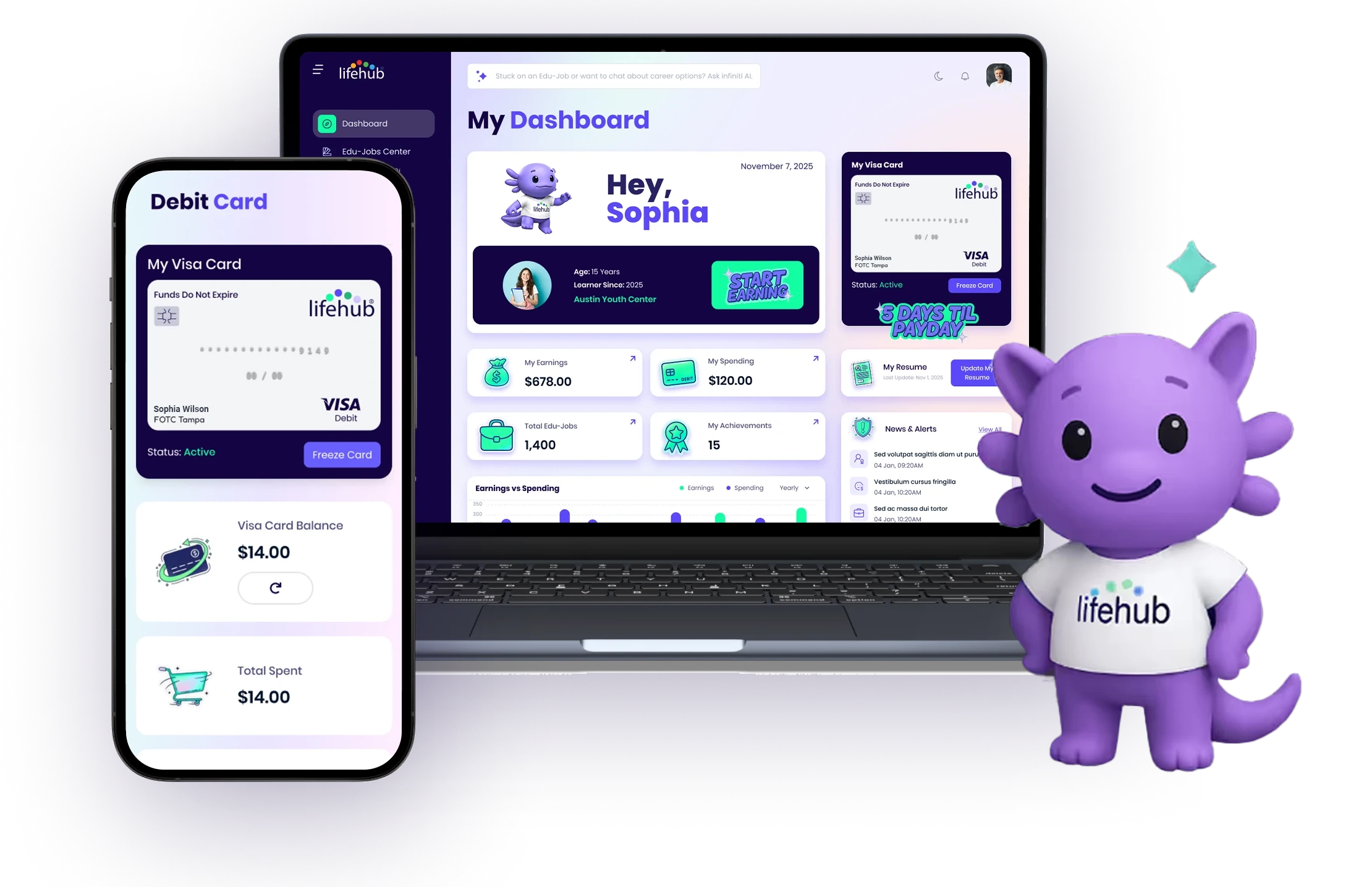
If you’re ready to help young learners build real-world skills for 2026 and beyond, there’s a practical next step. We’ve talked about money skills, digital know-how, and confidence—things you can actually see and track as a parent, educator, or youth leader. If you want to bring these outcomes to your whole school or district, you don’t have to start from scratch. See how you can bring paid micro-learning and measurable growth to your learners with Bring Life Hub to a School or District.


Related Content
Ready to Chat about Life Hub?
Whether you're parents, or a homeschool family, Life Hub is your partner to help you
raise super strong kids.

.svg)

.svg)


.svg)
.svg)

.svg)