Guide to Life Skills for Students: Success in 2026 and Beyond


As the world rapidly evolves, the life skills for students needed to succeed stretch far beyond what textbooks can teach. Today’s learners face challenges that call for adaptability, emotional intelligence, and digital know-how.
This guide offers a clear roadmap for learners, parents, and educators to build life skills that support independence and real-world readiness. We will cover why life skills matter, which ones are most important, and how to develop them using technology and practical strategies. Get ready to explore step-by-step advice for lifelong growth.
The Critical Importance of Life Skills for Students in 2026
As 2026 approaches, the landscape for learners is shifting fast. Success now means mastering more than facts and figures. Life skills for students include emotional, social, practical, and digital abilities that help learners handle real-world challenges.

Defining Life Skills in a Modern Context
Life skills for students go beyond academic grades. They include how learners manage emotions, communicate clearly, solve problems, and use technology safely.
Life skills can be grouped into:
- Emotional: self-awareness, stress management
- Social: teamwork, empathy, conflict resolution
- Practical: financial literacy, time management
- Digital: online safety, information literacy
For example, budgeting, public speaking, and using digital tools are all part of life skills for students. These abilities help learners adapt inside and outside the classroom.
Why Life Skills Matter More Than Ever
Education and the workforce are now more complex and unpredictable. Employers want people who can think on their feet, work well with others, and learn new skills quickly. Research shows that learners with strong life skills for students often have higher grades and better mental health.
A recent Survey on Life Skills in Education found that most Americans believe schools should focus on building these skills to help learners catch up and thrive. This shift highlights how life skills for students are now essential, not optional.
The Global Shift: Preparing for Uncertain Futures
Technology, AI, and globalization are changing which skills matter most. The World Economic Forum notes that transferable skills will be key for future jobs. Life skills for students now include adapting to new tech, learning online, and collaborating across cultures.
A real-life example: after the pandemic, many learners had to adjust to hybrid learning. This tested their time management and digital skills every day. Those strong in life skills for students managed change better and stayed on track.
Key Arguments and Insights
Building life skills for students lays the groundwork for lifelong learning. When learners develop these abilities early, they move into adulthood with more confidence and independence.
Life skills for students connect what is learned in school to real-world success. They help bridge the gap between theory and practice, making sure learners are ready for whatever the future brings.
Core Life Skills Every Student Needs for Success
Mastering life skills for students is the key to thriving in school and beyond. These core skills help learners face challenges, adapt to change, and build strong foundations for adulthood. Let’s explore the five essential areas every learner should develop.
Communication and Interpersonal Skills
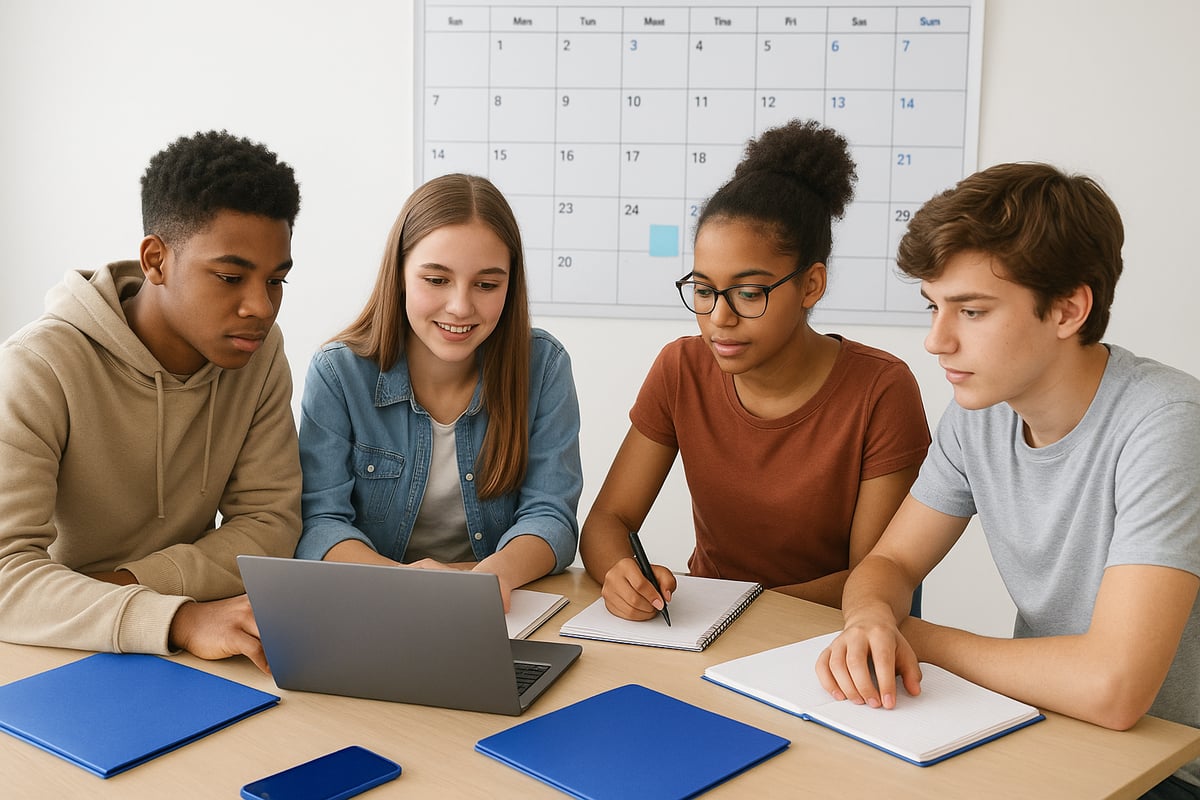
Clear communication is at the heart of life skills for students. Being able to express ideas, listen actively, and work with others is vital in school and future workplaces.
- Practice public speaking in class presentations.
- Join group projects to build teamwork skills.
- Use digital tools for clear written communication.
Learning to resolve conflicts and offer feedback helps build lasting relationships. These skills make it easier to connect, share ideas, and collaborate on goals.
Emotional Intelligence and Self-Management
Success relies on more than academics. Life skills for students include recognizing and regulating emotions, which leads to better choices and healthier relationships.
- Try mindfulness exercises before exams.
- Set realistic goals and track your progress.
- Use deep breathing to manage stress.
Learners who practice self-management bounce back from setbacks and show resilience. Emotional intelligence supports stronger mental health and independence.
Critical Thinking and Problem Solving
Life skills for students also mean knowing how to think critically. This involves questioning information, weighing different options, and making informed choices.
- Analyze sources for research projects.
- Solve real-world problems through case studies.
- Take part in role-play activities to practice decision-making.
By building these habits, learners become adaptable and ready to tackle new challenges both in and out of school.
Financial Literacy and Money Management
Understanding money is a core part of life skills for students. Budgeting, saving, and making smart choices with spending set learners up for long-term success.
- Use budget worksheets to plan weekly expenses.
- Manage an allowance or part-time job income.
- Learn about credit and debt basics.
To dive deeper into practical money skills, explore Building Financial Literacy Skills, where learners can find resources tailored for their needs. Financial literacy helps learners avoid common pitfalls and make confident decisions with their money.
Time Management and Organization
Balancing school, activities, and life requires strong organization. Life skills for students include mastering time management to reduce stress and meet deadlines.
- Use a planner or calendar app for assignments.
- Break large projects into smaller, manageable steps.
- Color-code folders or binders for each subject.
Building these habits early helps learners stay on track and feel more in control of their workload.
Integrating Technology and AI Literacy into Life Skills
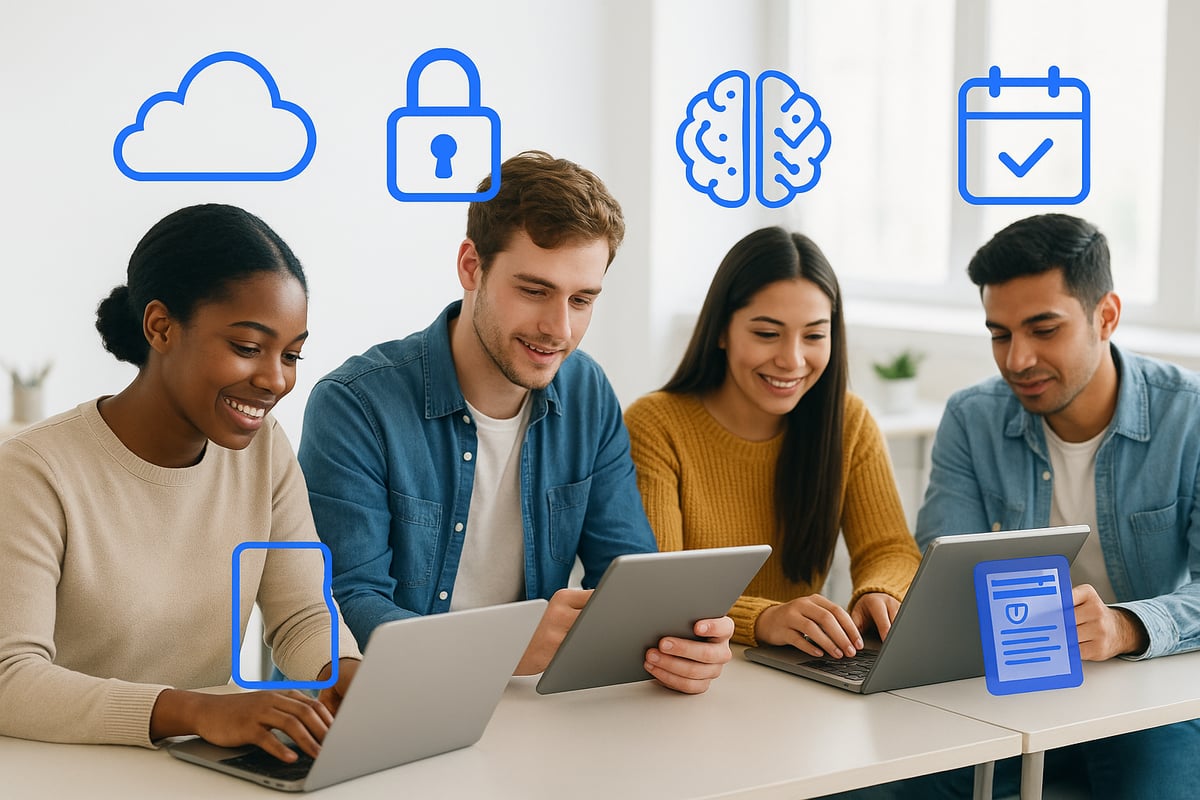
Technology is now a core part of life skills for students. Digital literacy means more than just using devices. It is about knowing how to find information, judge if it is true, and use online tools safely. Learners who master digital platforms can organize their schedules, collaborate with others, and learn independently.
Digital Literacy as a Core Competence
Digital literacy builds the foundation for many life skills for students. It includes navigating online resources, understanding privacy settings, and managing digital footprints. For example, learners use calendar apps to track homework or group projects. They also learn to spot unreliable sources and practice safe online habits.
A table to summarize digital literacy skills:
| Skill | Example Tool |
|---|---|
| Scheduling | Google Calendar |
| Collaboration | Online docs |
| Research | Search engines |
| Digital Safety | Privacy settings |
AI Awareness and Readiness
AI is shaping the future of learning and work. Life skills for students now include understanding how AI tools work and how they affect daily life. Learners may use AI to brainstorm ideas, edit writing, or solve problems. Exploring AI tools for student success helps learners build confidence in using new technology.
AI literacy also means being ready for jobs where working with AI is common. Schools are starting to teach basic AI concepts and encourage learners to think about how machines and people can work together.
Cybersecurity and Online Safety
Knowing how to stay safe online is another key part of life skills for students. Learners need to protect personal data, avoid scams, and understand how to handle cyberbullying or phishing. Real-life scenarios, such as a learner getting a suspicious email, help teach these skills.
A simple checklist for online safety:
- Use strong passwords
- Do not share personal info with strangers
- Check the source before clicking links
- Report anything suspicious
Leveraging Technology for Personal Growth
Technology can support personal growth in many ways. Learners use apps to manage money, practice mindfulness, or join online courses. Virtual internships and remote group projects let them develop teamwork and leadership.
Digital and AI literacy will remain non-negotiable life skills for students in 2026 and beyond. By building these skills early, learners gain the adaptability and confidence needed for school, work, and life.
Practical Strategies to Develop Life Skills in Students
Building life skills for students is a journey, not a single event. Developing these abilities takes intention, practice, and reflection. Here is a step-by-step approach that makes growth manageable and rewarding.
Step 1: Self-Assessment and Goal Setting
Every learner starts at a different place. Begin by identifying your strengths and areas for growth. Self-assessment tools and surveys help you see where you stand with life skills for students.
Set SMART goals for each area you want to improve. Reflect regularly using journals or digital apps. For guidance, the Knowledge Hub for Life Skills offers self-reflection resources and practical worksheets.
Step 2: Active Learning and Participation
Getting involved in clubs, sports, or volunteering is a hands-on way to build life skills. These activities encourage teamwork, responsibility, and leadership.
- Join a club or team at school
- Volunteer for a local event or charity
- Take on a leadership role in a group project
Active participation helps learners apply what they know in real situations.
Step 3: Practice and Real-World Application
Applying life skills for students outside the classroom builds confidence. Internships, part-time jobs, and community projects turn theory into practice.
Try budgeting for a school event or collaborating on a real-world project. These tasks develop problem-solving, communication, and time management skills.
Step 4: Reflection and Feedback
Growth happens when learners reflect on their progress. Journaling or self-check-ins can help you see what works and what needs change.
Seek feedback from peers, mentors, or teachers. Use their insights to adjust your approach and deepen your understanding of life skills for students.
Step 5: Embracing Failure and Building Resilience
Mistakes are a natural part of learning. When you face setbacks, focus on what you can learn.
Celebrate progress, even small wins. Try new strategies and keep moving forward. This mindset builds resilience, a key part of life skills for students.
How Life Hub Empowers Students with Real-World Life Skills
Building life skills for students is more important than ever. Many learners struggle to connect classroom lessons with the real world. Life Hub bridges this gap by offering a web and mobile platform that helps learners gain practical life skills for students in a hands-on way.
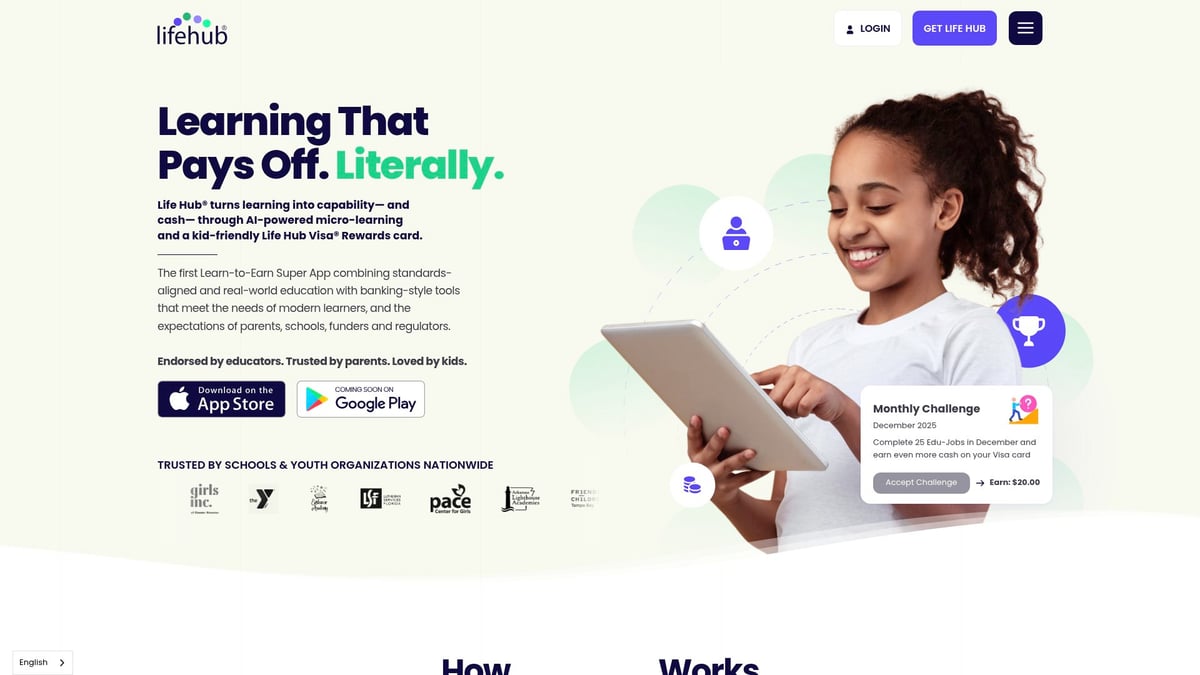
Life Hub’s unique approach centers on paid micro-learning activities called "Edu Jobs." These short, practical tasks cover essential areas:
| Edu Job Focus Areas | Examples |
|---|---|
| Money Skills | Budgeting, saving, managing allowances |
| Career Readiness | Resume building, interview practice |
| Academic Success | Study skills, time management |
| Digital & AI Literacy | Online safety, basic coding, AI concepts |
| Social-Emotional Skills | Communication, goal setting, resilience |
| Entrepreneurship | Business ideas, creative projects |
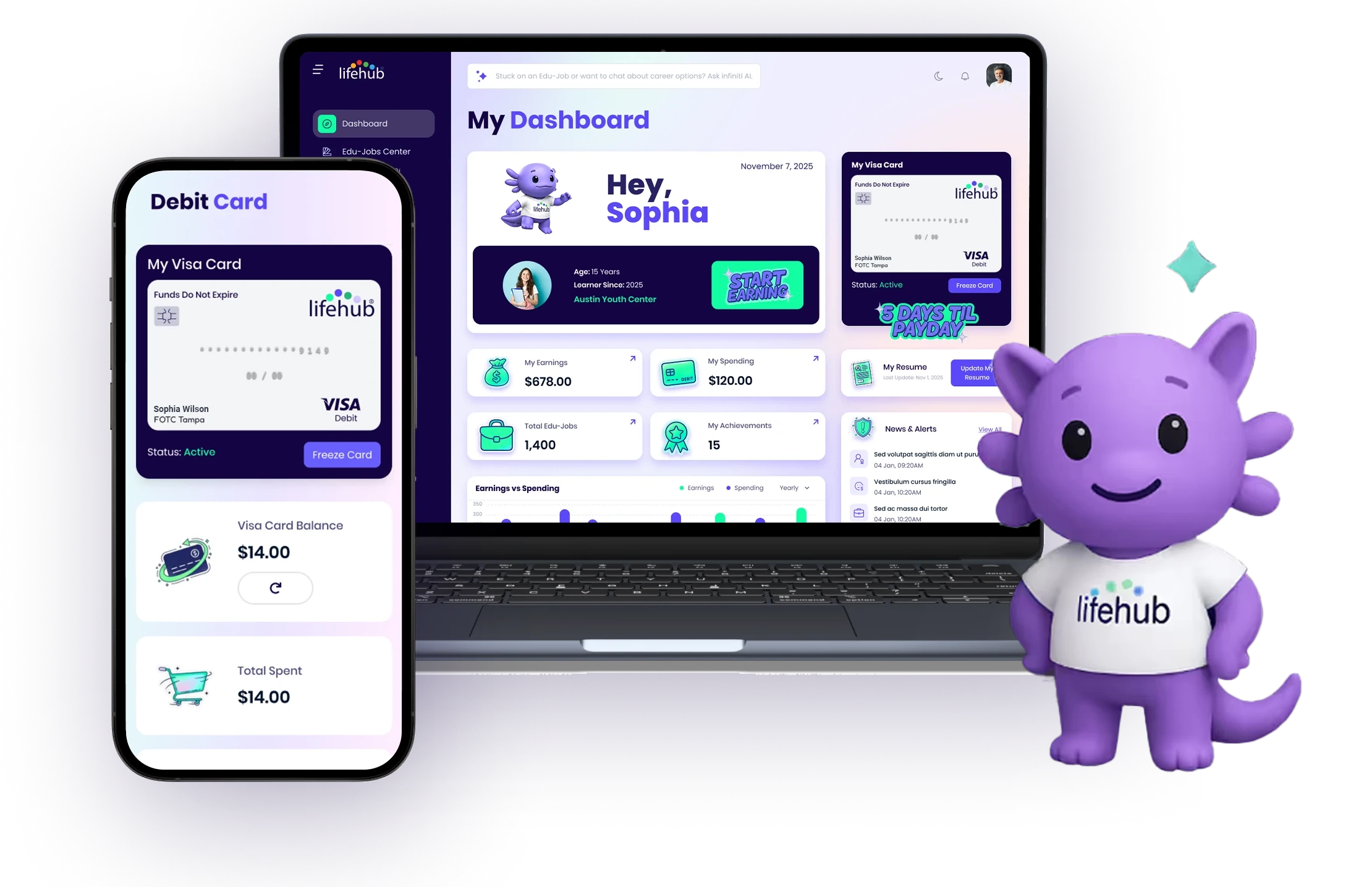
Each Edu Job gives learners real experience and boosts their confidence. As they complete tasks, learners earn actual cash, which is loaded onto a Life Hub Visa debit card. This reward system is funded by families, schools, or sponsors, making the learning process both meaningful and motivating.
The platform uses gamification to keep learners engaged. Progress and growth in life skills for students are tracked through detailed analytics. Families and educators can see how learners are developing in skills, behaviors, and mindsets.
Life Hub adapts to each learner using AI-powered technology, providing personalized challenges and support. This helps every learner build life skills for students at their own pace. Schools and districts can also implement Life Hub programs to support their learners, as described on the Programs for Schools and Districts page.
By combining practical experience, technology, and motivation, Life Hub helps learners prepare for success in 2026 and beyond. Its focus on real-world readiness is why families, educators, and youth organizations trust Life Hub as a partner in life skills education.
Everyday Activities and Habits that Build Life Skills
Daily routines are the foundation for building life skills for students. Consistent habits, mindful choices, and small changes each day can add up to big improvements over time. By weaving practical skill-building into everyday life, learners grow more independent and adaptable.
Incorporating Life Skills into Daily Routines
Making life skills for students part of daily routines helps them stick. Simple actions like setting a goal for the day or using a checklist to track tasks can boost confidence. Planners and apps keep learners organized and focused on their priorities. Practicing mindful spending, such as planning out a weekly allowance or comparing prices on groceries, builds financial awareness.
Recent reports highlight a decline in academic performance, showing why these habits are more important than ever. According to the Decline in Student Academic Performance, learners who develop these routines are better equipped to handle academic and life pressures.
- Set daily or weekly goals
- Use planners or digital calendars
- Practice budgeting with real or simulated money
Building Social and Emotional Skills at Home and School
Life skills for students also include strong social and emotional abilities. Open conversations with family allow learners to practice empathy and active listening. Group discussions and collaborative projects at school help build teamwork and communication.
Examples:
- Family budgeting nights encourage discussion and shared responsibility
- Group study sessions foster cooperation and peer support
- Practicing conflict resolution with siblings or classmates
These activities make learners more resilient and ready to face challenges with a positive mindset.
Leveraging Community Resources and Support
Community resources offer valuable ways to grow life skills for students outside of the classroom. Workshops and seminars on topics like financial literacy or leadership can spark new interests. School counselors and mentors provide guidance and encouragement.
- Attend community workshops or online seminars
- Join extracurricular programs or youth groups
- Seek advice from mentors or school counselors
The Future of Jobs Report 2025 also stresses the need for learners to build adaptable, future-ready skills through real-world experiences.
Encouraging Reflection and Adaptability
Regular reflection helps learners track their progress and adapt their approach as needed. Reviewing what works and what does not, and being open to trying new activities, supports ongoing growth.
Examples:
- Keep a progress journal
- Set aside time each week to review goals
- Try new hobbies or join different groups to expand comfort zones
Building life skills for students is a journey, not a single event. With daily practice, support from family and community, and a willingness to reflect, learners can thrive now and in the future.
Measuring Progress and Adapting for Lifelong Success
Tracking growth is essential for learners aiming to develop life skills for students. Progress is not always visible day to day, but regular check-ins can reveal valuable changes over time.
Tracking Skill Development Over Time
Consistent self-assessment helps learners see how their life skills for students are evolving. Tools like surveys, journals, or digital trackers make it easier to spot patterns and set benchmarks.
For example, the Panorama Student Survey provides research-based feedback on social and emotional growth. This data can help learners and educators plan targeted support.
Setting New Goals as Skills Improve
As learners master new abilities, it is important to update their goals. Progress in life skills for students may lead to bigger challenges, such as moving from basic budgeting to exploring entrepreneurship.
Using a SMART goal framework keeps targets clear and achievable. Learners who regularly reflect on their progress become more confident and motivated to tackle the next step.
Seeking Ongoing Feedback and Mentorship
Support from mentors, teachers, or peers is critical. Regular check-ins create space for honest reflection and advice. Feedback helps learners strengthen their life skills for students by highlighting strengths and uncovering areas to improve.
Mentorship also builds accountability and provides a sounding board for new ideas or challenges.
Adapting to Emerging Challenges and Opportunities
The world is always changing, so staying flexible is key. New trends, like AI or digital literacy, require learners to adapt and grow. Exploring resources such as Teaching AI Literacy to K-12 Students can help learners prepare for these shifts.
By staying curious and open-minded, learners can continue to thrive in any environment.
Building life skills takes consistent practice and real-world experience. If you want your learner to grow in confidence, money management, and digital know-how, there are practical ways to start right now. Life Hub offers a hands-on approach where learners can explore different interests, complete real tasks, and earn cash for their efforts. It brings together personal finance, teamwork, STEM, and creative skills all in one place. If you’d like to see how this can work for your family, take a look at See Life Hub for Kids and Families.


Related Content
Ready to Chat about Life Hub?
Whether you're parents, or a homeschool family, Life Hub is your partner to help you
raise super strong kids.

.svg)

.svg)


.svg)
.svg)

.svg)