Life Skills Education Guide: Essential Insights for 2026


The world is changing faster than ever, and learners today face challenges that go far beyond textbooks. As we look ahead to 2026, life skills education is more essential than ever for helping young people adapt, thrive, and succeed.
This guide is designed for learners, parents, and educators who want clear, practical steps for building these vital skills. Inside, you’ll find what life skills mean, why they matter, the key types, how to teach them, and what the future holds.
Global shifts in technology, work, and society are reshaping what learners need to know. Life skills education supports not just academic growth, but also well-being, confidence, and real-world readiness. Ready to discover the insights and strategies that will matter most in 2026?
Understanding Life Skills Education: Definition and Scope
Life skills education shapes how learners respond to a fast-changing world. It covers the core abilities needed to handle everyday challenges, adapt to new environments, and thrive in academic, personal, and professional life.
What Are Life Skills?
Life skills education is about building adaptive and positive behaviors that help people meet daily demands. According to the World Health Organization, these skills let learners manage stress, solve problems, and connect with others in healthy ways.
There are two main types of life skills:
- Social-emotional skills: communication, empathy, self-awareness, emotional regulation, and teamwork.
- Practical skills: financial literacy, time management, digital literacy, and basic self-care.
These skills are not just for school. Life skills education transfers across all areas of life. You use them at home, in your job, and in the community. Many countries are now adding life skills education to K-12 curricula. For example, India’s NEP 2020 and U.S. Social-Emotional Learning (SEL) programs both focus on these areas.
The shift from academic-only teaching to holistic, skills-based education is growing. Life skills education helps learners become responsible citizens and supports community well-being. It also boosts mental health, resilience, and adaptability.
Here’s a quick comparison:
| Social-Emotional Skills | Practical Skills |
|---|---|
| Communication | Financial literacy |
| Empathy | Time management |
| Self-awareness | Digital literacy |
| Emotional regulation | Self-care |
| Teamwork and relationships | Household skills |
The Evolving Need for Life Skills in 2026
Life skills education is changing as technology, AI, and society evolve. Learners now need digital literacy, adaptability, and global citizenship skills more than ever.
Schools are updating their curricula to reflect these needs. For example, Delhi’s Happiness Curriculum and expanded SEL programs in the U.S. are becoming more common. Employers now say soft skills, like teamwork and problem-solving, are as important as technical know-how.
However, new challenges are arising. Digital distractions, social pressures, and the overload of information demand strong critical thinking. Policymakers worldwide are making 21st-century skills a top priority. According to the OECD Skills Outlook 2025, building flexible, real-world abilities is essential for the future.
Life skills education helps learners prepare for uncertain times. By focusing on both social-emotional and practical skills, this approach supports well-being, resilience, and readiness for whatever comes next.
Core Types of Life Skills: Essential Categories for Modern Learners
Life skills education covers a wide range of abilities that help learners succeed both in and out of the classroom. Understanding the core types of life skills makes it easier to see how these abilities fit into daily life and future careers.

Social-Emotional Skills
Social-emotional skills are the foundation of life skills education. They help learners communicate, build relationships, and manage emotions in any situation.
- Communication: Sharing ideas clearly, listening actively, and reading non-verbal cues.
- Empathy: Understanding the feelings and perspectives of others, which supports conflict resolution.
- Self-awareness: Recognizing personal emotions, strengths, and areas for growth.
- Emotional regulation: Managing stress and controlling emotional reactions.
- Interpersonal relationships: Building trust, collaborating, and networking with peers and adults.
These skills improve teamwork and help learners adapt to new environments. By building a strong social-emotional base, learners are better prepared for academic and personal challenges.
Cognitive and Practical Skills
Cognitive and practical skills are key parts of life skills education. They support problem-solving, creativity, and independent decision-making.
- Critical thinking: Analyzing information, sorting facts from opinions, and making sound choices.
- Creative thinking: Generating new solutions, adapting to change, and staying open-minded.
- Problem-solving: Identifying challenges, brainstorming options, and acting on decisions.
- Decision-making: Weighing outcomes and taking responsibility for choices.
- Resilience: Bouncing back from setbacks and staying motivated through change.
These skills help learners handle complex tasks and real-world problems. They are often used together, for example, when working on group projects or facing unexpected obstacles.
Functional Life Skills
Functional life skills are practical abilities that learners use every day. They are essential for independence and success in adulthood, making them a crucial part of life skills education.
- Financial literacy: Budgeting, saving, understanding credit, and responsible spending. For more in-depth guidance, see financial literacy resources.
- Time management and organization: Prioritizing tasks, meeting deadlines, and balancing school, work, and personal life.
- Digital literacy: Using technology safely, practicing good online etiquette, and protecting privacy.
- Self-care and personal hygiene: Staying healthy, maintaining routines, and managing stress.
- Basic household skills: Cooking, cleaning, and making simple repairs.
Mastering these functional skills prepares learners for daily life and future jobs. Life skills education gives them tools to thrive in a fast-changing world.
The Impact of Life Skills Education on Student Success
Life skills education is transforming how learners prepare for life beyond the classroom. As schools shift focus from pure academics to holistic development, these skills are gaining ground as essential tools for success. In 2026, learners who master life skills education stand out for their confidence, adaptability, and readiness to handle real-world challenges.
Academic Achievement and Beyond
Life skills education has a powerful impact on academic performance and overall well-being. Learners who receive structured life skills education show higher self-confidence and motivation. They are more engaged in lessons, participate actively, and develop better study habits.
Research shows that social-emotional learning programs, such as those in India and the US, help learners manage emotions, improve classroom behavior, and build positive peer relationships. According to Impact of Life Skills Education in India, such programs can improve socio-emotional skills and school outcomes for adolescents.
Practical life skills education also supports mental health. It reduces risky behaviors, builds resilience, and encourages learners to seek help when needed. By fostering independence and self-advocacy, life skills education prepares learners to bridge the gap between academic knowledge and daily life.
Life Skills and Career Readiness
A strong foundation in life skills education is closely tied to career readiness. Employers increasingly seek candidates with teamwork, communication, and problem-solving abilities. These soft skills often matter more than technical expertise alone.
Financial literacy and time management, core aspects of life skills education, directly influence workplace productivity and stability. Adaptability and resilience help learners navigate job market shifts and career transitions with confidence. Studies suggest that graduates with strong interpersonal and critical thinking skills have higher job placement and satisfaction rates.
Social-emotional learning is also linked to long-term career and life success. The table below shows a comparison of skills valued by employers and those emphasized in traditional academics:
| Employer-Valued Skills | Traditional Academic Skills |
|---|---|
| Communication | Subject knowledge |
| Teamwork | Test performance |
| Problem-solving | Memorization |
| Adaptability | Grades |
| Financial literacy | Standardized assessments |
Life skills education gives learners the tools to thrive both in school and beyond.
Effective Methods for Teaching and Learning Life Skills
Helping learners develop real-world skills takes more than just lectures. Effective life skills education brings knowledge to life, making it practical, memorable, and meaningful. The right teaching methods help learners practice, reflect, and grow, both in and outside the classroom.
Activity-Based and Experiential Learning
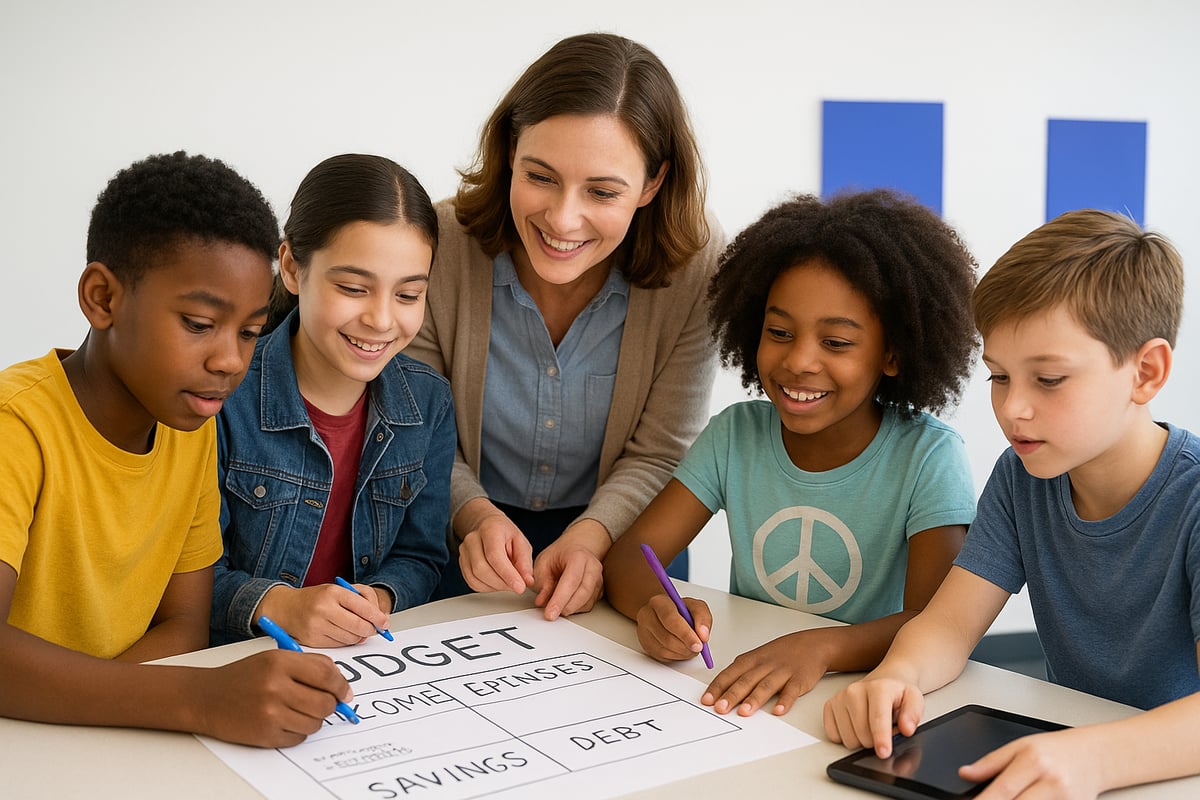
Activity-based learning is a cornerstone of effective life skills education. Instead of memorizing facts, learners take part in real-world tasks, such as group discussions, mock interviews, or role-playing. These activities help build confidence and allow learners to practice new skills in safe, supportive settings.
For example, budgeting exercises or teamwork challenges teach financial literacy and communication. Using digital tools, learners can explore online safety and digital citizenship. Reflective journaling and self-assessment activities encourage self-awareness and personal growth, which are vital parts of life skills education.
Embedding life skills into core subjects, like math or science, helps learners see how these skills connect to daily life. Technology also plays a key role. Apps and online modules make learning interactive, while simulations and games develop problem-solving and adaptability. Schools that use activity-based approaches often report higher engagement and improved classroom climate.
Classroom and Community Strategies
Life skills education thrives when supported by both schools and the wider community. In the classroom, educators act as facilitators, modeling positive behaviors and guiding learners through challenges. Open discussions and collaborative projects help learners practice empathy, leadership, and teamwork.
At home, parents can reinforce life skills by encouraging chores, setting routines, and having honest conversations about emotions or money. Community partnerships, such as mentorship programs or service learning, give learners real-world experience and connect classroom lessons to everyday life.
Inclusive practices matter, too. Adapting activities for different needs helps every learner benefit from life skills education. For example, using a “Feelings Chart” can support emotional regulation for younger learners or those with special needs.
For more strategies and resources, explore the Knowledge Hub for life skills, which offers practical ideas for teaching and developing these essential skills.
Life Skills Education and Technology: Preparing for a Digital Future
Technology is reshaping life skills education at a rapid pace. As we move toward 2026, digital literacy and adaptability are now as important as reading or math. The modern learner faces new challenges and opportunities, so schools must rethink how they teach practical and social skills for a digital world.
Integrating Digital Literacy and AI Skills
Digital literacy is now a must-have for every learner. It covers more than typing or searching online. It means understanding online privacy, recognizing scams, and using digital tools safely. As artificial intelligence and automation enter the workplace, adaptability and tech fluency are high priorities.
Life skills education now includes coding basics, media literacy, and online research. Many schools use interactive modules and apps to teach these skills. For example, a budgeting simulation helps learners build financial awareness while learning to spot online threats.
Gamified platforms make practice engaging. Learners can complete challenges, earn feedback, and track their growth. This approach supports different learning styles and keeps motivation high.
A recent trend is teaching mindful tech use. With so many digital distractions, learners need to manage screen time and stay focused. Skills like self-regulation and healthy online habits are now part of the life skills education toolkit.
Digital Skills Formation: Platforms and Peer Networks
The social side of technology also matters. Collaboration and communication are key life skills education goals. Digital platforms bring learners together for group projects, peer feedback, and shared problem-solving.
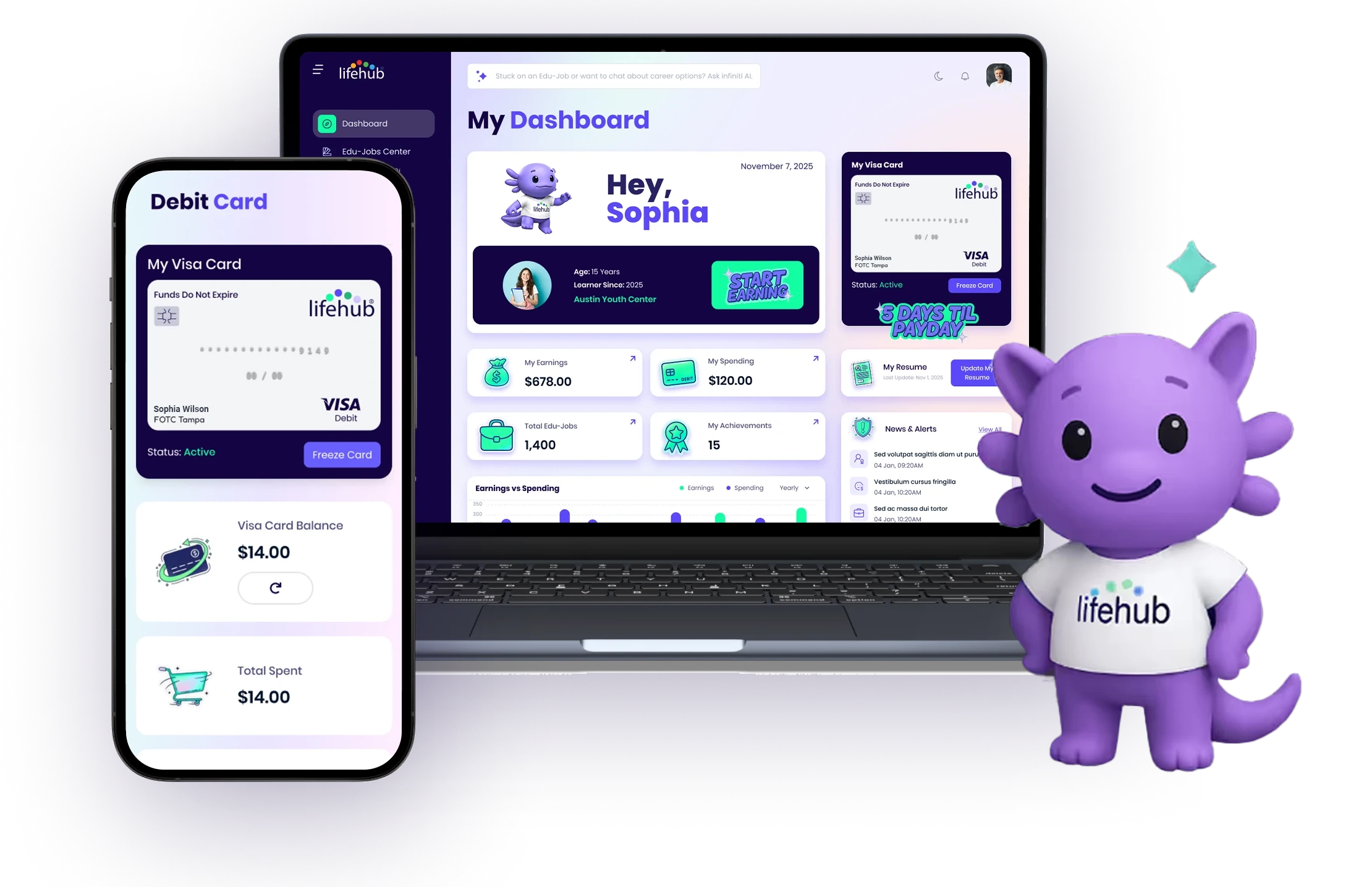
Platforms like the Life Hub® education platform offer real-world tasks, from money management to AI basics. Learners practice practical skills and receive immediate rewards, making life skills education hands-on and relevant.
Peer networks can boost digital skills development. Learners teach and motivate each other through online forums, group chats, or project-based teams. This builds confidence and prepares them for teamwork in digital workplaces.
Schools are measuring digital skills progress with dashboards and analytics. Data shows digital readiness is now a top factor in hiring and future success. By focusing on life skills education that blends tech and social learning, schools help every learner thrive in a changing world.
Future Trends and Innovations in Life Skills Education
Life skills education is entering a new era as we approach 2026. Around the world, schools are shifting from traditional instruction to teaching skills that help learners thrive in unpredictable times. This change is happening in response to rapid shifts in technology, society, and the workplace.
Education systems are now weaving life skills education into national standards. In India, the NEP 2020 reform places these skills at the heart of school learning. In the United States, social-emotional learning is becoming part of state policies. These global shifts reflect a growing belief that life skills education is essential for preparing responsible, adaptable citizens.
Let’s look at the main trends shaping the future:
| Trend | Description |
|---|---|
| Global Citizenship | Focus on empathy, ethics, and understanding diverse cultures |
| Sustainability | Teaching learners to make choices that protect the planet |
| Personalized, Adaptive Learning | Using technology to tailor life skills education to each learner’s needs |
| Data-Driven Measurement | Tracking progress with dashboards and impact analytics |
| Financial & Digital Literacy | Building real-world skills for money management and online safety |
| Entrepreneurial Mindset | Encouraging creative thinking and risk-taking |
Technology is playing a big role. Schools use apps and dashboards to monitor growth and personalize support. This helps educators see which life skills education strategies work best.
Partnerships are expanding, too. Families, schools, and community groups are teaming up to offer service learning, mentorship, and real-world projects. If you want to see how schools are putting these ideas into practice, visit Life skills for schools and districts for practical solutions.
Financial literacy is now seen as a key part of life skills education. Research shows that courses on money management can boost a person’s financial well-being over time. For a deeper look at this connection, check out Financial Literacy Education and Financial Health.
Digital skills are also gaining ground. Learners are taught how to use technology wisely, stay safe online, and build positive relationships in digital spaces. Educators are now tracking life skills education outcomes, making it easier to improve programs.
Surveys show over 80 percent of educators agree that life skills education is vital for the future. As innovation continues, schools will likely place even greater emphasis on skills like financial literacy, digital citizenship, and entrepreneurship.
Steps to Implement a Comprehensive Life Skills Education Program
Launching a successful life skills education program starts with a clear plan. Schools and educators need a step-by-step approach to make sure these essential skills reach every learner. Below is a guide to building a strong program that supports learners’ growth in school and beyond.
Assess Needs and Involve Stakeholders
Begin with a review of your current life skills education coverage. Are there gaps in key areas like digital literacy, financial skills, or social-emotional learning? Engage teachers, parents, learners, and community partners early in the process. This collaborative start builds buy-in and helps identify what your community values most.
Next, select a proven framework. Options include the WHO’s life skills model or national standards like CASEL. A structured approach ensures consistency as you roll out the program.
Integration, Training, and Technology
Integrate life skills education into both academic subjects and extracurricular activities. For example, embed teamwork in science projects or financial literacy in math lessons. Provide professional development for educators, focusing on facilitation rather than traditional lecturing.
Use technology and digital tools to boost engagement and track progress. Peer learning is especially powerful for digital skills, as shown in research on Digital Skills Formation in Peer Networks. These approaches help learners practice new skills in real-world scenarios.
Experiential Learning and Ongoing Assessment
Prioritize experiential learning with projects, simulations, and service tasks. Encourage reflection through journaling or group discussions. Involve parents by assigning home-based activities that reinforce classroom lessons.
Set up regular assessment and feedback loops. Use surveys, self-assessments, and observation to track growth. Schools with ongoing evaluation and stakeholder involvement report higher impact and sustainability in their life skills education efforts.
As you think about the essential life skills for 2026, it’s clear real-world practice matters just as much as theory. Learners gain confidence and capability when they get to use skills like financial literacy, teamwork, and problem solving in daily life. If you’re looking for a practical way to help young people build these strengths—while earning and learning at their own pace—there’s a simple next step. You can see how paid learning tasks help kids and families connect effort, skill, and real rewards by exploring See Life Hub for Kids and Families.


Related Content
Ready to Chat about Life Hub?
Whether you're parents, or a homeschool family, Life Hub is your partner to help you
raise super strong kids.

.svg)

.svg)


.svg)
.svg)

.svg)