Comprehensive Guide to Life Skills Curriculum 2026


In 2026, research shows that over 85% of job success depends on strong life skills, not just academic knowledge. As workplaces and schools adapt to rapid change, having a relevant life skills curriculum is more important than ever for every learner. This guide gives you the latest advice on designing, choosing, and using a life skills curriculum that fits all ages and needs. You will learn what life skills are, what a modern curriculum includes, how to teach it, digital and hands-on tools, ways to measure growth, and what trends are coming next.
What is a Life Skills Curriculum?
A life skills curriculum is a structured program that teaches practical abilities learners need for daily living, relationships, and future careers. In 2026, this curriculum spans far more than traditional skills. It now includes digital literacy, financial management, and social-emotional learning.
Defining Life Skills in 2026
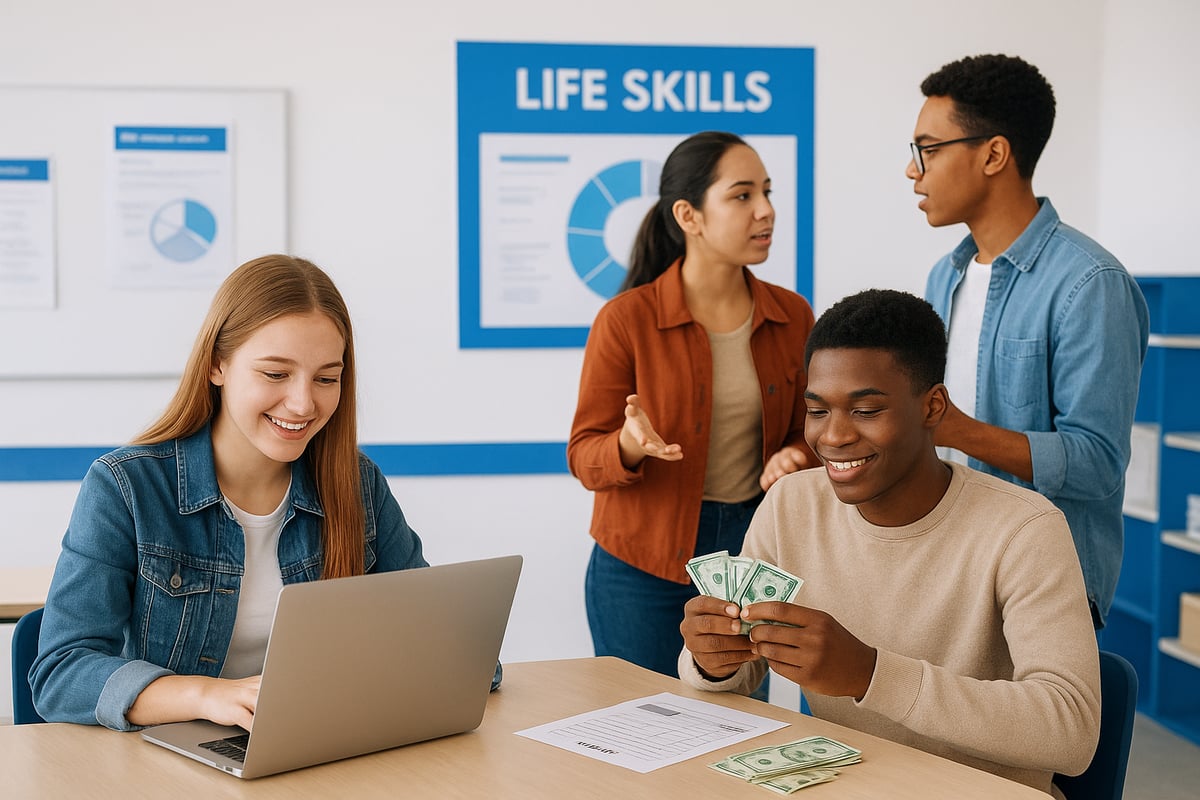
The term "life skills" has grown to cover a wide range of practical abilities. These include personal finance, communication, adaptability, digital safety, and critical thinking. In 2026, learners need skills for both the real world and the digital world.
Frameworks from the World Health Organization (WHO) and UNESCO's Life Skills Education Framework help define these abilities. For example, budgeting, career readiness, self-care, and digital citizenship are now core parts of any life skills curriculum.
Here's a quick look at key domains and examples:
| Skill Area | Example Activities | Competitor Programs |
|---|---|---|
| Financial Literacy | Budgeting, saving | Banzai!, Money Smart |
| Digital Citizenship | Online safety, privacy | Common Sense Education |
| Social-Emotional Skills | Communication, resilience | Overcoming Obstacles |
The life skills curriculum adapts to new technology and social needs. Learners now explore topics like AI basics, online privacy, and emotional intelligence alongside cooking or home maintenance.
Why Life Skills Matter: Research & Trends
Research shows that 85% of job success can be traced to strong life skills, such as problem-solving and adaptability. Employers increasingly seek candidates with financial literacy and digital know-how.
Studies also link a strong life skills curriculum to better mental health, academic achievement, and lifelong learning habits. Homeschooling families and schools are moving toward holistic, real-world approaches. They want learners to gain skills they can use every day.
Trends like microlearning and project-based tasks are shaping curriculum design. For example, learners might complete short digital modules on budgeting or join group projects that solve real community problems.
Competitor programs like Money Smart, Overcoming Obstacles, and Common Sense Education show the broad reach of a modern life skills curriculum. With the right design, these programs help learners thrive in a fast-changing world.
Core Components of a Modern Life Skills Curriculum
A modern life skills curriculum is more than just a checklist of daily tasks. It brings together practical knowledge, social abilities, and digital tools that learners need to thrive. Let’s explore the building blocks that make up a comprehensive, future-ready life skills curriculum.

Essential Life Skills Domains
A strong life skills curriculum covers a range of domains, each vital for independence and wellbeing.
- Personal finance: Learners practice saving, budgeting, using credit, and exploring investing. Programs like Banzai! and FDIC Money Smart offer real-world simulations.
- Career readiness: Skills include resume writing, job searching, and workplace etiquette. Resources such as Learn How to Become and GCF Global provide step-by-step guides.
- Health and wellness: Nutrition, first aid, and self-care routines are taught through hands-on tasks and real-life scenarios.
- Social-emotional learning: Communication, teamwork, and conflict resolution are central. Overcoming Obstacles and SucceedSocially.com offer structured lessons.
- Digital literacy: Lessons on online safety, privacy, and media literacy help learners navigate technology. Common Sense Education and Civic Online Reasoning are key platforms.
- Daily living: Practical skills like cooking, home maintenance, and basic auto repair are included. Channels like “Dad, how do I?” and Easy Peasy Culinary Arts make these accessible.
By integrating these domains, a life skills curriculum prepares learners for both academic and everyday challenges.
Age-Appropriate Progression
A thoughtful life skills curriculum grows with the learner. Early grades focus on basics like manners, hygiene, and simple money concepts. As learners progress, skills become more complex—middle schoolers might explore digital safety, while high schoolers tackle investing and taxes.
Competitor resources offer age-specific guidance:
- Money Smart for Young People: Budgeting basics for elementary, advanced finance for teens.
- Skill Trek: Scaffolded skills from Pre-K to adult.
- Overcoming Obstacles: SEL activities by grade.
For example, budgeting starts with sorting coins in elementary school and expands to creating and managing a real budget in high school. This gradual approach helps learners gain confidence as they master each new skill.
Curriculum Formats and Resources
Today’s life skills curriculum comes in many formats to fit different learning styles. Options include:
| Format | Example Providers | Features |
|---|---|---|
| Print Guides | FDIC, PWC | Worksheets, handouts |
| Digital Platforms | Everfi, Fool Proof Me | Interactive lessons, quizzes |
| Video Courses | Khan Academy, YouTube | Visual, self-paced |
| Hands-on Projects | Easy Peasy Culinary Arts | Real-life practice |
Accessibility is key. Many resources are adapted for learners with special needs, like PASS Life Management Skills.
For a curated collection of adaptable tools and educational materials, the Knowledge Hub life skills resources offers a helpful starting point for educators and families.
By blending formats and adjusting for different abilities, a life skills curriculum can meet the needs of every learner.
Steps to Designing and Implementing a Life Skills Curriculum
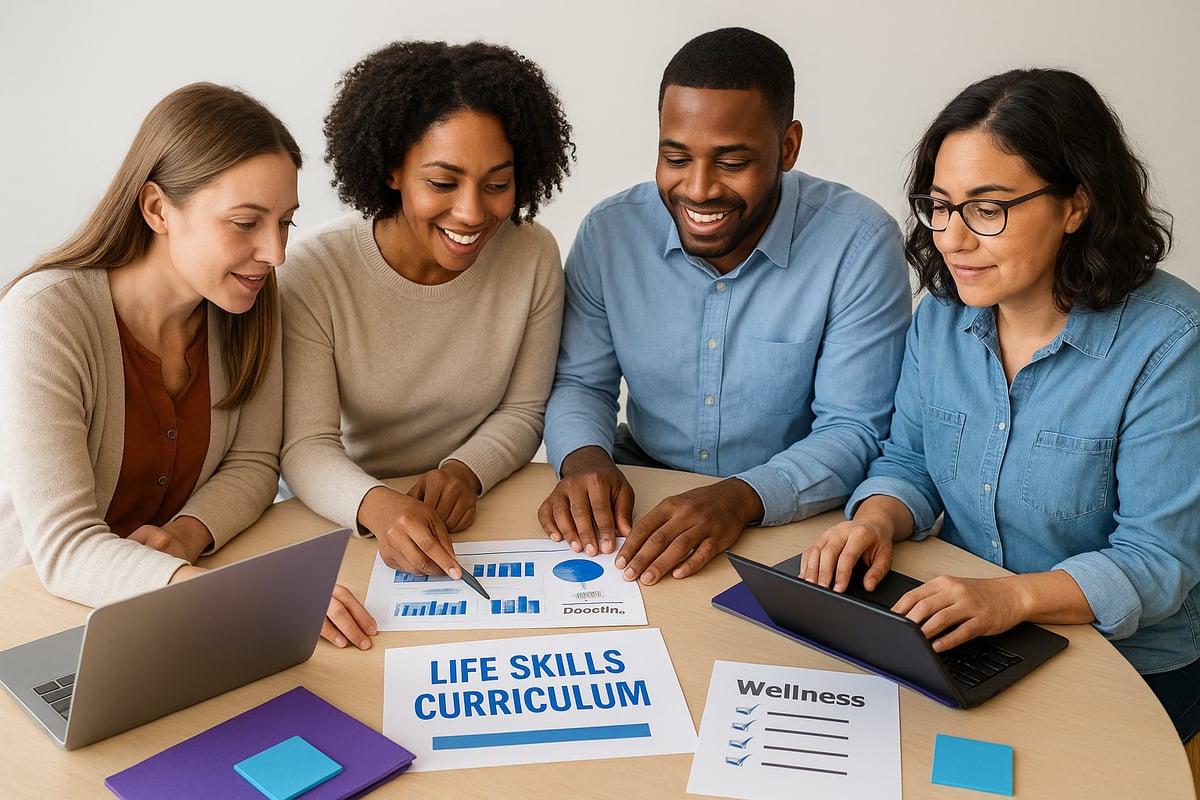
Designing a strong life skills curriculum means following a clear, step-by-step process. Each step helps you create a program that grows with learners and meets real needs. Here’s how to get started and make the most impact.
Step 1: Assess Needs and Set Goals
Begin by gathering input from learners, parents, and educators. Use surveys or group discussions to identify which life skills are most needed. Review your state or national standards to check for required topics.
Set clear, measurable goals for your life skills curriculum. For example, you might want learners to create a personal budget or resolve conflicts peacefully. If you want a global perspective, review the Skills for the Future Framework for guidance on defining outcomes and aligning with future demands.
Regular check-ins with your community help you stay on track and adjust your goals as needs change.
Step 2: Select or Develop Curriculum Materials
Choose resources that fit your goals, budget, and local context. Compare free and paid options. For personal finance, Banzai! and Money Smart are popular. For social-emotional learning, Overcoming Obstacles is a solid choice.
Look for materials that align with academic standards. Adapt resources to your learners’ ages and backgrounds. Blend life skills curriculum topics with core subjects, like using math for budgeting or science for healthy eating.
Consider print, digital, and hands-on options. Mix and match to keep learning fresh and relevant.
Step 3: Integrate Technology and Real-World Experiences
Bring technology into your life skills curriculum with interactive platforms like Everfi or Common Sense Education. Digital simulations, such as Play Spent, help learners practice real decisions in a safe space.
Add hands-on projects to connect lessons to daily life. Ideas include:
- Cooking simple meals
- Job shadowing with local businesses
- Community service projects
Apps and online tools make learning more flexible and engaging. Real-world practice cements new skills.
Step 4: Differentiate for Diverse Learners
Adapt your life skills curriculum to fit all learners. Offer materials for different ages, abilities, and cultures. For younger learners, focus on basics like hygiene and manners. For older learners, add topics like investing or career planning.
Support special needs with accessible resources, such as those from PASS or the NWT Literacy Council. Provide flexible pacing, extra visuals, or hands-on supports as needed.
Personalization helps every learner build confidence and independence.
Step 5: Train Educators and Engage Families
Prepare educators to teach the life skills curriculum effectively. Offer professional development on new topics and digital tools. Share best practices from other schools or homeschool networks.
Involve families by sending home activities and guides. Encourage parents to reinforce skills, like budgeting or healthy habits, at home. Success stories build momentum and show the value of life skills in daily life.
Ongoing support for both educators and families keeps your curriculum strong and relevant.
Integrating Life Skills Across Age Groups and Learning Environments
Building an effective life skills curriculum means adapting content and methods to fit the needs of every learner. By tailoring approaches to each age group and learning environment, you help learners build confidence and real-world capability step by step.
Early Childhood and Elementary
At this stage, the life skills curriculum focuses on building strong foundations. Young learners practice personal hygiene, good manners, and basic money concepts through playful, everyday routines.
- Role-playing social situations
- Completing simple chores as part of daily routines
- Playing interactive games that teach safety and kindness
Programs like Skill Trek and Money Smart for Young People offer age-appropriate activities that make learning fun. Introducing life skills curriculum early helps children grow into confident, responsible individuals.
Middle and High School
As learners grow, the life skills curriculum expands to cover more advanced topics. Budgeting, digital citizenship, and career exploration become key themes. Independent projects, such as managing a mock bank account or planning nutritious meals, help teens apply these skills in realistic ways.
- Researching career options and building a simple resume
- Exploring digital safety and online privacy
- Practicing first aid and self-care strategies
Resources like Banzai!, Overcoming Obstacles, and Easy Peasy Culinary Arts support the development of these essential skills, making the life skills curriculum practical and relevant for teens.
Transition to Adulthood and Special Populations
For young adults and special populations, the life skills curriculum centers on readiness for independent living and the workplace. Learners may participate in mentorships, internships, or real-world tasks like apartment hunting and budgeting for groceries.
- Practicing workplace etiquette in mock interviews
- Learning advanced financial skills, such as investing basics
- Engaging in community service or job shadowing
Programs like CareerPass and Focus on Work, as well as resources from PASS and NWT Literacy Council, provide tailored support. This approach ensures every learner, including those with special needs, can access meaningful life skills curriculum experiences.
Homeschool and Alternative Education Settings
Homeschoolers and those in alternative settings benefit from a flexible life skills curriculum. Learning can happen at home, in the community, or online. Many families use free resources, project-based learning, and community partnerships to personalize instruction.
For curated support and ideas, families can visit Homeschool life skills curriculum guidance for advice on selecting and implementing resources.
Adapting the life skills curriculum to fit each learner’s pace and interests helps create a personalized, empowering journey toward independence.
Digital Tools and Innovative Approaches in Life Skills Education
Digital innovation is transforming the life skills curriculum, making learning more engaging and practical for every learner. Technology brings new ways to build skills that matter for real life, from quick lessons to real-world practice.
Microlearning and Gamification
Microlearning is reshaping the life skills curriculum by offering short, focused lessons that fit busy schedules. Learners complete brief tasks, like budgeting exercises or digital safety quizzes, building skills step by step.
Gamification adds points, badges, or rewards to keep motivation high. Interactive modules such as Play Spent and Fool Proof Me make tough topics like financial choices or consumer awareness feel like a challenge, not a chore.
- Learners progress at their own pace
- Instant feedback boosts confidence
- Complex skills become more approachable
These methods help make the life skills curriculum more accessible and enjoyable, increasing the chances that skills will stick.
AI and Personalization in Life Skills Learning
AI-powered tools are personalizing the life skills curriculum for each learner. Adaptive platforms adjust content based on strengths and weaknesses, providing targeted practice where it is needed most.
This approach supports learners with different needs, offering real-time feedback and tracking progress over time. Trends show that AI can help identify gaps, recommend next steps, and even suggest project ideas.
- Custom learning paths keep engagement high
- Analytics help educators fine-tune instruction
- Learners gain confidence as skills improve
Personalization ensures that every learner can benefit fully from a modern life skills curriculum.
Real-World Application and Earn-to-Learn Models
The life skills curriculum now includes real-world tasks and rewards. Earn-to-learn programs let learners practice skills like banking, career readiness, or entrepreneurship, sometimes earning real or simulated rewards.
Simulations teach key concepts, such as using a Visa card or managing a budget. These hands-on experiences reinforce lessons and prepare learners for adult responsibilities.
- Motivation increases with real outcomes
- Skills are linked to daily life
- Retention improves with repeated practice
By connecting learning to real rewards, the life skills curriculum becomes more meaningful and practical.
Life Hub: Bridging Digital Learning and Real-World Financial Skills
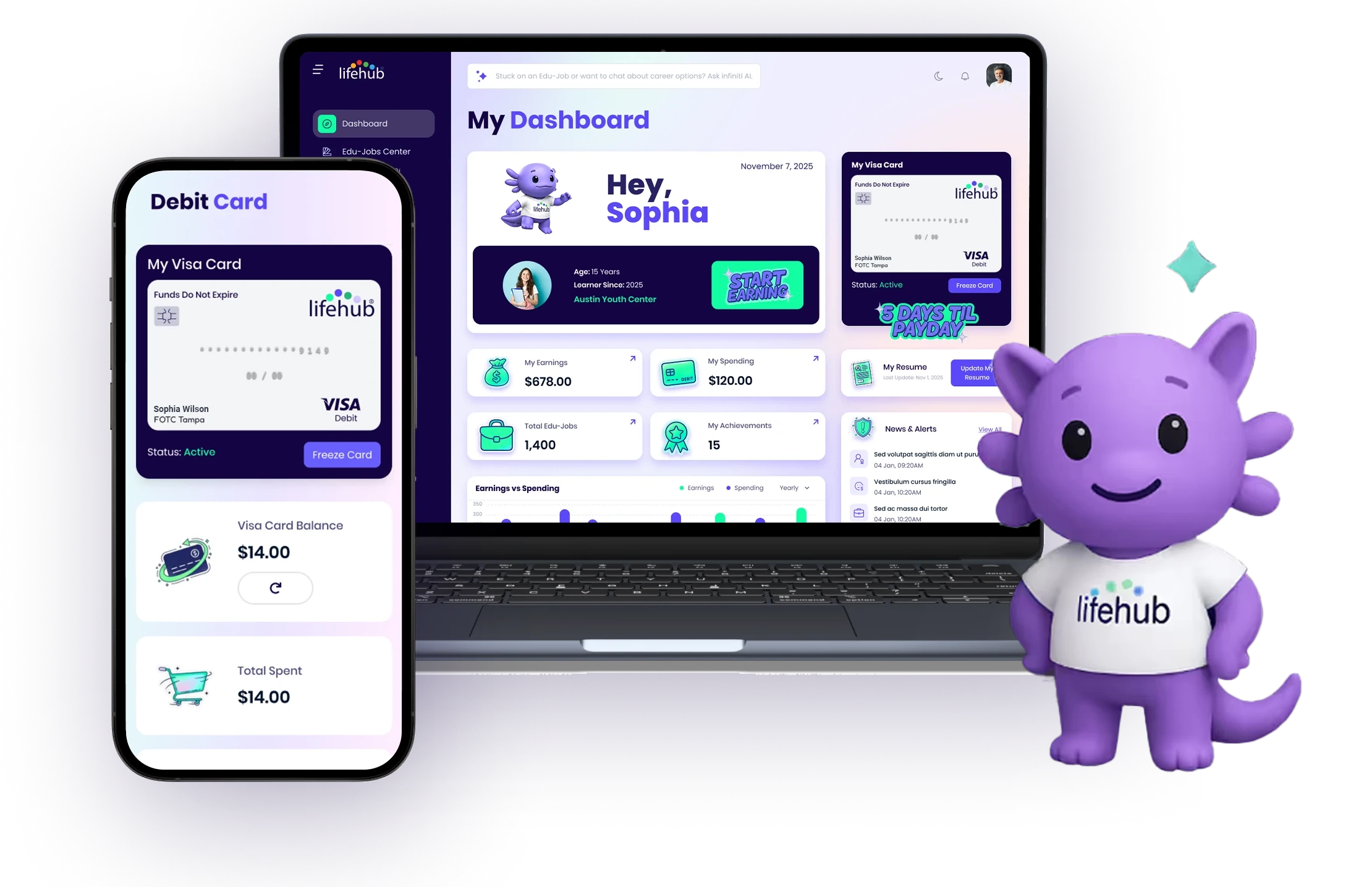
Life Hub is an innovative web and mobile app that supports a dynamic life skills curriculum for youth. Learners complete paid micro-learning tasks, or "Edu Jobs," earning real cash rewards on a Life Hub Visa debit card.
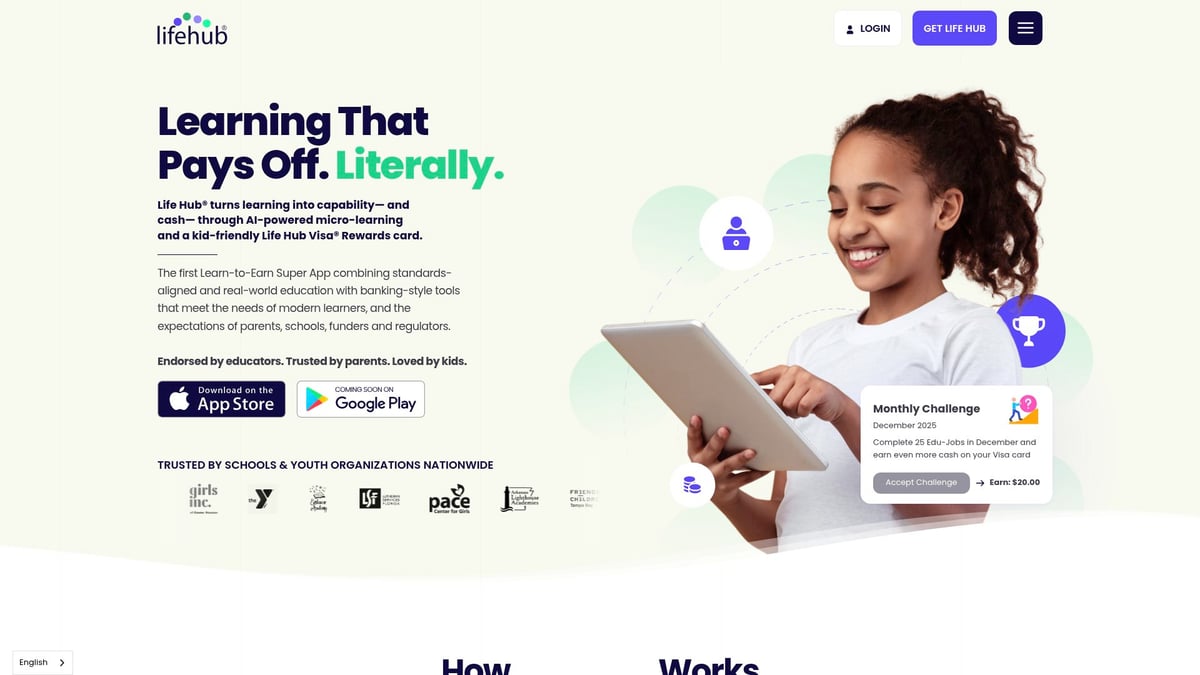
The platform covers personal finance, digital literacy, career readiness, and social-emotional learning. Gamification, analytics, and real-world projects make the experience engaging and measurable for families, schools, and organizations.
Life Hub’s unique learn-to-earn approach, recognized by education departments, shows how a life skills curriculum can connect digital learning with real-world growth.
Assessing, Tracking, and Improving Life Skills Outcomes
Assessing progress in a life skills curriculum means more than checking off tasks. It involves capturing growth in areas like communication, financial literacy, and adaptability. Effective assessment helps learners, educators, and families see real-world progress and spot gaps early.
Measuring Life Skills Acquisition
Reliable measurement tools are at the heart of any strong life skills curriculum. These tools range from performance tasks and digital quizzes to real-world projects and self-assessments. For example, some programs use scenario-based games or require learners to build a portfolio of achievements.
Assessment frameworks from organizations like UNESCO help schools align their life skills curriculum with international standards. Many countries adapt guidelines from the Global Inventory of National and Regional Qualifications Frameworks to set clear benchmarks for skills mastery. This ensures consistency and makes it easier to compare outcomes across learning environments.
Using Data to Inform Instruction
Tracking data on learner progress is essential for refining a life skills curriculum. Digital tools can provide dashboards that show which skills are developing well and where support is needed. Educators review quiz results, project rubrics, and peer feedback to guide next steps.
Some programs use simple tables or charts to compare pre and post assessments. This data-driven approach helps educators adjust their teaching methods and personalize support. Families and learners also benefit from regular updates, as they can celebrate achievements and set new goals.
Continuous Improvement and Feedback Loops
A modern life skills curriculum needs regular updates to stay relevant. Educators review feedback from learners and families, then revise lessons and resources as needed. This process may involve adopting new tools, updating content for current trends, or adding fresh activities.
The Competency Framework for Educational Planners and Managers outlines best practices for ongoing improvement in education. By involving all stakeholders in feedback loops, the life skills curriculum remains dynamic and effective. Continuous reflection keeps the curriculum in step with real-world demands.
If you’re ready to put these ideas into practice, there’s a way to help learners build real skills while earning real cash. The Life Hub app brings money skills, career readiness, and digital know-how together with hands-on micro-learning tasks called Edu Jobs. Learners can try activities that match their interests, see their progress, and even use their earnings with a Visa debit card. It’s a practical, flexible way to help young people grow their confidence and independence. Want to see how it works for your family? See Life Hub for Kids and Families


Related Content
Ready to Chat about Life Hub?
Whether you're parents, or a homeschool family, Life Hub is your partner to help you
raise super strong kids.

.svg)

.svg)


.svg)
.svg)

.svg)