Homeschooling in Arizona Guide: Your 2026 Resource for Families


Arizona is one of the most flexible and opportunity-rich states for families interested in homeschooling in arizona. With so many choices, it can feel overwhelming to figure out where to start and how to make the most of your learner’s education.
This guide is your complete 2026 resource for understanding, beginning, and thriving with homeschooling in Arizona. Inside, you’ll find clear answers about state laws, step-by-step setup, curriculum options, support networks, funding possibilities, record-keeping, and preparing your learner for college.
Discover Arizona’s unique homeschool benefits, gain confidence in your path, and follow each stage with clarity. Let’s make your homeschooling journey a success—one step at a time.
Understanding Arizona Homeschool Laws and Requirements
Navigating homeschooling in arizona starts with understanding the unique state laws. Arizona offers flexibility, but families must follow certain requirements to homeschool legally. Here’s a clear look at what you need to know.

Compulsory Attendance and Age Requirements
Arizona law requires children between ages 6 and 16 to be enrolled in school, which includes homeschooling in arizona. Homeschooling is a legal option, and about 5.4% of K-12 learners in the state follow this path.
After the pandemic, the percentage spiked to 13%. Families must provide education that fits state law, giving parents control over how and what their learner studies.
Notification and Affidavit of Intent
To begin homeschooling in arizona, parents must file an Affidavit of Intent to Homeschool within 30 days of starting. This form goes to the local county school superintendent.
No annual renewal is required unless your learner enrolls in another school or moves. You’ll need to include your child’s name, birthdate, address, and proof of birth. For a step-by-step guide on how and where to file, see the Arizona Families for Home Education - AZ Law & Affidavit.
Parent Qualifications and Teaching Requirements
Arizona does not require a minimum education level for parents who choose homeschooling in arizona. You have the freedom to customize your teaching approach.
This means you can tailor lessons to your learner’s needs, interests, and pace, without strict oversight or mandated teacher credentials.
Required Subjects and Curriculum Flexibility
State law says you must teach reading, grammar, math, social studies, and science. However, there is no mandated curriculum for homeschooling in arizona.
You can select or create a curriculum that fits your family’s values, learning style, and goals. Many parents mix resources or try different programs until they find the right fit.
Standardized Testing and Assessments
Arizona does not require standardized testing for homeschooling in arizona learners. Participation in SAT, ACT, or state assessments is optional.
Some families choose to have their learners take these tests for college preparation or personal tracking. Voluntary testing can help when applying to college or scholarships.
Step-By-Step: How to Start Homeschooling in Arizona
Starting homeschooling in arizona can feel like a big leap. It gets easier when you break it into simple steps. Here is a clear path to get you started and help your learner thrive.

Withdrawing from Public or Private School
If your learner currently attends a public or private school, begin the process by officially withdrawing. This prevents any confusion about truancy. Notify the school in writing of your intention to homeschool.
Schools may request withdrawal documentation, so keep copies of any forms or emails you submit. Some families find it helpful to request written confirmation from the school for their records.
Take this step before starting homeschooling in arizona to make the transition smooth for your learner.
Filing the Affidavit of Intent
Next, file the Affidavit of Intent to Homeschool within 30 days of starting. Collect key details including your learner’s full name, birthdate, and address.
Submit the affidavit to your local county school superintendent. You must also attach a copy of your learner’s birth certificate, or a signed explanation if one is not available. This is a one-time filing, unless your learner’s status changes.
By following this step, you meet the legal requirements for homeschooling in arizona and avoid issues with local authorities.
Choosing a Homeschool Curriculum
Selecting the right curriculum is one of the most personal choices in homeschooling in arizona. Consider your learner’s interests, learning style, and long-term goals.
Options range from online platforms, textbooks, and hands-on programs to custom blends. Arizona law allows for both secular and religious materials. If preparing for college, look for accredited programs.
For more ideas and helpful planning guides, visit Education resources and research to explore curriculum options that fit your family.
Creating a Homeschool Schedule and Learning Environment
Design a daily or weekly schedule that covers Arizona’s required subjects. Build in flexibility for breaks, field trips, or special interests.
Set up a learning area at home with good lighting, supplies, and a comfortable workspace. This can be as simple as a kitchen table or a dedicated room.
Adjust the schedule as needed to support your learner’s pace and family needs. A supportive environment helps keep learning on track.
Keeping Records and Tracking Progress
Maintaining records is important for both legal and personal reasons. Track attendance, completed coursework, and evaluations.
Useful tools include digital portfolios, apps, or printable templates. Keep these records organized and easy to access in case a district requests them or for future college applications.
Consistent record-keeping helps you see your learner’s growth and supports your journey through homeschooling in arizona.
Curriculum Choices and Educational Approaches in Arizona
Choosing the right curriculum is one of the most exciting parts of homeschooling in arizona. Families have remarkable freedom to select programs that best fit each learner’s needs, interests, and goals.

Types of Homeschool Curriculum Available
When it comes to homeschooling in arizona, families can choose from a wide range of curriculum styles. Popular options include:
- Online programs (live or self-paced)
- Textbook-based courses
- Unit studies focused on themes or topics
- Unschooling, which follows the learner’s interests
- Hybrid models that blend multiple approaches
Accredited programs, such as those recognized by Cognia, can be helpful for learners planning to attend college. Non-accredited resources are also common, especially for families seeking more flexibility. Review the table below for a quick comparison:
| Curriculum Type | Structure | Best For |
|---|---|---|
| Online | Structured | Tech-savvy learners |
| Textbook | Traditional | Visual, organized learners |
| Unit Studies | Thematic | Hands-on, curious learners |
| Unschooling | Flexible | Self-motivated learners |
| Hybrid | Mixed | Customization seekers |
Core Subjects and Arizona Requirements
State law requires that homeschooling in arizona includes instruction in reading, grammar, math, social studies, and science. You can choose the order and depth of each subject to match your learner’s pace.
Many families add electives such as:
- Visual or performing arts
- World languages
- Technology and coding
- Financial literacy
This flexibility allows you to create a well-rounded education tailored to your learner’s interests and future plans.
Customizing Learning for Different Ages and Needs
Homeschooling in arizona supports customization for every stage, from elementary through high school. Younger learners may thrive with playful, hands-on activities, while older learners often prefer project-based or independent work.
Families can adapt curriculum for special needs, gifted, or advanced learners. For example, a learner with dyslexia might use audiobooks, while a gifted learner could accelerate in math. Adjustments ensure every learner can succeed at their own pace.
Support for Diverse Learning Styles
Every learner is unique, and homeschooling gives you the freedom to match teaching methods to their preferred learning style. Some learners do best with visual aids and diagrams, while others learn through listening or hands-on activities.
Project-based learning and real-world experiences can help kinesthetic learners stay engaged. Digital tools and interactive apps are also popular for tech-loving learners. The ability to adapt keeps learning fresh and meaningful.
Extracurriculars and Enrichment Opportunities
Beyond academics, homeschooling families in arizona often participate in sports, music, STEM, and arts programs. Many join co-ops or local groups for field trips and group classes.
You can find a variety of kids and families educational opportunities throughout Arizona, including library programs, museum classes, and community workshops. These activities help learners build friendships and discover new interests.
Homeschool Support Networks, Co-ops, and Community Resources
Finding the right support network is a key part of homeschooling in arizona. Families often seek out groups, co-ops, and community resources to enrich their learner’s experience and build connections. The state offers a variety of options, both in-person and online, to help learners and parents thrive.

Homeschool Groups and Co-ops in Arizona
Homeschooling in arizona is made easier through a network of local and statewide groups. Popular organizations include Arizona Families for Home Education (AFHE) and a variety of regional co-ops. Many families also join local Facebook groups for quick advice and event updates.
These groups host field trips, group classes, and parent meetups. Activities may include science fairs, art days, or park gatherings. To find a group matched to your family’s style and location, explore Arizona homeschool support networks.
Online Communities and Forums
For virtual support, many families rely on online forums dedicated to homeschooling in arizona. These spaces are ideal for sharing curriculum tips, troubleshooting, and encouragement.
Popular Arizona-specific forums connect parents with similar goals. National platforms, such as The Well-Trained Mind, also offer valuable advice. Online communities give families flexibility to learn and connect from anywhere.
Accessing Public Resources
Public resources are a vital part of homeschooling in arizona. Libraries offer free books, study spaces, and often host workshops. Museums and parks provide hands-on learning and enrichment.
Some school districts may allow homeschoolers to join extracurricular activities or special programs. Community centers can also offer classes in art, languages, or STEM. These resources support both academics and social growth.
Socialization and Peer Interaction
Many new to homeschooling in arizona worry about socialization. In reality, learners have plenty of chances to meet peers. Group classes, clubs, and sports teams are open to homeschoolers in most communities.
Co-ops and support networks organize regular meetups and group projects. These opportunities foster friendships and teamwork, helping learners feel connected.
Workshops, Conferences, and Events
Arizona hosts annual homeschool conventions and resource fairs. These events let families explore new curricula, attend workshops, and meet other homeschoolers.
Parent education sessions and student competitions are also common. Workshops cover topics like teaching strategies or college prep, while events help both parents and learners stay inspired.
Homeschool Funding and Financial Aid in Arizona
Navigating funding options is a key part of homeschooling in arizona. Arizona is unique because it offers direct financial support for homeschoolers, making personalized education more accessible.
Empowerment Scholarship Accounts (ESA) Program
Arizona’s Empowerment Scholarship Accounts (ESA) program provides funding directly to families who choose homeschooling in arizona. ESA funds can be spent on curriculum, online courses, tutoring, testing, and educational supplies. The application is open to all K-12 learners not enrolled in public or charter schools.
You can find eligibility details and how to apply at the Arizona Department of Education's ESA Program page. Many families use ESA funds to access programs like Time4Learning, specialized tutoring, or hands-on science kits. ESA helps make homeschooling in arizona more flexible and affordable for a wide range of learners.
Eligible Expenses and ClassWallet
ESA funds are managed through ClassWallet, a secure platform where you track spending and submit receipts. Approved expenses include:
- Textbooks and curriculum materials
- Online courses and educational software
- Tutoring and therapy services
- School supplies and technology
For a full list of what qualifies, check out these ESA program details for Arizona. With ClassWallet, you can easily monitor your budget and make sure every dollar supports your learner’s needs.
Additional Scholarships and Grants
Homeschooling in arizona families can also look for extra support through scholarships and grants. The Arizona Board of Regents offers scholarships that are open to homeschoolers who meet eligibility criteria. Some local organizations and national groups provide grants for educational enrichment, such as STEM camps or arts programs.
Make a list of deadlines and required documents for each scholarship. Exploring these options can help you expand learning opportunities without stretching your budget.
Budgeting for Homeschooling
Setting a realistic budget is essential for homeschooling in arizona. Typical annual costs include curriculum, materials, field trips, and enrichment activities. To save:
- Buy used or digital curriculum
- Use free library and community resources
- Trade materials with other families
- Take advantage of local museum days
Here’s a simple table to help you estimate yearly expenses:
| Item | Estimated Cost |
|---|---|
| Curriculum | $300–$700 |
| Supplies | $100–$200 |
| Activities | $150–$400 |
| Testing/Extras | $50–$200 |
Careful planning can help you provide a rich, diverse education while staying within your means.
Record-Keeping, Transcripts, and College Preparation
Homeschooling in arizona gives families the freedom to design a unique educational path, but it also brings the responsibility of solid documentation. Good records support learners' daily growth and become vital when applying for college or jobs.
Maintaining Homeschool Records
Keeping organized records is essential for homeschooling in arizona. Track attendance, coursework, grades, and progress for each learner.
Popular systems include:
- Digital portfolios (Google Drive, OneNote)
- Binder-based systems with printed worksheets and logs
- Apps for tracking grades and assignments
Consistent records help if you need to show proof of education or plan for college. They also make it easier to review progress and set goals.
Creating High School Transcripts and Diplomas
Parents in arizona can issue diplomas and transcripts for homeschool graduates. A transcript should list each course, credits earned, grades, and special achievements.
Include details such as standardized test scores, extracurricular activities, and volunteer work. Templates are available online or through homeschool support groups. This documentation is often requested by colleges, trade schools, and employers.
College Admissions for Arizona Homeschoolers
Colleges in arizona welcome learners who complete homeschooling in arizona. Admissions teams look for transcripts, portfolios, SAT or ACT scores, and letters of recommendation.
Start preparing early by documenting unique projects, advanced coursework, and extracurriculars. Some scholarships are available specifically for homeschoolers, so research opportunities before the application season.
Career and Vocational Pathways
Homeschooling in arizona opens doors to many post-high school paths. Learners can try dual enrollment at community colleges, apprenticeships, or internships.
Vocational programs and real-world experiences, like volunteer work, strengthen applications and build practical skills. These options help learners discover interests and prepare for future careers.
Voluntary Standardized Testing
While arizona does not require homeschoolers to take standardized tests, many families choose the SAT or ACT. These tests can help with college admissions and scholarships.
Register as a homeschooler at local testing centers. Practice tests and study guides are widely available to help learners prepare and gain confidence.
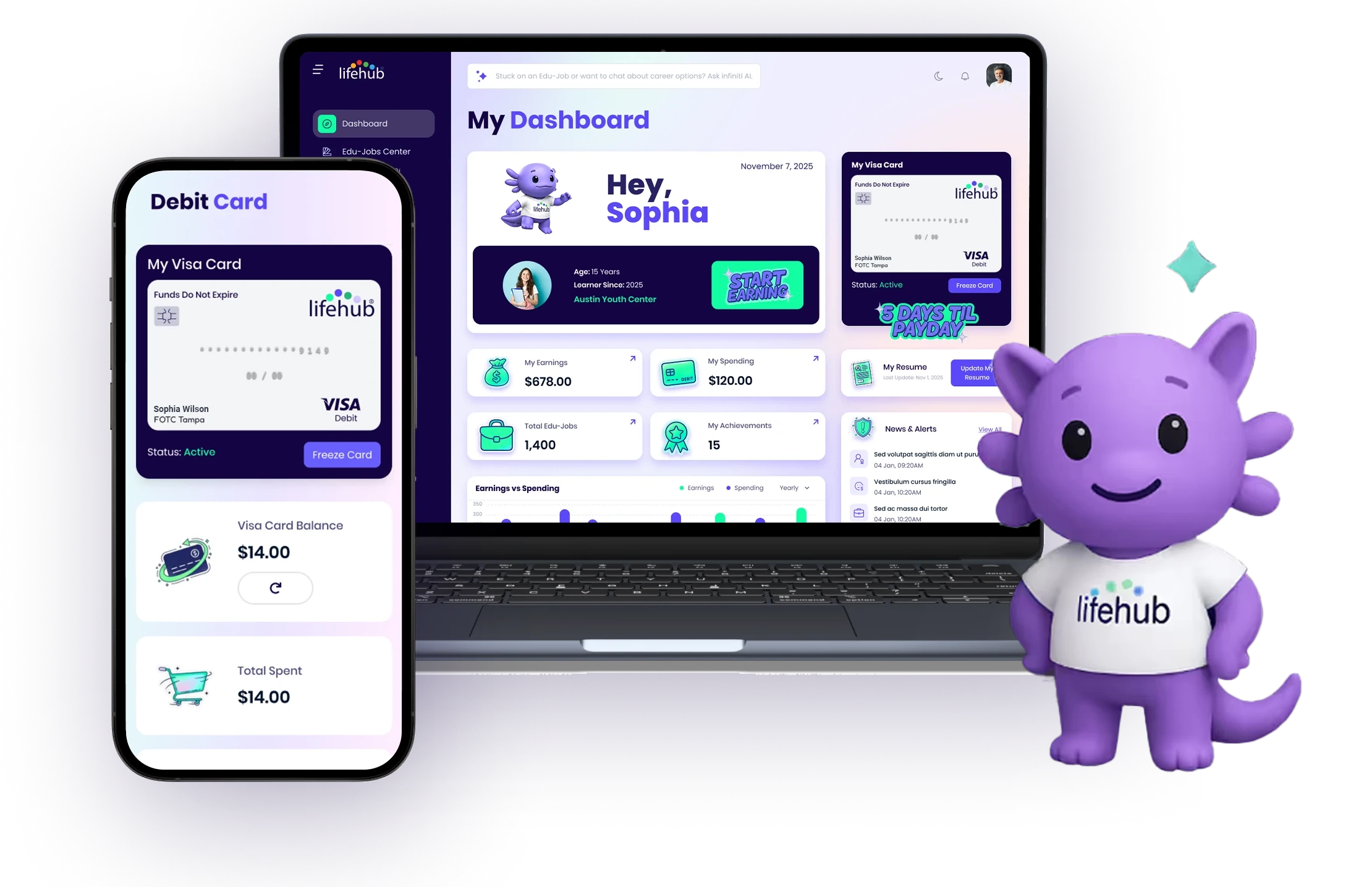
After reading about Arizona’s flexible homeschool laws and all the ways you can customize learning at home, you may wonder how to keep your learner engaged and help them build real world skills. Life Hub makes it easier. Your child can earn cash while learning key subjects like math, reading, digital skills, and personal finance. Each paid Edu Job gives learners a chance to try new things, build confidence, and see their effort rewarded. If you want a practical way to boost motivation and track progress, take a closer look at Explore Life Hub for Homeschool Families.


Related Content
Ready to Chat about Life Hub?
Whether you're parents, or a homeschool family, Life Hub is your partner to help you
raise super strong kids.

.svg)

.svg)


.svg)
.svg)

.svg)