10 Best Homeschool Curriculums for Every Learning Style in 2026


Overwhelmed by the sheer number of homeschool curriculums in 2026? You are not alone. With new options appearing each year, finding the right fit for your learner can feel daunting.
This guide simplifies your search by highlighting the 10 best homeschool curriculums for every learning style. You will find clear breakdowns of features, pricing, benefits, and who each program suits best.
Explore the pros and cons of each option, so you can make a confident, informed choice for your family. Let’s cut through the confusion and help your learner thrive.
Understanding Learning Styles in Homeschooling
Choosing among homeschool curriculums can feel daunting. One way to simplify the process is to understand your child’s learning style. Each learner has unique preferences that shape how they absorb and remember information. Matching curriculum to these preferences can make a big difference in both engagement and results.
What Are Learning Styles?
Learning styles describe how a learner best takes in and processes information. The most common types are visual, auditory, kinesthetic, and reading/writing.
- Visual learners prefer images, diagrams, and color coding.
- Auditory learners grasp new ideas by listening to explanations or discussing concepts.
- Kinesthetic learners need hands-on activities, movement, or physical experiences.
- Reading/writing learners thrive on written instructions and notes.
When homeschool curriculums align with a child’s preferred learning style, lessons feel more natural. For example, a kinesthetic learner might struggle with lectures but excel when building, drawing, or acting out lessons. Understanding these styles is the first step to creating a supportive environment.
Why Learning Styles Matter for Curriculum Choice
Personalizing homeschool curriculums to match a learner’s style can boost both motivation and retention. Research shows learners using tailored programs may see up to 30% higher retention rates compared to those using a one-size-fits-all approach.
Consider a kinesthetic learner who once dreaded reading. When switched to a hands-on, activity-based program, they became excited to participate, leading to steady progress. This real-world example shows how the right curriculum can unlock a learner’s potential and transform the learning experience.
Homeschool curriculums that honor learning preferences help learners feel seen and valued. This sense of belonging can lead to increased confidence and a lifelong love of learning.
Key Criteria for Evaluating Homeschool Curriculums
When comparing homeschool curriculums, look for these essential criteria:
- Accreditation and standards alignment: Ensure the program meets state or national guidelines.
- Flexibility: Can the curriculum adjust for different ages, grade levels, or learning speeds?
- Parent support: Are there lesson plans, teacher guides, or online resources?
- Digital tools and interactive content: Some learners benefit from apps, videos, or virtual labs.
- Affordability: Consider both upfront and long-term costs.
- Community and customer support: Access to other families or expert help can be invaluable.
- Adaptability: Does the curriculum support special needs or neurodiverse learners?
To dig deeper, explore Resources and Research for Homeschoolers for studies, reviews, and practical tools to help you make the best choice.
A careful evaluation helps ensure your chosen curriculum aligns with your family’s goals and your child’s unique way of learning.
10 Best Homeschool Curriculums for Every Learning Style in 2026
Choosing from the many homeschool curriculums can feel daunting, but understanding your options makes the process easier. Here are the top 10 homeschool curriculums for 2026, each designed to support different learning styles and family needs.
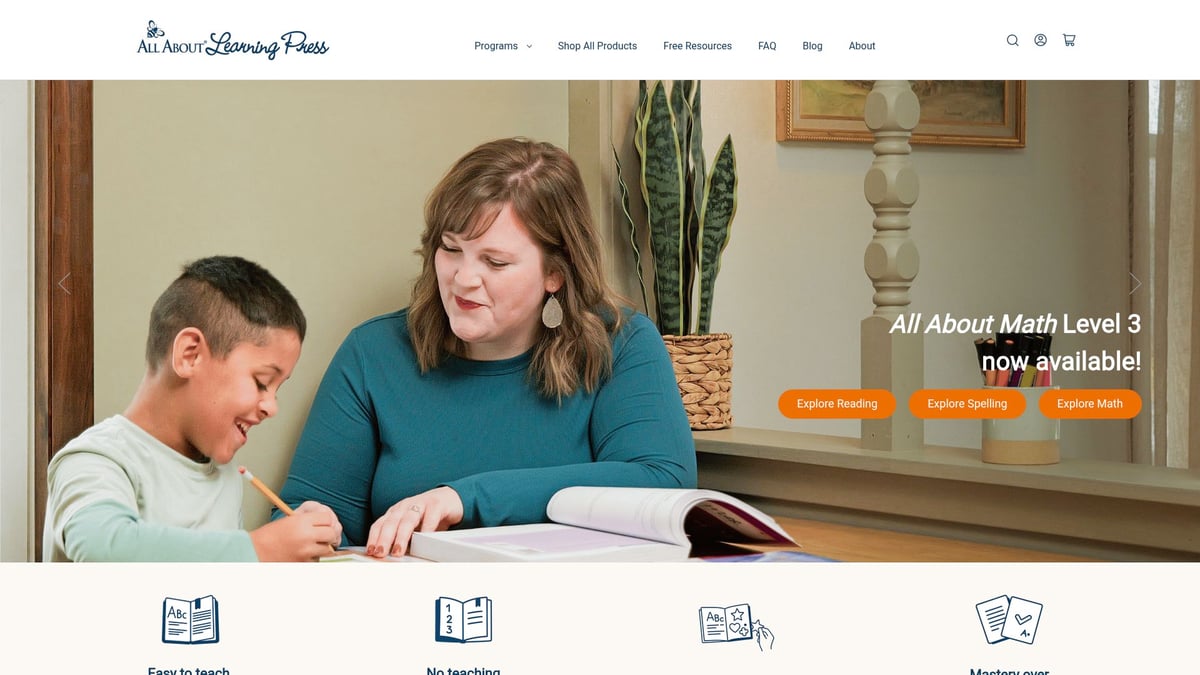
All About Reading
All About Reading stands out among homeschool curriculums for its multisensory approach. It uses hands-on activities, colorful cards, and phonics to help learners grasp reading skills.
Pricing: $134.95 to $199.95 per level
Features:
- Multisensory, open-and-go lessons
- Phonics-based instruction
- Hands-on manipulatives
Benefits: Helps struggling readers and supports diverse learning styles.
Target Audience: Pre-K to Grade 4, visual and kinesthetic learners.
Pros:
- Immediate progress
- Minimal prep
- Engaging materials
Cons:
- Higher upfront cost
- Needs physical components
This homeschool curriculums option is ideal for young readers needing extra support.
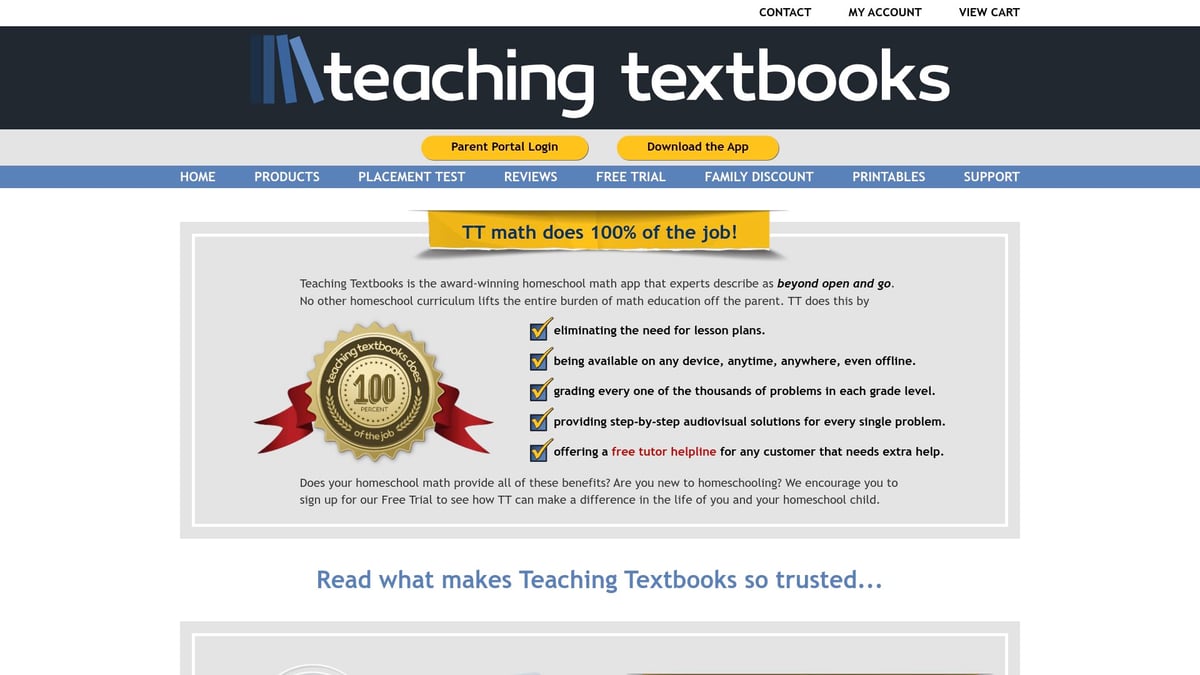
Teaching Textbooks
Teaching Textbooks is a digital math program recognized in many homeschool curriculums. It uses interactive lessons and automatic grading, letting learners work at their own pace.
Pricing: $43.08 to $67.08 per level (digital)
Features:
- Self-paced, interactive math
- Automatic feedback
- Accessible on various devices
Benefits: Builds confidence in math, reduces parent workload.
Target Audience: Grades 3 to 12, independent and visual learners.
Pros:
- Automated grading
- Flexible access
Cons:
- Less hands-on for kinesthetic learners
- Limited advanced topics
A solid choice if your homeschool curriculums focus on self-directed math learning.
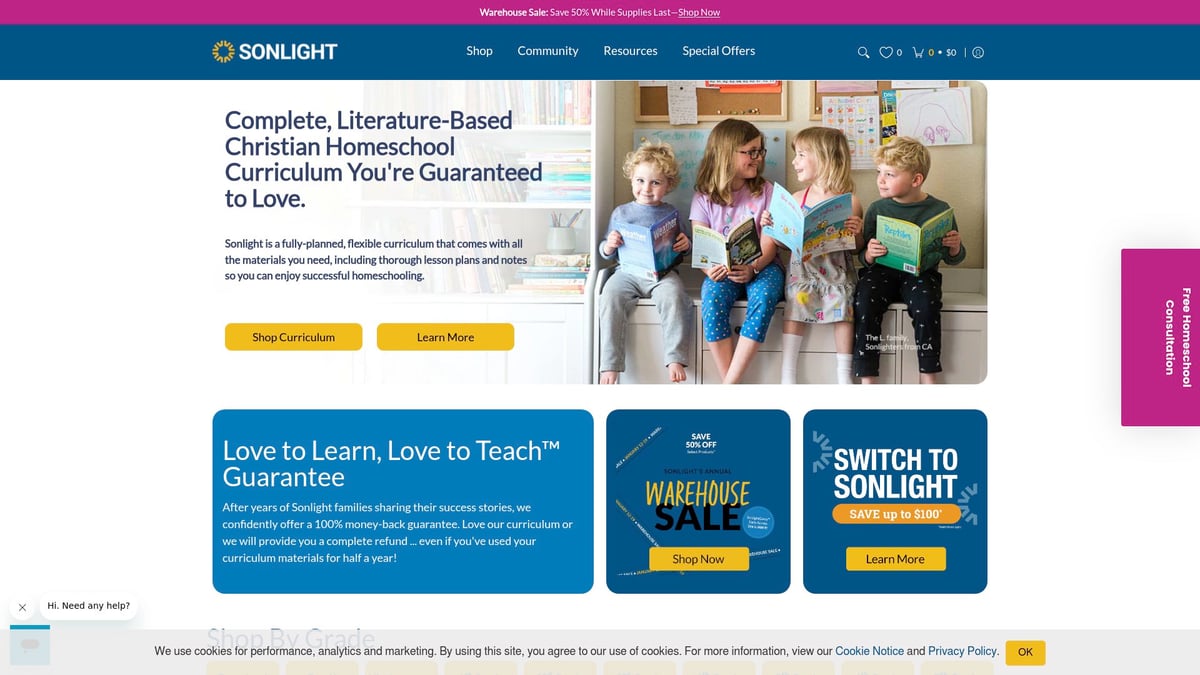
Sonlight
Sonlight is a literature-rich, faith-based curriculum included in many homeschool curriculums. It centers on reading aloud and family discussions.
Pricing: $329 to $999+ per package
Features:
- Extensive book lists
- Faith-based content
- All-in-one structure
Benefits: Fosters critical thinking and family bonding.
Target Audience: All grades, reading/writing and auditory learners.
Pros:
- Comprehensive
- Adaptable for multiple ages
- Strong community
Cons:
- Higher cost
- Time-intensive for parents
For families seeking deep literature and discussion, this homeschool curriculums option excels.
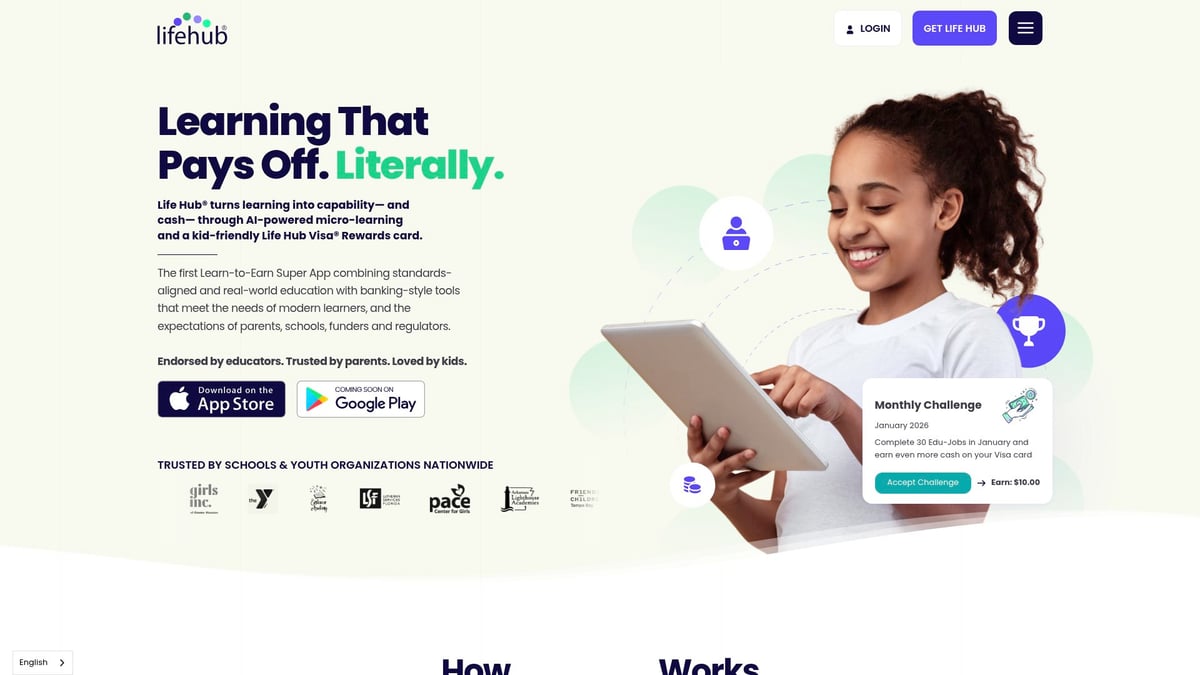
Life Hub
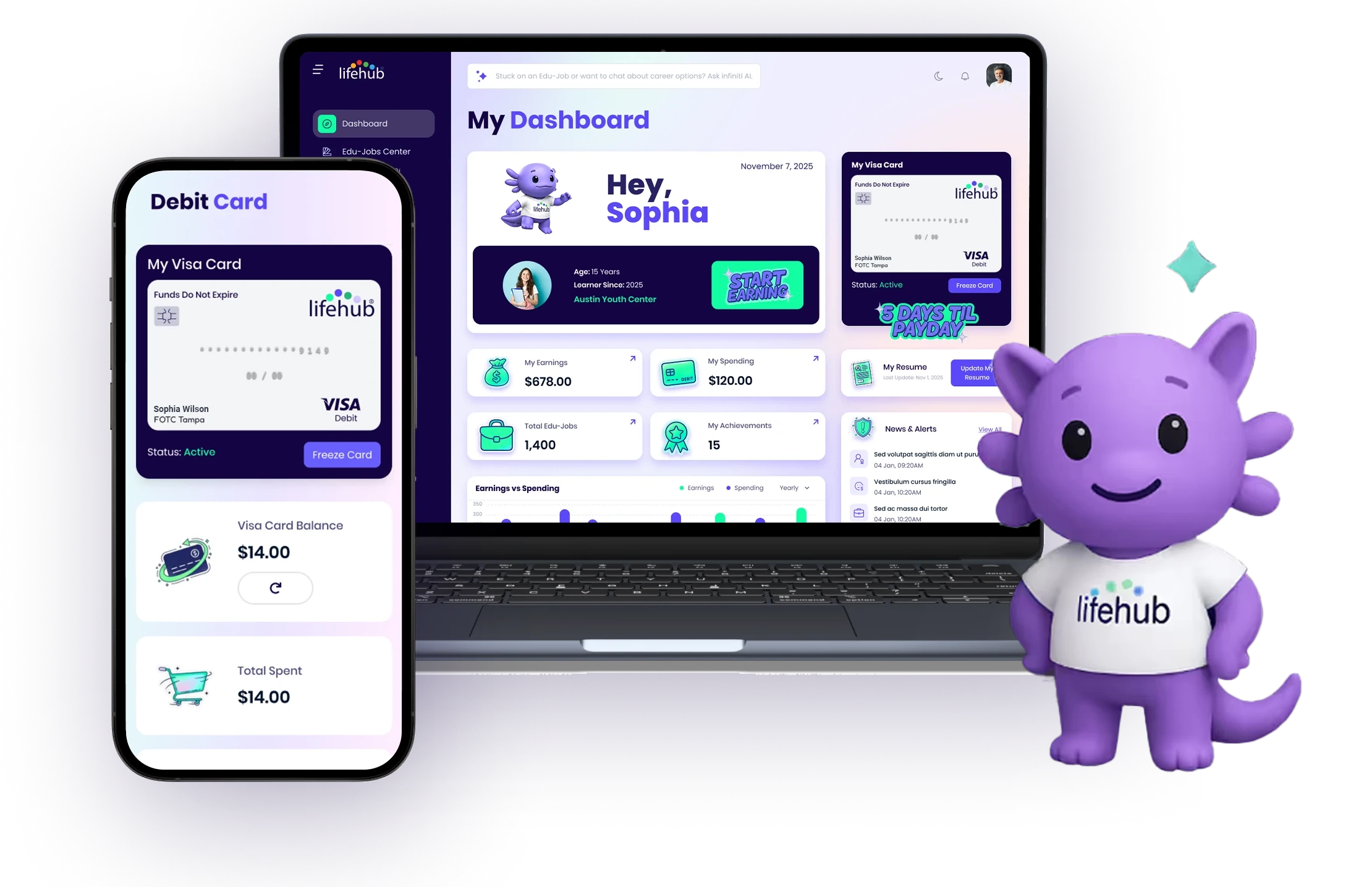
Life Hub brings innovation to homeschool curriculums with its AI-powered micro-learning and real-world rewards. Learners earn cash for completing curriculum-aligned tasks and courses.
Pricing: $1–$5 per micro-task, $15–$125 per course
Features:
- AI-powered, curriculum-aligned Edu Jobs
- Real cash rewards
- Financial literacy and life skills
Benefits: Motivates learning through practical rewards, covers academics and career skills.
Target Audience: K–12, kinesthetic, digital, and real-world learners.
Pros:
- Learn-to-earn model
- Broad subject coverage
- Impact analytics for parents
Cons:
- Requires device access
- May need parental setup for young learners
Studies show that financial rewards in education can increase motivation, making Life Hub a unique addition to homeschool curriculums.
The Good and the Beautiful
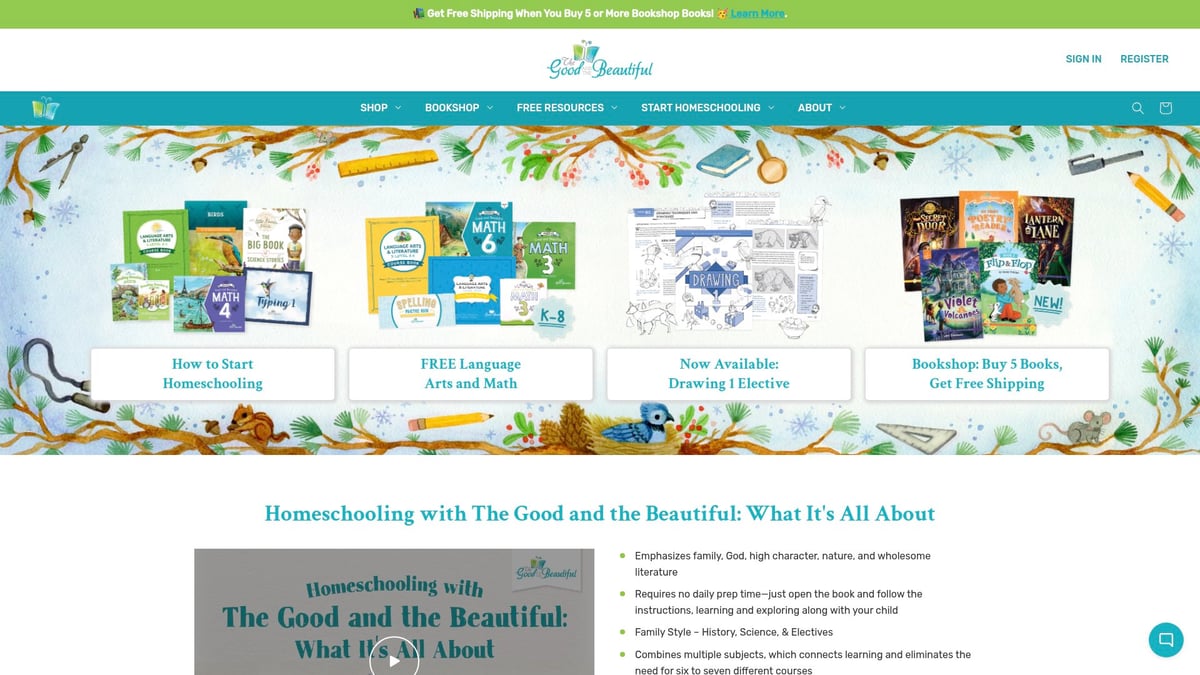
The Good and the Beautiful is known among homeschool curriculums for its open-and-go lessons, faith-based content, and visual appeal. Lessons often blend art, nature, and academics.
Pricing: Free digital, $58–$139 per printed set
Features:
- Faith-based, visually engaging
- Art and nature integration
- Open-and-go structure
Benefits: Fits various learning styles, especially visual and hands-on.
Target Audience: Pre-K–8, families wanting holistic academics.
Pros:
- Affordable/free
- High-quality materials
- Easy for parents
Cons:
- Religious focus may not suit all
- Limited high school content
A gentle, adaptable homeschool curriculums choice for younger learners.
Saxon Math
Saxon Math is a staple in many homeschool curriculums, using an incremental, spiral approach to build mastery. Learners review concepts regularly for lasting understanding.
Pricing: $75–$150 per set
Features:
- Incremental, spiral learning
- Strong repetition
- Comprehensive coverage
Benefits: Reinforces concepts through continual review.
Target Audience: K–12, sequential and analytical learners.
Pros:
- Thorough
- Proven results
- Strong math foundation
Cons:
- Can feel repetitive
- Limited creativity
If your homeschool curriculums need structure and consistency, Saxon Math is reliable.
Apologia Science
Apologia Science stands out in homeschool curriculums for its hands-on experiments and conversational tone. It presents science from a Christian worldview.
Pricing: $49–$120 per course
Features:
- Hands-on experiments
- Conversational text
- Faith-based approach
Benefits: Encourages exploration and curiosity, suits many ages.
Target Audience: K–12, science-oriented, auditory and kinesthetic learners.
Pros:
- Family-friendly
- Strong experiment component
- Adaptable
Cons:
- Faith-based content
- May need parent-led activities
For families wanting hands-on science in their homeschool curriculums, Apologia is a top pick.
Institute for Excellence in Writing (IEW)
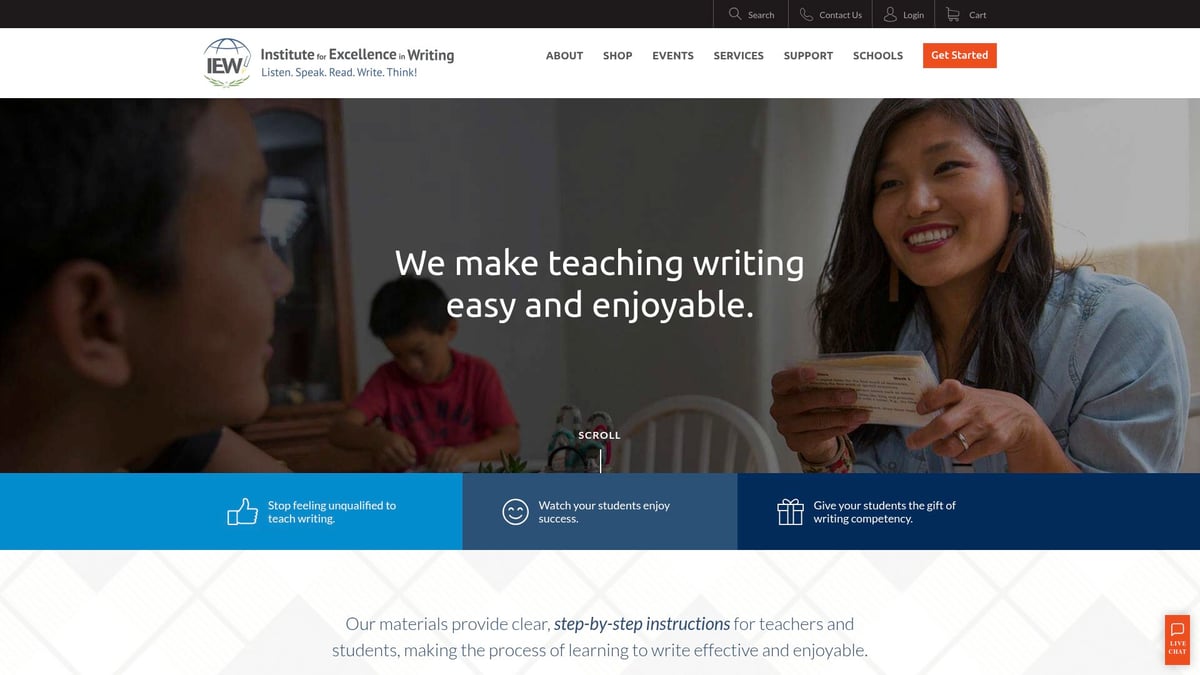
IEW is widely respected among homeschool curriculums for its structured, step-by-step writing instruction. It uses modeling and video lessons to build writing skills.
Pricing: $29–$197+ per program
Features:
- Step-by-step writing
- Modeling and video lessons
- Adaptable for all levels
Benefits: Boosts writing confidence and supports reluctant writers.
Target Audience: Grades 2–12, writing-focused, auditory and visual learners.
Pros:
- Structured approach
- Adaptable
- Proven results
Cons:
- Initial learning curve
- Some programs are pricey
IEW is a great choice for building writing skills in homeschool curriculums.
Handwriting Without Tears
Handwriting Without Tears is a favorite in homeschool curriculums for its simple, multisensory approach. It supports fine motor development with easy-to-follow workbooks.
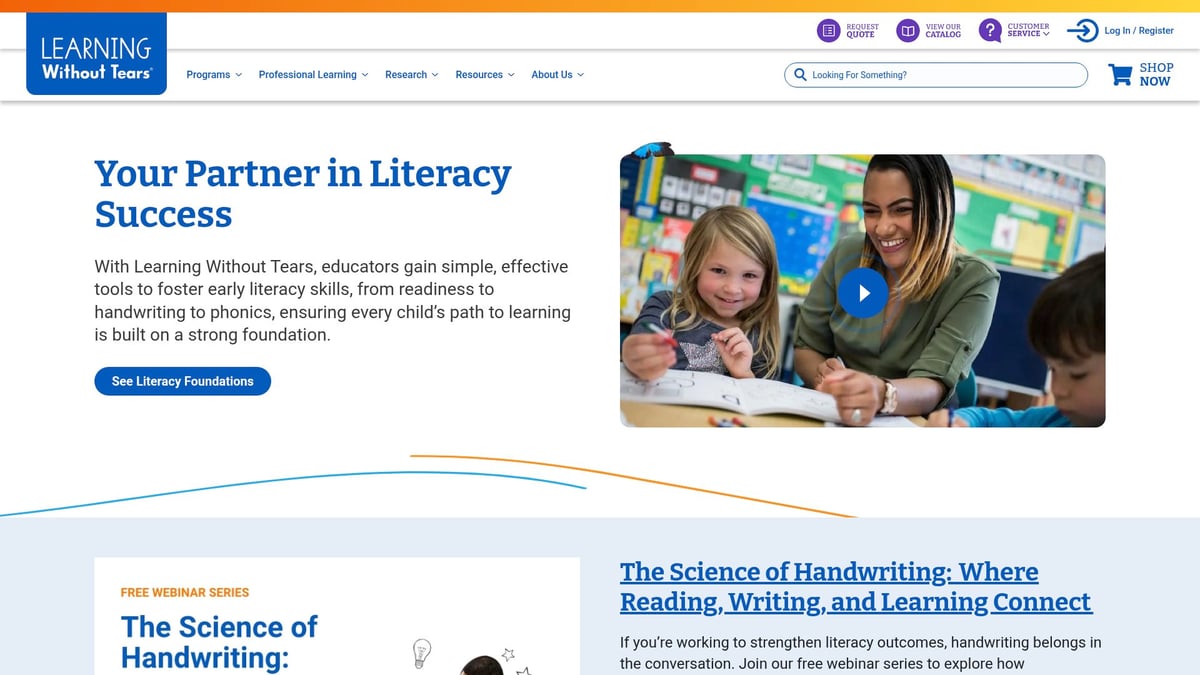
Pricing: $12–$20 per workbook
Features:
- Multisensory instruction
- Simple, clear workbooks
- Left-handed adaptations
Benefits: Reduces frustration, effective for all abilities.
Target Audience: Pre-K–Grade 5, kinesthetic and visual learners.
Pros:
- Easy to use
- Adaptable
- Supports fine motor skills
Cons:
- Limited to handwriting
- Not a full language arts program
Ideal for early learners in homeschool curriculums needing handwriting support.
Wordly Wise 3000
Wordly Wise 3000 is a vocabulary curriculum found in many homeschool curriculums. It offers both print and online options for flexible learning.
Pricing: $13–$30 per level
Features:
- Vocabulary development
- Reading comprehension
- Self-paced lessons
Benefits: Builds vocabulary for all subjects, quick daily lessons.
Target Audience: Grades 2–12, reading/writing and auditory learners.
Pros:
- Flexible format
- Strong test prep
- Short lessons
Cons:
- Can feel repetitive
- Not a complete language arts curriculum
Wordly Wise 3000 rounds out our list of homeschool curriculums, helping learners expand their vocabulary.
How to Choose the Right Homeschool Curriculum for Your Family
Choosing among homeschool curriculums may feel overwhelming, but a thoughtful approach can bring clarity. Start by matching your child’s needs to the right resources, consider your budget, and explore ways to blend programs for a custom fit.
Assessing Your Child’s Needs and Preferences
Understanding your child’s learning style is the first step in choosing from the many homeschool curriculums. Observe how your learner engages with information—do they prefer reading, listening, hands-on activities, or visuals? Use online quizzes or simply watch what excites or frustrates them.
Consider strengths, areas needing support, and any specific challenges. Does your learner thrive with structure or need flexibility? For children with unique needs, look for programs offering accommodations. Involve your child in the process, giving them some agency in their education. For more insights, you might explore Parent Perspectives: Curriculum and Homeschooling Approaches to see how other families navigate these choices.
Budgeting and Planning for Curriculum
Homeschool curriculums vary widely in price. Compare upfront costs to ongoing fees. Some offer free trials or discounted bundles, which can help you test before committing.
Factor in extra materials like manipulatives, science kits, or technology. Make a simple table to compare costs:
| Curriculum | Upfront Cost | Ongoing Fees | Extras Needed |
|---|---|---|---|
| Program A | $150 | $0 | Manipulatives |
| Program B | $40/month | Yes | Laptop |
Prioritize value over price. Sometimes a higher-cost curriculum with robust support or multi-year use is a better investment than a cheaper, less flexible option.
Blending and Customizing Curriculums
Many families realize that no single program fits every need. Mixing homeschool curriculums allows you to tailor learning for your child. For example, you might use a digital math program, a literature-rich reading plan, and a hands-on science kit.
Tips for successful blending:
- Combine digital and print resources for variety.
- Alternate between structured lessons and open-ended projects.
- Adjust as your learner grows and interests change.
Tracking progress is key. Use checklists or simple tracking sheets to monitor what works. Connect with other families to share tips and reviews. Homeschool communities can offer advice, support, and feedback—explore Homeschool Networks and Communities to find groups that match your approach.
Customizing homeschool curriculums is about flexibility. You can adapt your plan as your child’s needs evolve, creating a rich, responsive learning journey.
FAQs About Homeschool Curriculums in 2026
Choosing among homeschool curriculums can bring up many questions. Here are answers to the most common ones for 2026.
Are online curriculums as effective as traditional ones?
Many online homeschool curriculums now match or even surpass traditional methods for engagement and results. According to recent homeschooling statistics, digital tools can support strong learning outcomes for many learners.
How often should I reassess my chosen curriculum?
It is best to review your curriculum at least once a year. Adjust sooner if your learner's needs or interests change.
What support is available for parents new to homeschooling?
Most homeschool curriculums include guides, lesson plans, and online communities. Many local groups and national organizations offer extra help and resources.
Where can I find accredited homeschool programs?
Check with state education websites and reputable curriculum providers. Accreditation details are often listed directly on program sites.
How do I ensure my child meets state requirements?
Stay updated with your state's homeschool laws. Keep records, follow required subjects, and use progress tracking tools from your chosen curriculum.
Finding the right homeschool curriculum can feel overwhelming, especially when every learner has their own style and interests. If you’re looking for something practical that connects learning to real life, you might like the idea of earning while learning with hands on micro tasks. Life Hub offers a flexible way to build money skills, career readiness, academic strengths, and digital know how through paid Edu Jobs—each aligned to a range of subjects and learning styles. If you want a blend of practical skills and traditional curriculum, you can Explore Life Hub for Homeschool Families to see how it might fit your family’s journey.


Related Content
Ready to Chat about Life Hub?
Whether you're parents, or a homeschool family, Life Hub is your partner to help you
raise super strong kids.

.svg)

.svg)


.svg)
.svg)

.svg)