Homeschool Curriculum Comparison Guide for 2026 Families



Are you feeling lost in a sea of new homeschool curriculum options for 2026? The market has reached $3.24 billion, and families are seeing more choices than ever. It is easy to feel overwhelmed.
This homeschool curriculum comparison guide is here to help you cut through the noise. You will learn about major curriculum types, see how top philosophies stack up, and get a simple step-by-step process for choosing what fits your learner best.
By the end, you will have the clarity and confidence to plan your homeschool year with ease.
The Homeschool Curriculum Landscape in 2026
The homeschool curriculum comparison landscape is changing fast. Families now see more options than ever before, with new programs and teaching styles emerging each year.

The Booming Homeschool Market
Homeschooling is not just a trend, it is a growing movement. In 2024, the homeschool curriculum comparison market reached $3.24 billion. Experts predict even higher numbers by 2032. This growth is fueled by families seeking personalized, flexible education after the pandemic.
More learners now use digital-first programs, hybrid models, and micro-schooling options. These choices offer new ways to learn at home and beyond. According to the Homeschool Curriculum Market Research Report 2033, innovation is at an all-time high, with more resources for every learning style.
Key Trends Shaping Curriculum Choices
Several trends now shape homeschool curriculum comparison decisions:
- Focus on learner agency, independence, and real-world skills.
- Widespread use of technology, including online platforms and AI tools.
- Project-based, interdisciplinary, and interest-led learning models.
- Portfolio-based assessment gaining ground over traditional grades.
- More enrichment options in STEM, arts, and life skills.
| Trend | Impact on Curriculum |
|---|---|
| Technology integration | More engaging lessons |
| Agency and independence | Learner-centered choices |
| Project-based learning | Deeper understanding |
| Portfolio assessment | Ongoing growth focus |
The Challenge for Parents
With so many options, homeschool curriculum comparison can feel overwhelming. Parents balance structure and flexibility while meeting state rules and their child’s needs.
Common challenges include:
- Sorting through dozens of curriculum types.
- Deciding between traditional and progressive philosophies.
- Finding resources that build both academic and practical skills.
For example, some families compare classical, Charlotte Mason, Montessori, and online programs just for history. Each offers a unique approach and level of structure.
Data & Insights
Homeschoolers often outperform their public school peers by 15 to 30 percentile points on standardized tests. Experts link this to the flexibility found in homeschool curriculum comparison and the chance to tailor learning.
In 2026, more families use AI and digital platforms to personalize lessons. There is rising demand for programs that blend academic content with life skills, helping learners prepare for the future.
Comparing Major Homeschool Curriculum Philosophies
Choosing the right approach is at the heart of any homeschool curriculum comparison. Each educational philosophy shapes how a learner engages, explores, and grows. Understanding their core ideas can make your homeschool curriculum comparison less daunting and more empowering.

Classical Education
Classical education builds a solid academic base using the Trivium: Grammar, Logic, and Rhetoric stages. This approach values language, logic, and structured learning.
You’ll see lots of reading, memorization, and recitation. Learners might memorize Roman history dates, read The Aeneid, or recite timelines.
Strengths include critical thinking and strong foundations. However, it can be less flexible and limit student choice. In any homeschool curriculum comparison, some families find it too focused on memorization.
Charlotte Mason
Charlotte Mason’s method centers on “living books,” nature study, and forming good habits. Parents guide narration and observation, helping learners connect personally with material.
This style encourages creativity and a love for learning. For example, a learner might read historical fiction, keep a nature journal, or study famous art.
It requires more parent planning and offers less structure. Still, in a homeschool curriculum comparison, many value its nurturing atmosphere.
Montessori
Montessori embraces child-led, hands-on discovery. Learners choose activities in a prepared environment, with parents as guides.
You’ll see independence, practical skills, and self-motivation grow. Examples include building models, using timeline cards, or preparing Roman snacks.
The method needs investment in materials and works best for self-directed learners. In a homeschool curriculum comparison, Montessori appeals to those seeking learner agency.
Unit Studies
Unit studies create interdisciplinary learning by blending subjects around a single theme. Families might study ancient Rome using mosaics, aqueduct models, and Roman numerals.
This approach is flexible and works for mixed ages. However, it demands significant planning and may not cover every subject deeply.
Unit studies stand out in homeschool curriculum comparison for their adaptability and engagement.
Online & Digital-First Platforms
Online and digital-first platforms deliver structured lessons using technology. Learners can access interactive courses, coding games, and digital presentations.
These options offer flexibility and a wide course selection. Parents benefit from automated grading and built-in portfolio tools.
Screen time and less project-based work can be drawbacks. Still, in a homeschool curriculum comparison, digital options are popular for busy families.
Eclectic & Interest-Led Learning
Eclectic and interest-led learning lets families blend resources and adapt to changing interests. Parents pick a “spine” for core subjects, then add projects or quests.
For instance, you might combine Singapore Math with creative writing or coding. This approach is flexible and maximizes learner agency.
Planning can be overwhelming and requires ongoing engagement. Many see it as the most customizable choice in any homeschool curriculum comparison.
Data & Insights
Blending philosophies is a 2026 trend, creating personalized learning journeys. Eclectic and interest-led methods are fueling market growth, expected to reach USD 4.5 billion by 2032.
To help with your homeschool curriculum comparison, editable free curriculum comparison charts can make side-by-side evaluation easier.
| Philosophy | Structure | Strengths | Limitations | Example Activity |
|---|---|---|---|---|
| Classical | Structured | Critical thinking | Less flexible | Memorize history dates |
| Charlotte Mason | Flexible | Creativity, habits | Parent planning needed | Nature journaling |
| Montessori | Child-led | Independence | Material setup required | Building models |
| Unit Studies | Thematic | Multi-age, engaging | Planning intensive | Mosaic art, aqueduct models |
| Online/Digital | Tech-based | Flexible, automated | Screen time concerns | Digital presentations |
| Eclectic | Custom blend | Adaptable, agency | Ongoing planning | Combine math with coding |
Step-by-Step Guide: How to Choose the Right Homeschool Curriculum
Choosing the best fit from the many options can feel daunting. This step-by-step homeschool curriculum comparison will help you break the process into manageable pieces. By following each step, you will build confidence and clarity for your 2026 planning.

1. Clarify Your Family’s Goals and Values
Start your homeschool curriculum comparison by listing what matters most to your family. Do you value independence, faith, academic rigor, or creativity? Is your learner drawn to hands-on projects or classic literature?
For example, families who want more independence may lean toward Montessori, while creative learners might thrive with Charlotte Mason. Setting priorities early will guide every other step.
2. Assess Your Teaching Style and Available Time
Reflect on your own teaching style and daily schedule. Some curricula are “open and go,” with ready-made lessons that require less planning. Others, like unit studies or Charlotte Mason, need more parent involvement.
Busy parents often prefer digital-first programs. If you have time to plan, you might enjoy crafting custom lessons. Honest self-assessment helps narrow your homeschool curriculum comparison choices.
3. Research State Requirements and Legal Compliance
Before you fall in love with a program, check your state’s homeschool laws. Some states require portfolios, others mandate testing. Use resources like Homeschool networks and resources to connect with local families and stay informed about compliance and support.
Knowing the legal basics upfront prevents surprises later in your homeschool curriculum comparison.
4. Compare Curriculum Philosophies and Formats
Review the main approaches: classical, Charlotte Mason, Montessori, unit studies, online, or eclectic. Each has strengths and trade-offs.
For a quick overview, see this sample comparison:
| Philosophy | Structure | Flexibility |
|---|---|---|
| Classical | Rigid | Low |
| Montessori | Child-led | High |
| Online | Mixed | Medium-High |
Match approaches to your goals and learning style for a focused homeschool curriculum comparison.
5. Evaluate Flexibility, Customization, and Agency
Ask yourself: Does the curriculum allow for interest-led projects? Does your learner have a say in what they study? Programs that offer flexible pathways and encourage real-world skills support deeper learning.
Portfolio-based and project-driven options often provide more agency than worksheet-heavy choices.
6. Consider Budget and Total Costs
Homeschool curriculum comparison should include an honest look at costs. Some programs are free or low-cost using libraries and open resources. Others, especially comprehensive online platforms, may cost thousands per year.
Factor in extras like technology, materials, and enrichment activities. Set a budget before you shop.
7. Seek Reviews, Demos, and Community Input
Connect with other families, read reviews, and try sample lessons. Online forums and curriculum fairs offer real-world insights.
Requesting demos can give you a feel for day-to-day use, helping you make a confident homeschool curriculum comparison.
8. Involve Your Child in the Decision
Show your learner sample lessons, ask for their feedback, and let them choose between options when possible. Involving them increases motivation and buy-in.
A learner who feels ownership is more likely to thrive with the curriculum you choose.
Data & Insights
Research shows that flexibility, learner agency, and alignment with family values predict homeschool success. In 2026, more platforms offer demos and trial periods, making homeschool curriculum comparison easier and more informed.
Specialized Curriculum Options for Diverse Needs
Homeschool curriculum comparison often reveals a wide range of specialized programs, each designed to meet unique learning needs. These options help families tailor learning for every kind of learner, from the STEM enthusiast to the creatively driven.

STEM-Focused Curricula
STEM-focused options put science, technology, engineering, and math at the center of learning. These programs often use hands-on projects, like coding games, robotics kits, or building bridges from simple materials.
Project-based learning is a hallmark. Learners might enter local STEM competitions or solve real-world problems with creative solutions. This type of homeschool curriculum comparison can help prepare learners for tech-driven fields and future careers.
Arts-Based and Creative Curricula
Creative curricula weave visual arts, music, dance, and theater into academic subjects. For example, learners may study geometry through sculpture or history through painting and drama.
These programs nurture expression and flexible thinking. An arts-based approach can be ideal for families seeking a homeschool curriculum comparison that values creativity as much as core academics.
Faith-Based Curricula
Faith-based programs blend academic content with religious values and teachings. Families can find options rooted in Christianity, Judaism, Islam, or other faiths. These curricula often include moral lessons and spiritual growth alongside reading, math, and science.
For a deeper look at available options, explore faith-based curriculum options. Including this in your homeschool curriculum comparison helps families align learning with their beliefs.
Gifted, Special Needs, and Neurodiverse Learners
Specialized curricula for gifted, special needs, or neurodiverse learners allow for individualized pacing and support. Programs might offer accelerated math, multisensory reading, or executive function coaching.
A thoughtful homeschool curriculum comparison can identify resources that highlight strengths, accommodate challenges, and support the whole learner. Flexibility is key for adapting to unique learning journeys.
Real-World Skills, Financial Literacy, and Life Preparation
Many families seek programs that teach practical life skills, such as entrepreneurship, budgeting, and daily living tasks. Learners might tackle micro-learning projects, participate in mock businesses, or manage real-world budgets.
Including these programs in your homeschool curriculum comparison ensures learners gain both academic knowledge and the confidence to navigate adult life. The trend is clear: families want education that prepares learners for real opportunities and challenges.
Building and Using a Homeschool Learning Portfolio
Homeschool learning portfolios are powerful tools for tracking growth, reflecting on progress, and supporting a thorough homeschool curriculum comparison. Portfolios help showcase a learner’s journey, offering a rich picture beyond test scores. For many families, portfolios provide evidence of learning that meets state requirements and highlight both academic and life skills.
Purpose and Benefits of Portfolios
A homeschool portfolio is more than a collection of worksheets. It documents growth, captures hands-on projects, and records important learning moments. Many states now accept portfolios as proof of progress, making them a practical choice for homeschool curriculum comparison.
Portfolios encourage learners to reflect on what they’ve achieved, helping them see their own improvement over time. This method values the process, not just the outcome. For families, a well-kept portfolio can make annual reviews and compliance less stressful.
What to Include in a Portfolio
A strong homeschool learning portfolio draws from a variety of sources. Consider adding:
- Photos of projects, such as a Roman aqueduct model or a coding game.
- Written reflections, sharing what the learner found challenging or exciting.
- Samples from all core subjects, plus enrichment and life skills.
- Drafts and revisions to show growth and problem-solving.
These elements provide a well-rounded view for homeschool curriculum comparison, making it easier to demonstrate both academic progress and real-world skills. Parents may also use Kids and families education support for tools and ideas on what to include.
How to Create a Meaningful Portfolio Entry
To make each entry count, document the full learning process. Start with photos or scans of early drafts. Add captions that highlight the skills gained, like “learned to research and present findings.” Include the learner’s own thoughts on what they enjoyed or found tough.
Organize entries by subject or project. Use digital folders, binders, or specialized portfolio platforms. This approach makes homeschool curriculum comparison easier and keeps records ready for reviews.
Using Portfolios for Assessment and Motivation
Portfolios are not just for compliance. They help families shift focus from grades to growth, effort, and creativity. Learners take pride in their work, seeing real evidence of their progress.
Many states accept portfolios for annual assessment, and some colleges now welcome portfolio submissions. Research shows that using portfolios can increase learner agency and support deeper learning. For more insight and research on homeschool curriculum comparison, visit Education research and resources.
FAQ: Top Questions About Homeschool Curriculum Comparison
Choosing the right homeschool curriculum comparison can feel daunting. Here are clear answers to the most common parent questions.
How do I know if my curriculum meets state requirements?
Each state has unique rules. Check your state Department of Education or groups like HSLDA for the latest updates. Many states accept portfolios or standardized tests as proof of learning. The Homeschool Growth: 2024-2025 - JHU Institute for Education Policy offers state-specific data and trends for homeschool curriculum comparison.
Can I switch curricula mid-year if it’s not working?
Yes, you can switch at any time. Homeschool curriculum comparison often reveals that families pivot when a program is not a good fit. Flexibility helps learners thrive.
How do I teach multiple ages at once?
Try unit studies or a “one-room schoolhouse” model. Teach the same topic at different levels, scale assignments, and encourage group projects. Homeschool curriculum comparison shows these approaches work well for families with mixed ages.
What’s best for independence and agency?
Interest-led, project-based, and eclectic approaches give learners more control. These methods let learners explore topics deeply and make choices in their studies.
How much does it cost?
Costs range widely. DIY or library-based resources are free or low-cost, while full-service online programs can run several thousand dollars per year. Budget for extras like supplies and tech.
How do I know if a curriculum is a good fit?
Look for learner engagement, steady progress, flexibility, and alignment with your family’s values. If your learner enjoys lessons and grows, you’re on the right track.
Where can I find reviews and support?
Join online forums, attend curriculum fairs, and connect with local parent groups. Many platforms offer honest reviews and real-world feedback to help your homeschool curriculum comparison.
Homeschoolers with flexible, agency-supportive curricula often score 15–30 percentile points higher on standardized tests, showing the value of thoughtful homeschool curriculum comparison.
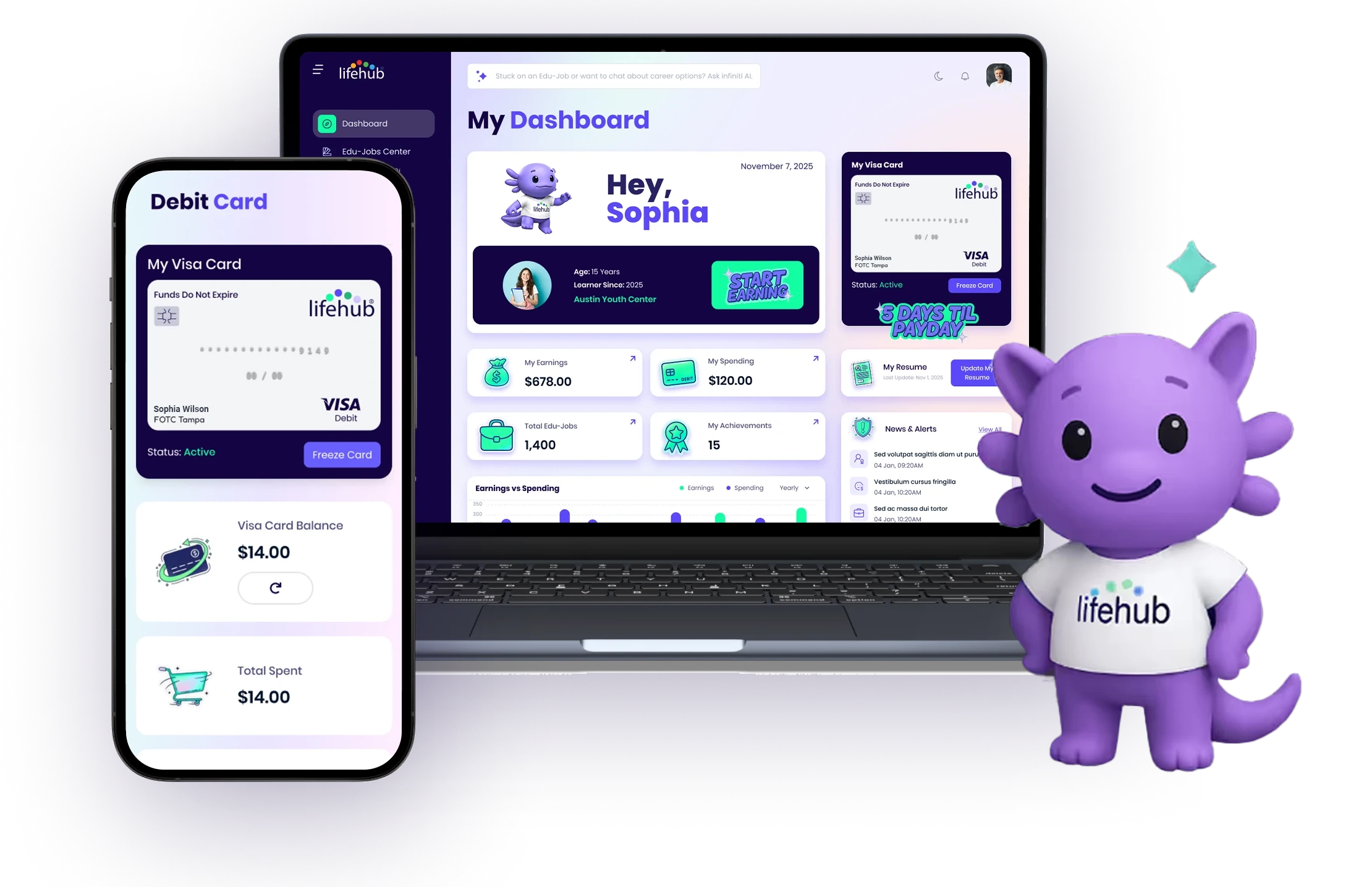
After working through all the options, you might still have questions about how to blend real-world skills, flexible learning, and motivation for your learner. If you want a practical way to bring money skills, academic growth, and career readiness into your homeschool day, you can check out Life Hub’s Edu Jobs. Each micro-task helps your learner explore interests, earn real cash, and build a portfolio of real achievements. If you’re curious how this might fit your family’s unique goals, Explore Life Hub for Homeschool Families.


Related Content
Ready to Chat about Life Hub?
Whether you're parents, or a homeschool family, Life Hub is your partner to help you
raise super strong kids.

.svg)

.svg)


.svg)
.svg)

.svg)