Parents everywhere want their children to learn smart money habits early. Yet, figuring out gohenry costs can leave families second guessing what they are really paying for.
This guide gives you a clear, current look at gohenry costs for 2026. You will find out exactly what you get, what fees to watch for, and how these costs stack up against other kids' debit cards.
We will break down the main fees, potential extras, and offer simple tips to help you get the most for your money. Let’s make financial choices easier and more transparent for your family.
Understanding Gohenry: What It Is and Who It’s For
Gohenry is a popular prepaid debit card and app designed for kids aged 6 to 18. Its main goal is to help young learners gain real-world financial skills in a safe, supervised way. The service combines banking tools with educational resources, giving parents and kids a shared platform for money management.
Gohenry’s mission is to teach children about spending, saving, and budgeting through everyday experiences. With over 2 million families in the UK and US using the platform, it is a trusted option for families who want to build financial confidence at home. Key features include robust parental controls, spending limits, savings goals, and a chore management system that can help children learn how to earn and manage money.
For those interested in more ways to build financial skills at home, kids and families money management resources can be a helpful addition to your toolkit. Gohenry stands out by focusing on safety, education, and empowerment, making money lessons practical and engaging.
What is Gohenry?
Gohenry is more than just a prepaid debit card. It is a financial education app that helps learners develop smart money habits. Parents create an account, order a debit card for their child, and get access to the app’s suite of features.
With Gohenry, parents can set spending rules, assign chores, and track progress in real time. Kids can use the card online, in stores, or even at ATMs where supported. The app encourages saving toward personal goals and rewards good habits.
Gohenry costs are straightforward, with a clear monthly fee and no requirement for a traditional bank account. This makes it accessible for families looking to teach practical money skills without the complexity of adult banking products.
Who Should Consider Gohenry?
Gohenry is ideal for parents who want to guide their children’s financial growth. If your family is ready to move beyond piggy banks and cash allowance, this app offers a digital alternative that keeps parents in control.
It suits families with multiple children, especially if you want to manage each child’s spending from one dashboard. Busy parents benefit from features like automated allowance payments and instant spending notifications. Gohenry costs can be worth it for those who value peace of mind and flexible oversight.
There are some limits. Gohenry is not for adults, nor does it replace a full-service bank account. It is best for kids who are ready to start learning by doing, under supervision.
How Does Gohenry Work?
Getting started with Gohenry is simple. Parents sign up, link a funding source, and order a card for each child. They can then set up weekly or monthly allowance payments, assign chores, and create custom spending rules.
Kids can use their cards online or in-store, and can withdraw cash at ATMs if needed. Every transaction triggers a real-time notification, so parents stay updated. Features like instant card locking and category spending limits add an extra layer of safety.
The focus is on learning by doing. Rather than just tracking money, Gohenry helps learners build habits through real transactions. Gohenry costs are transparent, so families can plan ahead and avoid surprises as they guide their children toward financial independence.
Gohenry Costs in 2026: Monthly Fees, Charges, and What’s New
Families want to know exactly what gohenry costs in 2026. This breakdown covers every regular charge, extra fee, and what might change this year. Understanding gohenry costs helps families budget and compare options with confidence.
Standard Monthly Subscription
The core of gohenry costs is the monthly subscription. In 2026, the standard fee is expected to remain around $4.99 per child each month, based on recent updates. This includes access to the app, a prepaid debit card, parental controls, and financial education features. For a family with two kids, that totals $9.98 monthly.
There is no annual contract, so you can cancel anytime. Some families may see changes if new plans or bundles are launched. For a detailed breakdown of these gohenry costs and any 2026 updates, see the GoHenry's 2026 Fee Structure. Tracking these recurring gohenry costs can help families plan and avoid surprises.
Card Issuance and Replacement Fees
Your first card for each child is included in the monthly gohenry costs. If your learner wants a custom card, there may be a $4.99 fee for design. If a card is lost or stolen, replacing it will cost $4.99 per incident.
For example, if a family with three children needs two replacements in a year, they pay $9.98 extra. Some competitors may offer free replacements or limit charges per year, but gohenry costs are straightforward here. Always check the latest terms to make sure you understand these possible expenses.
Fee Type
Gohenry
Typical Competitor
Custom Card
$4.99
$5–$10
Replacement Card
$4.99
$0–$5
ATM Withdrawal and Transaction Fees
ATM fees are another part of gohenry costs. Domestic ATM withdrawals may be free or cost $1.50 per use, depending on your plan and location. Using the card at international ATMs often adds a 2.75% currency conversion fee.
Imagine a teen traveling overseas. Two ATM withdrawals could mean $3.00 in fees, plus conversion charges. Some competitors offer free ATM access or reimbursements, so compare these gohenry costs with others if your family often needs cash. Always check if digital payments can meet your needs and avoid these extra gohenry costs.
Other Potential Charges
Beyond the standard gohenry costs, families should know about possible extra fees. If the card is unused for 12 months, an inactivity fee of $1.50 may apply. Declined transactions or expedited shipping for new cards can also add small charges.
Most families avoid these fees by using the card regularly and monitoring account activity. In a recent survey, 15% of users reported unexpected gohenry costs, often from inactivity or replacement fees. Staying active and using digital features can help keep your gohenry costs predictable.
Value for Money: Is Gohenry Worth the Cost?
Understanding gohenry costs is key for families deciding if this service is right for them. Many parents want more than just a debit card for their child—they want real value, education, and peace of mind. Let’s break down what you actually get, how gohenry stacks up against other options, and what real users say.
What You Get for Your Money
When looking at gohenry costs, families are paying for more than just a prepaid card. The service includes a feature-rich app with parental controls, chore tracking, and savings goals. Each child can learn about money in a safe, supervised way.
The app offers in-app lessons and resources to help young learners build confidence. Many parents notice their children asking smarter questions about money, and 78 percent report an improvement in financial confidence. The peace of mind from instant card controls and real-time notifications is a major plus.
Comparing Gohenry to Other Kids’ Debit Cards
How do gohenry costs compare with other popular kids’ cards? Services like Greenlight, BusyKid, and FamZoo each offer a mix of features. Here’s a quick look at how they stack up:
Provider
Monthly Fee
Investing
Chores
Parental Controls
Gohenry
$4.99
No
Yes
Yes
Greenlight
$4.99+
Yes
Yes
Yes
BusyKid
$4.00
Yes
Yes
Yes
FamZoo
$5.99
No
Yes
Yes
Gohenry stands out for its simplicity and smooth user experience. For a deeper look at fees and features, check out this GoHenry vs. Greenlight Comparison. This helps families see if gohenry costs deliver the best value for their needs.
Pros, Cons, and User Feedback
There are clear strengths to gohenry costs. The app is user-friendly, offers robust controls, and focuses on teaching kids good money habits. Many parents love the flexibility and educational tools.
Still, there are trade-offs. The per-child pricing can add up, especially for larger families. Some extra fees, such as for replacement cards, may surprise users. Unlike a few competitors, gohenry does not offer investing options.
User reviews are mostly positive, with families praising the easy setup and peace of mind. However, a family with four children would pay nearly $20 per month, which is higher than some alternatives. The average app store rating is 4.6 out of 5 as of 2025. Weighing gohenry costs against your family’s needs and budget will help you decide if the service is worth it.
Tips to Maximize Value and Minimize Gohenry Costs
Managing gohenry costs is about more than just watching your monthly fee. With a few smart moves, families can get the most out of their investment while avoiding surprises. Here are key strategies to help you save.
Choosing the Right Plan for Your Family
Start by matching your plan to your family's needs. If you have one child, a single account keeps gohenry costs simple. For families with multiple learners, check if Gohenry offers any family discounts or bundled plans, which may help reduce the total monthly fee.
Think about how your children use their cards. Are they earning regular allowances, making frequent small purchases, or just starting to learn about money? If your family uses Gohenry often and values features like chore tracking, the standard plan may offer good value. Some families may find annual billing options, if available, help lower gohenry costs over time.
Example: A family with three kids paying monthly may find switching to an annual plan, if offered, saves a few dollars each year. Always review your usage and adjust your plan if your needs change.
Avoiding Extra and Hidden Fees
To keep gohenry costs under control, avoid unnecessary charges. Start by using digital cards and in-app transfers when possible. These features often come with no extra fees, unlike ATM withdrawals, which may incur charges.
Encourage your children to keep their cards safe, since lost card replacements can add up. Set up real-time alerts for low balances or declined transactions to avoid overdraft or inactivity fees. Regularly review account activity to catch any unexpected charges early.
Tips to avoid extra fees:
Stick to digital payments and limit cash withdrawals
Use parental controls to monitor spending
Remind learners about card safety and responsible use
With these habits, most families can keep gohenry costs predictable and manageable.
Leveraging Gohenry’s Educational Tools
One of the best ways to stretch your gohenry costs is to use all the app’s learning features. Gohenry offers in-app lessons, savings goals, and chore tracking, which turn everyday spending into teachable moments. Set up regular family money talks using the app's data to track progress and celebrate milestones.
Encourage your child to use savings challenges and set their own goals. For example, a learner who saves $200 in a year through the app’s goal feature not only learns to budget but also makes the monthly fee feel worthwhile. The more your family engages with these tools, the more value you get from gohenry costs.
By choosing the right plan, steering clear of extra charges, and using every educational tool, families can get the most from gohenry costs while building lifelong money skills.
What’s Changing in 2026: New Features, Pricing, and Trends
Families who track gohenry costs want to know what’s coming in 2026. Change is expected as kids’ banking grows and new features roll out. Here’s a look at what you can expect as you plan ahead for your learners.
Announced and Expected Pricing Changes
As of now, gohenry costs remain steady, but small increases could arrive in 2026. No official price hike has been confirmed, but industry trends suggest monthly fees may rise by $1 or more per child, following moves by competitors like Greenlight.
The core monthly fee is still $4.99 per child, which covers the standard card, app access, and parental controls. However, inflation and the addition of new features are likely to influence pricing. Families should watch for possible bundled family plans, which could offer savings if you have several learners.
If you want to see the official fee structure, the GoHenry's Short Form Disclosure provides up-to-date details. Always review these documents before making decisions about gohenry costs.
Upcoming Features and Enhancements
Gohenry has announced several upgrades for 2026 designed to add value for families. The company is focusing on smarter parental controls, new savings tools, and more interactive education modules. These updates aim to make managing gohenry costs more rewarding for both parents and learners.
One major addition is enhanced spending insights powered by artificial intelligence. This tool will help families spot trends and set better goals. There is also talk of introducing gamified challenges, which could make saving and learning about money more engaging.
While investing or crypto features have not been confirmed, families can expect continuous improvement in the app’s usability and educational content. These enhancements are meant to justify any possible changes in gohenry costs.
Market Trends and Alternatives for 2026
The landscape for kids’ debit cards is changing fast. More banks are offering teen accounts with no monthly fees, and fintech companies are adding features to compete. As a result, families are weighing gohenry costs against alternatives more closely.
A recent industry survey found that 40% of families may switch providers in 2025 to save money or access better features. It’s smart to compare gohenry costs with what other providers offer. For a quick look at top competitors, GoHenry's Competitors and Alternatives highlights options like Greenlight, BusyKid, and FamZoo.
Here is a quick comparison:
Provider
Monthly Fee
Investing
Family Plan
Education Tools
Gohenry
$4.99/child
No
No (yet)
Yes
Greenlight
$4.99/child
Yes
Yes
Yes
BusyKid
$3.99/family
Yes
Yes
Yes
With more choices and evolving features, reviewing gohenry costs alongside the competition helps families make smart decisions for 2026.
Frequently Asked Questions About Gohenry Costs
Many parents want to know exactly what gohenry costs and how fees might affect their family. Below, we answer some of the most common questions to help you feel confident about your decision.
Common User Concerns and Clarifications
When it comes to gohenry costs, parents often ask about hidden fees and how easy it is to avoid extra charges. Here are a few key points:
There are no hidden fees if you use the card regularly and follow the plan guidelines.
You pay the monthly subscription for each child, but cannot combine multiple children under one fee.
Canceling is simple—log in to your account, select "Manage Account," and follow the prompts to cancel without penalty.
Some families wonder if gohenry is the right fit for their needs. For a broader look at financial services for families, you can explore other tools that may suit different situations.
Real-Life Scenarios: What Will You Actually Pay?
Gohenry costs can vary based on how many children you enroll and which features you use. Here is a quick breakdown:
Family Size
Monthly Cost
Annual Cost (2025 data)
1 child
$4.99
$59.88
2 children
$9.98
$119.76
3 children
$14.97
$179.64
For example, a family with two learners using only digital features pays $4.99 per child each month. Most families spend about $120 per year per child, according to recent data.
Gohenry Cost vs. Traditional Banking Options
How do gohenry costs compare to youth accounts at major banks? Many banks and credit unions offer free accounts for minors, but these often lack parental controls and educational tools.
For example, Bank of America's "Minor Savings" account charges no monthly fee but does not include spending limits or chore tracking. With gohenry, you pay a premium for features that help teach money management and give parents oversight.
If you want to explore more banks and credit union alternatives, you may find options with fewer fees, but possibly less flexibility. The best choice depends on whether you value education and parental control or simply need a basic youth account.
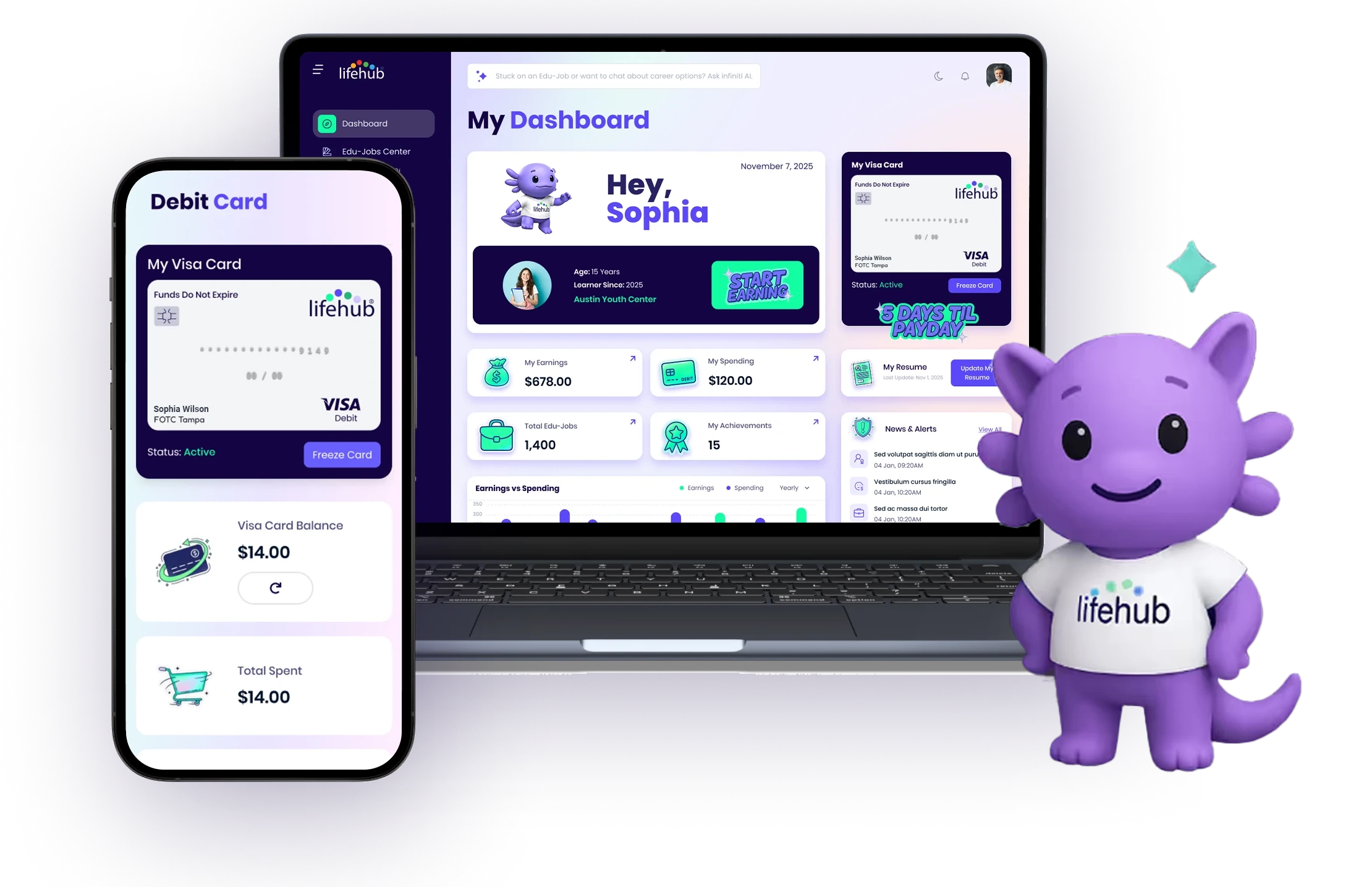
If you’re weighing up Gohenry’s fees and wondering how to make the most of teaching money skills at home, it may help to look at options that combine real earnings with practical learning. With Life Hub, learners can build money confidence, explore career interests, and practice real-world skills through paid micro tasks—while parents keep an eye on progress. You can see how it compares for your family’s needs and budget, especially if you’re looking for something that fits kids of different ages and learning styles. See Life Hub for Kids and Families
Share:
No items found.
What Happiness Looks Like in Real Life
Real quotes. Real smiles. Real change.
Annie Holub
Desert Dragon Learning Community
Kids who otherwise resisted any kind of assignment have been actually asking to get on Life Hub and complete work. Parents and kids always light up when I explain how it works, and have reported that it's one of the reasons they chose our school. It's been a true asset to our program.
Janet Bell
Mother
Graham is enjoying Life Hub immensely! He loves the variety of topics and is always excited to share with me what he has learned. I love the ease of being able to view and assign courses, as well as all the other things the program offers. We are definitely big fans of Life Hub!
April Schmitt
Friends of the Children
I like the choices it gives youth to decide what they want to learn and, how much money they want to make by learning things about careers or life in general.
Shambria Young
Friends of the Children
Life Hub has allowed my mentees an opportunity to learn skills that are going to help them have a productive life.
Coi Morefield
The Lab School of Memphis
I have seen first-hand the power and intrinsic motivation cultivated when learners select from the hundreds of jobs, completed using Office within 15-30 minutes. Not only does the platform integrate learning with real-world skills but also rewards learners with cash earnings paid out in their Life Hub Wallet every Friday.
Rick McClintock
Friends of the Children Tampa Bay
We’ve seen many of our mentees adopt ‘Life Hub’ as an important part of their lives that allows them to engage, learn, perform educational jobs, earn income, and then spend or save those earnings.
Dr. Elijah Lefkowitz
The Boys & Girls Clubs of Lee County
Our youth love Life Hub. Out of the gate, we saw high levels of engagement and increased attendance.
Max Massengill
Academy Prep St. Petersburg, Florida
When our Academy Prep Scholars participated in their first Edu-Job “Design Your Lifestyle”, I knew right then that we had hit a grand slam!
Rosanna Mhlanga
Arkansas Lighthouse Charter Schools
We didn’t expect the impact it has had on overall student engagement, increased attendance, better academic performance, improved self esteem, and higher rates of parental/guaridian participation. In all my years as an educator, I’ve never seen anything like Life Hub!
Jaymie Johnson
The Boys & Girls Clubs of Tampa Bay
Life Hub is opening their eyes to possibilities and introducing them to new ideas.
Caryan Lipscomb
Arkansas Lighthouse Academy
I Love hearing my students talk about how they are working to make money with Life Hub to buy things they want. They can clearly differentiate wants vs needs and also understand it’s their money that they can spend or save.
Coi Morefield
The Lab School of Memphis
I have seen first-hand the power and intrinsic motivation cultivated when learners select from the hundreds of jobs, completed using Office within 15-30 minutes. Not only does the platform integrate learning with real-world skills but also rewards learners with cash earnings paid out in their Life Hub Wallet every Friday.
Annie Holub
Desert Dragon Learning Community
Kids who otherwise resisted any kind of assignment have been actually asking to get on Life Hub and complete work. Parents and kids always light up when I explain how it works, and have reported that it's one of the reasons they chose our school. It's been a true asset to our program.
Janet Bell
Mother
Graham is enjoying Life Hub immensely! He loves the variety of topics and is always excited to share with me what he has learned. I love the ease of being able to view and assign courses, as well as all the other things the program offers. We are definitely big fans of Life Hub!
April Schmitt
Friends of the Children
I like the choices it gives youth to decide what they want to learn and, how much money they want to make by learning things about careers or life in general.
Shambria Young
Friends of the Children
Life Hub has allowed my mentees an opportunity to learn skills that are going to help them have a productive life.
Rick McClintock
Friends of the Children Tampa Bay
We’ve seen many of our mentees adopt ‘Life Hub’ as an important part of their lives that allows them to engage, learn, perform educational jobs, earn income, and then spend or save those earnings.
Dr. Elijah Lefkowitz
The Boys & Girls Clubs of Lee County
Our youth love Life Hub. Out of the gate, we saw high levels of engagement and increased attendance.
Max Massengill
Academy Prep St. Petersburg, Florida
When our Academy Prep Scholars participated in their first Edu-Job “Design Your Lifestyle”, I knew right then that we had hit a grand slam!
Rosanna Mhlanga
Arkansas Lighthouse Charter Schools
We didn’t expect the impact it has had on overall student engagement, increased attendance, better academic performance, improved self esteem, and higher rates of parental/guaridian participation. In all my years as an educator, I’ve never seen anything like Life Hub!
Jaymie Johnson
The Boys & Girls Clubs of Tampa Bay
Life Hub is opening their eyes to possibilities and introducing them to new ideas.
Caryan Lipscomb
Arkansas Lighthouse Academy
I Love hearing my students talk about how they are working to make money with Life Hub to buy things they want. They can clearly differentiate wants vs needs and also understand it’s their money that they can spend or save.






.avif)















.png)

.svg)

.svg)


.svg)
.svg)

.svg)