9 Essential Financial Literacy Programs for Youth in 2026



Did you know that only 24% of Gen Z can answer basic money questions correctly? This gap is growing as digital banking, crypto, and new investments become part of daily life.
Giving young people financial skills is more important than ever. If learners miss out, they face real risks with debt, savings, and everyday choices.
This guide spotlights 9 essential financial literacy programs for youth in 2026. These programs are diverse, innovative, and proven to help learners build skills for life.
Explore your options and see how the right tools can empower the next generation for a brighter financial future.
Why Financial Literacy for Youth Matters in 2026
The financial world is changing quickly. Digital banking, mobile wallets, and cryptocurrencies are now part of daily life for young people. New investment tools appear every year, making it harder for learners to make smart choices without guidance.
Yet, financial literacy programs for youth are not reaching everyone. Recent research shows only 24% of Gen Z demonstrate even basic financial literacy skills. According to Gen Z financial literacy statistics, most teens and young adults still struggle with money basics. This leaves many at risk for costly mistakes.
Starting financial education early can shape lifelong habits. Learners who join financial literacy programs for youth often save more, avoid high-interest debt, and feel more confident about money. Good habits, like budgeting and saving for emergencies, are easier to build when started young.
The consequences of missing out are real. Many young people face student loan debt, credit card misuse, or lack emergency savings. Without strong financial literacy programs for youth, these problems can follow them into adulthood.
Families, schools, and communities all play a role. It is vital to offer financial literacy programs for youth that are accessible, relevant, and engaging for every learner. Special focus is needed for underserved groups, so no one is left behind.
When young people learn about money, the benefits go beyond their wallets. Research shows that financial literacy can lead to smarter choices, better mental health, and stronger communities. Employers increasingly seek work-ready young adults who can manage their own finances, making these skills even more valuable for the future.
9 Essential Financial Literacy Programs for Youth in 2026
Choosing the right financial literacy programs for youth is key to preparing the next generation for a complex financial world. The programs below were selected based on their innovation, accessibility, real-world impact, and ability to serve diverse learners. Each offers unique ways for young people to build practical money skills, from digital apps to hands-on experiences.
Life Hub
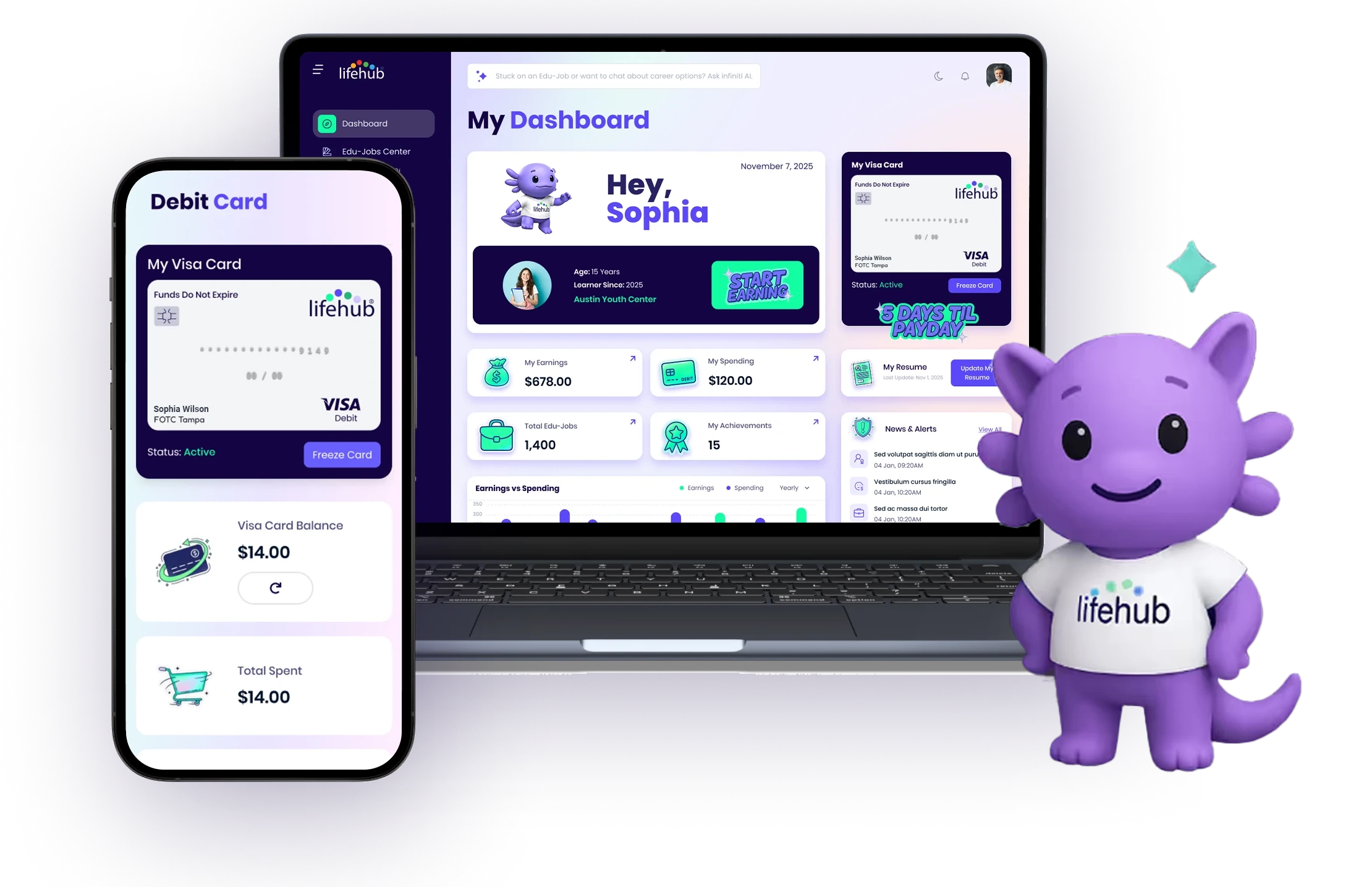
Life Hub stands out among financial literacy programs for youth by integrating learning and real banking tools. Learners earn $1–$5 per Edu-Job and $15–$125 for completing courses, with rewards funded by parents, schools, or sponsors. The app uses AI-powered micro-learning and standards-aligned Edu-Jobs, encouraging participation with real cash incentives.
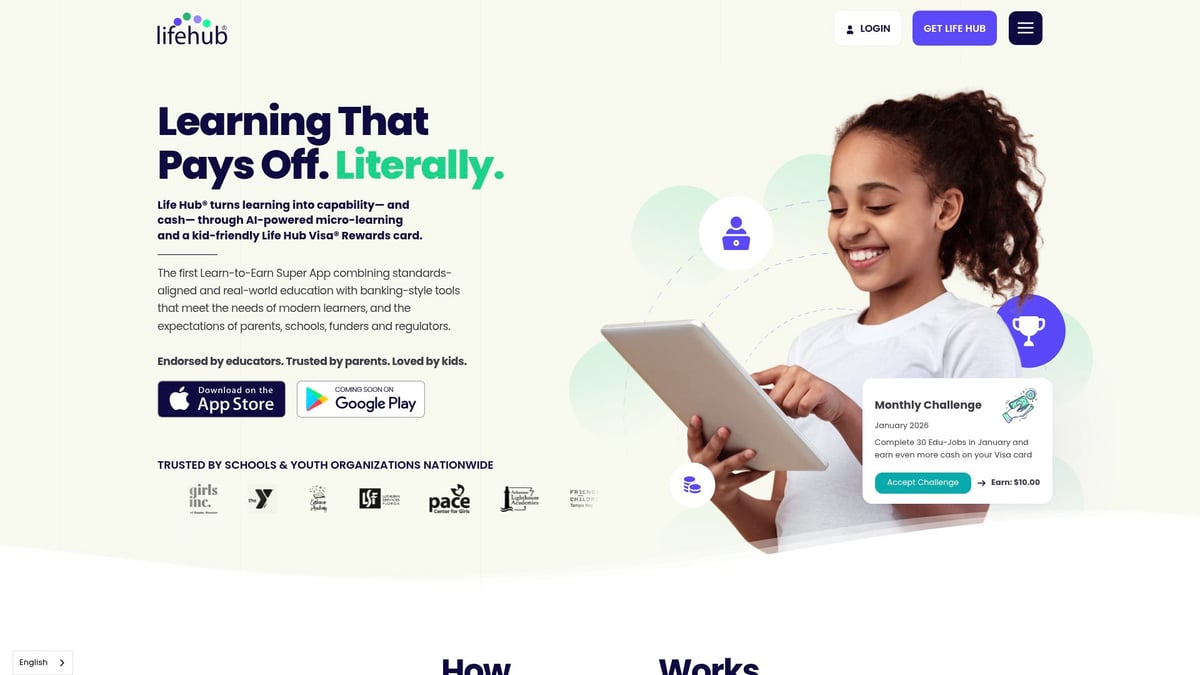
Key features include gamified lessons, a Visa debit card for youth, and detailed impact analytics. This approach supports practical money management and measurable progress. Life Hub is ideal for kids, teens, families, schools, and youth organizations.
Pros are direct financial incentives, personalized learning, and broad accessibility. Cons include the need for adult funding and limited coverage of advanced topics. Notably, Life Hub is the first "Learn-to-Earn Super App" that blends education and banking. Research on the proven impact of financial rewards suggests this model boosts motivation and results in financial literacy programs for youth.
Junior Achievement Finance Park
Junior Achievement Finance Park is a leader in experiential financial literacy programs for youth. This program is typically free through schools or community partners. It offers interactive simulations where learners create real-life budgets and make financial decisions.
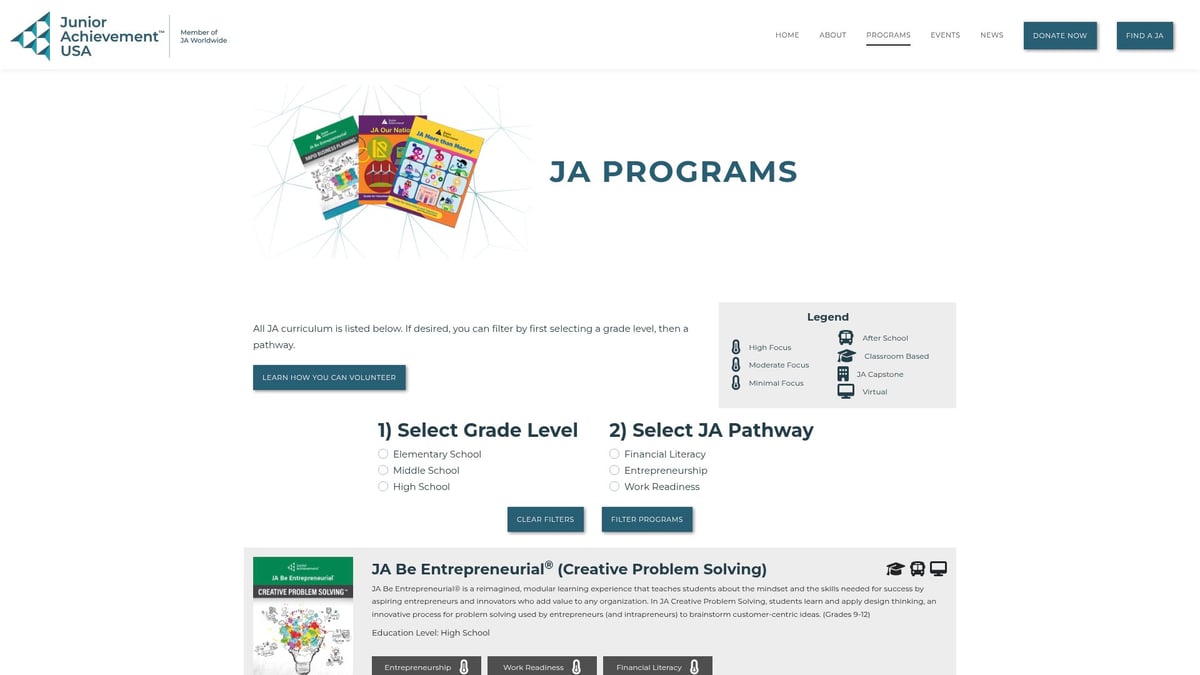
Learners work in teams to solve money challenges, building teamwork and problem-solving skills. The program targets middle and high school learners, as well as educators and afterschool groups.
Key benefits include hands-on learning, a scalable format for large groups, and national reach. However, its in-person model may limit access in some areas. Its unique selling point is being the largest U.S. youth financial education simulation with a strong record of long-term impact. Junior Achievement Finance Park helps bridge financial knowledge gaps among young people.
Next Gen Personal Finance (NGPF)
Next Gen Personal Finance (NGPF) offers one of the most comprehensive and accessible financial literacy programs for youth. It is entirely free for educators and learners. The curriculum includes interactive activities, digital games, and real-world case studies.
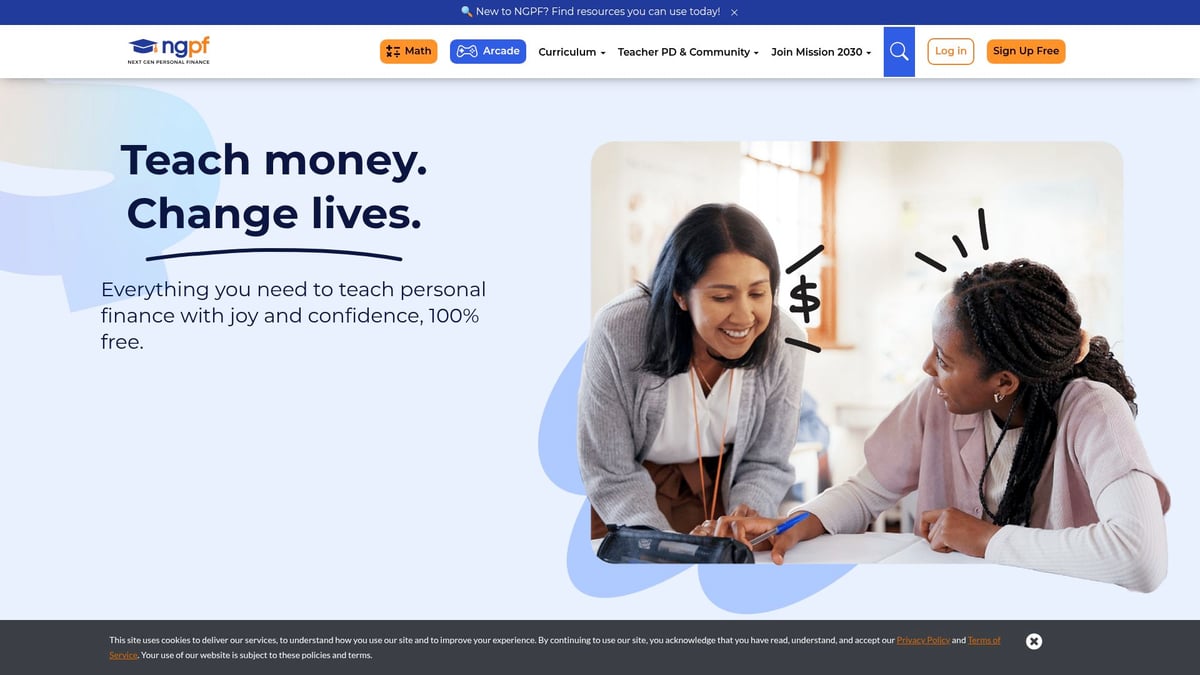
Lessons are standards-aligned and updated regularly. NGPF supports teachers with resources and a strong educator community. The program is suited for middle and high school learners, teachers, and homeschoolers.
Pros are free access, current content, and a supportive network. The main drawback is that teacher facilitation is needed for best results. NGPF stands out as the most widely adopted free financial literacy curriculum in U.S. schools. It plays a vital role in helping youth develop lifelong financial skills.
Greenlight
Greenlight is a practical choice among financial literacy programs for youth, with a monthly family fee from $4.99 to $14.98. Families receive a debit card for kids, parental controls, and a financial education app with savings and investment tools.
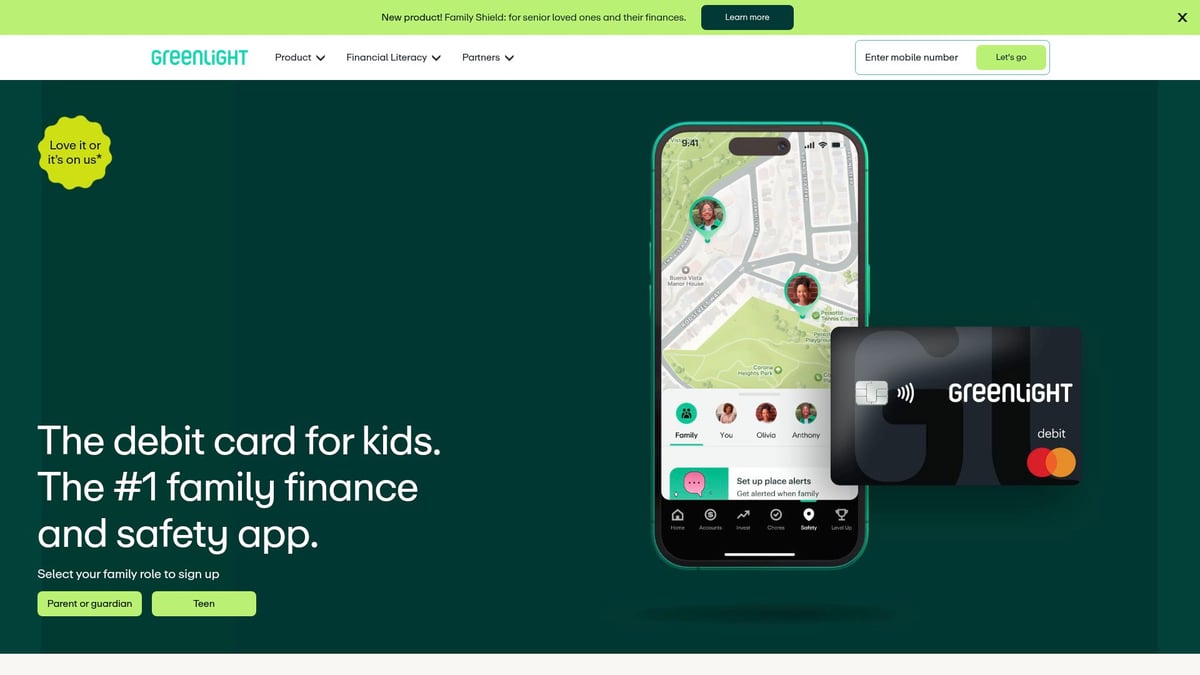
Learners gain real-money experience, set savings goals, and even start investing. Parents can monitor and guide spending. The program is designed for children ages 6 to 18 and their families.
Benefits include hands-on practice, strong parental oversight, and a focus on investing early. The main cons are the monthly fee and the need to set up a bank account. Greenlight’s unique value is the combination of family banking, investment opportunities, and interactive learning, making it a strong option for financial literacy programs for youth.
Moneythink
Moneythink is free for learners through partner schools and organizations, focusing on college-bound youth. It offers digital financial coaching, college cost planning, and loan comparison tools.
The program is mobile-first and delivers personalized budgeting and debt management support. It is especially helpful for high school and college learners, including many first-generation students.
Pros include tailored guidance and strong outcomes for low-income youth. The main limitation is its focus on college planning, with less coverage of early financial basics. Moneythink pioneered digital financial coaching for college success, making it a valuable part of financial literacy programs for youth aiming for higher education.
EverFi Financial Literacy for High School
EverFi Financial Literacy for High School is free for schools, thanks to corporate sponsorships. The digital program features interactive modules, real-life scenarios, and assessments to track learner progress.
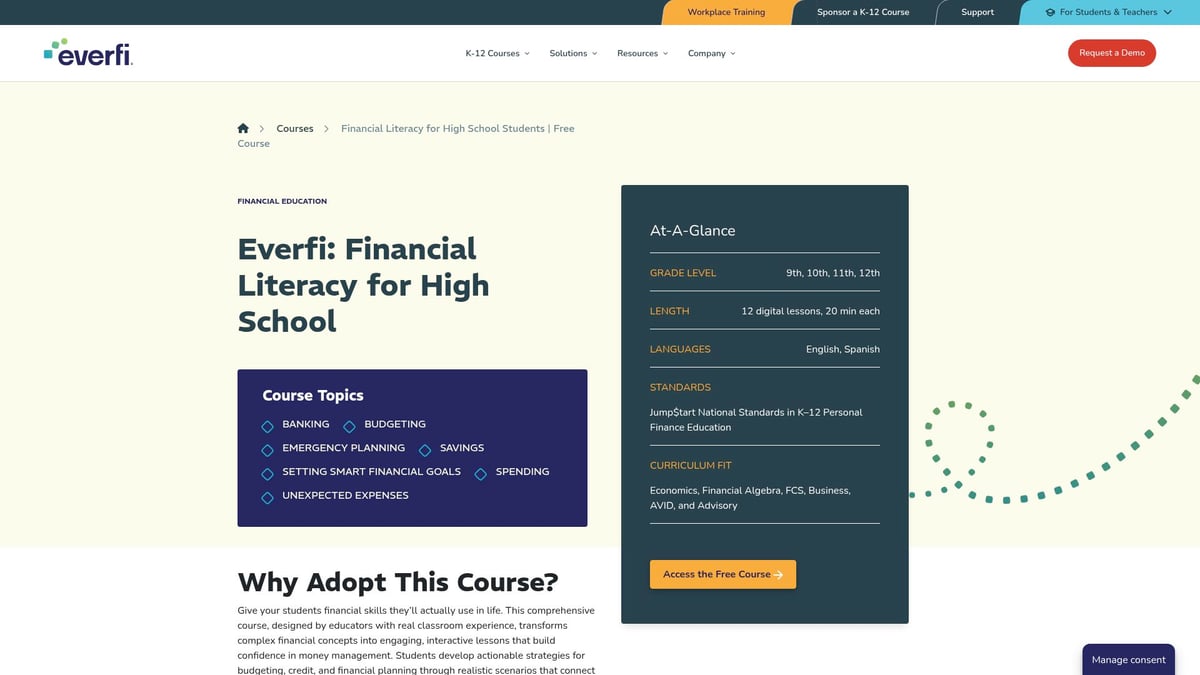
Targeted at high school learners, teachers, and districts, EverFi offers engaging, standards-aligned lessons. The evidence-based approach helps schools deliver consistent financial education at scale.
Pros include free access, scalability, and robust data tracking. The main con is that it requires school participation, so it’s less customizable for individuals. EverFi is the largest digital provider for U.S. high schools, making it a staple among financial literacy programs for youth.
BizKids
BizKids takes a fun approach to financial literacy programs for youth with free lesson plans, videos, and some premium content. The core of the program is an Emmy-winning TV show that teaches business and money skills.
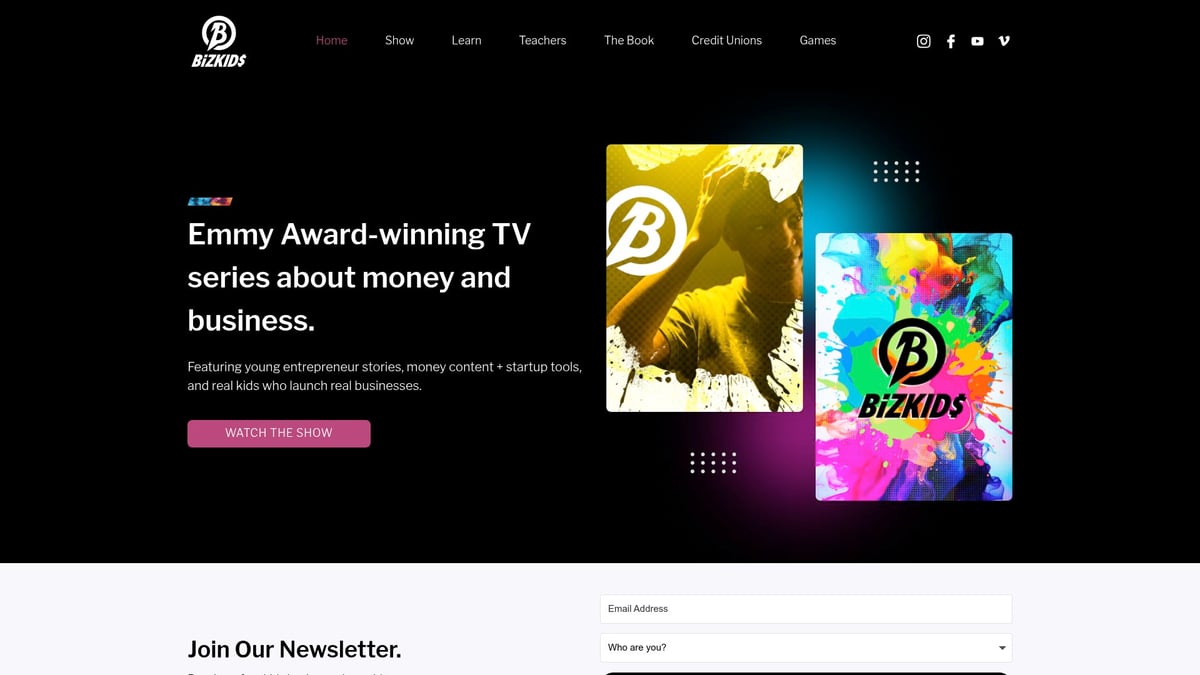
Learners participate in entrepreneurship projects and engage with activity guides. The target audience is middle school learners, teachers, and afterschool programs.
Pros are a media-rich, project-based format and entertaining lessons. Cons include less depth in advanced topics and some paid content. BizKids’ unique value is using popular media to introduce financial concepts, making learning accessible and enjoyable.
MyPath
MyPath focuses on financial inclusion in financial literacy programs for youth. It is free through nonprofit and school partners, serving underserved and low-income youth.
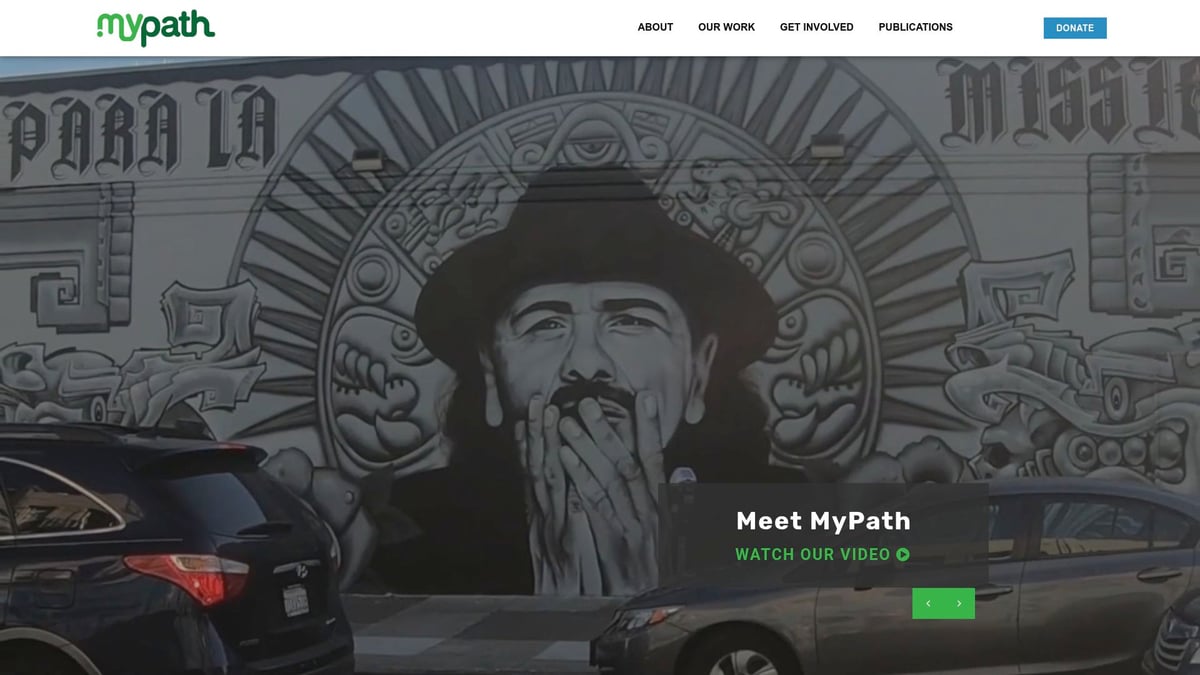
Learners participate in peer-led financial education, gain youth banking access, and receive savings incentives. The program is rooted in community engagement and cultural relevance.
Pros are strong peer support, tailored content for diverse backgrounds, and proven savings outcomes. The main limitation is its availability, as it’s limited to partner sites and specific demographics. MyPath is known for boosting savings rates and providing real banking access for marginalized youth.
Practical Money Skills by Visa
Practical Money Skills by Visa offers free, open-access resources for financial literacy programs for youth worldwide. The platform provides curriculum, games, calculators, and lesson plans for all ages.
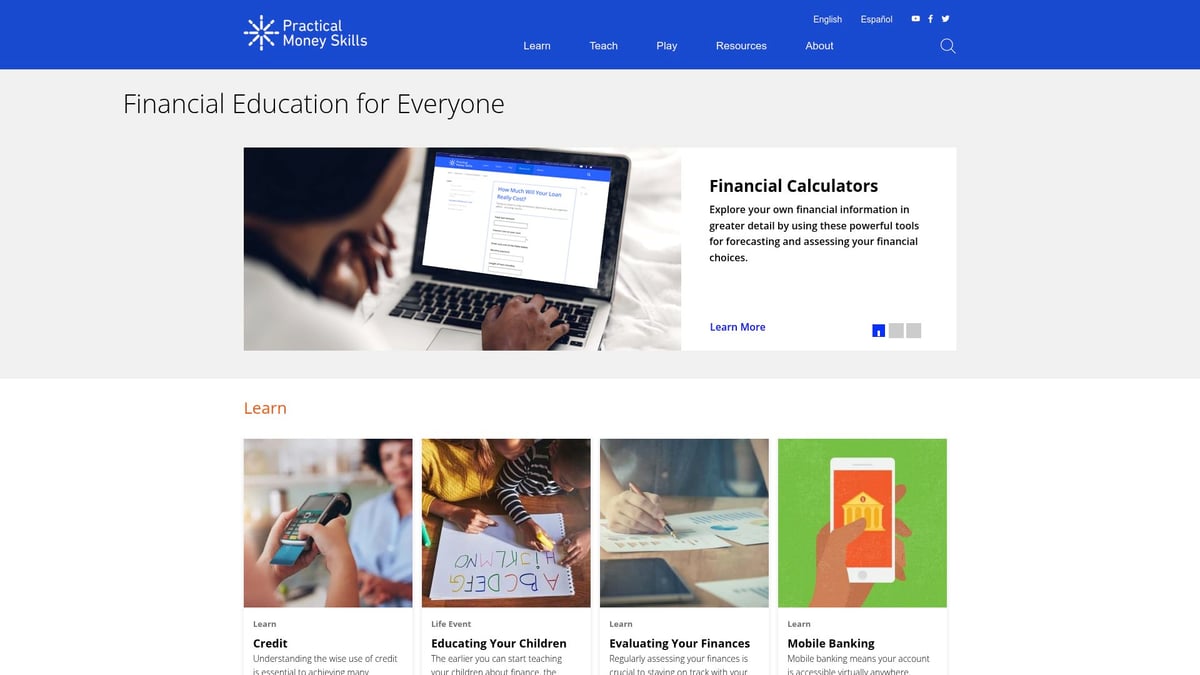
Resources are easy to use, available in multiple languages, and regularly updated. The target audience includes youth, parents, educators, and learners globally.
Pros are global reach, free access, and a wide range of topics. Cons are that it is self-directed and may lack depth for advanced learners. Sponsored by Visa, Practical Money Skills is a trusted and accessible option to support youth in building financial knowledge.
These nine financial literacy programs for youth demonstrate the variety of approaches available in 2026. Whether through digital platforms, peer-led sessions, or immersive simulations, each program helps equip young people with the money skills they need for the future.
How to Choose the Right Financial Literacy Program for Your Youth
Selecting the best financial literacy programs for youth can feel overwhelming. With so many choices, it is important to focus on your learner’s unique needs. Start by thinking about their age, interests, and how they like to learn. Some youth thrive with hands-on activities, while others prefer digital or video-based learning.
The right program can help young people build lifelong money skills. When choosing, look for financial literacy programs for youth that offer both engaging content and real-world practice.
Core Considerations
Every learner is different. Consider these factors when exploring financial literacy programs for youth:
- Age and Skill Level: Is the content suitable for a child, tween, or teen?
- Learning Preferences: Does your learner prefer games, videos, or real-life scenarios?
- Format: Options include in-person, digital, or a mix of both.
- Accessibility: Check costs, device needs, and if the program is available in your area.
- Cultural Fit: Programs should feel relevant and welcoming to all backgrounds.
Here’s a quick comparison:
| Feature | In-Person | Digital/Hybrid | Gamified |
|---|---|---|---|
| Cost | Varies | Free–Paid | Free–Paid |
| Real-World Tools | Sometimes | Often | Often |
| Accessibility | Location | Anywhere | Anywhere |
| Inclusivity | Varies | Wide Range | Wide Range |
Evaluating Impact and Fit
Look for programs with proven results. Research, testimonials, and data can show if a program really works. For example, Financial literacy resources and research offer studies that highlight the impact of different approaches.
Programs that include debit cards, savings accounts, or interactive simulations help learners practice real-life skills. Inclusivity matters too. Learners from different backgrounds should see themselves reflected in the content.
Gaps in financial knowledge still exist, so parents need to match programs to their child’s needs. According to Teens' participation in financial literacy courses, participation is rising, but not all courses address every need.
Example: Comparing Greenlight, Life Hub, and NGPF
Imagine a family helping their 14-year-old choose a program. They compare Greenlight for its debit card and parental tools, Life Hub for its learn-to-earn rewards, and NGPF for its free, teacher-led lessons. Each offers something different.
By weighing these options, families can find financial literacy programs for youth that match their learner’s style, needs, and goals.
The Future of Youth Financial Literacy: Trends & Innovations
Financial literacy programs for youth are evolving quickly in 2026. As money moves further online, learning about finance now often starts with a tap or a swipe. New technology is making these lessons more personal, interactive, and relevant than ever before.
Personalized & Tech-Driven Learning
AI-powered tools are transforming financial literacy programs for youth. Adaptive platforms now adjust lessons to each learner's strengths and needs. For example, Life Hub uses AI to deliver micro-learning and track progress, while MyPath offers peer-led, tech-based support. These programs combine finance with STEM and entrepreneurship, preparing learners for a digital world. Gamified apps, VR simulations, and interactive challenges make abstract money concepts feel real and engaging.
Real-World Practice & Policy Shifts
Many financial literacy programs for youth now include real-world practice. Debit cards, savings accounts, and investment tools let learners apply skills with real money. Learn-to-earn models reward progress, building confidence and positive habits. At the same time, policy is catching up. By 2026, 27 states require financial education for graduation, reflecting public support for financial education in schools. Research also shows that strong financial education can improve youth money choices, as highlighted by the impact of financial education on youth behavior.
Innovative Partnerships & Future Outlook
The next wave of financial literacy programs for youth is all about collaboration. Schools, nonprofits, and tech companies are joining forces to reach more learners. Programs like Life Hub and MyPath use technology and community networks to support marginalized youth and track results. As fintech grows, expect more immersive experiences, like AR learning and digital investing. These advances make financial skills more accessible and prepare young people for lifelong success.
If you’re ready to help a young person build real money skills and confidence, there are more options than ever. Programs like Life Hub connect what learners do with what they earn, making each lesson feel practical and motivating. From learning to budget to understanding how banking works, the right program can make a big difference. Want to see how this can look for your family? Take a closer look at how learners can earn, learn, and grow with See Life Hub for Kids and Families.


Related Content
Ready to Chat about Life Hub?
Whether you're parents, or a homeschool family, Life Hub is your partner to help you
raise super strong kids.

.svg)

.svg)


.svg)
.svg)

.svg)