Guide to Financial Literacy Curriculum for 2026 Success


In 2026, financial literacy isn’t just a skill, it’s a passport to lifelong success. The need for a future-ready financial literacy curriculum has never been greater, as the world of money grows more complex every year.
This guide unpacks what makes a financial literacy curriculum effective for learners and educators. You’ll discover why financial literacy matters, which topics belong in the classroom, and how to teach and assess real money skills.
Ready to empower your learners for success? Let’s explore the steps to build and deliver a financial literacy curriculum that works for 2026 and beyond.
The Importance of Financial Literacy in 2026
Financial literacy curriculum is more important in 2026 than ever before. As financial choices and tools evolve, learners must be prepared to make decisions that shape their futures. This section explores why a strong financial literacy curriculum is essential for every young person, educator, and community.

Evolving Financial Challenges for Young People
By 2026, the financial world is far more complex. Learners face a wide range of digital banking tools, from mobile apps to cryptocurrencies. Many schools now accept online payments for lunches and activities. The financial literacy curriculum must help learners navigate credit, loans, and the impact of early financial decisions on their long-term stability.
For example, a teen choosing a payment app must understand privacy, fees, and security. Real-world skills like these are not optional. According to the NFEC, practical and relevant financial literacy curriculum is now critical for youth success.
Societal and Economic Benefits
A strong financial literacy curriculum benefits not just individuals, but whole communities. Financially literate youth are more likely to start businesses, save for emergencies, and avoid risky debt. Studies show that communities with higher rates of financial literacy see better career opportunities and less inequality.
The Federal Reserve Bank of Cleveland links financial education to improved economic outcomes. For a deeper look at the research and effects, see this Financial Literacy and Financial Education overview. These benefits build a foundation for personal and economic growth.
Why Early Education Matters
Money habits start early. The financial literacy curriculum should begin in elementary school, focusing on saving, budgeting, and smart choices. Research from the NFEC finds that early exposure to money skills leads to better decision-making and stronger habits later in life.
For instance, some schools use family-connected projects to teach budgeting. Learners who practice these skills young are more likely to become responsible adults. Early lessons in a financial literacy curriculum can set the stage for lifelong confidence.
Mandates and Policy Trends
By 2026, more states require financial literacy curriculum in K-12 education. These mandates reflect a growing consensus: personal finance skills are essential. The NFEC’s standards go beyond many state laws, offering best practices for schools.
Recent legislation now makes passing a personal finance course a graduation requirement in several states. This trend signals a shift toward practical, measurable learning. Schools that adopt a thorough financial literacy curriculum will be ahead of the curve.
Core Components of a 2026-Ready Financial Literacy Curriculum
A strong financial literacy curriculum needs to address the realities of 2026. Today’s learners face more choices and challenges than ever. The right curriculum blends theory, practical skills, and adaptability to meet every learner’s needs.

Foundational Knowledge Areas
A future-ready financial literacy curriculum starts with the basics. Learners should master budgeting, saving, spending, and investing. Credit, loans, and debt management are also critical, especially for teens and young adults.
Both theory and real-life practice matter. For example, lessons might include tracking spending or creating a simple budget. These skills help learners make informed financial choices now and in the future.
Modern Topics for the Digital Age
By 2026, digital banking and online payments are everywhere. A financial literacy curriculum must cover digital safety, fraud prevention, and how to use payment apps and digital wallets.
Interactive modules let learners practice mobile banking and understand cryptocurrency basics. For instance, a lesson could walk through setting up a secure digital wallet or handling an online transaction safely.
Life Stage and Socioeconomic Adaptation
No two learners are the same. A strong financial literacy curriculum adapts for age, background, and life stage. Elementary, high school, college, and adult tracks each need tailored content.
Lessons also address socioeconomic differences. For example, topics might include evaluating education costs, understanding career ROI, or recovering from financial setbacks. Modular lessons let everyone learn at their own pace.
Behavioral and Emotional Skills
Money choices are shaped by habits and emotions. A financial literacy curriculum should help learners build positive money habits and develop emotional intelligence about spending.
Classroom economies and role-playing can reinforce these lessons. For example, learners might practice making decisions in a mock store or reflect on their feelings about saving and spending.
Standards Alignment and Measurable Outcomes
A financial literacy curriculum is only as strong as its results. Alignment with state and national standards is key. Clear objectives and performance indicators guide progress.
Programs should measure gains in both knowledge and behavior. For more on best practices and research, see Resources and research for financial education. This supports educators and organizations in crafting effective curriculums.
Innovative Teaching Strategies for Financial Literacy
Modern financial literacy curriculum design goes far beyond lectures or worksheets. Innovative teaching strategies make learning about money active, personal, and relevant. By using hands-on methods, digital tools, and real-world incentives, educators keep learners motivated and build lasting money skills.

Active and Experiential Learning
Active learning turns the financial literacy curriculum into real-life practice. Learners may run classroom economies, manage mock budgets, and participate in small group projects. These activities make abstract concepts concrete.
For example, a class can simulate running a small business, giving each learner a role and responsibility. This method builds teamwork, problem-solving, and decision-making skills. Family-connected projects also help link school lessons to everyday life.
Technology Integration and Online Learning
Technology is essential for a future-ready financial literacy curriculum. Interactive online courses, digital dashboards, and gamified modules make learning flexible and engaging. Learners track their progress, set goals, and receive instant feedback.
Popular tools include:
- Self-paced digital lessons
- Gamified quizzes and simulations
- Progress dashboards for motivation
Technology helps learners of all ages and backgrounds build digital financial skills needed in 2026.
Scaffolded and Adaptive Instruction
Scaffolded instruction means meeting each learner where they are. The financial literacy curriculum adapts for different ages, backgrounds, and learning styles. Backwards planning sets clear goals and builds skills step by step.
Modular lessons allow learners to focus on topics that match their needs. Differentiation ensures everyone, from elementary to adult, finds the content relevant and accessible. This approach builds confidence and supports lifelong learning.
Formative Assessment and Feedback Loops
Frequent feedback is key in a strong financial literacy curriculum. Formative assessments, like quick quizzes, reflection journals, or group discussions, check for understanding in real time.
Spaced repetition, where lessons and reviews are spread out, helps learners remember more. Peer feedback and revision cycles encourage growth and self-reflection. These feedback loops help learners improve both knowledge and money habits.
Engagement and Motivation Techniques
Keeping learners motivated is vital for financial literacy curriculum success. Gamification, real-world incentives, and affective learning strategies build excitement and positive attitudes.
Reward systems, such as earning points or cash for reaching goals, have proven to boost engagement. For more on this, see the Proven impact of financial rewards in education. These methods make financial learning meaningful, helping learners build lasting skills and confidence.
Measuring and Assessing Financial Literacy Outcomes
Assessing the impact of a financial literacy curriculum is essential for lasting success. A robust approach tracks not just knowledge, but also real-life behaviors and attitudes. This ensures every learner gains practical skills that matter outside the classroom.

Comprehensive Assessment Frameworks
A strong financial literacy curriculum uses frameworks that cover more than test scores. The NFEC’s 10-dimension model, for example, examines areas like behavior, systems, stage of change, and support networks. This multi-faceted approach helps educators see both knowledge and real-life application.
Frameworks should include:
- Knowledge checks on money concepts
- Self-assessment of confidence and sentiment
- Tracking of daily financial decisions
By capturing these details, the curriculum paints a complete picture of each learner’s growth and needs.
Quantitative and Qualitative Methods
Effective measurement combines numbers with personal insight. Pre- and post-program tests show gains in knowledge, while surveys capture how learners feel about money. Digital dashboards can track engagement and skill-building over time.
Research supports the value of this approach. For instance, the Causal effect of financial literacy education study found that well-designed financial literacy curriculum programs lead to measurable improvements in financial health.
Common methods include:
- Multiple-choice quizzes
- Reflection journals
- Self-rating scales for confidence
These tools reveal both strengths and areas for growth.
Real-World Impact and Long-Term Tracking
A financial literacy curriculum should measure impact beyond the classroom. Following up on learners’ financial choices months or years later shows whether knowledge turns into lasting habits. Programs that track real-world behavior often see higher rates of positive financial actions, such as increased saving or better budgeting.
Long-term tracking may include:
- Surveys on savings and spending habits
- Interviews about financial decisions
- Monitoring credit or banking behaviors
This real-life data helps refine the curriculum for future learners.
Reporting and Analytics for Stakeholders
Clear reporting makes results easy to understand for educators, parents, and funders. Analytics dashboards display progress, highlight trends, and identify learners needing extra support. These tools help justify program funding and guide improvements.
Key analytics features:
- Progress charts and graphs
- Customizable reports for different audiences
- Alerts for learners at risk
Stakeholders can use these insights to celebrate achievements and address challenges.
Continuous Improvement and Feedback
Feedback loops drive ongoing improvement in any financial literacy curriculum. Educators use assessment data to adjust lessons, update materials, and try new teaching strategies. Regular feedback from learners helps refine activities and keeps the curriculum relevant.
Iterative updates based on real outcomes ensure the program stays effective for every group. Over time, this approach builds a culture of growth and accountability.
Step-by-Step Guide to Implementing a Financial Literacy Curriculum for 2026 Success
Building a successful financial literacy curriculum for 2026 starts with a clear, step-by-step approach. Each stage helps you create a strong foundation and adapt to your learners’ needs. Here’s how to move from vision to real-world results.
Step 1: Define Goals and Standards
Start by setting clear goals for your financial literacy curriculum. Align these goals with national and state standards. Identify what knowledge, behaviors, and confidence levels you want learners to achieve. Use measurable objectives so you can track growth over time.
Step 2: Select or Develop Curriculum Materials
Choose resources that are research-based and standards-aligned. Look for materials that adapt to different ages, backgrounds, and delivery formats. For schools and districts, Financial literacy for schools and districts offers tailored solutions for K-12 settings, making it easier to match curriculum to your learners’ needs.
Step 3: Train and Support Educators
Professional development is key to implementing a strong financial literacy curriculum. Offer training in instructional strategies, assessment, and technology integration. Consider certification programs that help educators stay current and confident.
Step 4: Engage Learners with Active Methods
Incorporate hands-on, project-based, and technology-driven activities. Gamified learning, real-world incentives, and platforms like the Life Hub learn-to-earn platform overview can motivate learners and connect lessons to real life. This approach helps learners build practical skills and stay engaged.
Step 5: Assess, Monitor, and Report Progress
Use comprehensive assessments and analytics tools to track both knowledge and behavior changes. Regular feedback helps you fine-tune your financial literacy curriculum and keep learners on the right path. Sharing results with stakeholders builds support and accountability.
Step 6: Foster Community and Family Involvement
Connect classroom learning to family projects and community efforts. Activities that involve parents or local organizations deepen understanding and reinforce positive habits. This step makes financial education relevant beyond the classroom.
Step 7: Review, Refine, and Scale
Gather feedback and use analytics to improve your financial literacy curriculum each year. Make adjustments based on what works best for your learners. Plan for ongoing support and look for ways to expand your program as needs grow.
Resources and Best Practices for Financial Literacy Education
Building an effective financial literacy curriculum means using trusted resources, proven frameworks, and adaptable tools. Let’s break down the best options and practices to support lasting financial skills for every learner.
Leading Curriculum Providers and Frameworks
Several organizations offer comprehensive financial literacy curriculum options for all ages. The National Financial Educators Council (NFEC) provides modular content that meets and often exceeds state standards. The Federal Reserve Bank of Cleveland shares free resources for K-12 and adults. For example, NFEC’s curriculum is mapped to state requirements, helping programs stay compliant and effective.
Here’s a quick look at top providers:
| Provider | Audience | Notable Features |
|---|---|---|
| NFEC | All ages | Modular, standards-aligned |
| Federal Reserve CLE | K-12, Adult | Free, research-based |
Professional Development and Certification
Quality teaching matters. The NFEC’s Certified Financial Education Instructor (CFEI®) program supports educators with deep training in financial literacy curriculum delivery. Many organizations also offer ongoing modules to build confidence and expertise. These certifications help teachers stay current with changing financial topics and instructional methods.
Community and Advocacy Initiatives
Financial literacy curriculum adoption gains momentum when communities and advocates work together. State chapters, advocacy groups, and coalitions often push for better access in schools. For instance, the NFEC’s public awareness campaigns and policy advocacy support broader curriculum adoption. Community programs also connect learning to real-world needs.
Technology and Customization Tools
Digital tools enhance how a financial literacy curriculum is taught and tracked. Custom branding, reporting dashboards, and online platforms make it easier for educators to adapt lessons and monitor progress. NFEC’s templates and digital certificates allow for tailored learning experiences, while tech platforms help learners set and achieve personal finance goals.
Research-Based Instructional Models
Strong financial literacy curriculum design relies on proven educational theories. Webb’s Depth of Knowledge, Core Knowledge, and Piaget’s Cognitive Development Theory shape age-appropriate, scaffolded instruction. Evidence supports teaching strategies that adapt to each learner. For deeper insights, see this longitudinal study on financial literacy development, which tracks how programs impact knowledge and behavior over time.
Funding and Scaling Strategies
Expanding a financial literacy curriculum often depends on funding and sustainability. Educators can seek grants, use program funding resources, or measure impact to attract support. NFEC assists with scaling programs and provides guidance on tracking outcomes. Effective funding strategies help bring financial education to more learners, schools, and communities.
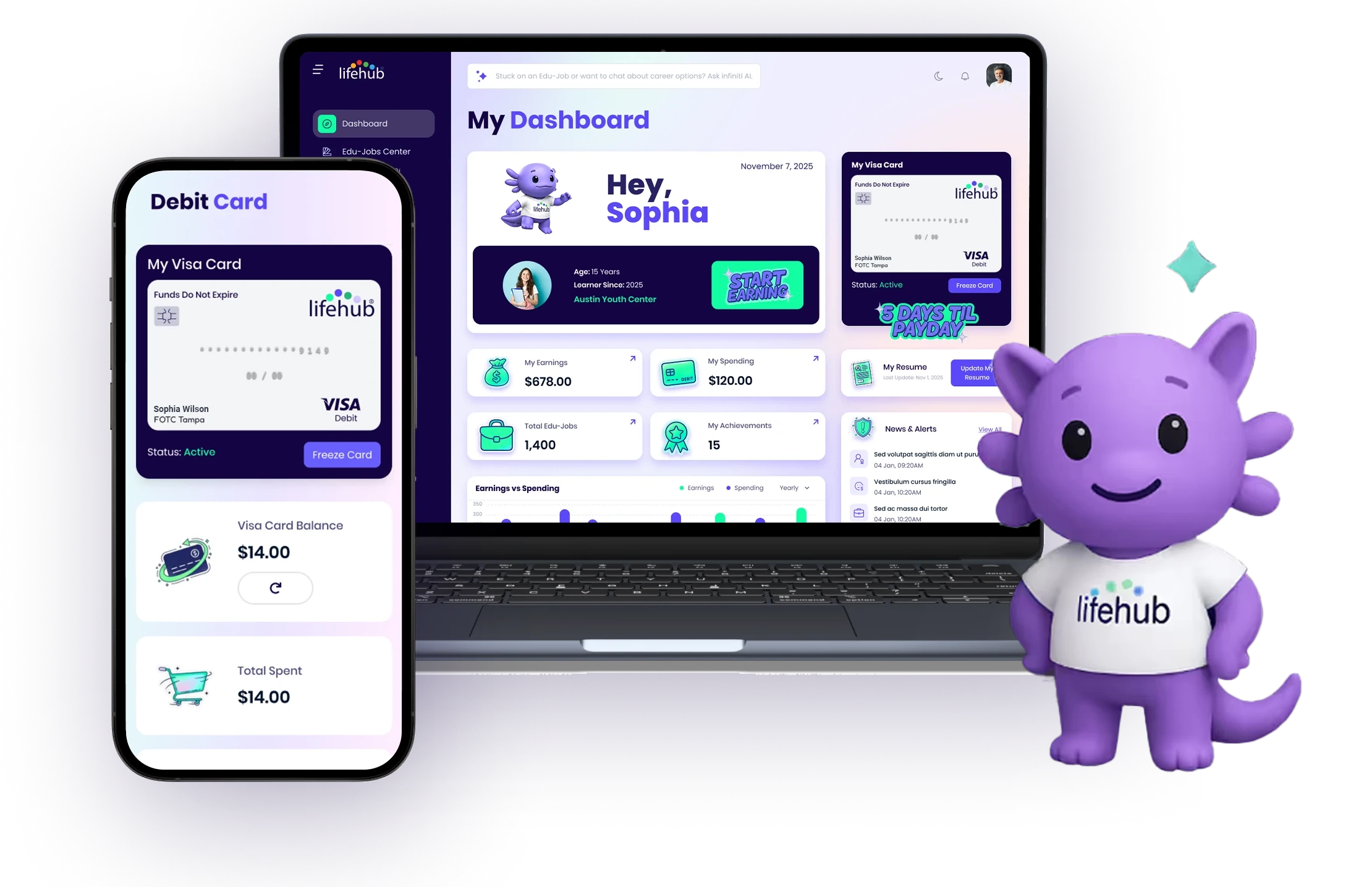
If you want to help young learners build real money skills while connecting effort with real rewards, you’re not alone. Many parents and educators are searching for practical ways to make financial literacy stick. Life Hub makes it simple. Their learn by doing platform lets learners earn cash for mastering money basics, from budgeting to digital banking. Each Edu Job is a chance to gain confidence and see progress in action. If you want a hands on way to teach important financial skills at home, it’s worth taking a look.
See Life Hub for Kids and Families


Related Content
Ready to Chat about Life Hub?
Whether you're parents, or a homeschool family, Life Hub is your partner to help you
raise super strong kids.

.svg)

.svg)


.svg)
.svg)

.svg)