In 2026, financial education for teens is essential as learners face new digital money choices and risks every day.
This guide gives teens and their families the tools to build strong money skills for life. You will find clear steps and smart strategies to help with earning, saving, budgeting, spending, borrowing, and protecting money.
Inside, you will discover practical advice, real-life examples, and the best digital resources. Each topic is broken down to make learning about money simple and engaging.
Ready to build confidence and independence? Start mastering money skills that last with this complete roadmap for teens and families.
Why Financial Education Matters for Teens in 2026
Today’s teens face huge changes in how they manage and spend money. The need for strong financial education for teens is growing as the digital world reshapes everything from earning to shopping. Understanding why this matters is the first step to real financial confidence.
The Changing Financial Landscape for Teens
The world of money is shifting fast. Most teens now use digital payments, mobile banking, and peer-to-peer apps instead of cash. Social media and online shopping shape spending choices every day.
Key changes include:
Regular use of fintech apps and contactless payments
Growing exposure to online stores and digital deals
Peer influence from social media on what to buy
Early mistakes can be costly. For example, a teen might click on a tempting online offer, only to lose money to a scam. Without the right skills, these experiences can hurt credit or create debt that lasts for years.
Even though 80 percent of teens say they want more financial education for teens, many still lack core money skills. According to the TIAA Institute-GFLEC Personal Finance Index, financial literacy rates remain low, and learners often face new risks that parents and schools struggle to address.
Benefits of Early Financial Literacy
Building financial education for teens early has lasting rewards. Teens who learn money skills gain more than just knowledge—they build habits that support independence and smart choices.
Some key benefits are:
Confidence in earning, saving, and spending money
Better chance to avoid debt and grow savings
Ability to set goals and track progress
Preparation for life events like college, first jobs, or major purchases
For example, a learner who starts saving for a new laptop learns to set goals and resist impulse buys. These habits help with bigger decisions later, such as managing student loans or budgeting for rent.
Early financial education for teens also means safer digital habits and a stronger start in adult life. With the right support, today’s teens can face the future with skills and confidence.
Core Money Skills Every Teen Should Master
Building strong money habits early can shape a learner’s confidence and decisions for life. Financial education for teens covers six essential skills: earning, saving, planning, spending, borrowing, and protecting money. Each area gives teens real-world tools for daily life and future goals.
Earning: Understanding Income and Paychecks
Earning money is a big milestone for most teens. Income can come from part-time jobs, freelancing, chores, or gig tasks. Each source has its own rules and rewards.
When a learner receives a paycheck, it may look smaller than expected due to taxes and other deductions. Understanding gross pay versus net pay is vital. Here is a simple breakdown:
Term
Meaning
Gross Pay
Total earned before deductions
Net Pay
Amount received after deductions
Deductions
Taxes, insurance, other fees
Tracking work hours and knowing worker rights helps teens avoid surprises. For example, a teen might expect $100 for a shift but receive $85 after deductions. Financial education for teens makes these lessons clear and less stressful.
Saving: Building Habits for the Future
Saving is more than putting away spare change. Opening a savings account introduces teens to interest and the benefits of starting early. Even small amounts can grow with compound interest over time.
Why save? Teens may set aside money for emergencies, a new gadget, or college. Setting a goal, like $10 a week, can make dreams feel possible. A learner who saves for a phone learns discipline, while one who saves for college invests in their future.
Financial education for teens includes teaching how to compare interest rates and track progress. Real-life practice helps these habits stick.
Planning: Setting and Achieving Financial Goals
Planning turns wishes into real goals. Teens can use the SMART method: goals should be Specific, Measurable, Achievable, Relevant, and Time-bound. Budgeting is the next step. A simple budget tracks income and spending, making it easier to reach goals.
Many learners use apps or online tools to set and monitor goals. For example, planning for a summer trip may involve saving a portion of each paycheck weekly. Teens can find more step-by-step guidance in resources like the Youth Financial Education Resources site, which offers practical tools and tips.
Spending & Shopping: Making Smart Choices
Spending wisely is a skill teens use every day. Smart shoppers compare prices, research products, and avoid impulse buys. Making a list or using a shopping app can help.
Compare similar products for value and quality
Decide what is a need versus a want
Use digital wallets or payment platforms safely
For instance, choosing between two sneakers may come down to durability, not just looks. Financial education for teens teaches these decision-making skills in real life.
Borrowing: Credit, Loans, and Responsible Use
Borrowing is part of modern life, but it comes with risks. Teens should know how credit cards and loans work, including interest rates and payment deadlines. Paying bills on time protects credit scores.
A learner’s first experience with a student credit card may be eye-opening. Small balances can grow quickly with interest. Learning to borrow responsibly is a key part of financial education for teens.
Protecting: Insurance, Scams, and Security
Protection means more than just insurance. Teens benefit from basic knowledge of health, auto, or renters insurance. They also need to spot scams, phishing, and identity theft.
Safe digital habits, like using strong passwords and not sharing personal info, are crucial. For example, a teen who double-checks online sellers before buying is less likely to fall for scams. Financial education for teens gives learners confidence to protect their money and information.
Step-by-Step Guide to Building Smart Money Skills
Building financial education for teens is a journey that starts at home and grows with hands-on practice. Use these steps to help learners build real confidence and skills for life.
Step 1: Start the Money Conversation
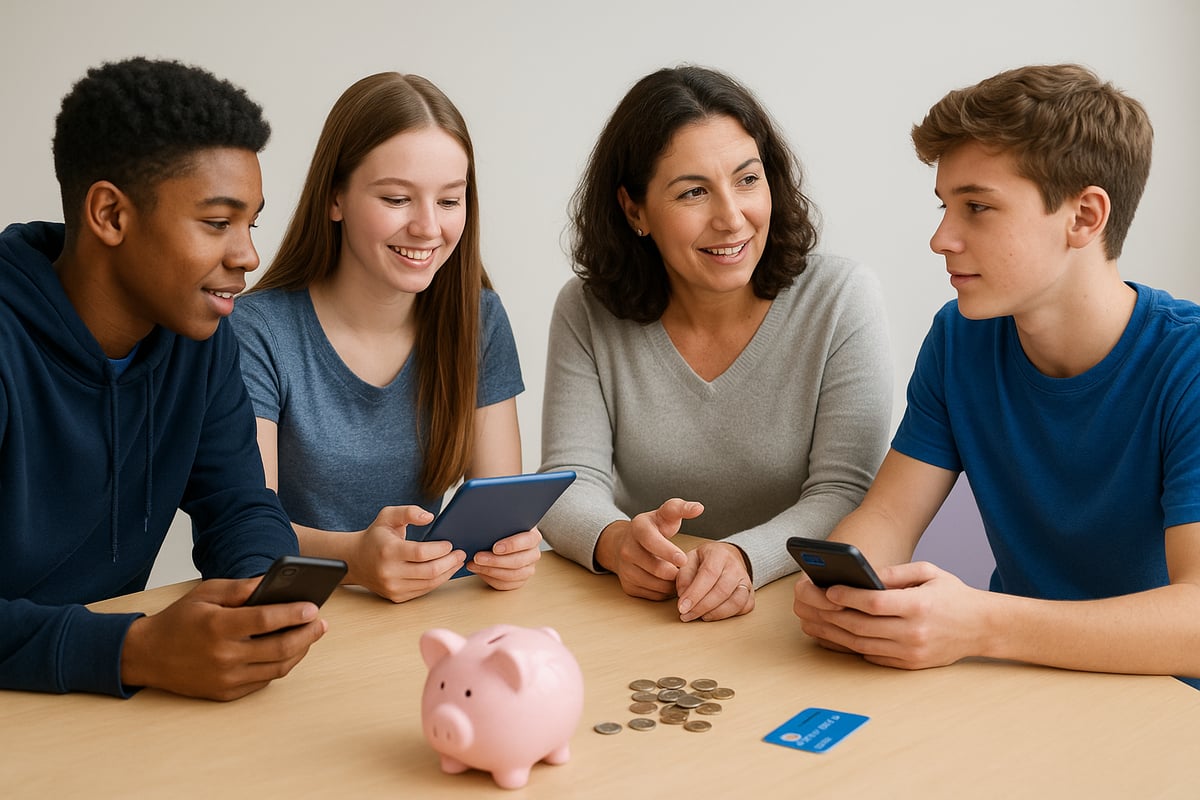
Open conversations about money help financial education for teens feel natural. Parents or mentors can share their own stories about earning, saving, or mistakes they've made. Make money talks a regular part of family life, not just a one-time lesson. Ask learners what they want to know about money, and listen without judgment. These early talks help teens feel comfortable asking questions and set the stage for learning.
Step 2: Set Up Real-World Money Experiences
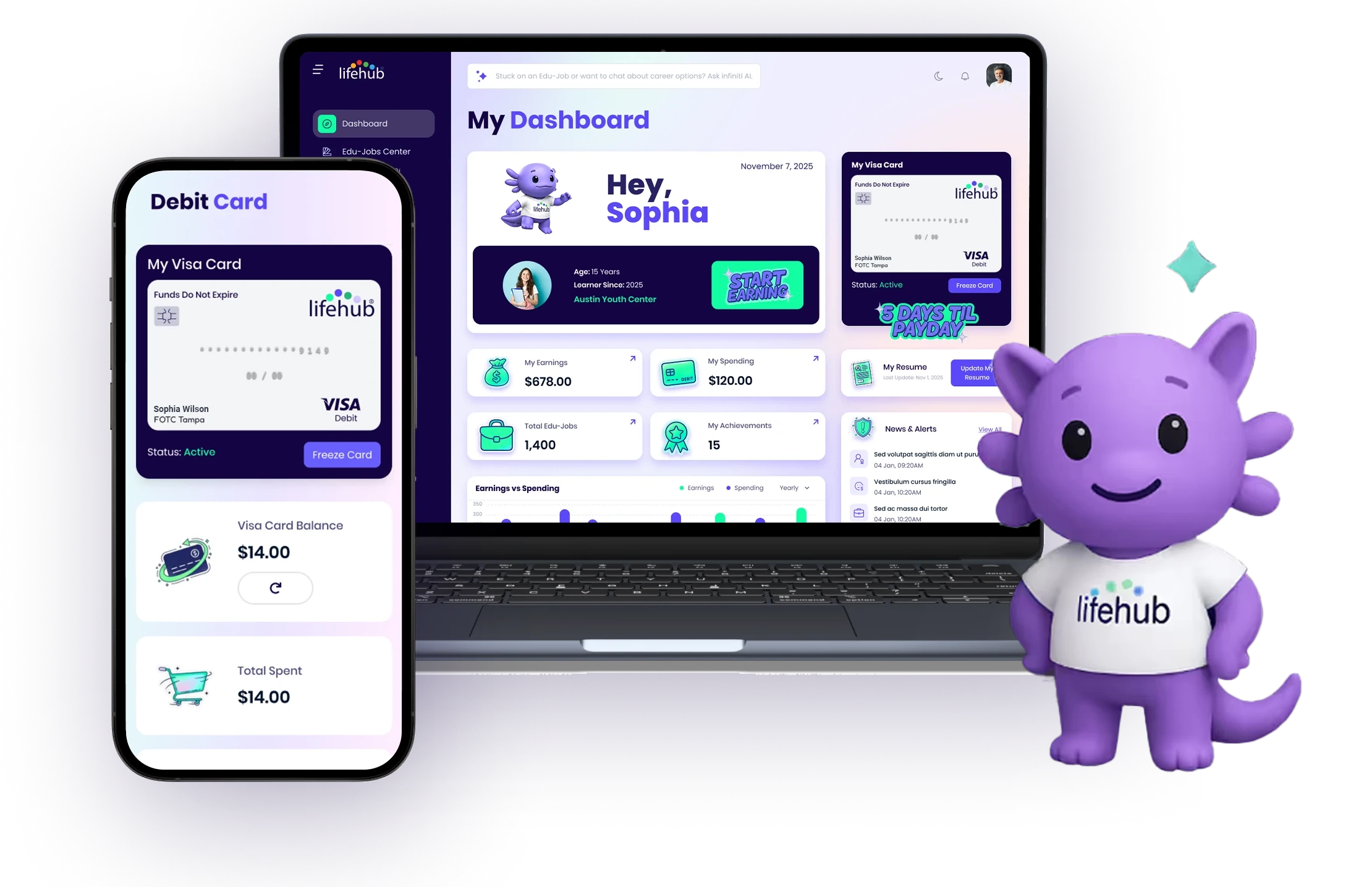
Hands-on practice is key for financial education for teens. Encourage learners to try part-time work, paid internships, or even small side gigs. Let them manage their own earnings, pay for expenses, and use safe youth banking tools. Platforms like the Life Hub financial education app offer paid micro-learning tasks and real debit cards, giving learners real-world experience in saving, spending, and budgeting. These experiences build skills that last.
Step 3: Teach Budgeting and Goal Setting
Show learners how to track income and expenses with a simple budget. Use a notebook, spreadsheet, or free app. Set clear, achievable goals, like saving for a concert or a new laptop. Review progress together each month, and adjust plans if needed. Financial education for teens is about building habits, not perfection. Celebrate small wins and help learners see how planning leads to real results.
Step 4: Introduce Digital Money Tools and Apps
Teens use digital tools every day, so include them in financial education for teens. Try budgeting apps made for youth, or use digital wallets for safe spending. Teach how to use debit cards and peer-to-peer payment apps responsibly. Check transactions together to spot issues early. Digital tools make it easier to manage money, track goals, and learn from real-life decisions.
Step 5: Practice Safe Spending and Protecting Information
Practice safe habits online and offline. Role-play common scenarios, like shopping online or getting a suspicious message. Discuss privacy, strong passwords, and what to do if something goes wrong. Remind learners to check website security and never share account details. Financial education for teens also means knowing how to spot scams and protect personal information. These skills help teens stay safe as they grow more independent.
Life Hub is a web and mobile platform designed to make financial education for teens practical and engaging. The app offers real-world experiences by letting learners complete paid micro-learning tasks, called “Edu Jobs,” that cover personal finance, school skills, and digital know-how. Each completed task earns real cash, which is loaded onto a Life Hub Visa debit card. This setup allows teens to practice managing money—saving, spending, and budgeting—within a safe, supportive environment.
Parents, schools, or sponsors fund the platform, so teens see the direct results of their efforts. Features like goal tracking, impact analytics, and AI-powered learning journeys help learners set targets and monitor progress. Life Hub stands out by bridging classroom lessons with hands-on practice, helping learners gain confidence with money before adulthood.
The platform uses tools and rewards that motivate and build real skills. For more on how earning real rewards boosts engagement and money skills, see Financial rewards in education. By combining tech, guidance, and real money tasks, Life Hub supports financial education for teens and prepares them for the challenges of modern money management.
Tools, Resources, and Apps for Teen Financial Success
The right tools can make financial education for teens practical and engaging. Today’s learners have access to a variety of digital solutions, hands-on resources, and support systems. These options help teens build real-world confidence and establish smart money habits.
Best Banking and Budgeting Tools for Teens
Many banks offer youth checking and savings accounts with parental controls. These accounts are designed for easy monitoring and guidance. Prepaid debit cards and dedicated banking apps for teens allow safe spending, clear limits, and goal setting.
Features to look for include:
No or low monthly fees
Customizable spending limits
Real-time alerts for transactions
Built-in savings goals
A simple comparison table may help:
Feature
Youth Bank Account
Prepaid Debit Card
Teen Banking App
Parental Controls
Yes
Yes
Yes
Savings Goals
Yes
Sometimes
Yes
Real-Time Alerts
Yes
Yes
Yes
Fees
Low/None
Varies
Low/None
These tools make financial education for teens interactive and safe.
Recommended Financial Literacy Resources
There are many free and trusted resources to help teens learn about money. Online courses, modules, and interactive games teach important skills in a hands-on way. For example, Research and resources for teen finance offers a curated list of articles, guides, and activities for young people and their families.
Learners may also benefit from FDIC Money Smart for Young People, which provides lesson plans and real-life exercises for various age groups. These resources support financial education for teens at every stage of their journey.
Using Technology and AI in Financial Learning
Technology is changing how teens approach money. Many apps use AI to personalize lessons, track progress, and offer feedback. Gamified features such as quizzes and challenges keep teens engaged and motivated to reach their goals.
Some apps reward positive habits with points or even real cash. Others allow learners to set up virtual budgets and simulate real-world choices. These digital options make financial education for teens more practical and fun.
Parental and Educator Support Tools
Support from adults is key to lasting financial skills. Many platforms offer dashboards for parents and educators to monitor progress and offer advice. Community forums, webinars, and local workshops help families connect and share tips.
Collaboration between schools, families, and organizations helps reinforce learning. This support network encourages teens to ask questions and take charge of their financial education for teens journey.
Overcoming Common Money Challenges for Teens
Teens today face unique hurdles as they learn to manage money. Social media, fast-changing technology, and new payment tools can make it hard to keep up. A strong foundation in financial education for teens can help learners gain confidence and avoid common pitfalls.
Peer Pressure and Social Media Influences
Peer pressure and social media trends often shape how teens view spending. It's easy to want the newest gadgets or clothes when influencers seem to have it all. This is where financial education for teens makes a difference.
Tips to manage social pressures:
Pause before buying, and ask if a purchase fits your real needs.
Set personal saving goals, and track them visually.
Talk with peers about money choices and support each other's goals.
For example, a teen may choose to save for a concert ticket instead of buying a trendy item, showing how smart money choices build independence.
Dealing with Mistakes and Learning from Experience
Making mistakes is part of learning, especially with money. Overspending, falling for a scam, or forgetting to track expenses can happen to anyone. Through financial education for teens, learners can turn setbacks into lessons.
Ways to handle mistakes:
Review what happened, and identify what you can change.
Set a plan to recover, such as adjusting your budget or reporting a scam.
Remember, every mistake is a chance to grow.
If a learner overspends on a shopping app, they can use that experience to create a stricter budget next month.
Balancing Earning, Saving, and Spending
Finding balance is key for financial success. Many teens juggle part-time jobs, allowances, and spending temptations. Using financial education for teens, learners can prioritize what matters most.
A teen may use a budgeting app to decide how much to save from each paycheck, making sure essentials and goals come first.
Building Confidence and Independence
Confidence grows with each financial step. When learners meet savings goals or recover from mistakes, they build independence. Support from family, schools, and resources that highlight Americans Support Financial Education in Schools can reinforce the value of financial education for teens.
Celebrate small wins and keep learning. Each positive choice brings learners closer to lifelong money skills.
As you help your teen build confidence with real money skills, it’s helpful to have the right resources by your side. With Life Hub, learners practice earning, saving, and budgeting through practical Edu Jobs, all while exploring subjects that matter for their future. Parents can follow progress, set goals together, and see real growth as teens use their own Visa debit card for hands-on experience. If you’re looking for a way to support your family’s financial learning journey in a safe, supportive environment, See Life Hub for Kids and Families.
Share:
No items found.
What Happiness Looks Like in Real Life
Real quotes. Real smiles. Real change.
Annie Holub
Desert Dragon Learning Community
Kids who otherwise resisted any kind of assignment have been actually asking to get on Life Hub and complete work. Parents and kids always light up when I explain how it works, and have reported that it's one of the reasons they chose our school. It's been a true asset to our program.
Janet Bell
Mother
Graham is enjoying Life Hub immensely! He loves the variety of topics and is always excited to share with me what he has learned. I love the ease of being able to view and assign courses, as well as all the other things the program offers. We are definitely big fans of Life Hub!
April Schmitt
Friends of the Children
I like the choices it gives youth to decide what they want to learn and, how much money they want to make by learning things about careers or life in general.
Shambria Young
Friends of the Children
Life Hub has allowed my mentees an opportunity to learn skills that are going to help them have a productive life.
Coi Morefield
The Lab School of Memphis
I have seen first-hand the power and intrinsic motivation cultivated when learners select from the hundreds of jobs, completed using Office within 15-30 minutes. Not only does the platform integrate learning with real-world skills but also rewards learners with cash earnings paid out in their Life Hub Wallet every Friday.
Rick McClintock
Friends of the Children Tampa Bay
We’ve seen many of our mentees adopt ‘Life Hub’ as an important part of their lives that allows them to engage, learn, perform educational jobs, earn income, and then spend or save those earnings.
Dr. Elijah Lefkowitz
The Boys & Girls Clubs of Lee County
Our youth love Life Hub. Out of the gate, we saw high levels of engagement and increased attendance.
Max Massengill
Academy Prep St. Petersburg, Florida
When our Academy Prep Scholars participated in their first Edu-Job “Design Your Lifestyle”, I knew right then that we had hit a grand slam!
Rosanna Mhlanga
Arkansas Lighthouse Charter Schools
We didn’t expect the impact it has had on overall student engagement, increased attendance, better academic performance, improved self esteem, and higher rates of parental/guaridian participation. In all my years as an educator, I’ve never seen anything like Life Hub!
Jaymie Johnson
The Boys & Girls Clubs of Tampa Bay
Life Hub is opening their eyes to possibilities and introducing them to new ideas.
Caryan Lipscomb
Arkansas Lighthouse Academy
I Love hearing my students talk about how they are working to make money with Life Hub to buy things they want. They can clearly differentiate wants vs needs and also understand it’s their money that they can spend or save.
Coi Morefield
The Lab School of Memphis
I have seen first-hand the power and intrinsic motivation cultivated when learners select from the hundreds of jobs, completed using Office within 15-30 minutes. Not only does the platform integrate learning with real-world skills but also rewards learners with cash earnings paid out in their Life Hub Wallet every Friday.
Annie Holub
Desert Dragon Learning Community
Kids who otherwise resisted any kind of assignment have been actually asking to get on Life Hub and complete work. Parents and kids always light up when I explain how it works, and have reported that it's one of the reasons they chose our school. It's been a true asset to our program.
Janet Bell
Mother
Graham is enjoying Life Hub immensely! He loves the variety of topics and is always excited to share with me what he has learned. I love the ease of being able to view and assign courses, as well as all the other things the program offers. We are definitely big fans of Life Hub!
April Schmitt
Friends of the Children
I like the choices it gives youth to decide what they want to learn and, how much money they want to make by learning things about careers or life in general.
Shambria Young
Friends of the Children
Life Hub has allowed my mentees an opportunity to learn skills that are going to help them have a productive life.
Rick McClintock
Friends of the Children Tampa Bay
We’ve seen many of our mentees adopt ‘Life Hub’ as an important part of their lives that allows them to engage, learn, perform educational jobs, earn income, and then spend or save those earnings.
Dr. Elijah Lefkowitz
The Boys & Girls Clubs of Lee County
Our youth love Life Hub. Out of the gate, we saw high levels of engagement and increased attendance.
Max Massengill
Academy Prep St. Petersburg, Florida
When our Academy Prep Scholars participated in their first Edu-Job “Design Your Lifestyle”, I knew right then that we had hit a grand slam!
Rosanna Mhlanga
Arkansas Lighthouse Charter Schools
We didn’t expect the impact it has had on overall student engagement, increased attendance, better academic performance, improved self esteem, and higher rates of parental/guaridian participation. In all my years as an educator, I’ve never seen anything like Life Hub!
Jaymie Johnson
The Boys & Girls Clubs of Tampa Bay
Life Hub is opening their eyes to possibilities and introducing them to new ideas.
Caryan Lipscomb
Arkansas Lighthouse Academy
I Love hearing my students talk about how they are working to make money with Life Hub to buy things they want. They can clearly differentiate wants vs needs and also understand it’s their money that they can spend or save.


![[Life Hub: Real-World Financial Learning for Teens] (https://www.lifehubeducation.com/)](https://cdn.prod.website-files.com/68e66803043d675061c5a637/696b5e2011a02ab711b62d74_article-b692125d-4dca-407a-ab3-a-realistic-high-quality-photograph-of-a-diverse-g-3-zycc9y.jpeg)



.avif)













.png)

.svg)

.svg)


.svg)
.svg)

.svg)