Did you know that only 28% of teens feel confident managing their money? As the world of spending and saving changes fast, having strong financial education for teens is more important than ever. This guide gives learners and families practical steps to build money skills that last a lifetime. Inside, you will find easy-to-follow advice on key financial concepts, daily habits, and tools to help teens feel ready for real-life choices. Ready to unlock confidence and build smart money habits? Start here.
Why Financial Education Matters for Teens in 2026
The way teens handle money is changing fast. Digital wallets, online banking, and even cryptocurrencies are now part of daily life. Cash is used less often. This shift makes financial education for teens more important than ever.
Recent data shows only 23 US states require high school courses on money management. Many teens graduate without essential skills. As a result, they may face tough choices about loans, credit cards, and student debt soon after high school. According to a recent survey, more teens are taking financial literacy classes, but learning gaps remain.
Why does this matter? Teens who lack financial education for teens often fall into common traps:
Impulse spending on trends or digital purchases
Not saving for emergencies or future goals
Misunderstanding how credit cards, loans, and interest work
These pitfalls can lead to overdraft fees, mounting debt, or poor credit scores. Early mistakes may follow learners into adulthood.
Parents play a big part, too. Teens whose families talk openly about money tend to make smarter choices. Schools, mobile apps, and community programs can help fill in the gaps, giving learners more ways to build confidence.
Imagine a teen who learns to budget. By tracking spending and setting aside money each week, they avoid overdraft fees and watch their savings grow. This simple habit can mean less stress and more options later on.
Starting financial education for teens early builds a strong foundation. It helps learners feel ready for real-world money decisions—whether saving for a big purchase, managing a first job, or planning for college. The habits and lessons learned now can shape lifelong financial well-being.
The Six Core Money Skills Every Teen Should Master
Building strong financial education for teens starts with six core skills. Each pillar helps learners handle money confidently, whether earning their first paycheck or protecting against online scams. Mastering these skills is key to lifelong financial well-being.
Earning: Understanding Paychecks, Taxes, and Side Hustles
Earning money is often the first step in financial education for teens. Jobs, gigs, or allowances introduce the basics of income.
A paycheck stub shows gross pay (before taxes) and net pay (what you take home). Taxes and withholdings can surprise first-time earners. For example, a 16-year-old earning $200 in a week may receive only $170 after deductions.
Learning to read a pay stub builds confidence and helps learners plan for what they actually have to spend.
Saving: Building Habits and Emergency Funds
Saving is a pillar of financial education for teens. Starting early lets learners see the magic of compound interest. Even small, regular deposits grow over time.
Setting up a savings account or digital wallet makes saving routine. Aim for an emergency fund that covers small surprises, like a lost phone or bike repair.
For example, saving $10 a week adds up to $520 in a year. This habit builds a safety net and financial independence.
Planning: Setting Short- and Long-Term Financial Goals
Goal-setting gives financial education for teens real purpose. Whether saving for a phone, a car, or college, clear targets drive action.
The SMART framework (Specific, Measurable, Achievable, Relevant, Time-bound) helps learners break big goals into steps. Tools like vision boards or budgeting apps make progress easy to track.
For instance, planning for a $2,000 used car in 18 months requires saving about $28 each week.
Shopping: Making Smart Spending Choices
Smart shopping is critical in financial education for teens. Comparing prices and understanding needs versus wants helps stretch every dollar.
Avoid impulse buys by using wish lists or waiting 24 hours before spending. Recognize marketing tricks that tempt you to spend more.
A learner might compare sneaker prices online and in-store, spotting a $20 savings just by checking two sites. These habits prevent regret and encourage mindful spending.
Borrowing: Credit, Loans, and Responsible Debt
Understanding borrowing is essential for financial education for teens. Credit can open doors but also brings risks if not managed well.
Learn how credit scores and reports work. Know the difference between credit and debit cards. Student loans are a big decision, so knowing the basics is vital.
For example, missing a payment can drop a credit score, making future borrowing harder. Building positive credit early opens more options later.
Protecting: Insurance, Scams, and Digital Safety
Protecting money is the final pillar of financial education for teens. Insurance (health, auto, renters) shields against big losses. Digital safety is just as important.
Guard against identity theft by using strong passwords and safe banking practices. If a debit card is stolen, report it immediately to limit losses.
Families can find more financial resources for families to help teens learn about protecting their money and staying safe online.
Step-by-Step Guide: Building Smart Money Skills as a Teen
Starting strong with financial education for teens means taking practical steps, one at a time. This guide breaks down how learners and families can build real money confidence, using real-life examples and easy-to-follow actions.
Step 1: Start with Real-Life Money Conversations
Open, honest talks about money are the foundation of financial education for teens. Parents and mentors can share their own stories, including both wins and mistakes. This helps normalize money topics and removes any shame or fear.
Encourage questions. Try discussing the family grocery budget together. For example, compare the costs of cooking at home versus eating out. These chats teach teens that money is a tool, not a taboo subject.
Step 2: Open and Manage Bank Accounts
A key part of financial education for teens is learning how to use bank accounts. Start by choosing a teen-friendly checking and savings account. Look for low fees, no minimums, and easy online access.
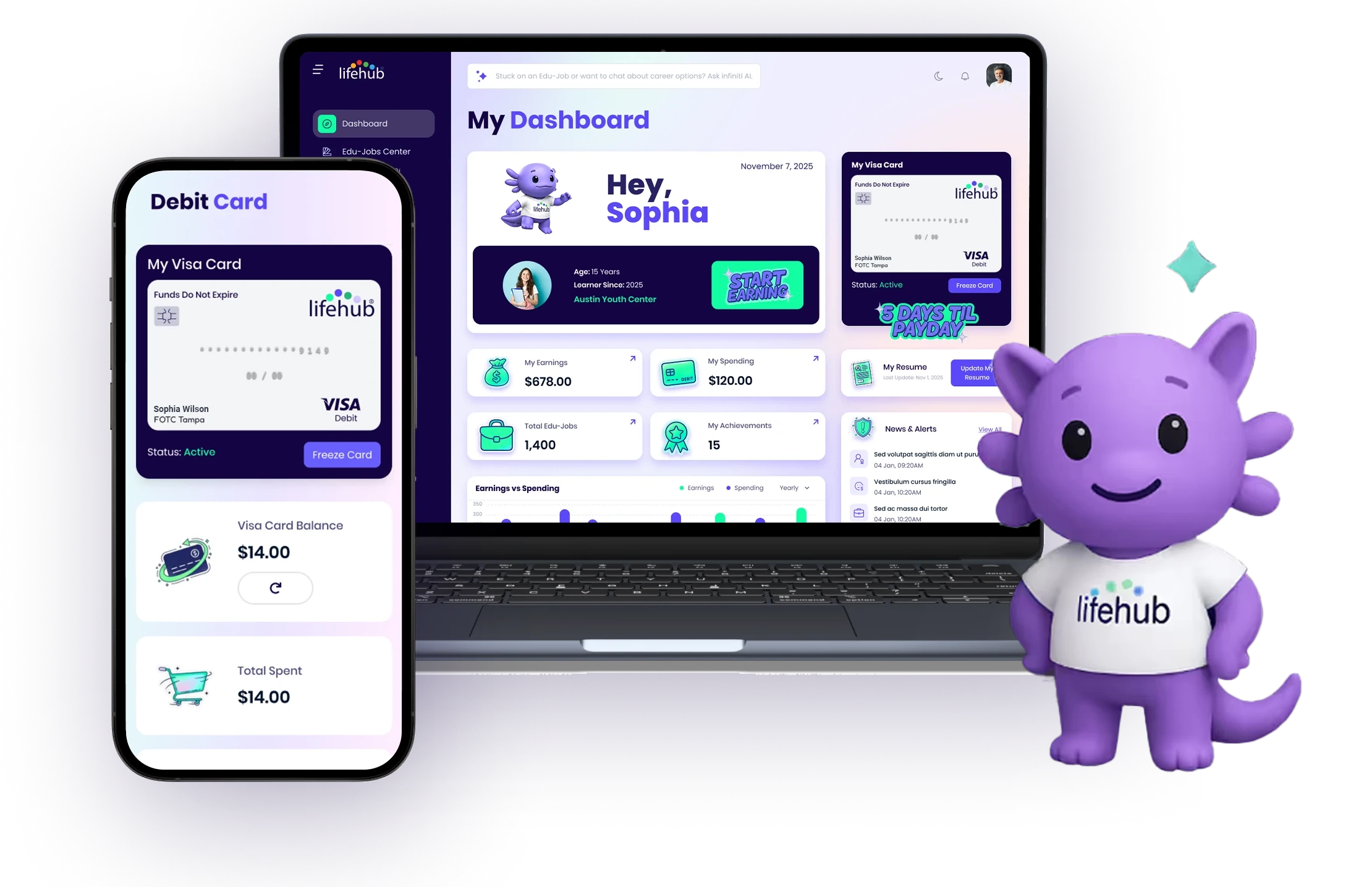
Set up direct deposit for jobs or allowances, so money goes straight into savings. Try using a mobile app to track spending and see balances in real time. Tools like the Life Hub learn-to-earn app can give teens hands-on experience managing digital money and learning new skills.
Step 3: Create and Stick to a Budget
Budgeting is a core skill in financial education for teens. The 50/30/20 rule is simple: use 50% of income for needs, 30% for wants, and 20% for savings. Apps can help track spending and set limits.
Adjust the budget as goals change, like saving more for a summer trip. For example, a learner with a part-time job can use a budget app to see where money goes each month and make smarter choices.
Step 4: Practice Saving and Investing Early
Saving and investing are crucial parts of financial education for teens. Set up automatic transfers, even if it is just a few dollars each week. Over time, small amounts can grow thanks to compounding.
Explore micro-investing apps or custodial accounts with a parent. For instance, investing $100 a year from age 15 to 25 could add up to a solid starter fund. Building these habits early makes a big difference later.
Step 5: Build Credit Responsibly
Building credit is a big step toward independence. Teens can become authorized users on a parent’s credit card to start a credit history. At 18, consider a secured or student credit card.
Check credit reports regularly for mistakes. Making payments on time and keeping balances low can help set up a strong credit score before college.
Step 6: Protect Against Risks and Scams
Digital safety is vital. Learn to spot phishing emails and fake messages. Always use strong passwords and two-factor authentication for banking apps.
If personal information is stolen, report it right away. For example, a learner who notices a suspicious charge on their debit card should contact the bank immediately to avoid bigger problems.
Digital Tools and Resources for Teen Financial Literacy
Today, digital tools are central to financial education for teens. With so many choices, it is easier than ever for learners to build skills, track spending, and set goals. Let us explore the best apps, platforms, and programs that support smart money habits.
Mobile Apps and Online Platforms for Money Management
Mobile apps are a popular entry point for financial education for teens. These apps help learners track spending, set savings goals, and get instant alerts on their phones. Many include features like parental controls or spending limits, making them safe and supportive.
Popular options include Greenlight, Step, and others. Greenlight, for example, lets teens manage chores, save for goals, and spend with a debit card monitored by parents. According to recent data, teens using these apps are 65% more likely to save money regularly. For more app ideas, check out 5 Fun Resources to Teach Kids About Money.
These tools help learners develop good habits early and stay accountable.
Interactive Learning: Gamified and Micro-Learning Platforms
Gamified platforms bring financial education for teens to life. By turning lessons into games or short challenges, teens stay engaged and learn faster. Micro-learning offers bite-sized content, so learners can fit lessons into busy days.
Examples include virtual stock market games, which let teens practice investing without risk. Quiz-based apps test money skills and reward correct answers. Research shows that learners using gamified lessons retain 30% more knowledge compared to traditional methods.
These platforms make it fun to master budgeting, saving, and investing basics. Teens can track progress, earn badges, and compete with friends, building confidence in real-world money skills.
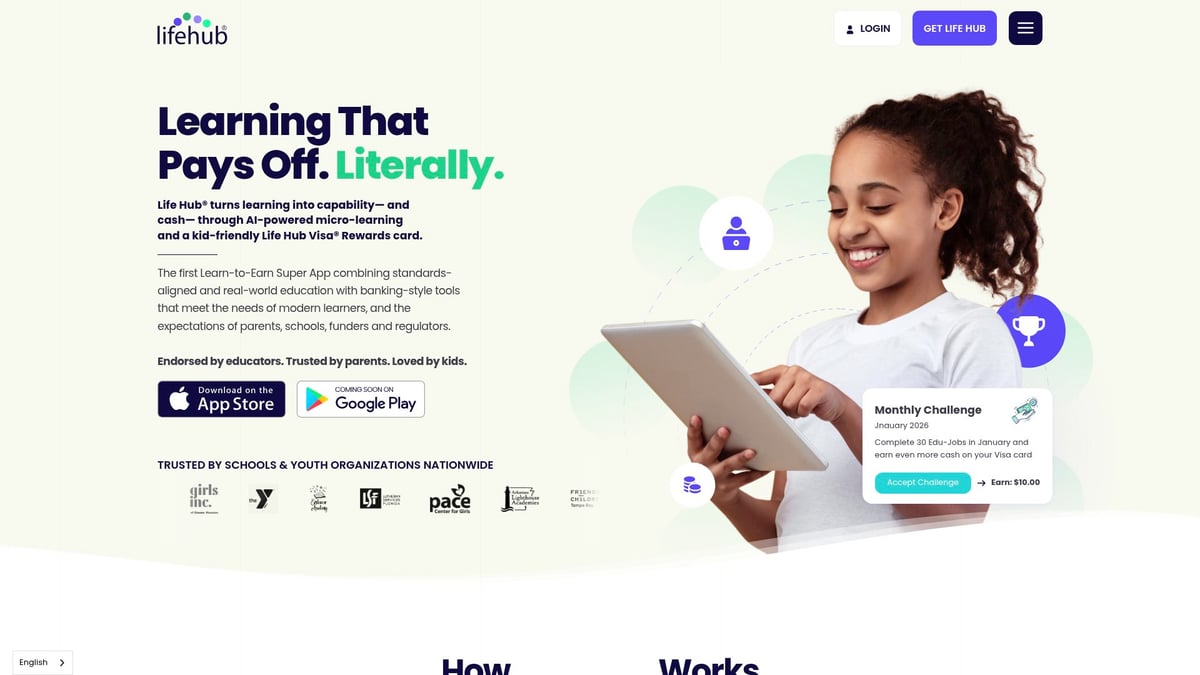
Life Hub stands out in financial education for teens by linking learning to real rewards. The app offers paid micro-learning “Edu Jobs” on money skills, career readiness, and more. Teens can earn real cash, which is deposited onto a Visa debit card, as they master topics.
Life Hub combines lessons, quizzes, and real-world banking tools in one place. Its curriculum aligns with national standards and provides analytics for families and schools. This helps track progress and measure impact.
Designed for learners, families, and youth groups, Life Hub supports financial confidence and motivates teens to turn knowledge into action.
Community Programs and School-Based Initiatives
Beyond apps, community and school programs are vital for financial education for teens. Many high schools now offer personal finance courses or after-school clubs focused on money skills. Community centers and credit unions also host workshops and summer camps.
Getting involved locally or joining online events can boost learning. For example, some schools hold “Money Smart Week,” where learners set savings goals and track their progress together.
By combining digital tools with real-world support, teens build strong habits and stay motivated on their financial journey.
Real-World Scenarios: Applying Money Skills as a Teen
Learning financial education for teens is not just about theory. Real-world situations help turn lessons into lifelong habits. Here are practical scenarios where teens put these skills to the test.
Budgeting for a School Trip
Imagine a teen planning for a class trip. They create a budget, track expenses, and compare prices for travel and meals. By sticking to their plan, they avoid borrowing money and finish the trip debt-free. Many school financial education programs now teach learners how to budget for real events, making financial education for teens more practical.
Facing Peer Pressure to Spend
Teens often feel pressure to buy the latest trends. One learner resists splurging on new sneakers by checking prices, waiting a week, and deciding if it fits their needs. This approach keeps spending in check and builds smart habits.
Work, Save, or Spend: Summer Choices
Summer brings choices. Some teens pick up part-time work, others save for future goals, and some choose to spend on experiences with friends. Financial education for teens helps weigh these options and set priorities.
Buying a First Car: More than a Down Payment
A learner saves for a used car. They research costs, set aside money for insurance, gas, and repairs, not just the purchase price. This big-picture thinking is a core part of financial education for teens.
Emergency Fund in Action
When a phone breaks or a medical bill appears, a small emergency fund can save the day. Teens who save $10 a week find they have resources for surprises, avoiding stress and debt.
Managing Digital Money with Friends
Splitting a pizza bill or concert tickets? Teens use payment apps, check for fees, and confirm payment details. They keep accounts secure with strong passwords and two-factor authentication.
Learning from Mistakes
Everyone slips up. A teen might overdraft their account or make an impulse buy. The key is to review what happened, adjust their budget, and try again. Practice is a crucial part of financial education for teens.
According to research and financial literacy studies, teens who use real-life scenarios are 40% more confident making money decisions. These experiences build the foundation for smart choices now and in the future.
Expert Tips for Parents and Teens: Building Lifelong Money Confidence
Building financial education for teens is a team effort. Parents, mentors, and teens themselves all play a role. These expert tips help families grow money confidence together.
Encouraging Independence and Accountability
Letting teens make small financial choices teaches lessons that stick. Give them a weekly allowance or set up a spending account. Encourage them to budget and save for things they want.
Set up regular check-ins. Review spending and saving goals together. For example, agree on targets like saving 20 percent of their allowance each week. This builds habits that last.
When teens manage their own money, financial education for teens becomes real and personal.
Modeling Positive Financial Behaviors at Home
Teens watch what adults do. Share both your successes and mistakes with money. Show how you budget for groceries or save for a family trip.
Try a family savings challenge. Set a group goal—like saving for a weekend outing—and track your progress together. Discuss choices openly.
Public support is growing for financial education for teens in schools. According to a recent survey, most Americans want these lessons taught early, making home examples even more powerful.
Leveraging Teachable Moments and Everyday Experiences
Everyday life is full of money lessons. Use shopping trips, bill payments, or even a surprise expense as teaching moments. Explain how you compare prices or read a credit card statement together.
Talk about news stories on scams or data breaches. Ask your teen what they would do in those situations.
When families connect real events to financial education for teens, lessons stick longer.
Staying Updated: Financial Trends and Skills for the Future
Money changes fast. Digital currencies, new payment apps, and AI tools are shaping the future. Encourage teens to stay curious and keep learning.
Explore trusted websites, podcasts, or newsletters for youth. Discuss how technology can help automate savings or budgeting.
A recent study shows that financial literacy remains low among adults, so starting early helps close the gap. Lifelong learning is key for financial education for teens.
If you’re ready to help a learner build real money skills for 2026 and beyond, it helps to have the right support. We’ve talked about setting up bank accounts, practicing saving, and learning by doing. If you want a hands-on way to put these tips into action, you may want to check out how real learners earn, save, and manage money together with their families. You can see how paid micro-learning tasks connect effort to real rewards, and explore practical tools that make financial education feel possible at home. See Life Hub for Kids and Families
Share:
No items found.
What Happiness Looks Like in Real Life
Real quotes. Real smiles. Real change.
Annie Holub
Desert Dragon Learning Community
Kids who otherwise resisted any kind of assignment have been actually asking to get on Life Hub and complete work. Parents and kids always light up when I explain how it works, and have reported that it's one of the reasons they chose our school. It's been a true asset to our program.
Janet Bell
Mother
Graham is enjoying Life Hub immensely! He loves the variety of topics and is always excited to share with me what he has learned. I love the ease of being able to view and assign courses, as well as all the other things the program offers. We are definitely big fans of Life Hub!
April Schmitt
Friends of the Children
I like the choices it gives youth to decide what they want to learn and, how much money they want to make by learning things about careers or life in general.
Shambria Young
Friends of the Children
Life Hub has allowed my mentees an opportunity to learn skills that are going to help them have a productive life.
Coi Morefield
The Lab School of Memphis
I have seen first-hand the power and intrinsic motivation cultivated when learners select from the hundreds of jobs, completed using Office within 15-30 minutes. Not only does the platform integrate learning with real-world skills but also rewards learners with cash earnings paid out in their Life Hub Wallet every Friday.
Rick McClintock
Friends of the Children Tampa Bay
We’ve seen many of our mentees adopt ‘Life Hub’ as an important part of their lives that allows them to engage, learn, perform educational jobs, earn income, and then spend or save those earnings.
Dr. Elijah Lefkowitz
The Boys & Girls Clubs of Lee County
Our youth love Life Hub. Out of the gate, we saw high levels of engagement and increased attendance.
Max Massengill
Academy Prep St. Petersburg, Florida
When our Academy Prep Scholars participated in their first Edu-Job “Design Your Lifestyle”, I knew right then that we had hit a grand slam!
Rosanna Mhlanga
Arkansas Lighthouse Charter Schools
We didn’t expect the impact it has had on overall student engagement, increased attendance, better academic performance, improved self esteem, and higher rates of parental/guaridian participation. In all my years as an educator, I’ve never seen anything like Life Hub!
Jaymie Johnson
The Boys & Girls Clubs of Tampa Bay
Life Hub is opening their eyes to possibilities and introducing them to new ideas.
Caryan Lipscomb
Arkansas Lighthouse Academy
I Love hearing my students talk about how they are working to make money with Life Hub to buy things they want. They can clearly differentiate wants vs needs and also understand it’s their money that they can spend or save.
Coi Morefield
The Lab School of Memphis
I have seen first-hand the power and intrinsic motivation cultivated when learners select from the hundreds of jobs, completed using Office within 15-30 minutes. Not only does the platform integrate learning with real-world skills but also rewards learners with cash earnings paid out in their Life Hub Wallet every Friday.
Annie Holub
Desert Dragon Learning Community
Kids who otherwise resisted any kind of assignment have been actually asking to get on Life Hub and complete work. Parents and kids always light up when I explain how it works, and have reported that it's one of the reasons they chose our school. It's been a true asset to our program.
Janet Bell
Mother
Graham is enjoying Life Hub immensely! He loves the variety of topics and is always excited to share with me what he has learned. I love the ease of being able to view and assign courses, as well as all the other things the program offers. We are definitely big fans of Life Hub!
April Schmitt
Friends of the Children
I like the choices it gives youth to decide what they want to learn and, how much money they want to make by learning things about careers or life in general.
Shambria Young
Friends of the Children
Life Hub has allowed my mentees an opportunity to learn skills that are going to help them have a productive life.
Rick McClintock
Friends of the Children Tampa Bay
We’ve seen many of our mentees adopt ‘Life Hub’ as an important part of their lives that allows them to engage, learn, perform educational jobs, earn income, and then spend or save those earnings.
Dr. Elijah Lefkowitz
The Boys & Girls Clubs of Lee County
Our youth love Life Hub. Out of the gate, we saw high levels of engagement and increased attendance.
Max Massengill
Academy Prep St. Petersburg, Florida
When our Academy Prep Scholars participated in their first Edu-Job “Design Your Lifestyle”, I knew right then that we had hit a grand slam!
Rosanna Mhlanga
Arkansas Lighthouse Charter Schools
We didn’t expect the impact it has had on overall student engagement, increased attendance, better academic performance, improved self esteem, and higher rates of parental/guaridian participation. In all my years as an educator, I’ve never seen anything like Life Hub!
Jaymie Johnson
The Boys & Girls Clubs of Tampa Bay
Life Hub is opening their eyes to possibilities and introducing them to new ideas.
Caryan Lipscomb
Arkansas Lighthouse Academy
I Love hearing my students talk about how they are working to make money with Life Hub to buy things they want. They can clearly differentiate wants vs needs and also understand it’s their money that they can spend or save.





.avif)













.png)

.svg)

.svg)


.svg)
.svg)

.svg)