8 Innovative Ways to Enhance Your Educational Experience 2026


Imagine walking into a classroom in 2026. The room feels alive. Lessons are not just lectures, but immersive journeys shaped for every learner. Technology guides you, and each activity connects to real-world success.
As education changes, new approaches can make your educational experience more rewarding. Learning can be practical, engaging, and ready for the future. These shifts help you connect what you study to what you need in life.
In this article, you will discover eight ways to upgrade how you learn. From using AI-powered tools to building global friendships and mastering life skills, each tip is designed to help you thrive. Get ready to see how your education can transform in 2026.
The Changing Landscape of Education in 2026
Imagine a world where your educational experience is shaped by new ideas and technology. In 2026, learning is more flexible, tailored, and focused on real-world needs than ever before. Schools and programs are adapting to meet the changing demands of learners, helping you grow both in and out of the classroom.
Key Trends Shaping Modern Learning
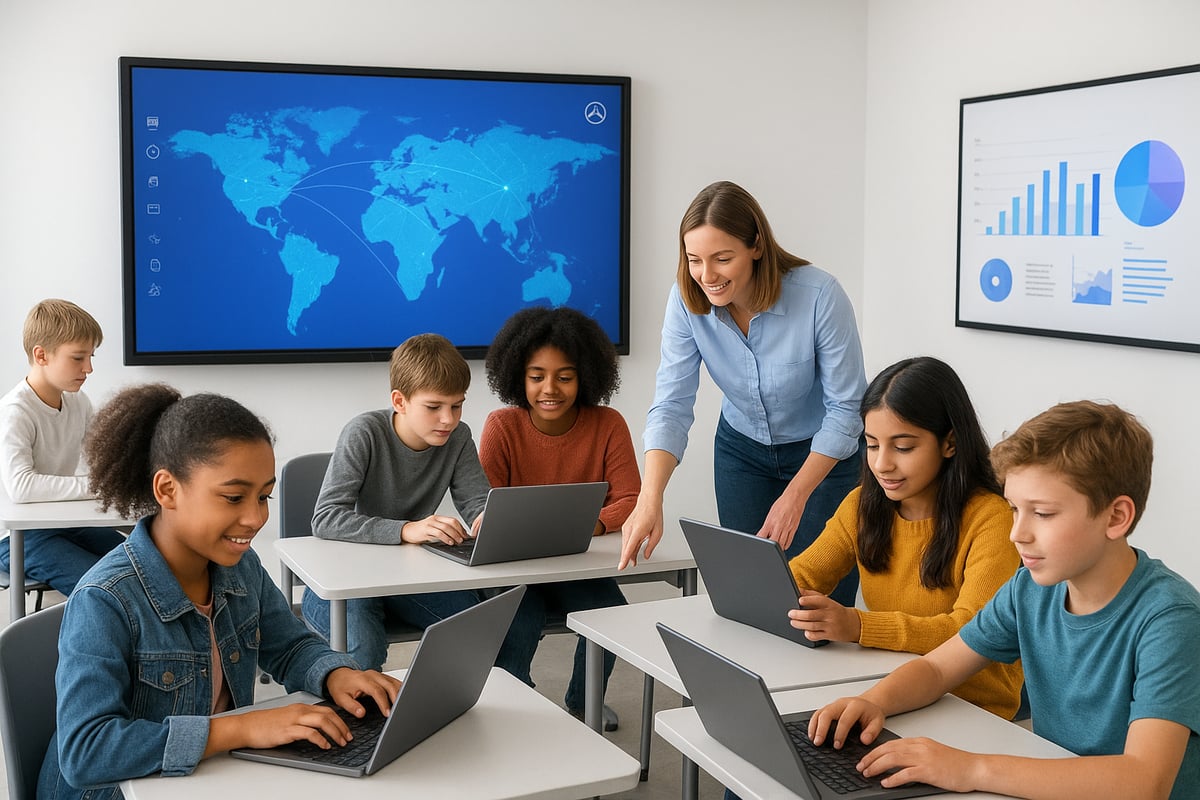
The educational experience in 2026 is defined by several key trends. Blended and hybrid learning models now let you combine in-person classes with digital lessons. Artificial intelligence plays a growing role, offering personalized learning paths that adjust to your needs. Many schools use AI tools for personalized learning to help learners find their strengths and focus on improvement. There is also a push toward real-world skills like financial literacy and career readiness, making lessons more practical. Micro-credentials and modular courses allow you to build skills at your own pace. Global virtual classrooms connect learners from different cultures, broadening perspectives. Recent studies show that over 70 percent of high schoolers in 2026 will take at least one online or hybrid course as part of their educational experience.
Challenges and Opportunities for Learners
With so many new resources available, the modern educational experience comes with both challenges and opportunities. Digital distractions and information overload can make it hard to stay focused. Some learners may struggle to access devices or fast internet, creating gaps in who can benefit from these changes. At the same time, there are more chances than ever to develop digital, social, and emotional skills. Self-motivation and independent study habits become essential. For example, learners with access to personalized tools report engagement rates that are 30 percent higher than those without. Navigating these changes helps you build a stronger educational experience and prepares you for the future.
Why Innovation Matters in Education
Innovation is key to making the educational experience relevant in a world that is always changing. It prepares learners for new jobs and evolving technology, helping them adapt quickly. By supporting different learning styles, it makes education more inclusive and effective. Innovative approaches encourage creativity, critical thinking, and problem-solving. They also bridge the gap between what you learn in class and how you use that knowledge in real life. Many educational experts agree that these changes are vital for lifelong learning and success, making the educational experience a foundation for growth beyond 2026.
8 Innovative Ways to Enhance Your Educational Experience 2026
Imagine how your educational experience could transform with the right mix of technology, real-world practice, and global connections. Each of these eight approaches offers practical ways to build skills and confidence for 2026 and beyond.
1. Embrace AI-Powered Personalized Learning
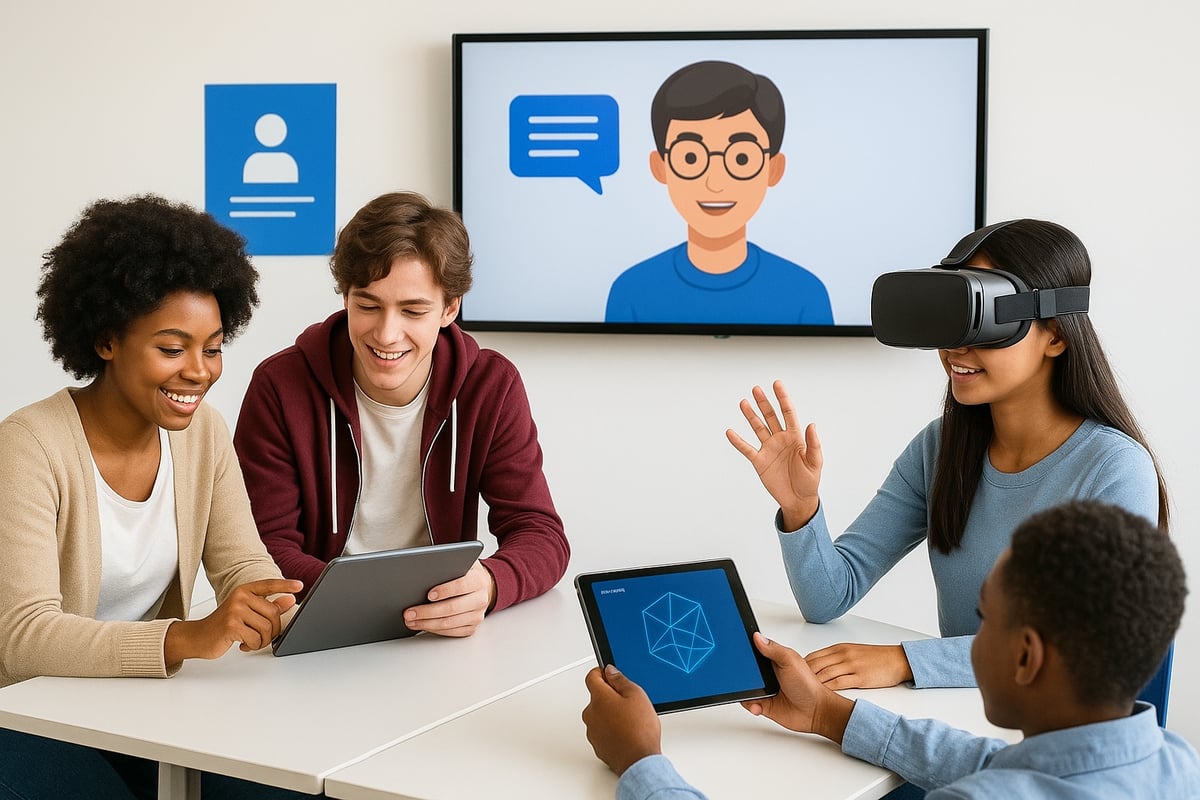
Adaptive learning platforms are reshaping the educational experience. These systems use artificial intelligence to tailor lessons and activities to each learner’s strengths and challenges.
With AI-driven tutors, feedback is instant. Struggling with math? The platform suggests practice exercises. Mastered a topic? It moves you forward. For example, algorithms review your quiz results and recommend targeted activities to help you improve.
A recent report shows schools using AI personalization see a 40 percent boost in learner retention. This means fewer learners fall behind or lose interest. Personalized learning also decreases frustration and builds motivation, making each educational experience more enjoyable and effective.
2. Participate in Real-World Projects and Experiential Learning
Experiential learning brings the educational experience to life. Hands-on projects, internships, and realistic simulations help you apply what you learn in class to real challenges.
Imagine joining a virtual internship with a company overseas or working on a community service project that matters to you. Project-based learning builds critical thinking, teamwork, and practical skills that employers want.
Studies show experiential learning can increase knowledge retention by up to 75 percent. Learners who engage in these opportunities are better prepared for both higher education and future careers. Your educational experience becomes richer, memorable, and more connected to the world.
3. Build Financial and Life Skills Through Earn-and-Learn Platforms
Earn-and-learn platforms blend financial know-how and practical skills with your educational experience. These programs teach budgeting, investing, and entrepreneurship in real time.
You might earn rewards or even real money for completing tasks, like mastering a budgeting app or launching a small project. Micro-learning jobs teach digital literacy and career skills that matter beyond the classroom.
Data shows learners with financial literacy training score 20 percent higher on decision-making tests. For more resources, explore Financial literacy for students. Applying these skills in real life can boost your confidence and independence, making your educational experience more meaningful.
4. Leverage Gamification to Boost Motivation and Engagement
Gamification can transform a routine educational experience into something engaging and fun. Educational apps now use points, badges, and leaderboards to encourage participation.
Try math challenges, science quests, or language learning streaks. These game elements make tough subjects less intimidating and keep you motivated. Friendly competition with classmates can also build a sense of community.
Research finds gamification can increase engagement by up to 60 percent. When learning is playful, you stay interested longer, making your educational experience both productive and enjoyable.
5. Foster Global Connections and Cross-Cultural Collaboration
Your educational experience expands when you connect with learners worldwide. Today’s virtual classrooms and international projects make it easy to meet peers from different cultures.
You might join a global STEM competition or participate in a language exchange. These experiences help you develop communication and problem-solving skills, while learning to appreciate new perspectives.
Data reveals learners who join global programs show greater empathy and adaptability. These cross-cultural experiences prepare you for the global workforce and enrich your educational experience in ways textbooks never could.
6. Prioritize Social and Emotional Learning (SEL)
Social and emotional learning is now a vital part of the educational experience. SEL programs teach self-awareness, empathy, resilience, and how to build healthy relationships.
You might take part in mindfulness exercises, peer mentoring, or workshops on resolving conflicts. These activities support not just academic achievement, but also your mental well-being.
Studies show SEL programs can boost academic performance by 11 percentile points. As emotional intelligence becomes more valued by employers, your educational experience benefits from a focus on both mind and heart.
7. Master Digital and AI Literacy Skills
A strong educational experience in 2026 means being comfortable with digital tools, coding, and basic artificial intelligence concepts. These skills are essential for nearly every career.
You can take online courses in coding, AI ethics, or digital citizenship. By learning how to use technology responsibly and creatively, you prepare for future opportunities.
By 2026, 85 percent of jobs will require digital skills. Building digital literacy now ensures your educational experience keeps you ready for the workplace and the world.
8. Curate Your Learning Journey with Micro-Credentials and Portfolios
Micro-credentials and digital portfolios give you a way to showcase your educational experience to others. Collect badges, certificates, and credentials that reflect your skills and achievements.
You might earn recognition in leadership, communication, or a specialized STEM subject. Building a portfolio helps you organize your projects and track your progress.
Research shows micro-credential holders have a 25 percent higher employment rate after graduation. Portfolios turn your educational experience into a story you can share with schools and employers.
Practical Steps to Implement These Innovations in Your Own Learning
Taking action is key to making your educational experience in 2026 both meaningful and effective. A few practical steps can help you move from ideas to daily habits. Start by exploring new resources and setting clear goals to guide your growth.
Getting Started with the Right Tools and Resources
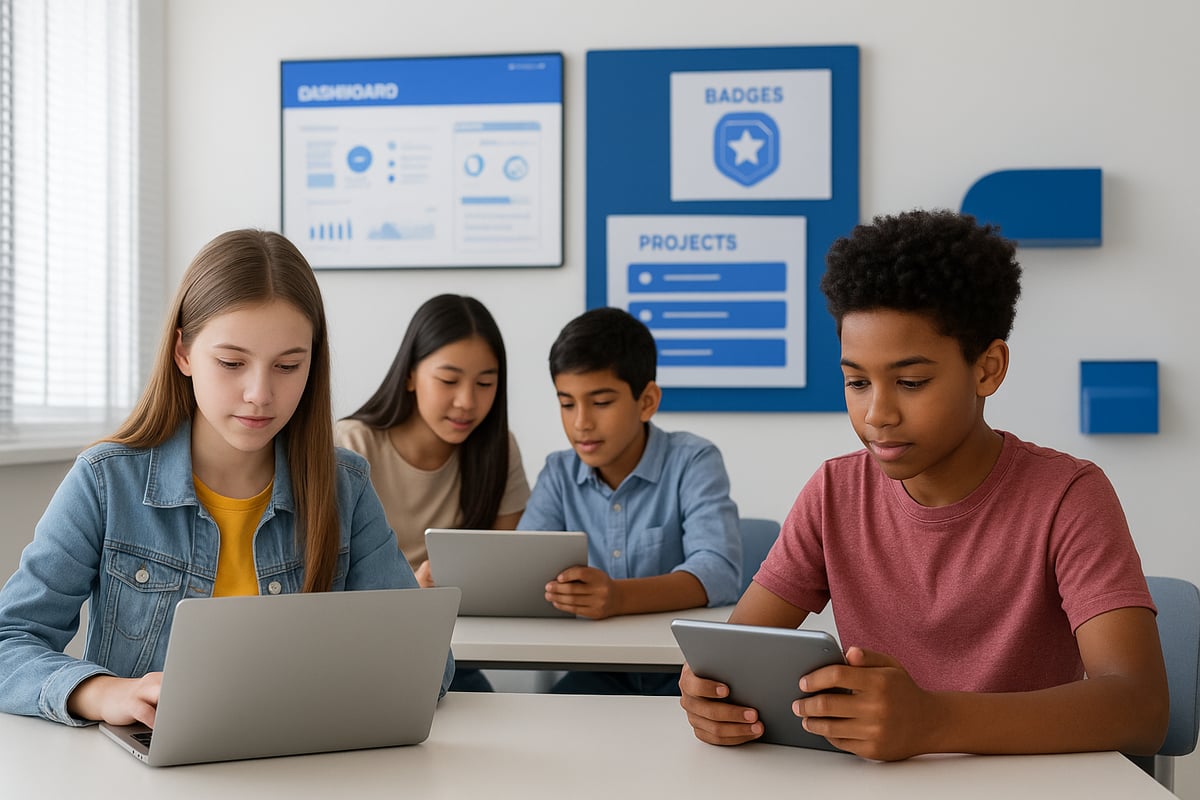
Begin by identifying which platforms and programs best fit your goals. Look for AI tutors, gamified learning apps, or global project networks. Schools and organizations that offer hands-on or international options can expand your educational experience.
Here are a few steps to get started:
- Explore after-school clubs focused on innovation.
- Join pilot programs for new learning models.
- Visit a knowledge hub for learners to find guides and resources.
Trying different tools helps you discover what works best for your learning style and needs, making your educational experience more engaging.
Building a Personalized Action Plan for 2026
Set clear, measurable goals for your educational experience. Break big goals into smaller steps, and use digital portfolios or analytics dashboards to track your progress. Aim to build a new skill or earn a micro-credential each month.
Ask for feedback from mentors or peers to improve your approach. Regular check-ins keep you motivated. A simple plan might include:
- Monthly challenges for new skills
- Tracking achievements in a portfolio
- Reviewing progress every few weeks
Personalizing your educational experience helps you stay focused, confident, and ready for the future.
The Future of Educational Experience: What to Expect Beyond 2026
The educational experience is set to evolve even more after 2026. New technologies and learning models will continue to reshape how learners gain skills and knowledge. Staying prepared means looking ahead to the next wave of innovation.
Emerging Technologies and Trends on the Horizon
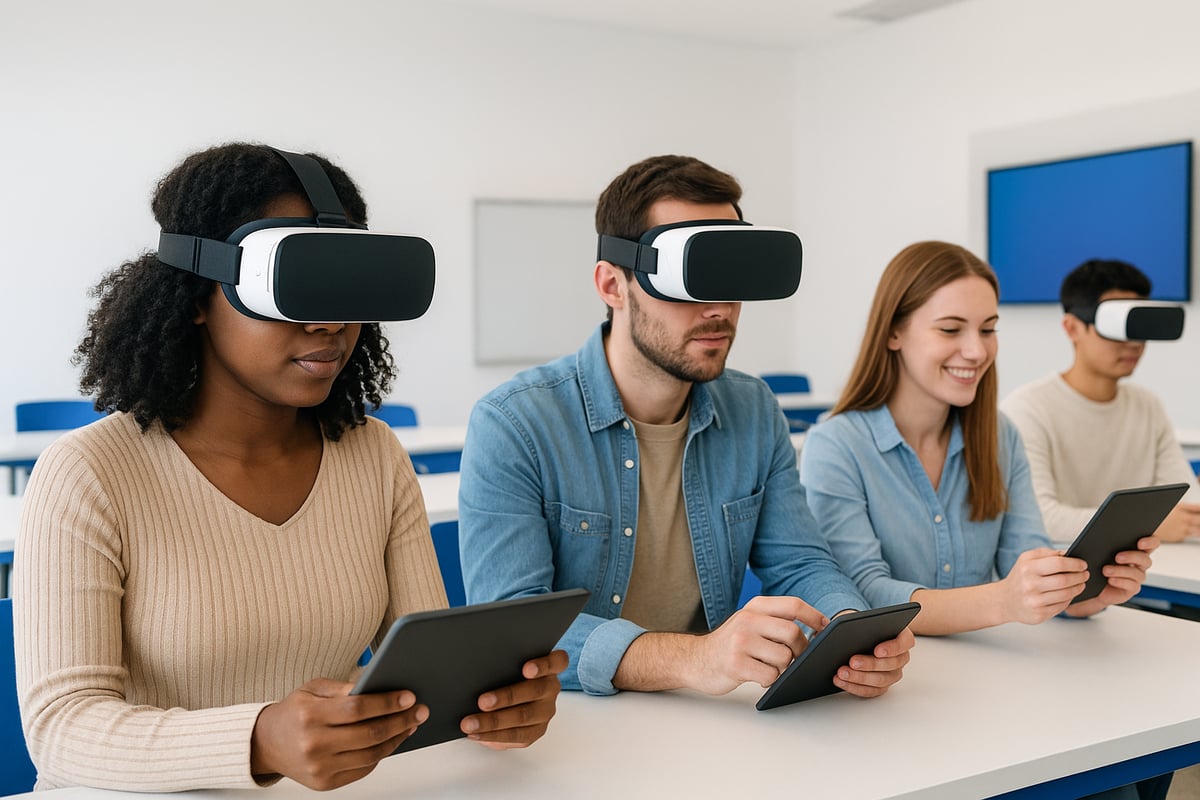
Cutting-edge technology will drive the next phase of educational experience. Virtual reality and augmented reality can create immersive science labs or bring history to life. Blockchain may help verify credentials and support decentralized learning platforms, making skill recognition global.
Artificial intelligence is also expected to expand its role in classrooms. For instance, AI's Impact on Education details how educators are being trained to use AI tools, which could make learning more personalized. These trends will help learners access new opportunities, wherever they are.
Lifelong Learning and Continuous Adaptation
The future educational experience is not limited to youth. Lifelong learning will become essential as jobs and technology keep changing. Adopting a growth mindset helps you adapt to shifts in your career and interests.
Here are a few ways to stay updated:
- Subscribe to educational newsletters
- Join professional networks
- Attend online webinars and workshops
Many adult learners are already returning to education for upskilling or career shifts. Staying flexible and curious will help you thrive, no matter how the world changes.
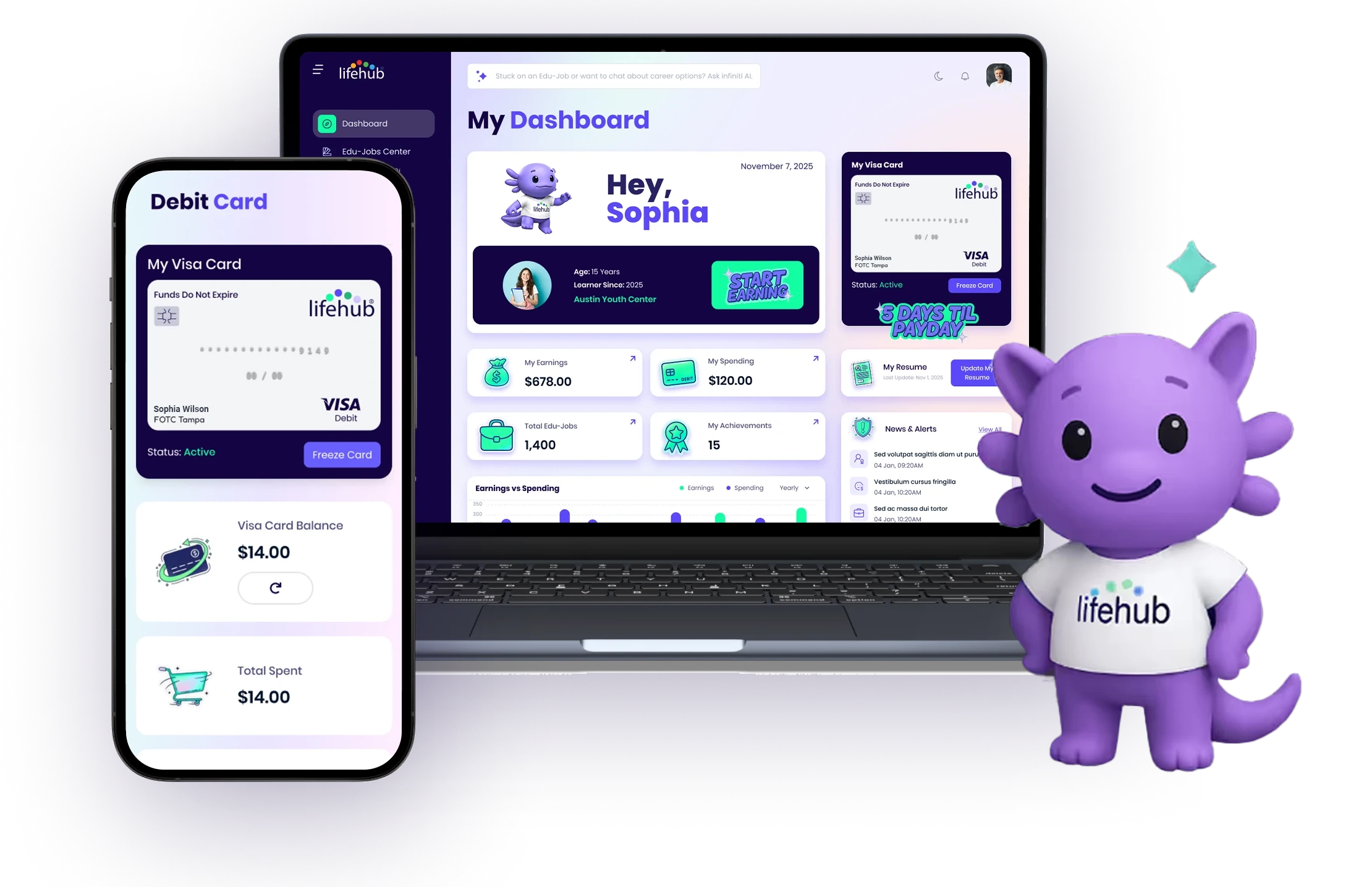
If you’re excited to try these new ways of learning, there are tools that bring them all together. Imagine a place where you can build money skills, learn about careers, and explore new interests through real tasks—while earning your own money. Whether you’re curious about AI, want to get better at budgeting, or just want to feel more confident, you can find micro-learning jobs that fit your goals. If this sounds helpful for your family, you may want to see Life Hub for Kids and Families.


Related Content
Ready to Chat about Life Hub?
Whether you're parents, or a homeschool family, Life Hub is your partner to help you
raise super strong kids.

.svg)

.svg)


.svg)
.svg)

.svg)