Today’s teens navigate a world where money moves at the speed of a tap. With online shopping, mobile wallets, and peer-to-peer payments everywhere, knowing how to manage money has never been more important.
Choosing debit cards teenagers can trust is a key step in building real financial skills. The right card helps learners practice budgeting, track spending, and gain safe independence while parents stay involved.
This guide explores the 7 best debit cards teenagers should consider in 2026. We’ll highlight what makes each card unique, from smart security features to rewards for learning. Ready to help your teen build confidence with money? Let’s get started.
Why Debit Cards Are Essential for Teens in 2026
Today, debit cards teenagers use are more than just spending tools. They have become gateways for learning, independence, and digital safety. In 2026, these cards play a central role in helping young people develop strong money skills for life.
Growing Importance of Financial Literacy
Teens today face a fast-changing digital economy. From online shopping to peer payments, they need smart money habits early. Debit cards teenagers use give learners a real-world way to practice budgeting and saving. According to a Greenlight survey, 73% of parents rank financial literacy as important as academics. For more insight, check out these resources on financial literacy that highlight why early money education matters.
Parental Controls & Security Features
Modern debit cards teenagers rely on come packed with safety features. Parents can set spending limits, block merchants, and get real-time notifications. Apps such as GoHenry and Life Hub even let parents assign chores and approve purchases. This helps families build trust while keeping teens safe from risky spending.
Digital Wallet Integration & Contactless Payments
Gen Z and Gen Alpha expect seamless tech. Debit cards teenagers use now work with Apple Pay, Google Pay, and other e-wallets. Contactless and mobile payments are now the norm. A recent Piper Sandler survey found that 64% of teens prefer mobile payments over cash, showing how habits are shifting.
Building Credit and Financial Independence
Some debit cards teenagers access now offer credit-building options or smooth paths to credit cards. Early exposure to these tools helps teens avoid debt traps. They can build positive habits that will support future financial independence.
Safety, Fraud Protection, and Privacy
Security is top of mind for families. Debit cards teenagers use come with EMV chips, instant card freezing, and strong fraud alerts. Privacy-first policies ensure young users' data stays protected. Parents and teens can feel confident about digital safety.
Real-World Learning and Rewards
Many debit cards teenagers try offer more than just spending. Platforms like Life Hub and Greenlight Max reward teens for completing educational modules or practicing good money habits. These features turn everyday spending into learning opportunities.
Social & Peer Payments
Splitting costs for lunch, gifts, or outings is easy with debit cards teenagers use. Peer-to-peer transfers are built right in, often linked with popular social payment platforms. This makes managing group expenses smooth and stress-free.
Debit cards teenagers use are essential in 2026 for building skills, independence, and security. With the right card, teens can learn, spend, and grow—all while parents stay involved and informed.
7 Best Debit Cards Teenagers Should Try in 2026
Finding the right debit cards teenagers can trust is more important than ever. The 2026 landscape offers a range of options, each with unique features for growing financial skills, safety, and independence. Below, you’ll find the 7 stand-out choices, each tailored for different needs and learning styles.
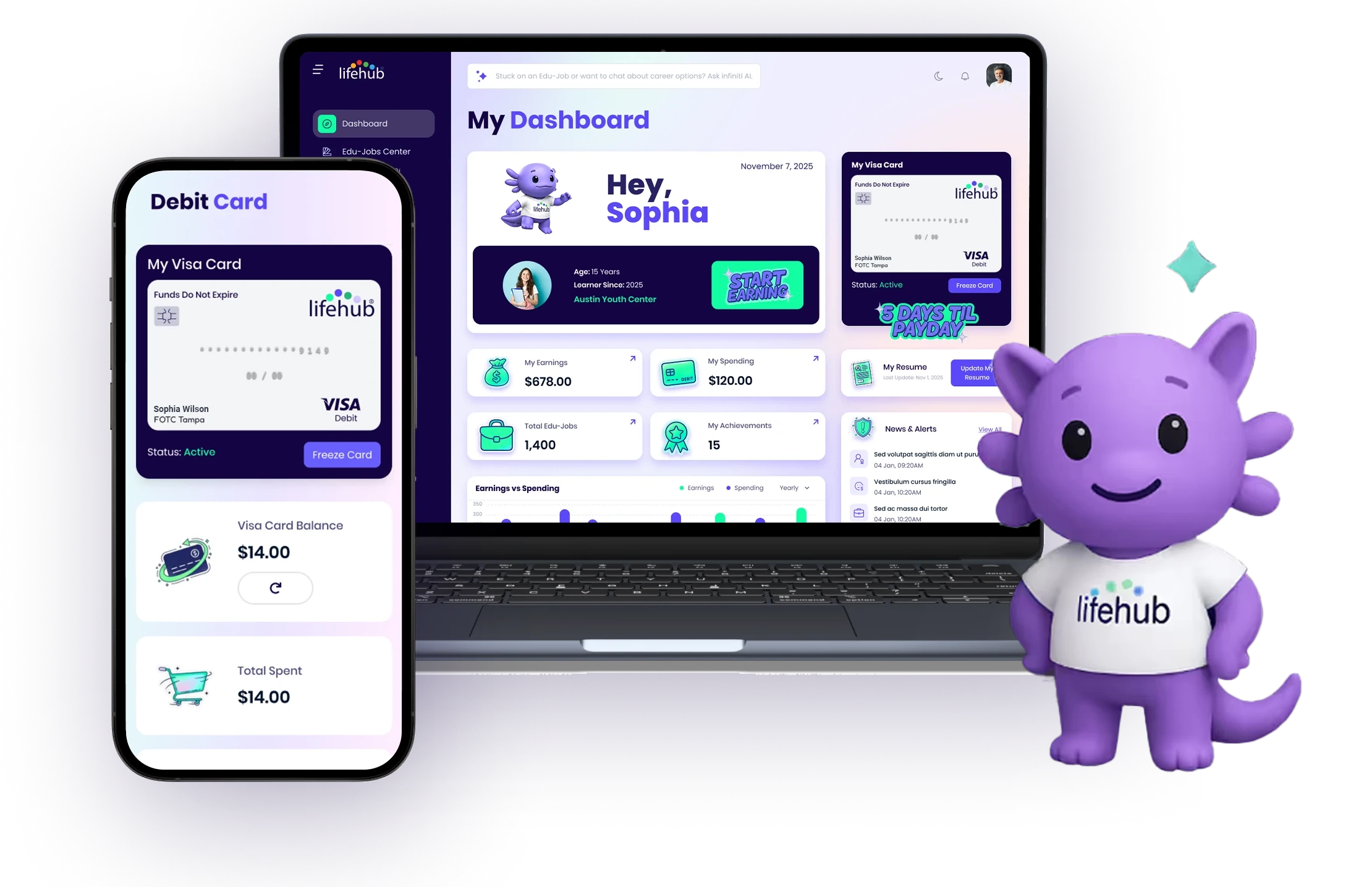
The Life Hub Visa® Rewards Card changes how debit cards teenagers experience learning about money. It combines “Learn-to-Earn” micro-learning modules, known as Edu Jobs, with real cash rewards for completing tasks.
Pricing: Family & Homeschool, Private School, Public School, and Youth Organization plans offer customized pricing.
Core Features:
“Learn-to-Earn” micro-learning with real rewards
Parental controls for safety
Visa integration for wide acceptance
Savings and giving tools
AI-powered personalization (coming soon)
Key Benefits: This card links effort to reward, motivating learners to build real-world money management skills. The robust financial literacy curriculum is designed for families, schools, and youth organizations. Privacy-first policies and strong security are built in.
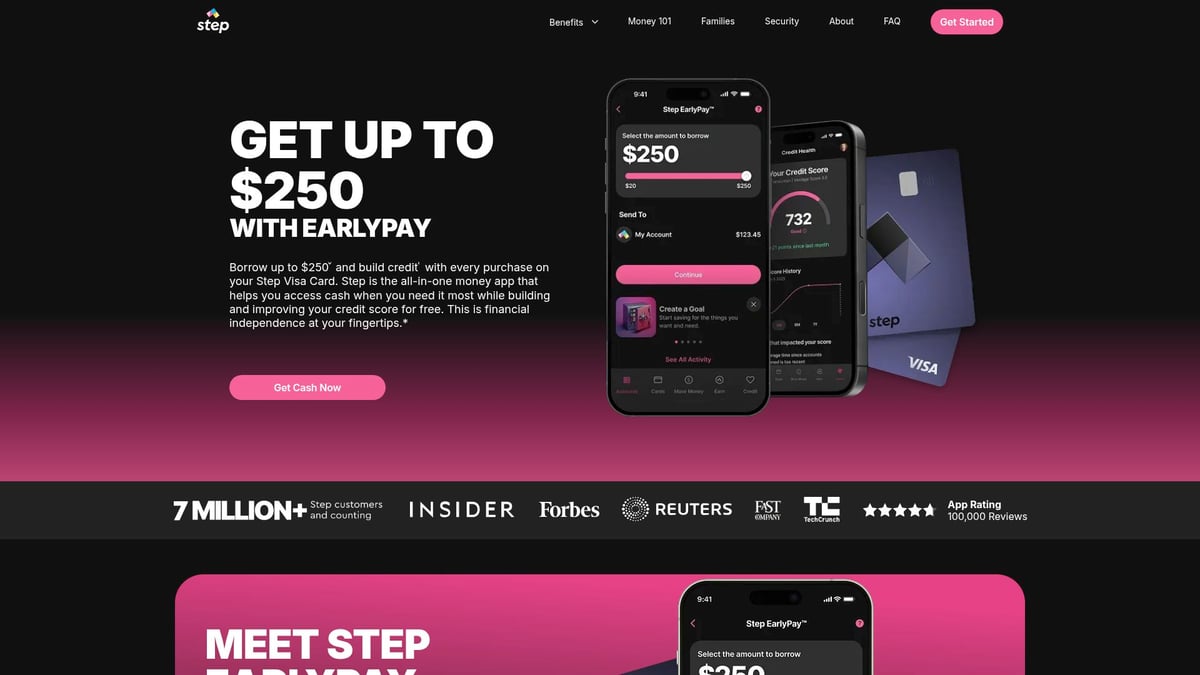
Step Visa Card is a top option among debit cards teenagers prefer for building credit and managing money digitally. With no monthly fees, no minimum balance, and free ATM access at over 30,000 locations, it’s designed for both ease and growth.
Pricing: No fees or minimums.
Core Features:
FDIC-insured for security
Instant transfers between users
Credit-building tools for teens
Peer-to-peer payments
Virtual card for online shopping
Key Benefits: Step allows teens to safely build credit history, track spending, and set savings goals, all through a sleek mobile app. Parents can monitor activity and set controls.
Pros:
No fees
Credit-building features
Integrated savings goals
User-friendly app
Cons:
Limited international ATM access
No physical branches
Step is ideal for debit cards teenagers who want to start building credit early and enjoy a modern digital experience.
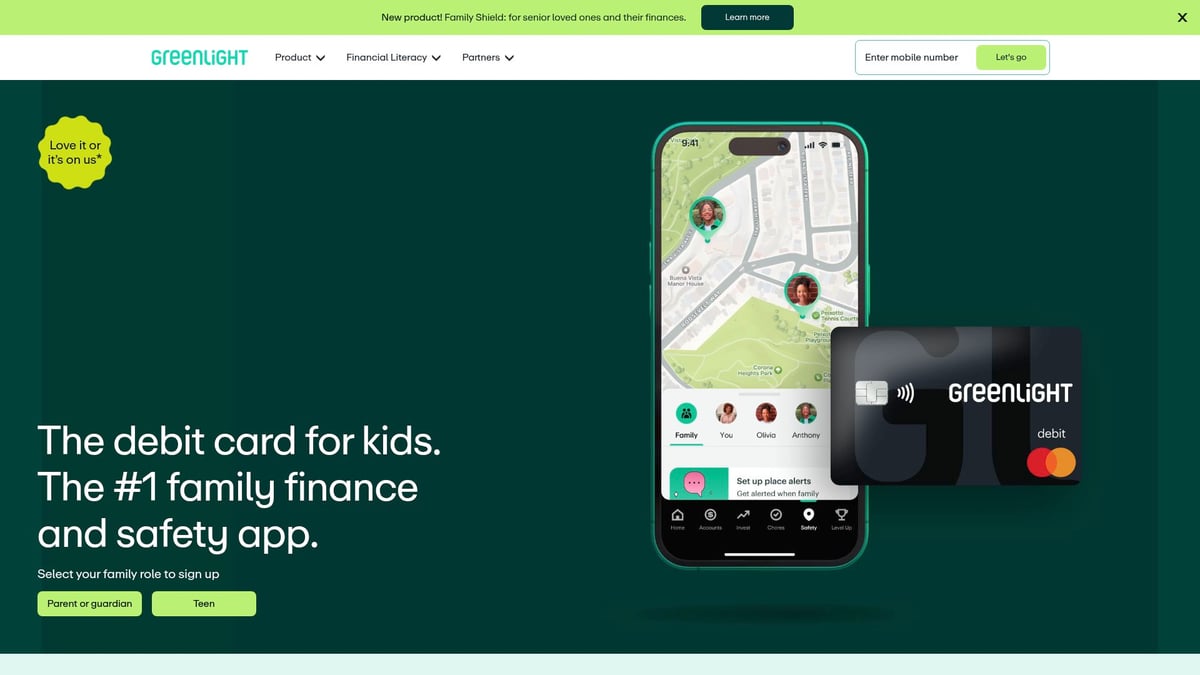
Greenlight remains one of the most flexible debit cards teenagers can use for learning, saving, and even investing. Plans start at $4.99/month and cover up to five kids, with premium options for investing and higher rewards.
Pricing: $4.99/month for basic; premium plans add more features.
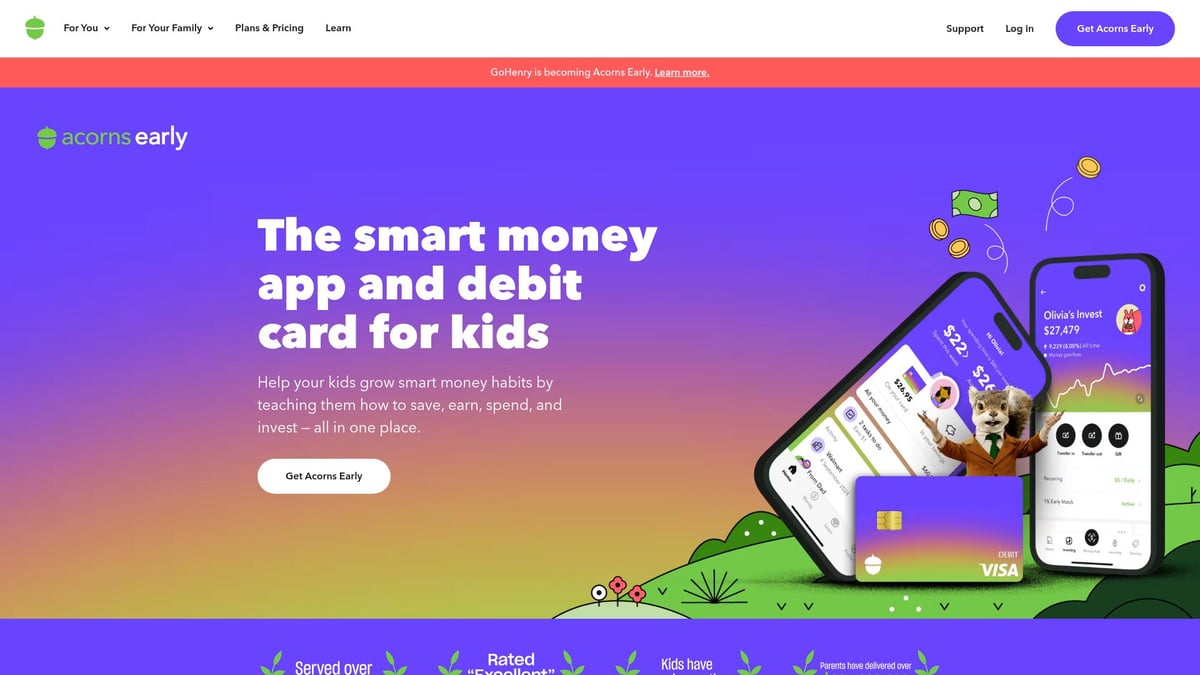
GoHenry is built for families seeking debit cards teenagers can use to learn budgeting through real-life practice. At $4.99/month per child, it offers a free trial to get started.
Pricing: $4.99/month per child, 1-month free trial.
Core Features:
Chore tracking and allowance management
Spending limits and real-time notifications
Educational lessons and missions
Fun, customizable card designs
Key Benefits: Teens learn to manage budgets by earning, spending, and saving their own money. Parents have strong oversight and can set flexible controls.
Pros:
User-friendly for families
Engaging educational content
Flexible parental controls
Cons:
Monthly fee
No investing options
GoHenry helps debit cards teenagers find fun and practical, with hands-on learning and strong safety features.
Current Teen Banking is a low-fee option among debit cards teenagers, especially those with part-time jobs or side hustles. At $3/month per teen and no hidden fees, it’s accessible for many families.
Pricing: $3/month per teen, free ATM access at 40,000+ locations.
Core Features:
Instant money transfers
Spending notifications for parents
Savings pods for goals
Gas station holds removal
Direct deposit for paychecks
Key Benefits: Fast transfers, easy-to-use app, and direct deposit support make Current ideal for working teens. Parents can monitor spending and set controls.
Pros:
Low monthly fees
Direct deposit ready
Instant spending alerts
Cons:
No investing features
Limited educational resources
Current is a strong choice for debit cards teenagers who earn their own money and want fast, simple management.
Chase First Banking is a no-fee solution for debit cards teenagers, offered by a trusted national bank. It requires the parent to have a Chase checking account.
Pricing: No monthly fee; parent must have a Chase account.
Core Features:
Parental controls and spending limits
Savings goals and real-time alerts
Easy transfers between parent and teen accounts
Key Benefits: Backed by FDIC insurance and a strong reputation, Chase First Banking offers seamless transfers and goal-setting tools for families already banking with Chase.
Pros:
No fees
Trusted bank and strong security
FDIC-insured
Cons:
Parent must be a Chase customer
Limited investing and educational features
For debit cards teenagers in Chase families, this account offers security and easy management.
Capital One MONEY Teen Checking gives debit cards teenagers a fee-free and flexible way to manage money. Teens aged 8 and up can open an account with a parent.
Pricing: No monthly fees, no minimum balance, free ATM network.
Core Features:
Teen debit card and mobile app
Parental controls and savings tools
Real-time spending alerts
Fee-free ATMs
Key Benefits: Easy account setup, strong app experience, and no monthly fees make this a practical choice. Teens can set savings goals and track spending, while parents monitor activity.
Pros:
No fees or minimums
Robust mobile banking
Savings goal features
Cons:
No investing options
Limited educational content
Capital One MONEY is a solid pick among debit cards teenagers for those seeking simplicity and fee-free banking.
How to Choose the Right Debit Card for Your Teen
Choosing among debit cards teenagers use most often can feel overwhelming, but breaking down your options makes it easier. The right pick will support your learner’s financial growth, encourage good habits, and offer peace of mind. Here’s how to find the best fit.
Assessing Your Teen’s Needs and Financial Goals
Start by considering your teen’s age, maturity, and experience with money. Some debit cards teenagers use focus on simple spending tools, while others offer lessons and credit-building. If your learner is just beginning, look for platforms that teach basics. For more advanced goals, explore cards supporting saving, investing, or even earning through chores. Comprehensive financial services for youth can help you match features to your family’s needs.
Comparing Fees and Pricing Structures
Fees can add up quickly, so compare monthly costs, ATM access, and any hidden charges. Debit cards teenagers select may have free plans, while others charge for premium features like investing or extra controls. For example, Greenlight charges a monthly fee, but Chase First Banking offers a free option for Chase account holders. Watch for overdraft policies and check if ATM networks are convenient for your teen.
Card
Monthly Fee
Free ATM Access
Greenlight
$4.99+
No
Chase First Banking
$0
Yes (Chase ATMs)
Current
$3
Yes (large network)
Evaluating Parental Controls and Monitoring
Parental controls are vital for peace of mind. Look for cards allowing you to set spending limits, approve transactions, and receive real-time alerts. Some apps let you assign chores or block certain merchants. Choose a card with controls that match how much oversight you want, and that can be adjusted as your teen becomes more independent.
Digital Experience and App Usability
Teens expect fast, easy-to-use apps. Debit cards teenagers prefer often come with intuitive apps, colorful dashboards, and instant notifications. Features like mobile check deposit, savings goals, and peer payments are common. Test the app experience yourself, and confirm it works well on your devices before committing.
Educational and Rewards Features
Learning is easier with built-in lessons or rewards. Some cards include financial literacy modules, quizzes, or “learn-to-earn” incentives. According to recent reports, more teens are taking financial literacy courses, but gaps remain. Platforms that reward learning with points, badges, or even cash can motivate your teen to grow their skills.
Security, Privacy, and Data Protection
Safety is non-negotiable. Opt for debit cards teenagers can freeze instantly if lost, with EMV chips and strong fraud alerts. Review privacy policies to confirm your teen’s data stays secure. Some cards let you control how personal information is shared, offering extra reassurance.
Transition to Adult Banking
The best debit cards teenagers use today should help build habits for tomorrow. Look for features like credit-building tools, direct deposit for part-time jobs, and easy upgrades to adult accounts. This way, your teen’s first banking experience lays a strong foundation for future independence.
Frequently Asked Questions About Teen Debit Cards
Teens can usually get debit cards teenagers as early as age 13, with a parent or guardian as the account holder. These cards are safe, with features like instant card locking, real-time alerts, and spending limits.
Most debit cards teenagers work for online shopping and recurring subscriptions, as long as the merchant accepts card payments. Parental controls let adults monitor spending, approve transactions, and set limits.
Some debit cards teenagers help learners build credit by reporting good habits, while others focus on practical money skills. If a card is lost or stolen, you can freeze it instantly from the app.
Teens can receive direct deposits from part-time jobs or allowances. Many cards work internationally, but some may have restrictions or extra fees. For more on building practical skills, visit Programs for kids and families.
If you’re looking for a debit card that helps learners build real money skills, Life Hub stands out for connecting effort to reward in a safe, supportive way. You get more than a card—learners earn real cash by completing practical tasks in areas like personal finance, STEM, and even AI. Parents can set controls and track progress, so everyone feels confident. Want a simple way to help your family practice money management, explore new interests, and grow together? See Life Hub for Kids and Families
Share:
No items found.
What Happiness Looks Like in Real Life
Real quotes. Real smiles. Real change.
Annie Holub
Desert Dragon Learning Community
Kids who otherwise resisted any kind of assignment have been actually asking to get on Life Hub and complete work. Parents and kids always light up when I explain how it works, and have reported that it's one of the reasons they chose our school. It's been a true asset to our program.
Janet Bell
Mother
Graham is enjoying Life Hub immensely! He loves the variety of topics and is always excited to share with me what he has learned. I love the ease of being able to view and assign courses, as well as all the other things the program offers. We are definitely big fans of Life Hub!
April Schmitt
Friends of the Children
I like the choices it gives youth to decide what they want to learn and, how much money they want to make by learning things about careers or life in general.
Shambria Young
Friends of the Children
Life Hub has allowed my mentees an opportunity to learn skills that are going to help them have a productive life.
Coi Morefield
The Lab School of Memphis
I have seen first-hand the power and intrinsic motivation cultivated when learners select from the hundreds of jobs, completed using Office within 15-30 minutes. Not only does the platform integrate learning with real-world skills but also rewards learners with cash earnings paid out in their Life Hub Wallet every Friday.
Rick McClintock
Friends of the Children Tampa Bay
We’ve seen many of our mentees adopt ‘Life Hub’ as an important part of their lives that allows them to engage, learn, perform educational jobs, earn income, and then spend or save those earnings.
Dr. Elijah Lefkowitz
The Boys & Girls Clubs of Lee County
Our youth love Life Hub. Out of the gate, we saw high levels of engagement and increased attendance.
Max Massengill
Academy Prep St. Petersburg, Florida
When our Academy Prep Scholars participated in their first Edu-Job “Design Your Lifestyle”, I knew right then that we had hit a grand slam!
Rosanna Mhlanga
Arkansas Lighthouse Charter Schools
We didn’t expect the impact it has had on overall student engagement, increased attendance, better academic performance, improved self esteem, and higher rates of parental/guaridian participation. In all my years as an educator, I’ve never seen anything like Life Hub!
Jaymie Johnson
The Boys & Girls Clubs of Tampa Bay
Life Hub is opening their eyes to possibilities and introducing them to new ideas.
Caryan Lipscomb
Arkansas Lighthouse Academy
I Love hearing my students talk about how they are working to make money with Life Hub to buy things they want. They can clearly differentiate wants vs needs and also understand it’s their money that they can spend or save.
Coi Morefield
The Lab School of Memphis
I have seen first-hand the power and intrinsic motivation cultivated when learners select from the hundreds of jobs, completed using Office within 15-30 minutes. Not only does the platform integrate learning with real-world skills but also rewards learners with cash earnings paid out in their Life Hub Wallet every Friday.
Annie Holub
Desert Dragon Learning Community
Kids who otherwise resisted any kind of assignment have been actually asking to get on Life Hub and complete work. Parents and kids always light up when I explain how it works, and have reported that it's one of the reasons they chose our school. It's been a true asset to our program.
Janet Bell
Mother
Graham is enjoying Life Hub immensely! He loves the variety of topics and is always excited to share with me what he has learned. I love the ease of being able to view and assign courses, as well as all the other things the program offers. We are definitely big fans of Life Hub!
April Schmitt
Friends of the Children
I like the choices it gives youth to decide what they want to learn and, how much money they want to make by learning things about careers or life in general.
Shambria Young
Friends of the Children
Life Hub has allowed my mentees an opportunity to learn skills that are going to help them have a productive life.
Rick McClintock
Friends of the Children Tampa Bay
We’ve seen many of our mentees adopt ‘Life Hub’ as an important part of their lives that allows them to engage, learn, perform educational jobs, earn income, and then spend or save those earnings.
Dr. Elijah Lefkowitz
The Boys & Girls Clubs of Lee County
Our youth love Life Hub. Out of the gate, we saw high levels of engagement and increased attendance.
Max Massengill
Academy Prep St. Petersburg, Florida
When our Academy Prep Scholars participated in their first Edu-Job “Design Your Lifestyle”, I knew right then that we had hit a grand slam!
Rosanna Mhlanga
Arkansas Lighthouse Charter Schools
We didn’t expect the impact it has had on overall student engagement, increased attendance, better academic performance, improved self esteem, and higher rates of parental/guaridian participation. In all my years as an educator, I’ve never seen anything like Life Hub!
Jaymie Johnson
The Boys & Girls Clubs of Tampa Bay
Life Hub is opening their eyes to possibilities and introducing them to new ideas.
Caryan Lipscomb
Arkansas Lighthouse Academy
I Love hearing my students talk about how they are working to make money with Life Hub to buy things they want. They can clearly differentiate wants vs needs and also understand it’s their money that they can spend or save.






.avif)













.png)

.svg)

.svg)


.svg)
.svg)

.svg)