Complete Homeschool Curriculum Guide: Your 2026 Roadmap




Homeschooling is more popular and flexible than ever in 2026. Many families are searching for a complete homeschool curriculum that blends strong academics with real-world skills.
Choosing the right path can feel overwhelming. Parents want to meet academic standards, but also help their learners grow as capable, confident individuals.
This guide breaks down the process of building a complete homeschool curriculum step by step. You will find tips for planning, resource reviews, and advice on staying up to date with the latest requirements.
Use this roadmap to create a learning journey that fits your family’s needs. We will cover legal requirements, curriculum planning, resource selection, life skills integration, and compliance for 2026.
Understanding Homeschool Curriculum Requirements in 2026
Families choosing a complete homeschool curriculum in 2026 need to understand the shifting landscape of legal and academic requirements. Homeschooling is more recognized than ever, but each state sets its own rules. Keeping up with these changes is key for a confident, compliant journey.

Overview of Legal and Academic Standards
To build a complete homeschool curriculum, you must follow both state and national rules. In 2026, most states require teaching math, science, language arts, and social studies. Graduation and assessment rules differ by region, so it is important to check your state's website.
A 2024 HSLDA survey found that 78% of states have updated their homeschool guidelines since 2020. For example, Texas is flexible, California has stricter reporting, and Florida requires annual evaluations.
| State | Reporting | Assessments | Flexibility |
|---|---|---|---|
| Texas | Minimal | None | High |
| California | Yearly portfolio | Standardized testing | Moderate |
| Florida | Annual evaluation | Portfolio or testing | Moderate |
These updates affect how you plan your complete homeschool curriculum and keep records. Stay informed about recent changes to avoid surprises.
Core Subjects and Electives: What’s Required?
A complete homeschool curriculum covers core subjects like math, science, language arts, and social studies. Electives add variety and help spark a learner's interests.
Popular electives include:
- Technology and coding
- Arts (music, drawing, theater)
- Foreign languages
- Financial literacy
Balancing core academics with electives helps learners develop both foundational skills and passions. Colleges and employers look for transcripts that show strong core work, but electives like STEM can make an application stand out. In 2026, STEM electives are more important than ever in college admissions.
Recordkeeping and Documentation Essentials
Good records are central to a complete homeschool curriculum. You need to track attendance, grades, and create portfolios of work.
Tools and templates can make this easy:
- Digital gradebooks
- Attendance trackers
- Sample portfolio layouts
Many states let you submit records online with set deadlines. Some top-performing families use detailed homeschool portfolios, filled with work samples and progress notes, to show growth and keep everything organized.
Adapting to Changing Standards and Expectations
Homeschool standards keep changing, so your complete homeschool curriculum should adapt too. Stay updated by checking state education sites and joining homeschool associations.
Anticipated changes in 2026 include new digital literacy benchmarks for middle and high school learners. Regularly reviewing Research and curriculum guides helps you stay compliant and informed.
Preparing for these changes means you can update your curriculum before new rules take effect. Being proactive keeps your records and teaching methods aligned with the latest expectations.
Step-by-Step Guide to Building Your Complete Homeschool Curriculum
Building a complete homeschool curriculum can feel overwhelming, but breaking it into manageable steps helps. Each step below guides you through assessing needs, choosing resources, scheduling, and adapting for diverse learners.

Step 1: Assessing Your Child’s Learning Needs and Goals
Start by understanding your learner’s unique style. Are they visual, auditory, or kinesthetic? Identifying this helps you choose the right resources for your complete homeschool curriculum.
Set academic and personal growth goals together. Use placement tests or diagnostic tools to spot strengths and gaps. For example, a gifted learner may thrive with advanced materials in one subject but need support in another.
According to the 2025 NHERI report, a personalized approach can boost engagement by 30 percent. This step sets the foundation for a curriculum that fits your learner’s needs and fosters confidence.
Step 2: Researching and Selecting Curriculum Options
Explore the types of curricula available. Options include:
- All-in-one programs
- Subject-specific resources
- Online platforms
- Textbook-based approaches
Compare quality, alignment with standards, and adaptability. Look for top-rated providers and platforms for 2026. Use comparison charts to weigh the strengths of popular math programs.
Consider resources that integrate real-world skills, such as Life Hub homeschool resources, when building your complete homeschool curriculum. This helps ensure your choices support both academic growth and life readiness.
Step 3: Planning Your Yearly, Monthly, and Weekly Schedule
A well-structured schedule is key for a complete homeschool curriculum. Start with an annual calendar, then break subjects into monthly and weekly units.
Balance academic work with family routines and activities. For families with multiple learners, stagger core subjects and include group projects.
Here’s a sample weekly plan:
| Day | Morning | Afternoon |
|---|---|---|
| Monday | Math, Language | Science, Art |
| Tuesday | Reading, History | Outdoor Learning |
| Wednesday | STEM, Writing | Music, PE |
| Thursday | Math, Science | Field Trip |
| Friday | Review, Projects | Free Choice |
Flexibility allows you to adjust as you go, making the complete homeschool curriculum sustainable and enjoyable.
Step 4: Customizing for Multi-Age or Special Needs Learners
Teaching multiple ages or supporting special needs requires thoughtful customization of your complete homeschool curriculum. Use strategies like group lessons for shared subjects and individual work for different skill levels.
Adapt materials for gifted or struggling learners. For example, integrate therapy sessions with academics for neurodiverse learners, making sure both needs are met.
Explore specialized publishers and resources designed for diverse learning profiles. With the right tools, every learner can make steady progress and feel included in the homeschool journey.
Evaluating and Choosing Homeschool Curriculum Resources
Choosing the right resources is vital for a complete homeschool curriculum. With so many options in 2026, families need clear criteria to make confident decisions. Let’s break down the formats, quality checks, budgeting tips, and support systems that matter most.

Types of Homeschool Curriculum Formats
Homeschool families in 2026 have a wide range of formats to build a complete homeschool curriculum. Traditional textbooks remain popular for their structure and reliability. Many families now use online platforms, which offer interactive lessons and instant feedback.
Hybrid or blended models combine physical and digital resources. Subscription services deliver monthly kits or access to evolving content. Open educational resources (OER) provide free, customizable materials for every subject.
Secular curricula focus on academic content, while faith-based options weave in spiritual lessons. The 2024 EdTech market report showed digital curriculum use up by 40 percent, highlighting this shift.
Here’s a quick comparison:
| Format | Pros | Cons |
|---|---|---|
| Textbooks | Tangible, structured | Less interactive |
| Online | Interactive, flexible | Screen time management |
| Hybrid | Balanced, customizable | Planning required |
| Subscription | Fresh content, convenient | Ongoing cost |
| OER | Free, adaptable | Varies in quality |
Every format can help create a complete homeschool curriculum, depending on your learner’s needs.
How to Compare Curriculum Quality and Fit
When evaluating resources for a complete homeschool curriculum, look for accreditation and alignment with state standards. Many providers display clear standards mapping on their websites.
User reviews and expert ratings offer insight into real-life experiences. Trial periods let families test content before committing. Customization is key—curricula that adapt to different learning styles often lead to better outcomes.
Parent testimonials are a goldmine. For example, some parents switched mid-year after finding a program better suited for their child’s pace. A curriculum that fits your learner’s strengths and goals is a cornerstone of a successful complete homeschool curriculum.
Budgeting and Affordability: Getting the Best Value
Building a complete homeschool curriculum does not have to break the bank. On average, families spend between $300 and $800 per year per learner, depending on grade and resources.
Free and low-cost tools are widely available for 2026, from digital libraries to nonprofit curriculum banks. Buying used materials or joining a co-op can cut costs. Many co-ops arrange bulk purchases, saving money for all members.
Some families keep a spreadsheet to track curriculum spending and find discounts. With careful planning, it’s possible to maintain a robust complete homeschool curriculum on a budget.
Support, Community, and Supplemental Resources
Access to support groups and online communities makes a big difference in the homeschooling journey. Parents and learners can share tips, troubleshoot challenges, and find encouragement.
Tutoring, enrichment programs, and extracurricular activities fill gaps and expand learning. Forums and dedicated resource hubs help families stay connected and informed.
Connecting with homeschool networks and support can lead to new friendships, group classes, and expert advice—all valuable for those developing a complete homeschool curriculum.
Integrating Enrichment, Life Skills, and Real-World Learning
A complete homeschool curriculum does more than cover academic basics. It also prepares learners for life beyond the classroom. Integrating enrichment, life skills, and real-world learning helps families nurture confident, capable individuals. Let’s explore how to bring these essential elements into your complete homeschool curriculum.

The Importance of Life Skills in Modern Homeschooling
In 2026, a complete homeschool curriculum must include life skills. These skills go beyond academics and support long-term success. Financial literacy, digital citizenship, and critical thinking are now core parts of many homeschool programs.
A 2025 survey found that 85 percent of homeschool parents now prioritize life skills alongside core subjects. Parents see these abilities as critical for both academic and career readiness. For example, teaching budgeting or basic coding can help learners thrive in college and future jobs.
Building life skills ensures your complete homeschool curriculum prepares learners for challenges in and out of school. This balanced approach helps young people adapt and succeed.
Methods for Teaching Life Skills and Enrichment
There are many ways to add enrichment and life skills to your complete homeschool curriculum. Project-based learning is popular, letting learners solve real problems and create meaningful projects. Community service, internships, and even running a family business can build responsibility and teamwork.
Creative arts, coding, and entrepreneurship lessons are also strong enrichment options. For example, families may set up a small online shop together. This teaches business basics and digital marketing in a hands-on way.
Mixing core subjects with enrichment helps learners see the value of what they study. This keeps your complete homeschool curriculum both engaging and practical.
Leveraging Technology and Digital Tools
Technology is a key part of any complete homeschool curriculum in 2026. Quality apps, online courses, and virtual field trips can bring learning to life. Many families use educational platforms for topics like coding, languages, and science.
It is important to monitor screen time and teach digital safety. Use parental controls and talk openly about online habits. A 2024 EdTech report shows digital curriculum options are now more flexible and affordable than ever.
Digital tools allow your complete homeschool curriculum to adapt to each learner’s needs. They make it easy to track progress and connect with global resources.
[Life Hub: Learn-to-Earn for Financial and Life Skills] (https://www.lifehubeducation.com/)
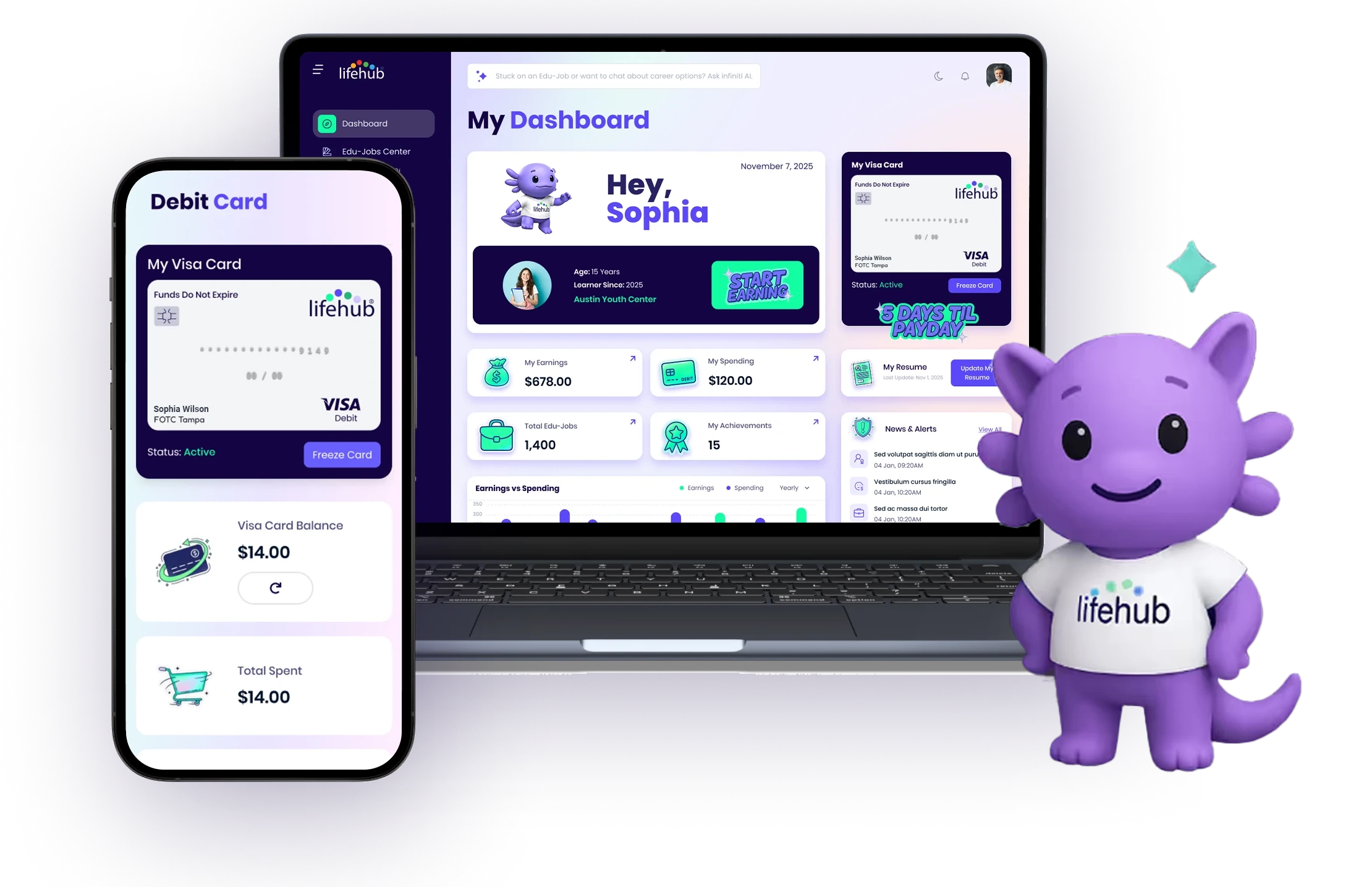
Life Hub offers a unique way to build life skills within a complete homeschool curriculum. Learners earn real cash by completing micro-learning tasks in areas like finance, entrepreneurship, and digital literacy.
The platform covers core academics and life skills, motivating learners with practical rewards. Parents and educators can view progress through a special dashboard. This helps track both academic and personal growth.
Homeschool families use Life Hub to teach money management and real-world skills daily. For more on financial education services, visit Financial literacy for students. This approach makes your complete homeschool curriculum more relevant and rewarding.
Staying Compliant and Measuring Progress in 2026
Homeschooling in 2026 is more popular than ever, but staying compliant and measuring progress is essential for every family using a complete homeschool curriculum. Requirements shift from state to state, so understanding the rules, assessments, and documentation is key. With more families turning to homeschooling, clear records and regular evaluations help learners stay on track.
Navigating State and National Homeschool Laws
Each state in the U.S. sets its own homeschool regulations, and in 2026, many have made updates to reflect the rapid growth in the homeschooling community. States may require parents to submit a notice of intent, maintain attendance records, or follow specific curriculum guidelines. Some regions ask for annual assessments or progress reports, while others are more flexible.
Families using a complete homeschool curriculum should review state education websites or connect with local homeschool associations to keep up with changes. For example, Texas may have fewer reporting requirements than Florida or California, where portfolios or standardized tests might be necessary. The PreK-12 Enrollment and Demographics 2024-2025 report highlights the increase in homeschool enrollment, which often leads to evolving legal expectations.
A simple checklist can help families track their compliance:
| State | Notice Required | Annual Assessment | Portfolio Needed |
|---|---|---|---|
| California | Yes | Yes | Yes |
| Texas | No | No | No |
| Florida | Yes | Yes | Yes |
Assessment and Testing Options
Assessment is a vital part of a complete homeschool curriculum. States may require standardized tests, portfolio reviews, or alternative assessments. It is important to check state deadlines and approved testing methods each year, as rules can change.
Common options include:
- Standardized testing (online or in-person)
- Portfolio reviews by certified teachers
- Project-based assessments
Many families now use online proctoring for state-required annual exams, making the process more convenient. According to Fast Facts on Homeschooling, homeschool learners often perform as well as or better than their peers in traditional schools. Keeping an eye on assessment options helps families select the best fit for their learner’s needs and ensures the complete homeschool curriculum meets state expectations.
Tracking Academic Growth and Milestones
Tracking progress is crucial for a complete homeschool curriculum. Parents and educators use a mix of rubrics, checklists, and digital trackers to measure learning outcomes. These tools help families set clear goals and celebrate achievements, from mastering multiplication to writing essays or completing science projects.
Digital dashboards are popular for visualizing growth and keeping records organized. Many platforms offer templates for daily, weekly, and yearly tracking. Setting milestones—like finishing a reading list or reaching a new math level—keeps learners motivated and provides a clear record for state reporting.
Families may also use:
- Progress charts
- Unit completion checklists
- Learning portfolios with samples of work
Celebrating each milestone, big or small, can boost confidence and keep the learning journey positive.
Preparing Transcripts and Records for Graduation
For high schoolers, preparing transcripts is a vital step toward graduation and future opportunities. Families should include course descriptions, grades, and credits earned in each subject. Extracurriculars, volunteer work, and enrichment activities also belong on the transcript.
Homeschool transcript templates, accepted by many colleges in 2026, are available through homeschool organizations and online resources. Accurate records help learners showcase their achievements and smooth the path to college or employment.
A well-documented transcript reflects the depth and breadth of a complete homeschool curriculum, helping learners stand out in admissions and future applications.
If you’re looking to build a homeschool curriculum that balances academic subjects with real-world skills, you’re not alone. Many families want resources that go beyond textbooks, helping learners grow confident and capable. The guide you just read lays out how to plan, track, and enrich your homeschool year. If you want a tool that brings money skills, digital literacy, and practical learning into daily routines, I encourage you to Explore Life Hub for Homeschool Families. It’s one way to make learning hands on, meaningful, and motivating for your learner.


Related Content
Ready to Chat about Life Hub?
Whether you're parents, or a homeschool family, Life Hub is your partner to help you
raise super strong kids.

.svg)

.svg)


.svg)
.svg)

.svg)